Chinon 35EE (1976)
At 346 grams and f/2.7, it slips into your coat like a secret worth keeping
Overview
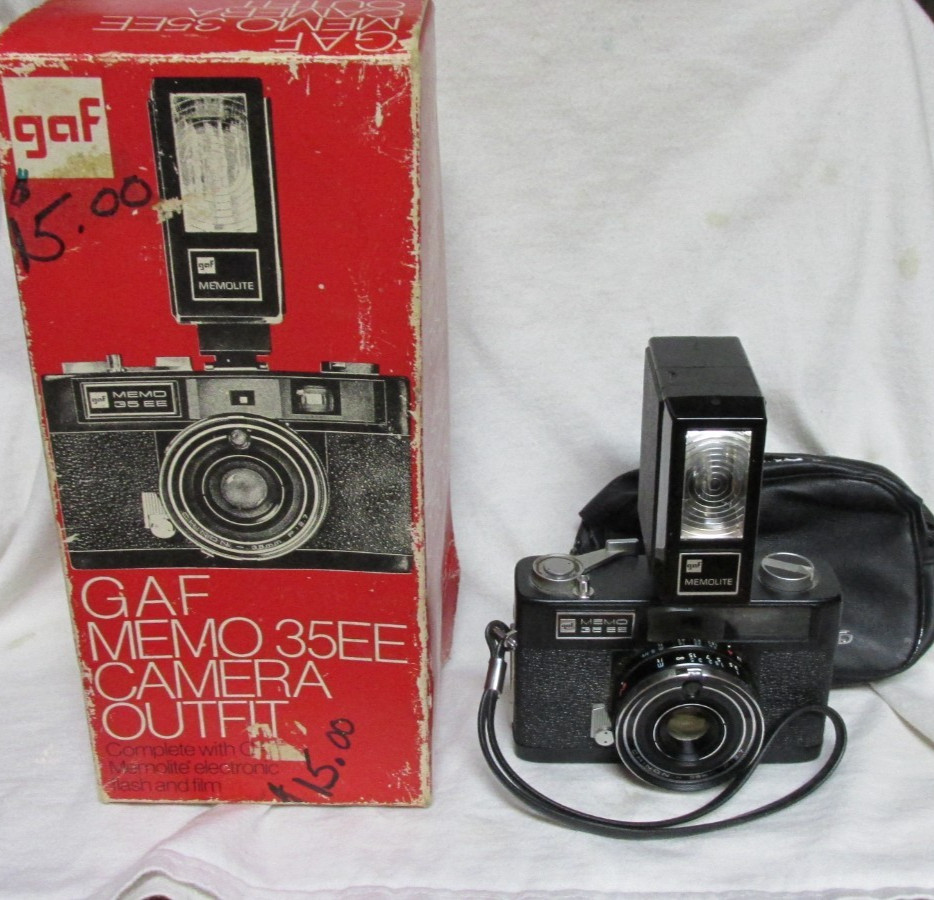
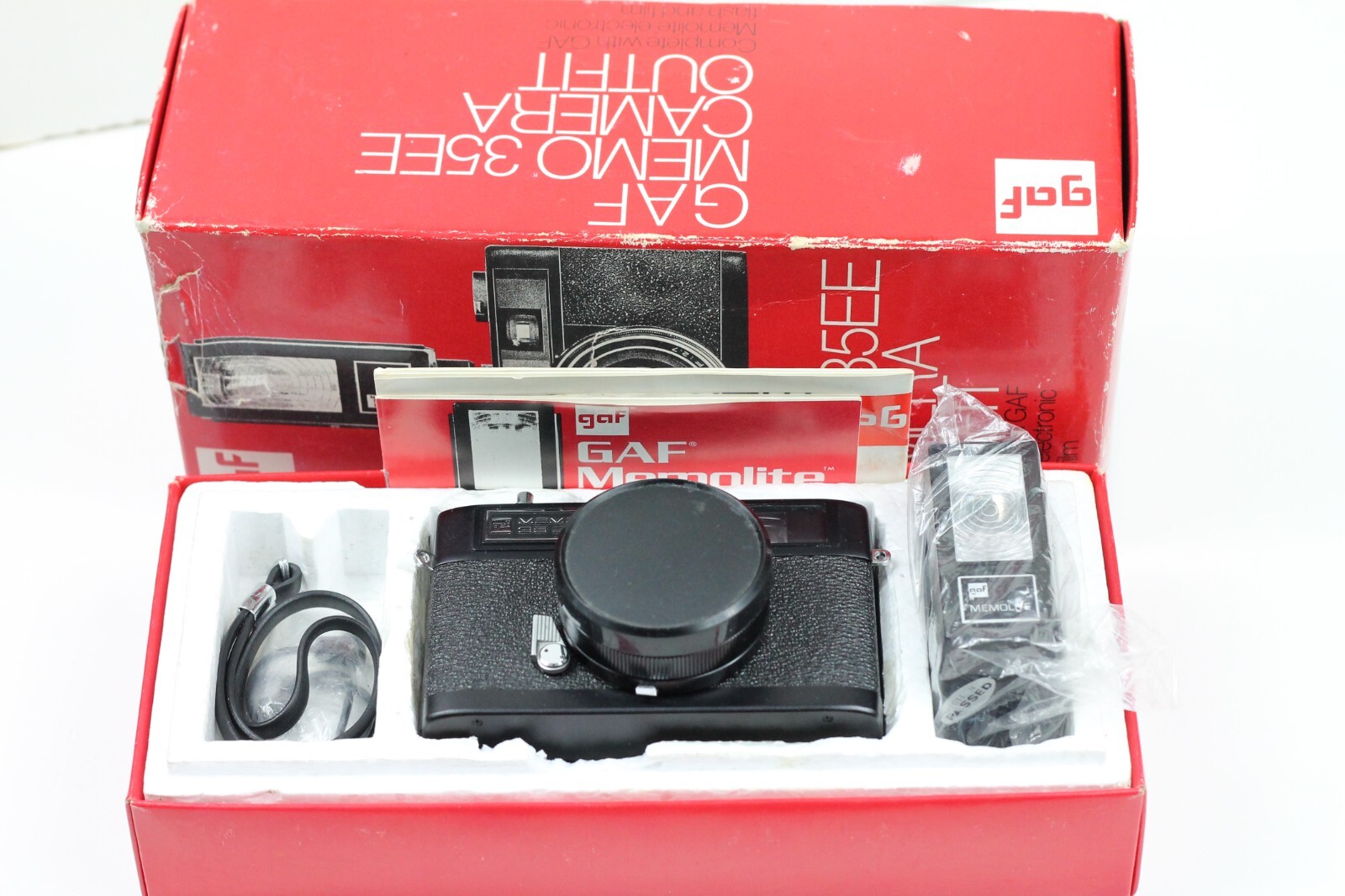
The Chinon 35EE isn’t trying to impress with flair or pedigree—it’s a no-frills 35mm compact rangefinder that got the job done in 1976, and still does if treated right. Introduced by Chinon that year, it’s built like a budget-conscious answer to the era’s wave of automated compact cameras, but with a double-image rangefinder that actually works. Owners report it’s not flashy, but it’s functional, and for a time, it was rebadged under several names—GAF Memo, Vivitar 35EE, even Porst 135L—proving its design had legs beyond its own badge. It’s not a Leica, nor does it pretend to be; instead, it leans into its role as a programmed auto shooter with a lens that punches above its weight.
Critics and users alike have noted its close functional resemblance to the Konica C35, a more celebrated compact of the period. The Chinon 35EE matches it with near-identical exposure logic and handling, though it swaps Konica’s Hexanon glass for its own Chinonex 38mm f/2.7. That lens, while not legendary, is comically slightly faster than the Konica’s f/2.8 and delivers sharp results when the light’s right. The viewfinder includes a clear focus square, a small but meaningful detail that helps with precision, and the whole system runs on a single PX675 battery—originally a 1.3v mercury cell, now a minor hurdle for modern shooters unless adapted.
Despite its humble status, the 35EE has earned a quiet following. One owner described recently singing its praises after a simple refresh: new light seals and a fresh battery brought it back to life with minimal fuss. It’s the kind of camera that doesn’t demand attention but earns respect over time, especially at the prices it commands today.
Specifications
| Manufacturer | Chinon |
| Model | 35EE |
| Type | 35mm compact rangefinder camera |
| Lens | Chinonex 38mm 1:2.7 |
| Aperture Range | f/2.7–f/16 |
| Focus | Range Finder: Doubleimage alignment type |
| Metering | CdS |
| ASA Range | 25–500 |
| Negative Size | 24 mm x 36 mm |
| Shutter | 1/30–1/650 + B |
| Exposure Value (EV) | EV 100asa: 7–17+ |
| Filter Thread | 46mm |
| Battery | PX675 |
| Dimensions | 113 X 73 X 54 mm |
| Weight | 345.9g |
| Production Year | 1976 |
Key Features
Chinonex 38mm f/2.7 Lens with 46mm Filter Thread
The Chinonex 38mm f/2.7 isn’t made of exotic glass, but it’s surprisingly competent. Paired with a 46mm filter thread, it allows for basic optical accessories, though few were likely marketed specifically for it. Its maximum aperture gives a slight edge in low light over contemporaries like the Konica C35, and while the lens lacks the prestige of a Hexanon, it delivers solid center sharpness when stopped down. Owners note it’s best between f/5.6 and f/11, where chromatic aberration and softness fall away.
Double-Image Rangefinder with Focus Square
The focus system is a traditional double-image alignment type, typical of rangefinders from the period. What sets it apart slightly is the inclusion of a clear focus square in the viewfinder—a detail mentioned by users who appreciate the visual aid when aligning the split image. It’s not a long-base rangefinder, so precision at close distances requires patience, but for street-level snapshots and general use, it’s effective and tactile.
Programmed Auto Exposure with CdS Metering
Exposure is fully automatic and programmed, meaning the camera selects both shutter speed and aperture based on readings from its CdS meter. The system operates within an EV range of 7 to 17+ at ISO 100, covering typical daylight and indoor conditions. Shutter speeds run from 1/30s to 1/650s, with a bulb mode for long exposures. The reliance on a PX675 battery means meter accuracy depends on stable voltage—mercury cells provided 1.35v, but modern alkaline or zinc-air substitutes can drift, leading to inconsistent readings unless compensated.
Compact Chassis with Practical Dimensions
At 113 x 73 x 54 mm and 345.9 grams, the 35EE is pocketable without being cramped. The size balances lens reach and body ergonomics, with controls laid out for simplicity. There’s no grip, no dials on the top plate—just the essentials. The metal case houses serious engineering for its class, though long-term durability hinges on light seals and battery compartment corrosion, common failure points in cameras of this vintage.
Collectibility & Value
The Chinon 35EE trades at the lower end of the rangefinder market, with working examples listed around $40. Its clone status and lack of brand prestige keep prices modest, but that also makes it accessible. The most common failure is a dead or inaccurate light meter, often due to degraded CdS cells or battery leakage. Replacement manuals are available for the closely related GAF Memo variant, which aids repair. Owners report that a new set of light seals and a modern PX675 substitute—preferably a 1.35v zinc-air—are often all it takes to return the camera to reliable service.
eBay Listings

As an eBay Partner, we earn from qualifying purchases. This helps support our independent vintage technology research.