Certo Certo-Phot (1958)
At 422g, it sits in the hand like a modest brick - simple, dense, and built for one job.
Overview
The Certo Certo-Phot is a simple medium format viewfinder camera introduced by Certo-Kamera-Werk in Dresden, East Germany, in 1958. It started Certo's line of basic fixed-lens 120 film cameras, made for plain, no-frills photography. Owners report it works more like a refined box camera than a sophisticated instrument, with minimal controls and a rigid mechanical design. It takes 120 film and gives twelve 6x6cm exposures per roll, a good balance between image size and accessibility at a time when medium format was still within reach of amateurs. It has manual focus, two aperture settings and a single shutter speed, so it was never meant for technical precision. It was meant to be reliable and easy to use.
Despite its rudimentary nature, the Certo-Phot has found quiet admiration decades later. Some users on photography forums like its imaging character, and one notes, "love the results from this 1-element lens from the 1950s." The appeal isn't sharpness or contrast. It's the soft, dreamlike look that comes from the lens's optical limitations. The camera rewards patience and underexposure more than technical mastery.
Specifications
| Manufacturer | Certo |
| Production year | 1958 |
| Film format | 120 |
| Image format | 12 6x6cm |
| Lens | Certo 75mm f8 Meniscus Anastigmat |
| Aperture | f/8 and f/11 |
| Shutter speed | B, 1/50s |
| Minimum focus distance | 1.5m |
| Dimensions | 13.2 x 9.7 x 7.8 cm |
| Weight | 422g |
Key Features
75mm Meniscus Anastigmat Lens
The Certo 75mm f8 Meniscus Anastigmat is a single-element lens, often described as a simple meniskus type. It's basic in construction, and it gives a characteristic softness that some modern shooters actively look for. The formula doesn't aim for edge-to-edge sharpness or high contrast. Images come out with a gentle fall-off and subtle vignetting, especially at f/8. The lens is fixed in place, with no zoom and no interchangeable options, so this is a point-and-shoot tool rather than a system camera.
f/8 and f/11 Aperture Selection
Aperture control is limited to two settings: f/8 and f/11. That narrow range fits moderate to bright lighting. There's no automatic metering and no built-in light meter, so exposure relies entirely on the photographer's judgment or an external device. The stepped aperture allows basic depth-of-field adjustments, though with a 75mm lens on 6x6cm even f/11 gives relatively shallow focus, particularly close to the 1.5m minimum distance.
Bulb and 1/50s Shutter
Shutter options are a Bulb setting and a fixed 1/50s speed. The 1/50s setting is reportedly enough for daylight use with ISO 100-160 film. Bulb mode allows long exposures, controlled by cable release or finger pressure. With no faster speeds, motion blur is common, especially in lower light. The shutter is mechanical and self-contained and needs no batteries, which helps its longevity and reliability when properly maintained.
1.5m Minimum Focus Distance
Focus is manual, with a fixed minimum distance of 1.5 meters. There's no rangefinder, and no distance scale visible from the rear, so focusing likely means estimating or using zone methods. That makes the Certo-Phot best suited for street scenes, landscapes and casual snapshots rather than close-ups or portraits requiring tight framing.
Historical Context
The Certo Certo-Phot debuted in 1958 as the first of Certo's basic fixed-lens 120 film models. It was made in Dresden, East Germany, while domestic camera production was expanding behind the Iron Curtain, often emphasizing functionality over luxury. The model is considered an evolution of the Certina line, though the specific technical lineage isn't detailed in available documentation. The design lines up with other Eastern Bloc box-style cameras of the era - utilitarian, affordable, and built for mass use.
Collectibility & Value
Current market prices for the Certo Certo-Phot vary significantly based on condition and vendor. Listings on Etsy and eBay show prices ranging from $73.38 to $80.00, while Kamerastore lists an average certified condition price of $36.00 USD. Condition, completeness and seller perception clearly play a major role in valuation. No original MSRP has been documented, so inflation-adjusted value is hard to assess. The camera is not widely regarded as a rare collectible, but its niche appeal among film enthusiasts keeps it in circulation.
eBay Listings


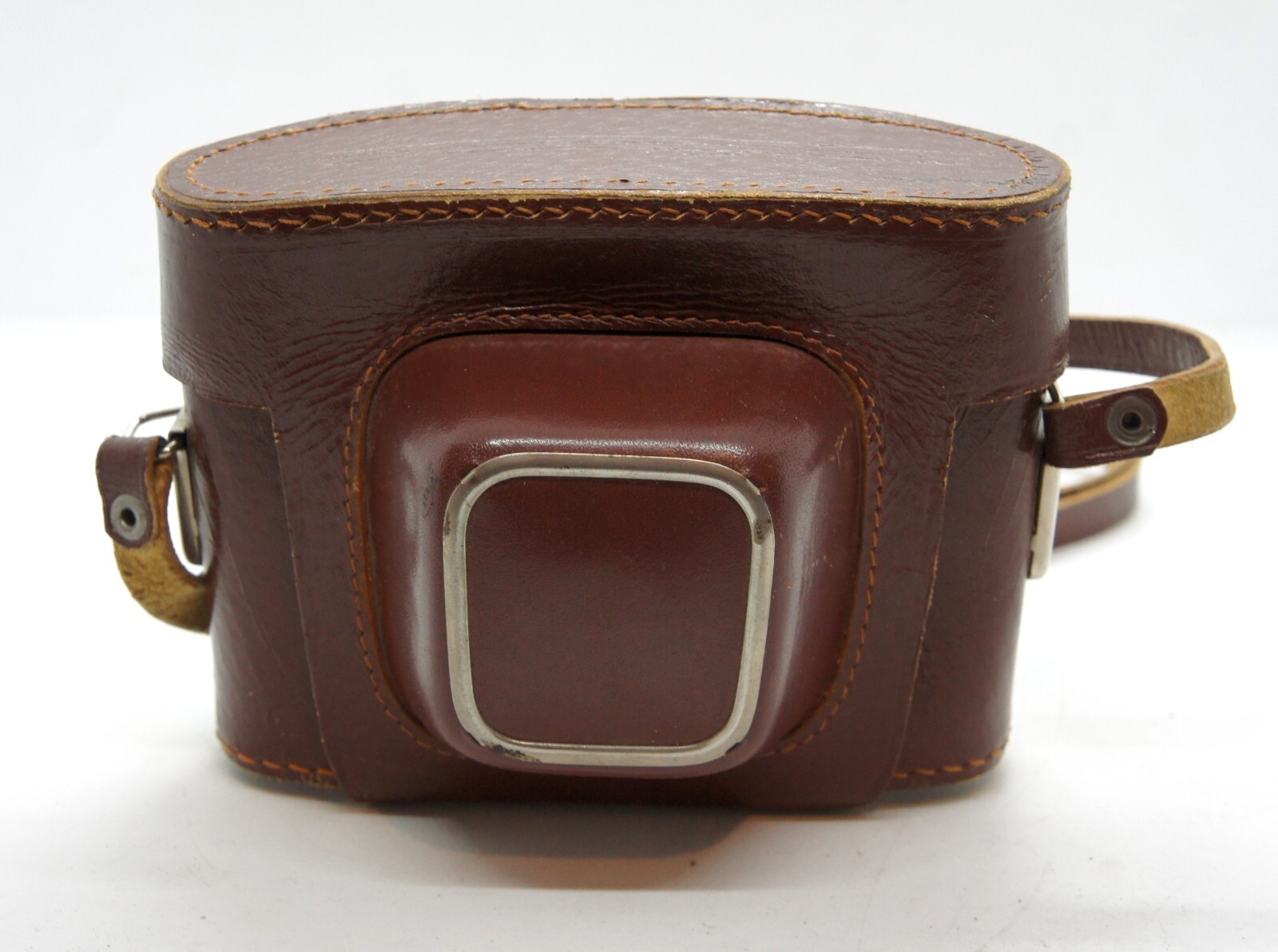
As an eBay Partner, we earn from qualifying purchases. This helps support our independent vintage technology research.