Bronica SQ-A (1982–1997): The Working Pro’s 6x6 Workhorse
A modular, leaf-shutter medium-format SLR that brought Hasselblad-level functionality to studio shooters and portrait artists without the five-figure price tag.
Overview
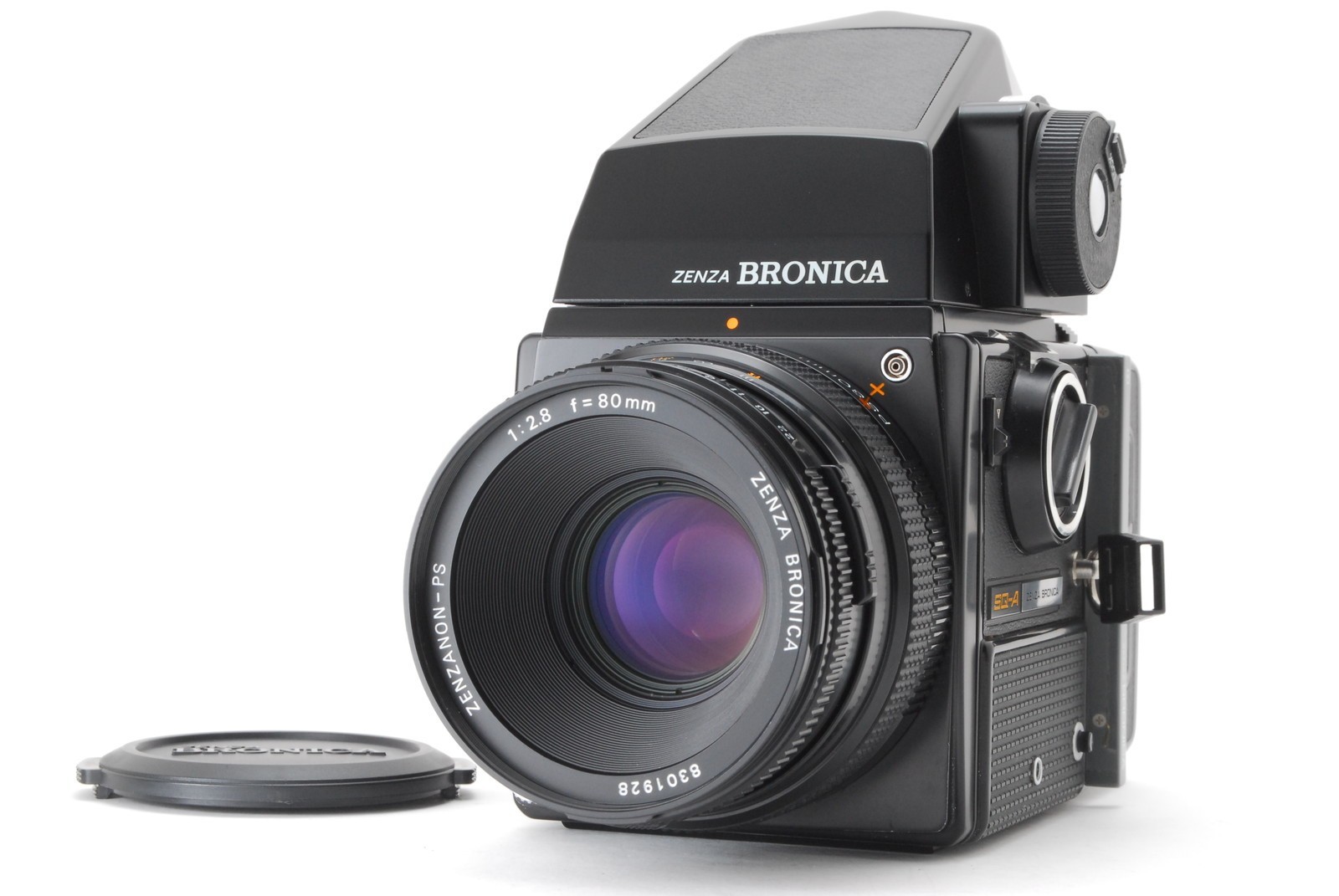
The Bronica SQ-A wasn’t trying to be a fashion statement or a status symbol. It was built for one purpose: to deliver reliable, high-resolution 6x6cm images with the kind of modularity and precision that serious photographers demanded in the 1980s and ’90s. Introduced in 1982 as the successor to the original Bronica SQ, the SQ-A refined its predecessor’s formula with improved ergonomics, a more robust film advance mechanism, and—critically—TTL metering integrated directly into the viewfinder housing. For under $1,250 at launch (a fraction of the cost of a Hasselblad 500C/M), professionals could now access interchangeable film backs, lenses, and viewfinders in a system that didn’t compromise on image quality.
This was the camera you’d find in the kit of a wedding photographer juggling color and B&W film mid-event, or a studio portraitist switching between Polaroid test backs and 120 roll film. Its manual-only exposure control wasn’t a limitation—it was a feature. The SQ-A assumed competence. It didn’t coddle; it collaborated. With its leaf shutter lenses enabling flash sync at all speeds up to 1/1000 sec, it was a favorite for strobe-heavy setups where freezing motion with ambient fill was non-negotiable. And because each lens housed its own Copal #0 leaf shutter, the camera body could remain blissfully simple—no complex focal-plane mechanisms to fail.
Specifications
| Film Format | 6x6 cm on 120 or 220 roll film |
| Lens Mount | Bronica SQ mount |
| Shutter Speeds | 1 sec to 1/1000 sec, plus B |
| Flash Sync Speed | 1/60 sec (sync at all shutter speeds due to leaf shutters) |
| Shutter Type | Leaf shutter in lenses |
| Metering | Through-the-lens (TTL) center-weighted metering with CdS cells |
| Viewfinder | Interchangeable focusing screens and viewfinders (eye-level, waist-level, prism) |
| Exposure Control | Manual exposure only |
| Aperture Priority | No |
| Auto Focus | No |
| Mirror Lock-Up | Yes |
| Self-Timer | Mechanical self-timer |
| Film Advance | Manual crank with double-stroke action |
| Interchangeable Backs | Yes, with dark slide for mid-roll changes |
| Weight | 1050 g (body only) |
| Dimensions | 103 x 100 x 95 mm (W x H x D) |
| Battery | 4 x SR44 or 4 x LR44 for meter |
Key Features
- Interchangeable Film Backs with Dark Slides: The SQ-A’s film backs could be swapped mid-roll—a godsend for pros shooting both color and black-and-white at the same event. Slide the dark slide in, pop off the back, attach another, and keep shooting. No wasted frames, no reloading in the dark. This wasn’t just convenient; it was a workflow revolution for event photographers in the pre-digital era.
- Leaf Shutter Lenses with Full-Speed Flash Sync: Unlike focal-plane shutter systems (like those in most 35mm SLRs), the SQ-A’s lenses each contained a Copal #0 leaf shutter. This meant flash sync at every speed—from 1 sec to 1/1000 sec. Want to kill daylight with a speedlight at f/16? Done. This capability made the SQ-A a staple in fashion and beauty shoots where controlling ambient light was critical.
- TTL Center-Weighted Metering: The prism finder included through-the-lens metering using CdS cells, which was a significant upgrade over the SQ. You could meter off a face in uneven lighting and trust the result. Yes, the cells age—more on that later—but in its prime, this system was responsive and accurate, especially when paired with Fuji’s ISO 64 Velvia or Kodak’s Ektachrome.
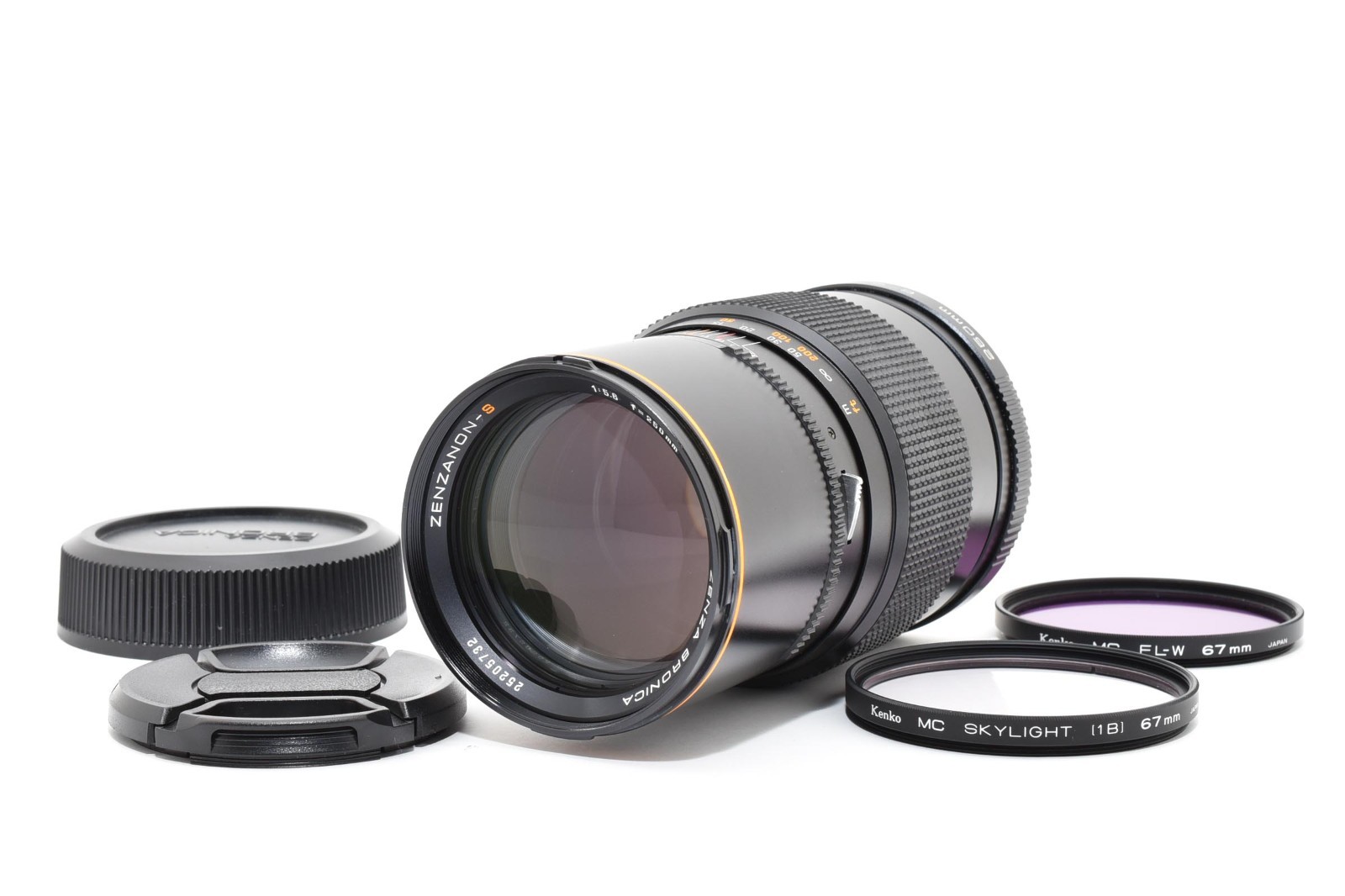
- Modular Design: Need a waist-level finder for low-angle shots? Swap it in. Prefer an eye-level prism for action? Done. The SQ-A let you build the camera you needed for the job. And with lenses ranging from the 50mm f/4 Distagon to the 250mm f/5.6 Tele-Takumar, it covered nearly every studio need.
Historical Context
The SQ-A arrived at a time when medium format was the gold standard for commercial work, but Hasselblad’s dominance came with a steep price and a certain inaccessibility. The Hasselblad 500C/M was (and is) a masterpiece, but at nearly double the cost, it was out of reach for many working photographers. Bronica saw the gap and filled it with the SQ series—cameras that didn’t pretend to be Swedish, but didn’t need to. Built in Japan with precision engineering and a no-nonsense aesthetic, the SQ-A offered 95% of the functionality at 60% of the price.
It wasn’t just competing on cost, though. The SQ-A reflected a broader trend in the 1980s: the professionalization of advanced amateur photography. More photographers were operating studios out of garages or lofts, and they needed tools that were reliable, repairable, and expandable. The SQ-A fit that niche perfectly. When Bronica released the SQ-Ai in 1988—adding aperture-priority auto-exposure and updated electronics—it signaled that the platform was evolving, but the SQ-A remained the purist’s choice. No automation, no compromises. Just shutter, aperture, and film.
Collectibility & Value
Today, the Bronica SQ-A occupies a sweet spot in the vintage camera market: it’s uncommon enough to feel special, but not so rare that you need a trust fund to own one. In 2025, a fully functional SQ-A with a prism finder and a lens typically fetches between $400 and $800 USD, depending on condition and accessories. Complete systems with multiple backs or rare lenses (like the 65mm f/4 or 150mm f/3.5) can command premiums, especially if the light seals are fresh and the meter is responsive.
But here’s what you need to know before buying: assume the light seals are shot. These degrade into sticky goo over time, and if left unchecked, they can damage the film back’s pressure plate or prevent the dark slide from seating properly. Replacement is a must—and thankfully, it’s a well-documented DIY job. More insidious is the meter. CdS cells degrade with age, and battery contacts corrode. A “dead” meter might just need a cleaning or new batteries (SR44/LR44), but if the needle doesn’t move, the cell may be kaput. Some shooters replace the meter with modern LED-based modules, but purists keep it original. Either way, test before you invest.
If you’re hunting for one, look for a body with smooth film advance, a mirror that snaps crisply, and a shutter that fires cleanly at all speeds. And if you can find one with the original leather case and instruction manual? You’ve hit the jackpot. The SQ-A isn’t just a camera—it’s a time machine to an era when craftsmanship mattered, and every click of the shutter felt earned.
eBay Listings


As an eBay Partner, we earn from qualifying purchases. This helps support our independent vintage technology research.
Related Models
- Bronica D (1960-1965)
- Bronica EC (1972-1978)
- Bronica ETR (1976-1980)
- Bronica ETRS (1978-1984)
- Bronica ETRSi (1984-1995)
- Alpa 6 (1948-1953)
- Agfa Agfaflex
- Agfa Ambiflex
- Agfa Easy
- Agfa Futura Af zoom