ADOX 300
The Adox 300 is a 35mm single-lens reflex (SLR) camera produced by Adox Fotowerke GmbH in Germany between 1956 and 1959. Notable for its interchangeable film magazines, the Adox 300 was a technologically advanced SLR for its time, offering professional photographers the ability to switch film loads instantly without rewinding—a rare feature in the mid-1950s.
Overview
Introduced at a pivotal moment in the evolution of 35mm photography, the Adox 300 represented a bold attempt by the German manufacturer to enter the professional SLR market dominated by brands like Exakta and Praktina. Manufactured in Bad Soden, West Germany, the Adox 300 was designed to appeal to press and studio photographers who required rapid film changes and reliable mechanical performance. Its most defining feature—the interchangeable film magazine system—allowed users to load multiple magazines with different film types (e.g., black-and-white, color, or varying speeds) and swap them mid-roll, a functionality typically found only in medium format systems like the Hasselblad 1600F.
The camera was built around a rigid, all-metal chassis with a vertically traveling focal-plane shutter and a fixed pentaprism housing that provided a bright, eye-level viewing experience—an advanced feature for the era. The Adox 300 used a proprietary bayonet lens mount known as the Adox DKL (Deckel) mount, which was shared with other contemporary German cameras such as the Braun Paxette Reflex and certain Wirgin models. This mount, however, limited lens compatibility and contributed to the camera's relatively short production life.
Despite its sophisticated engineering, the Adox 300 was produced in limited numbers and failed to achieve widespread commercial success. Adox, primarily known for its high-quality photographic films and papers, lacked the established reputation in camera manufacturing held by competitors like Zeiss Ikon or Ihagee (makers of the Exakta). The Adox 300 was succeeded briefly by the Adox 301, which featured minor refinements but did not resolve the core issues of market positioning and lens ecosystem limitations.
Specifications
| Specification | Value |
| Type | Single-Lens Reflex (SLR) |
| Film Format | 35mm (135 cartridge) |
| Years Produced | 1956–1959 |
| Lens Mount | Adox DKL bayonet (proprietary) |
| Shutter | Focal-plane, cloth-curtain; speeds from 1 sec to 1/1000 sec + B |
| Metering | None (unmetered) |
| Exposure Modes | Manual only |
| Viewfinder | Fixed pentaprism with ground-glass focusing screen |
| Dimensions | Approx. 150 mm (H) × 95 mm (W) × 70 mm (D); weight approx. 850 g (body only) |
Key Features
- Interchangeable Film Magazines: The defining innovation of the Adox 300, allowing mid-roll film changes—exceptionally rare in 35mm SLRs of the 1950s.
- Vertically Traveling Focal-Plane Shutter: Offered high-speed performance up to 1/1000 sec, competitive with contemporary Exakta models.
- Fixed Pentaprism Viewfinder: Provided eye-level, right-side-up viewing, a significant advantage over waist-level finders common at the time.
- Adox DKL Bayonet Mount: Enabled use of high-quality German lenses from manufacturers like Schneider-Kreuznach and Rodenstock, though limited by proprietary design.
- Mechanical Reliability: Fully mechanical operation with no battery dependency, suitable for professional use in varied conditions.
Historical Context
The Adox 300 was launched in 1956, during a period of rapid innovation in 35mm SLR design. The success of the Exakta VX and Praktina FX had demonstrated the viability of the SLR format for both amateur and professional photographers. Adox, backed by its parent company, Dr. C. Schleussner Fotowerke (founded by the inventor of the first multi-coated lens), sought to leverage its optical expertise to compete in this growing market. The decision to implement interchangeable magazines was likely influenced by medium format systems and press photography needs, where time was critical.
However, the Adox 300 faced stiff competition. The Exakta Varex series offered a more mature system with a broader range of accessories and lenses, while the Praktina provided interchangeable backs and a robust engineering pedigree. Additionally, the Adox DKL mount, though optically sound, suffered from poor standardization and limited third-party support. By 1959, Adox discontinued the 300 and exited the camera market to refocus on its core film and paper business, which remained highly respected internationally.
Collectibility & Value
The Adox 300 is a rare and sought-after camera among collectors of vintage German SLRs. Due to its limited production run and short market lifespan, surviving examples in working condition are uncommon. As of 2024, a fully functional Adox 300 with original magazine and lens typically commands between €800 and €1,500 at auction or specialty vintage camera dealers, depending on condition and completeness.
When evaluating an Adox 300 for purchase, collectors should inspect the shutter operation across all speeds, particularly 1/500 and 1/1000 sec, where cloth curtains may exhibit uneven travel or tearing. The magazine coupling mechanism must seal properly to prevent light leaks. Common issues include stiff film advance levers, worn shutter cloth, and deterioration of the light seal around the back and magazine interface. Lenses in DKL mount, especially Schneider-Kreuznach Xenar or Rodenstock Roxar models, significantly increase value. Because the camera lacks a light meter, metering must be done externally, which is not a drawback for experienced users but should be noted.
Similar Cameras
- Exakta Varex/VX (Ihagee, 1950–1960): Offered interchangeable viewfinders and accessories, with a more established system.
- Praktina FX (KW, 1952–1960): Featured interchangeable backs and a robust M42 mount, popular with press photographers.
- Kine Exakta VX (Ihagee, 1950s): Early 35mm SLR with waist-level and eye-level viewing options.
- Alpa-Reflex C (Alpa, 1949–1953): Precision Swiss-built SLR with modular design and high-end optics.
- Braun Paxette Reflex (Braun, 1953–1957): Shared the DKL mount and targeted amateur photographers with SLR capabilities.
Repair & Maintenance
The Adox 300 requires no batteries, as all functions—shutter, film advance, and aperture control—are fully mechanical. This makes it reliable in long-term storage, though lubricants may dry out after decades. Common maintenance issues include sticky shutter speeds, particularly at the 1-second setting, and worn focal-plane shutter curtains. Replacement cloth shutters are difficult to source, and repair requires specialized skill. The film magazine latch and pressure plate should be checked for even film plane alignment. Lubrication of the film advance and shutter cocking mechanisms with high-grade camera oil is recommended during servicing. Due to the rarity of parts, repair is best entrusted to specialists in vintage German SLRs. Regular cleaning of the viewfinder prism and focusing screen is advised to maintain optical clarity.
eBay Listings

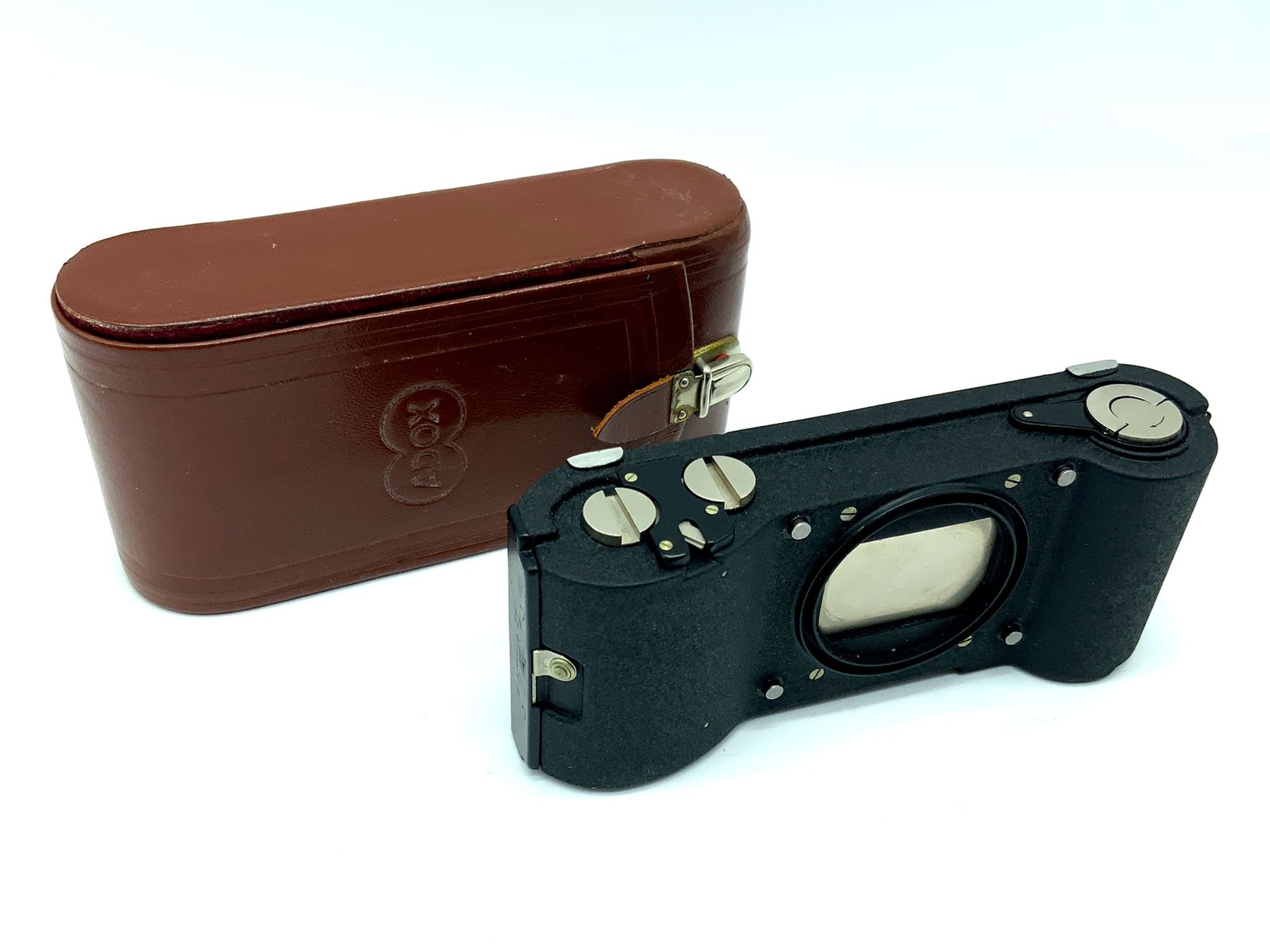
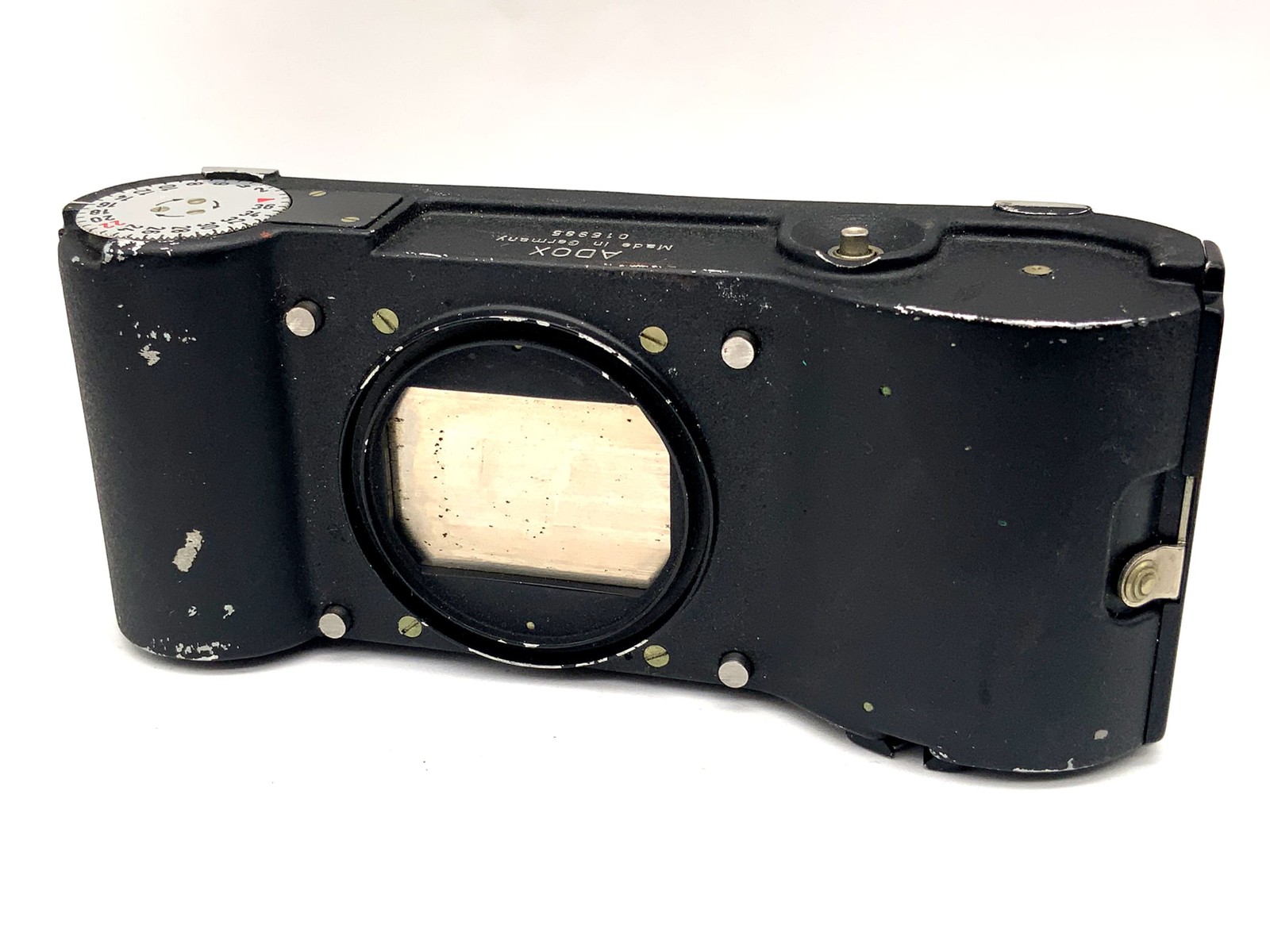

As an eBay Partner, we earn from qualifying purchases. This helps support our independent vintage technology research.