Yamaha YP-D8: The Forgotten Hybrid Portable Audio System of the 1980s
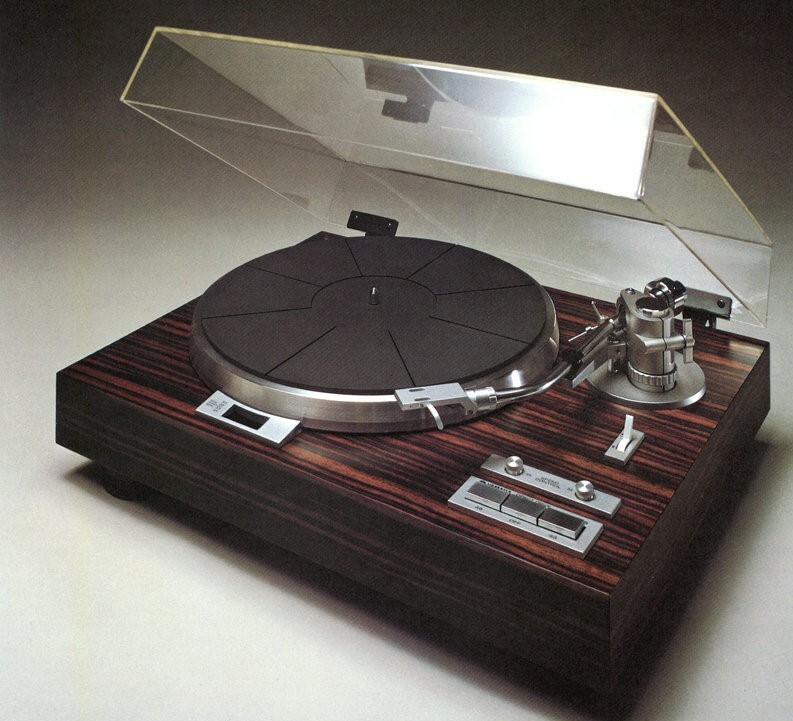
In the mid-1980s, Yamaha pushed the boundaries of portable audio with a unique and largely overlooked device: the YP-D8. Not quite a boombox, not quite a suitcase turntable, and not a full component system, the YP-D8 occupies a curious niche in vintage audio history. Designed for audiophiles on the move—or those with limited space—the YP-D8 combined a belt-drive turntable, cassette deck, AM/FM radio, and built-in speakers into a single, portable enclosure. This hybrid approach reflected Yamaha’s commitment to innovation and versatility during a golden era of analog audio.
While overshadowed by more powerful boomboxes from Sony, JVC, or even Yamaha’s own RF series, the YP-D8 stands out for its thoughtful engineering and rare integration of vinyl playback in a portable format. It was a product of its time—born in 1985, when cassette tapes were dominant, vinyl was still widely used, and portability was becoming a major selling point. The YP-D8 wasn’t built for bass-heavy parties or stadium-level volume; instead, it catered to listeners who valued fidelity, convenience, and the tactile joy of playing records anywhere.
Technical Specifications
| Feature | Specification |
| Model | Yamaha YP-D8 |
| Year Introduced | 1985 |
| Category | Portable Audio System |
| Turntable Type | Belt-drive, full-size 12" platter |
| Speeds | 33⅓, 45 RPM |
| Tonearm | Manual S-shaped tonearm with tracking control |
| Cartridge | Moving Magnet (MM), fixed installation |
| Cassette Deck | Single cassette with auto-reverse |
| Tape Playback Modes | Normal, CrO₂ (limited functionality) |
| Radio Tuner | AM/FM with analog tuning dial |
| Speakers | Dual 3.5" full-range drivers |
| Output Power | Approx. 2W × 2 (total 4W) |
| Power Options | AC adapter or 6x D-cell batteries (12V) |
| Inputs | Line-in (3.5mm), microphone (3.5mm) |
| Outputs | Headphone jack (3.5mm), line-out (RCA) |
| Dimensions | 450 × 380 × 150 mm (approx.) |
| Weight | 7.2 kg (with batteries) |
| Finish | Black vinyl with silver control panel |
Sound Characteristics and Performance
The YP-D8 delivers a surprisingly balanced and warm sound for a portable unit. Yamaha’s heritage in acoustic design is evident in the tonal clarity and lack of harshness, even at higher volumes. The dual 3.5-inch speakers are modest in output but well-tuned, offering a smooth midrange and decent presence for vocals and acoustic instruments. Bass response is limited—unsurprisingly, given the small cabinet size—but remains tight and controlled, avoiding the boominess common in cheaper portables.
The built-in turntable is the star of the show. Using a belt-drive system, it provides stable rotation with low rumble and minimal wow/flutter, especially when placed on a solid surface. The fixed moving magnet cartridge isn’t replaceable in most units, which limits upgrade potential, but it captures a respectable amount of detail from vinyl records. Users report that the tracking force is preset and non-adjustable, so careful handling of the tonearm is essential to prevent record wear.
The cassette deck supports auto-reverse playback and basic noise reduction, though it lacks Dolby or high bias support for metal tapes. Still, for casual dubbing or listening to pre-recorded tapes, it performs reliably. The inclusion of a line-in and microphone input adds versatility, allowing users to record from external sources or make voice announcements—features that made the YP-D8 a favorite among educators and small presenters in its day.
Notable Features and Innovations
What made the YP-D8 truly special was its hybrid functionality. At a time when most portables focused on either cassette or radio, Yamaha integrated a full-sized turntable into a mobile chassis. This was no toy: the platter is large enough to handle standard 12" LPs and 7" singles, and the tonearm glides smoothly across the record with minimal resonance.
Another standout feature is the dual power system. The YP-D8 can run on six D-cell batteries (providing several hours of playback) or via an external AC adapter, making it genuinely portable for picnics, dorm rooms, or travel. The battery compartment is roomy and well-ventilated, reducing the risk of leakage-related damage when maintained properly.
The front panel is cleanly laid out with dedicated controls for each function: turntable, cassette, radio, and input selection. The tuning dial is smooth, and the cassette section includes basic transport controls with illuminated buttons. A headphone jack and line-out allow private listening or connection to external amplifiers—forward-thinking for a portable device in 1985.
Common Issues and Maintenance
Like many vintage electronics from the 1980s, the YP-D8 is prone to a few age-related issues:
- Belt degradation: The turntable’s rubber belt often perishes over time. Replacing it with a high-quality OEM or aftermarket belt (such as the CDR-101 size) is usually necessary for proper operation.
- Battery leakage: The D-cell compartment is vulnerable to corrosion if old batteries are left inside. Regular inspection and cleaning with isopropyl alcohol can prevent permanent damage.
- Capstan and pinch roller drying: The cassette mechanism may suffer from sticky tape transport. Cleaning the capstan and pinch roller with a cotton swab and tape head cleaner restores smooth operation.
- Tonearm stiffness: After decades of storage, the tonearm pivot can become stiff. Gentle lubrication with a tiny amount of synthetic grease may help, but disassembly requires care.
- Capacitor aging: The internal power regulation circuitry uses electrolytic capacitors that may dry out. If the unit behaves erratically or emits a hum, capacitor replacement by a qualified technician is recommended.
Despite these potential issues, the YP-D8 is generally well-built. Yamaha used durable plastics and quality internal components, and many units still function today with minimal restoration.
Current Market Value and Collectibility
The YP-D8 is a rare find on the vintage market. It never achieved the popularity of Yamaha’s RX-V receivers or NS speakers, and production numbers appear to have been limited. As a result, working units in good condition can command $200–$400, especially if they include the original AC adapter and carry case (if available).
Collectors are drawn to the YP-D8 for its unique design, functional turntable, and Yamaha pedigree. It appeals to enthusiasts of 1980s audio, portable systems, and hybrid devices. While not a high-fidelity powerhouse, its charm lies in its versatility and the nostalgic appeal of playing vinyl on the go.
Units with clean cosmetics, responsive controls, and properly functioning turntables are particularly desirable. Refurbished models with replaced belts and cleaned tape heads often sell quickly on auction sites and vintage audio forums.
Conclusion and Legacy
The Yamaha YP-D8 may not be a household name, but it represents a fascinating moment in audio history—when manufacturers experimented with form, function, and portability. It’s a testament to Yamaha’s willingness to innovate beyond conventional categories, blending turntable fidelity with the convenience of a portable system.
Today, the YP-D8 is more than just a nostalgic curiosity; it’s a functional piece of analog craftsmanship that bridges the gap between home and mobile audio. For collectors, restorers, or anyone who appreciates the warmth of vinyl in unexpected places, the YP-D8 offers a unique listening experience—one that turns heads and sparks conversation.
In an age of digital streaming and wireless speakers, the YP-D8 reminds us of a time when audio gear was tactile, mechanical, and built to engage the senses. It may be obscure, but for those who discover it, the Yamaha YP-D8 is a hidden gem worth spinning.
eBay Listings


As an eBay Partner, we earn from qualifying purchases. This helps support our independent vintage technology research.
Related Models
- Yamaha YP-1000 (1978)
- Yamaha YP-511 (1975)
- Yamaha YP-701 (1985)
- Yamaha YP-B2 (1981)
- Yamaha YP-D4 (1993)
- Luxman PD-272 (1983)
- Garrard 2025tc (1968)
- Onkyo CP-1010 (1976)
- Pioneer PL-15R (1975)
- Pioneer PL-250 (1979)