Yamaha NS-144: The Unassuming Classic of Early Yamaha Speaker Design
In the late 1970s, Yamaha was rapidly establishing itself as a serious contender in the high-fidelity audio market. While the legendary NS-1000 and NS-2000 models often steal the spotlight for their exotic beryllium drivers and audiophile acclaim, the Yamaha NS-144 represents a more modest yet equally important chapter in the company’s speaker legacy. Released around 1978, the NS-144 was part of Yamaha’s broader NS (Natural Sound) series, which aimed to deliver accurate, musical reproduction across a wide range of budgets and room sizes.
Though not as widely documented or celebrated as its larger siblings, the NS-144 carved out a niche among listeners seeking a compact, reliable, and sonically balanced bookshelf speaker during the golden era of stereo hi-fi. Designed for smaller rooms and moderate listening levels, the NS-144 exemplifies Yamaha’s early commitment to engineering excellence—even in their entry-level offerings.
Technical Specifications
The NS-144 is a passive, two-way bookshelf speaker, built with the practical audiophile in mind. It features a modest but well-considered driver configuration typical of Yamaha’s design philosophy at the time: prioritize clarity, durability, and tonal neutrality over raw power or bass extension.
| Specification | Detail |
| Model | NS-144 |
| Manufacturer | Yamaha Corporation |
| Year Introduced | 1978 |
| Type | Passive, two-way bookshelf speaker |
| Driver Configuration | 1x 13 cm (5") woofer, 1x 2.5 cm (1") dome tweeter |
| Frequency Response | 75 Hz – 20 kHz (approximate) |
| Nominal Impedance | 8 ohms |
| Sensitivity | 86 dB (2.83V/1m) |
| Crossover Frequency | ~3.5 kHz (estimated) |
| Enclosure Type | Bass-reflex (rear-firing port) |
| Dimensions (H×W×D) | 270 × 160 × 155 mm (10.6 × 6.3 × 6.1 in) |
| Weight | 3.2 kg (7.1 lbs) per speaker |
| Recommended Amp Power | 10–60 watts |
| Finish Options | Walnut vinyl, black vinyl |
The compact cabinet is constructed from medium-density fiberboard (MDF) with a vinyl wrap, available in classic walnut or black finishes—typical of the era’s aesthetic. The rear panel includes a single set of binding posts and a small bass-reflex port, allowing for slightly enhanced low-frequency response compared to sealed designs of similar size.
Sound Characteristics and Performance
The NS-144 delivers a sound signature that is best described as balanced, clear, and uncolored—hallmarks of Yamaha’s NS-series philosophy. While it doesn’t aim to reproduce the deepest bass (rolling off below 75 Hz), it handles midrange frequencies with commendable accuracy, making it ideal for vocal-centric listening, acoustic jazz, and classic rock.
The 5-inch woofer is made from treated paper pulp, a common material at the time, offering a natural warmth without excessive boominess. Paired with a soft dome tweeter, the NS-144 avoids the harshness that plagued some early metal-dome designs. Highs are smooth and detailed, never fatiguing—even during extended listening sessions.
In practice, the NS-144 performs admirably with lower-powered tube amplifiers and vintage solid-state receivers from brands like Marantz, Pioneer, and Sansui. Its 8-ohm impedance and 86 dB sensitivity make it relatively easy to drive, though it benefits from being placed close to a rear wall to enhance bass presence due to its small cabinet size.
Stereo imaging is decent for a speaker of its era and class—focused and coherent, though not as expansive as larger floor-standing models. It excels in intimate listening environments, such as bedrooms, offices, or secondary living spaces.
Notable Features and Innovations
While the NS-144 lacks the exotic materials or radical designs of Yamaha’s flagship models, it embodies several thoughtful engineering choices:
- Bass-Reflex Design: The rear-firing port helps extend low-frequency response, giving the small cabinet a fuller sound than its size would suggest.
- Dual Binding Posts: Though not bi-wireable in the modern sense, the use of sturdy screw-type terminals ensures reliable connections with a range of speaker cables.
- Neutral Voicing: Unlike many speakers of the 1970s that leaned toward “colored” or “warm” sound signatures, the NS-144 was tuned for accuracy—foreshadowing Yamaha’s later success in studio monitoring.
- Durable Construction: The MDF cabinet, while basic, is well-braced for its class, reducing unwanted resonance and cabinet coloration.
These features made the NS-144 a favorite among budget-conscious audiophiles and music lovers who valued fidelity over flash.
Common Issues and Maintenance
As with any vintage speaker from the late 1970s, the Yamaha NS-144 may require some care to perform at its best today:
- Aging Foam Surrounds: The most common issue is deterioration of the foam surrounds on the woofer. Over time, these can dry out, crack, or disintegrate, leading to distorted bass or complete driver failure. Fortunately, foam replacement kits are widely available and relatively easy to install with basic DIY skills.
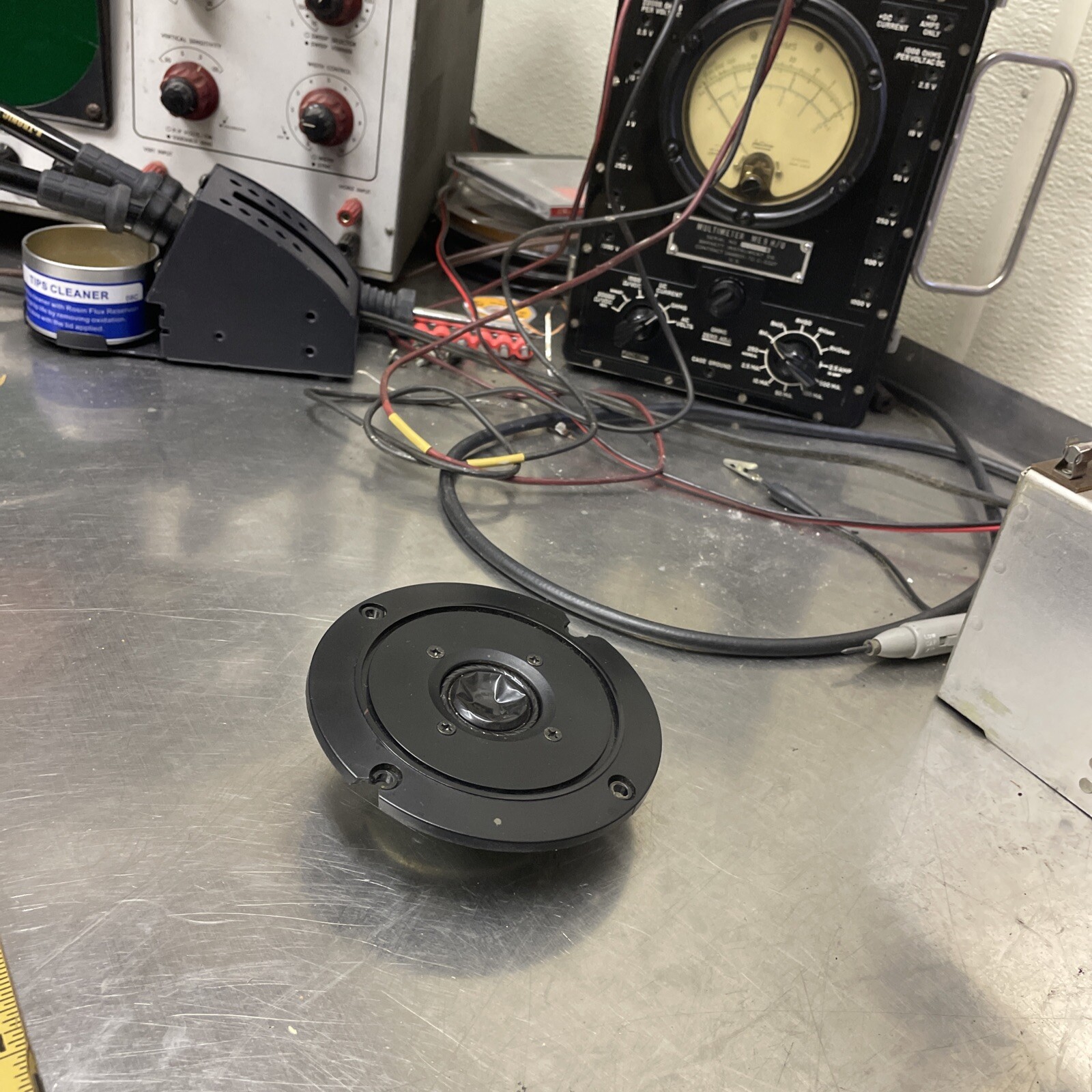
- Tweeter Fatigue: While the soft dome tweeters are generally robust, some units may exhibit reduced high-frequency output if the dome has been damaged or the ferrofluid (if used) has dried out. However, this is less common than woofer issues.
- Cabinet Wear: The vinyl wrap may peel or bubble over time, especially in humid environments. While this doesn’t affect sound, it impacts cosmetic value. Careful restoration with new vinyl or paint is possible for collectors.
- Binding Post Corrosion: Check the terminals for oxidation and clean with contact cleaner if necessary.
Regular inspection and minor restoration can bring a pair of NS-144s back to excellent working condition, often for a fraction of the cost of modern equivalents.
Current Market Value and Collectibility
The Yamaha NS-144 is not a high-value collector’s item like the NS-1000, but it holds a quiet appeal among vintage audio enthusiasts. Pairs in good cosmetic and working condition typically sell for $80–$150 USD, depending on region and restoration quality.
Its value lies more in affordable vintage performance than rarity. For listeners building a period-correct 1970s stereo setup, the NS-144 offers a genuine Yamaha sound at a budget-friendly price. They’re also popular in DIY restoration projects, where enthusiasts upgrade internal wiring, replace foam, or even re-grille the speakers for a refreshed look.
While not a “holy grail” speaker, the NS-144 is a sleeper gem—a well-engineered, no-nonsense speaker that delivers more than its modest specs suggest.
Conclusion and Legacy
The Yamaha NS-144 may not have the fame of the NS-10 or the prestige of the NS-2000, but it stands as a testament to Yamaha’s philosophy of accessible high fidelity. In an era when many entry-level speakers sacrificed accuracy for boom or brightness, the NS-144 offered a balanced, truthful sound that respected the music.
Today, it serves as an excellent entry point into vintage audio—affordable, repairable, and sonically satisfying. Whether you're a collector, a restorer, or simply someone who appreciates the warm charm of 1970s hi-fi, the NS-144 deserves recognition as a quiet workhorse of its time.
For those seeking a compact, honest-sounding speaker with genuine Yamaha heritage, the NS-144 remains a compelling choice—proof that greatness isn’t always loud, but sometimes found in the quiet reliability of well-crafted design.
eBay Listings



As an eBay Partner, we earn from qualifying purchases. This helps support our independent vintage technology research.
Related Models
- Yamaha HP-3 (1978)
- Yamaha NS-1000 (1977)
- Yamaha NS-1000M (1977)
- Yamaha NS-1000X-II (1978)
- Yamaha NS-1000X (1977)
- Akai AM-2850 (1975)
- Akai AP-206 (1975)
- Nakamichi BX-1 (1985)
- Acoustic Research research-ar-17 (1978)
- Acoustic Research AR-19 (1994)