Yamaha C-1 Preamplifier: The Soul of Vintage Tube Sound
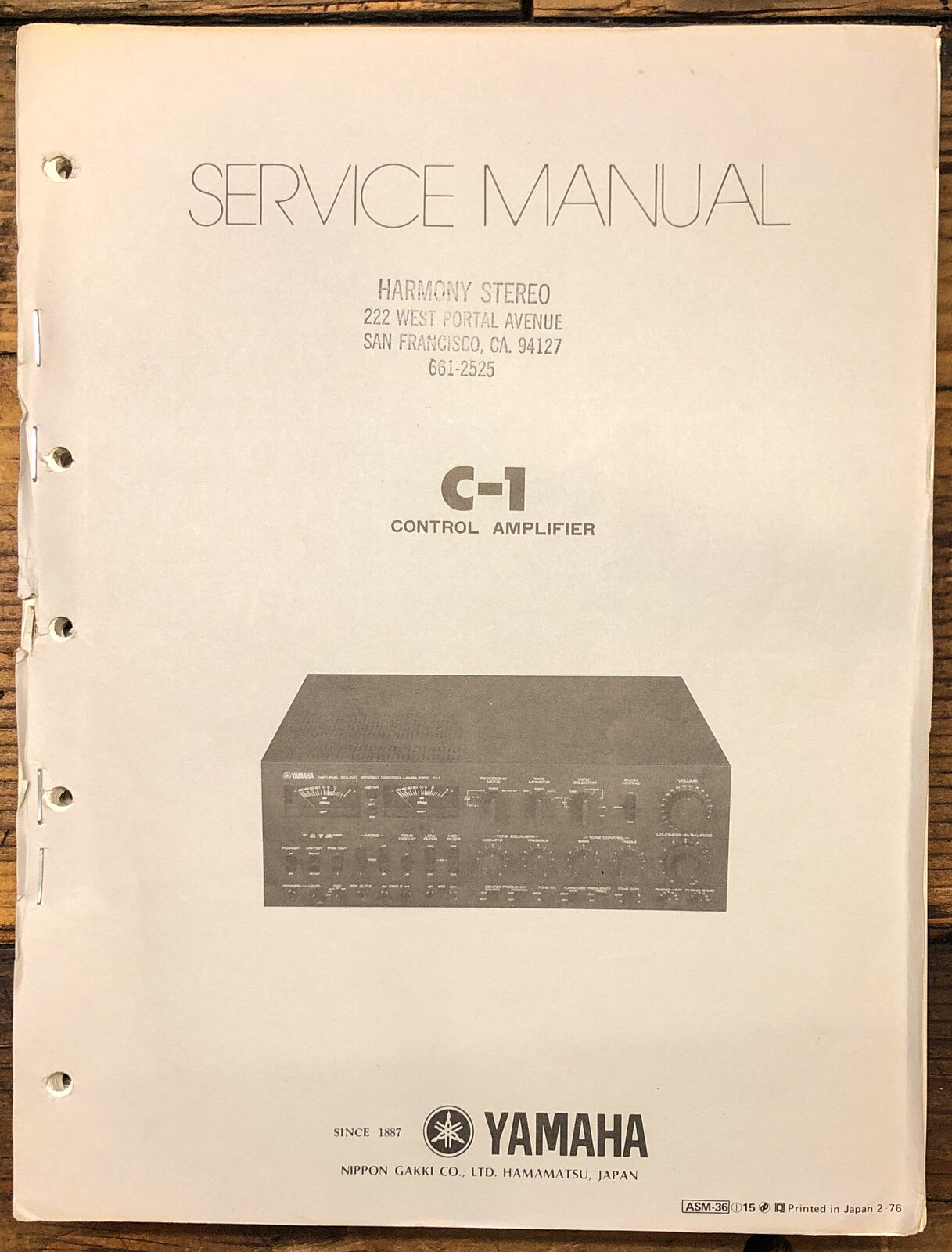
In the golden era of high-fidelity audio during the early 1970s, Yamaha made a bold and artistic statement with the release of the C-1, a vacuum tube preamplifier that stood apart from the company’s otherwise solid-state, engineering-driven lineup. Unlike Yamaha’s more utilitarian receivers and amplifiers of the time, the C-1 was a labor of love—handcrafted, luxurious, and sonically transcendent. Today, it is regarded as one of the most collectible and sonically revered tube preamps ever produced by a major Japanese manufacturer.
Born in 1972, the Yamaha C-1 emerged at a time when audiophiles were deeply divided between the warm, organic sound of vacuum tubes and the emerging precision of transistorized electronics. Yamaha, known primarily for its musical instruments and reliable audio gear, surprised the high-end community by venturing into the boutique tube market with a product that was as much a work of art as it was a piece of audio equipment. The C-1 was not mass-produced; instead, it was assembled in limited numbers with meticulous attention to detail, using premium components and point-to-point hand wiring—hallmarks of true high-end audio craftsmanship.
Technical Specifications
The Yamaha C-1 is a dual-mono, fully balanced, vacuum tube preamplifier designed for the most discerning listeners. It features a completely symmetrical signal path, minimizing phase distortion and preserving stereo imaging with exceptional clarity. Below are its key technical specifications:
| Specification | Detail |
| Model | Yamaha C-1 |
| Year Introduced | 1972 |
| Type | Tube Preamplifier (Dual-Mono, Balanced) |
| Tubes Used | 6 × 6DJ8 / 6922, 2 × 12AX7 / ECC83 |
| Inputs | 4 Line-Level (RCA and XLR) |
| Outputs | 1 Main (RCA and XLR), 1 Tape Loop |
| Frequency Response | 10 Hz – 60 kHz (±1 dB) |
| Total Harmonic Distortion | < 0.1% (1 kHz, rated output) |
| Gain | Approximately 14 dB |
| Impedance | Input: 100 kΩ, Output: 600 Ω |
| Power Supply | Internal linear transformer, regulated |
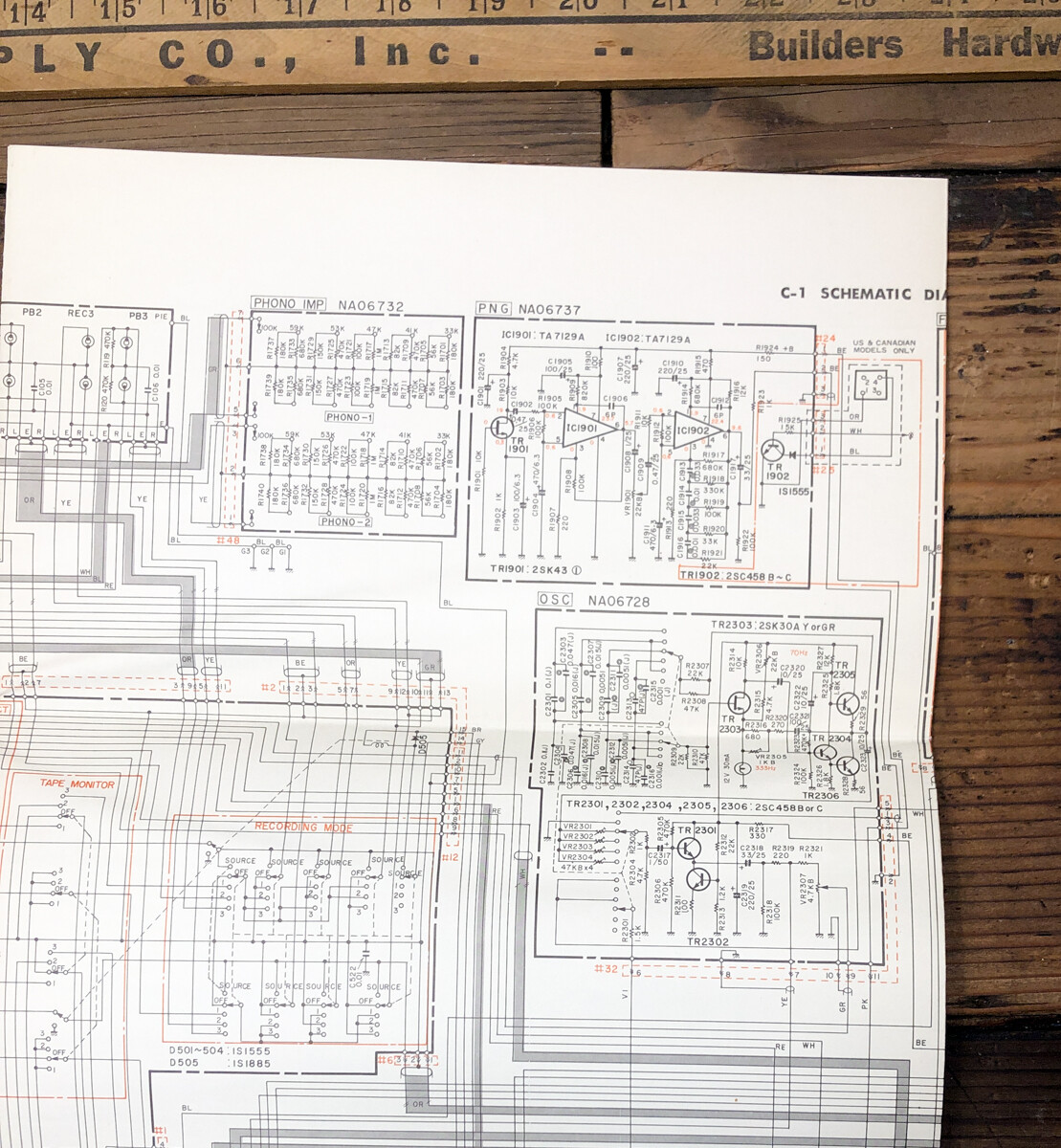
| Construction | Point-to-point hand wiring, turret board |
| Dimensions | 435 mm × 172 mm × 385 mm (W×H×D) |
| Weight | 14.5 kg (32 lbs) |
| Finish | Brushed aluminum front panel, black chassis |
Notably, the C-1 was one of the few preamplifiers of its era to offer both RCA and XLR inputs and outputs as standard, a rare feature that underscored Yamaha’s commitment to professional-grade signal integrity. Its dual-mono design ensured that the left and right channels were electrically isolated, reducing crosstalk and enhancing soundstage depth.
Sound Characteristics and Performance
The sonic signature of the Yamaha C-1 is often described as lush, three-dimensional, and profoundly musical. It delivers a smooth, velvety midrange that breathes life into vocals and acoustic instruments, while maintaining excellent clarity and extension in both the bass and treble regions. The use of high-quality tubes—particularly the 6DJ8 in the output stage—contributes to a low-noise floor and a dynamic, engaging presentation.
One of the C-1’s most celebrated qualities is its ability to render space and ambience with startling realism. Whether reproducing the subtle decay of a piano note or the spatial cues in a live orchestral recording, the C-1 excels at creating a holographic soundstage. Its balanced circuitry and low distortion allow it to pair exceptionally well with both high-efficiency tube power amplifiers and modern solid-state amps, acting as a sonic bridge between eras.
Many owners report that the C-1 imparts a “golden glow” to the music—not colored in an artificial way, but enhanced in emotional resonance. It doesn’t merely reproduce sound; it interprets it with a sense of timing, rhythm, and harmonic completeness that few preamps, vintage or modern, can match.
Notable Features and Innovations
The Yamaha C-1 was ahead of its time in several key areas:
- Dual-Mono Balanced Design: At a time when most preamps were single-ended, the C-1’s fully balanced signal path was a rarity, especially in consumer audio.
- Hand-Wired Construction: Each unit was assembled by skilled technicians using point-to-point wiring, ensuring reliability and signal purity.
- Regulated Power Supply: The internal power supply includes voltage regulation to minimize noise and maintain consistent performance.
- Luxurious Build Quality: The heavy steel chassis, thick aluminum front panel, and high-quality switches and potentiometers reflect a level of fit and finish uncommon in mass-market gear.
- Tube Selection and Matching: Yamaha used carefully selected and matched tubes to ensure optimal performance and longevity.
The C-1 was also marketed as a “reference” preamplifier, intended for critical listening and studio monitoring applications. Its design reflects Yamaha’s deep roots in professional audio and musical instrument manufacturing.
Common Issues and Maintenance
Due to its age, surviving Yamaha C-1 units require careful evaluation and often restoration. Common issues include:
- Tube Wear: The original tubes may be long past their service life. Replacing them with high-quality NOS (New Old Stock) or modern equivalents like the 6922 or ECC88 is essential.
- Capacitor Aging: Electrolytic and coupling capacitors degrade over time and should be replaced by a qualified technician to restore performance and prevent damage.
- Oxidized Controls: Pots and switches can become noisy; cleaning or replacement may be necessary.
- Power Supply Stability: The regulated supply is robust but can drift if capacitors or regulators fail.
Because of its hand-wired construction and high-quality materials, the C-1 is generally reliable when properly maintained. However, repairs should only be attempted by technicians experienced with vintage tube gear, as improper handling can compromise its value and performance.
Current Market Value and Collectibility
The Yamaha C-1 is a highly sought-after collector’s item, with working units commanding prices between $2,500 and $4,500 USD on the secondary market, depending on condition, provenance, and originality. Fully restored examples with documented service history can exceed $5,000. Its rarity, superb sound, and historical significance contribute to its premium status.
Collectors value the C-1 not only for its performance but also as a symbol of Yamaha’s brief yet brilliant foray into high-end tube design. It stands in contrast to the company’s later, more commercially focused products, making it a unique artifact in Yamaha’s audio legacy.
Conclusion and Legacy
The Yamaha C-1 is more than just a preamplifier—it is a statement of artistic intent in an age of technological transition. At a time when the audio world was moving toward solid-state efficiency, Yamaha chose to craft a tube preamp of uncompromising quality, blending Japanese precision with a deeply musical soul.
Today, the C-1 remains a benchmark for vintage tube sound, admired for its balance of warmth, detail, and spatial realism. It is a favorite among audiophiles who value emotional engagement over clinical accuracy. For those lucky enough to own or audition one, the Yamaha C-1 offers a rare glimpse into a moment when music, engineering, and artistry converged in perfect harmony.
If you encounter a Yamaha C-1 in good condition, consider it not just a piece of equipment, but a piece of audio history—a hand-wired masterpiece from the golden age of hi-fi.
eBay Listings


As an eBay Partner, we earn from qualifying purchases. This helps support our independent vintage technology research.
Related Models
- Yamaha HP-1 (1974)
- Yamaha A-1 (1970)
- Yamaha A-1020 (1978)
- Yamaha A-450 (1978)
- Yamaha A-550 (1978)
- Luxman L-530 (1975)
- Luxman R-404 (1975)
- Luxman RV-371 (1975)
- Luxman SQ-38U (1975)
- Luxman T-14 (1972)