UREI LA-22
A dual-channel compressor/limiter/expander with a parametric filter onboard. It is the most flexible dynamics box UREI ever put in a 1U chassis.
Overview
The LA-22 is the flagship of UREI's LA Series. The spec that shows why sits right at the top of the feature list: a fully parametric filter system, center frequency continuously variable from 20 Hz to 20 kHz, with Q adjustable from as narrow as 1/6 octave to as wide as 2-1/2 octaves. That filter can be routed to the side chain. So the LA-22 can gain-reduce or expand only a slice of the spectrum and leave the rest of the signal alone. The manual calls the result "spectral agility." In gain reduction mode it makes the unit an unusually surgical de-esser and a precise feedback suppressor. In expansion mode it can pull a single instrument or a vocal range forward out of a mix. Rear-panel barrier strips expose the parametric filters, so they can also be run as single-channel independent equalizers or fed to the side chain for frequency-dependent control of the full-bandwidth signal.
The second trick is a front-panel pushbutton that flips the LA-22 from a gain-reduction system into a dynamic gain expander. Very few units of this type offer both directions. The expander switch plus the parametric filter is what UREI meant by calling the LA-22 "the most flexible device of its type."
Under the hood, the LA-22 is built around three separate gain-reduction circuits - Peak, Average, and Peak Output Ceiling limiting - with front-panel control over Threshold, detector mode, Attack, Release, Ratio, and Output Level. Ratios are continuously adjustable from 1.5:1 to infinity:1, and the manual's "Smart-Slope" branding covers that range. Turn the Ratio control fully counter-clockwise and an Auto function takes over. It sets compression ratio and peak/average behavior to factory presets for fast setup. Two high-visibility LED displays show input/output level and gain reduction.
The published specs are respectable for the class. Attack times run 1-50 ms on the average detectors, ≤100 µs on the peak detectors, and 50 µs on the output peak limiters. Release runs 100 ms - 5 s for 10 dB of release on the average detectors, 10 ms on the peak detectors, and 40 ms on the output peak limiters. Threshold of limiting/expansion is adjustable from -40 dBu to Off. Frequency response is quoted at ±0.2 dB from 20 Hz - 20 kHz in wideband mode and ±0.5 dB over the same range in narrowband mode. Gain is nominally 0 dB, adjustable from +20 dB to -20 dB via the front-panel output level controls. Maximum input level is +24 dBu (12.3 V RMS), and maximum output is +24 dBu into 600 ohms, with a rated output level of +4 dBu (1.22 V RMS). Input impedance is 40 kΩ balanced / 20 kΩ unbalanced. The differential detector input is 100 kΩ balanced / 50 kΩ unbalanced. Output impedance is under 75 ohms. Common-mode rejection is ≥60 dB at 1 kHz and ≥40 dB at 10 kHz. Channel separation is ≥85 dB at 1 kHz and ≥60 dB at 10 kHz. THD is quoted at 0.05% maximum at 1 kHz at +24 dBu in/out below threshold, and 0.02% maximum at 0 dBu input with 0 dB gain, measured over a 22 Hz - 30 kHz test bandwidth. Signal-to-noise is 110 dBA with a 22 kHz A-weighted noise bandwidth, and dynamic range is under 115 dB.
The output stage gets its own mention. UREI used real transformers integrated with a patented active circuit, a combination the manual claims virtually eliminates the distortion and saturation usually associated with transformer output stages. Inputs and outputs are transformer-isolated and symmetrical floating, on XLR type 3-pin connectors (pin 2 high) and barrier strips. The link function is on a barrier strip, as are the limiting detector connections.
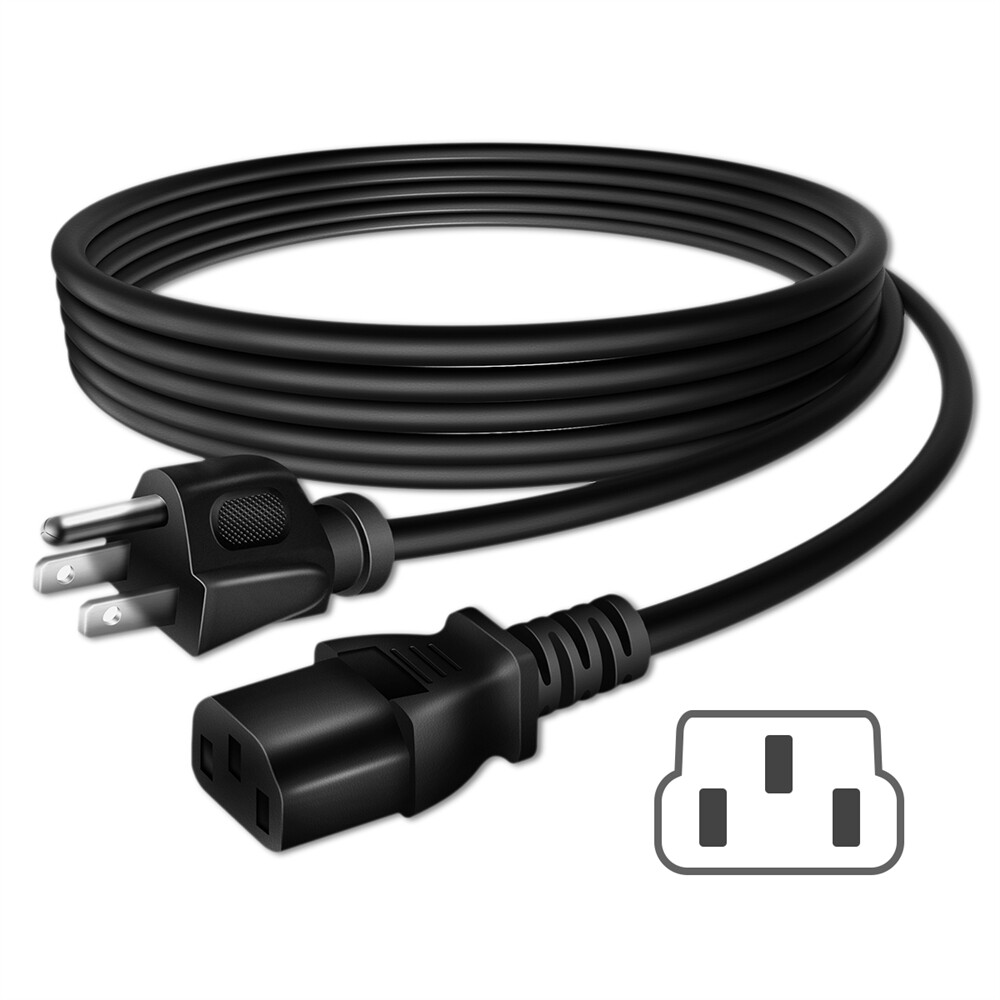
It's a compact 1U rack chassis: 10.8" deep, 1.719" high, 17" chassis width with a 19" overall panel. Depth in rack is 10.25". Net weight is 8.6 lb., shipping 10 lb. AC power is 100-120/220-240 V AC, 50-60 Hz, 30 W maximum, via a detachable IEC-type line cord. Finish is powdercoated black. The standard accessory across the LA Series is a security cover, Part No. SC8. The LA-22's own parts list includes a rack screw kit, a user manual, spare fuses, and the security cover.
It's a rack piece, not a desktop toy, and the metal enclosure and transformer-isolated I/O say as much. Standard fusing is two 1/2A slow-blow 250V fuses plus one 1/4A slow-blow 250V fuse, all 5 x 20 mm.
The LA-22 sits at the top of a three-model family. The LA-10, LA-12, and LA-22 "share virtually identical performance characteristics and differ only in terms of number of channels and features," per UREI's own literature. The LA-22's extra features are the expander mode and the parametric filter. UREI's marketing for the series leaned hard on the brand's studio pedigree. The company's ad copy claimed it was difficult to find a recording or broadcast studio that did not own at least one UREI compressor/limiter, and that engineers in sound reinforcement and installed sound had long treated the products as vital links in the chain. That's advertising, not an independent verdict. It does show how the LA Series was positioned at launch: as the modern continuation of a two-decade studio-standard lineage, aimed at recording, broadcast, installed sound, and sound reinforcement alike. Sound and Communication (May 1992, p.11) ran the same "Backed by Popular Demand" campaign copy, which is the closest thing to a period reception record for this model in the available sources.
The manual is plain about what the LA-22 is for: controlling audio signal levels automatically, in real time, to keep limited-dynamic-range gear from overloading, tape recorders (especially digital ones) among them, or to tame the wild level swings of a vocal performance. Narrowband mode is the specialty: de-essing, de-popping vocals, or expanding a particular instrument out of a mix. UREI itself concedes there are too many other uses to list.
Internally, the LA-22 is organized into nine sections: input buffer, VCA, parametric filter, side chain (with RMS and peak subsections and Auto mode), output limiter (a fast peak limiter), balanced transformer-isolated output amplifier, signal level and gain change display section, automatic link mode disable circuit, and power supply with turn-on delay. The input buffer uses a trimpot adjustment for maximum common-mode rejection, and the gain of that stage is fixed at -1.6 dBr.
The interaction between the detector mode, the parametric filter, and the side chain routing is where the unit's reputation for surgical control comes from. Front-panel controls cover the basics. The rear barrier strips are where the interesting routing lives.
eBay Listings


As an eBay Partner, we earn from qualifying purchases. This helps support our independent vintage technology research.