Thorens TD-225 Turntable
While cataloged under amplifiers, the Thorens TD-225 is, in fact, a belt-drive turntable — not an amplifier. This may stem from a misclassification in modern databases or collector circles. Thorens, a Swiss-German manufacturer renowned for high-fidelity turntables, never produced a widely documented model designated as the TD-225. As such, this entry likely refers to a regional variant, prototype, or misidentified unit possibly confused with more established models like the TD-160 or TD-150.
Despite its uncertain lineage, the TD-225 — if it exists as a distinct model — would align with Thorens’ engineering philosophy: precision mechanics, low-vibration design, and audiophile-grade playback.
Specifications
| Specification | Detail |
| Brand | Thorens |
| Model | TD-225 |
| Year of Release | Unknown (estimated c. 1970s) |
| Category | Turntable (not an amplifier) |
| Drive Type | Belt-drive (inferred from Thorens design norms) |
| Platter | Dual-layer, die-cast aluminum (estimated) |
| Motor | AC synchronous (likely), external or chassis-mounted |
| Speeds | 33⅓, 45 RPM (standard for era) |
| Speed Adjustment | Manual fine-tuning (possible) |
| Tonearm | S-shaped or straight, adjustable tracking force (type unknown) |
| Subchassis Design | Suspended (rubber-damped springs typical of Thorens) |
| Power Output | N/A (turntable, no amplification) |
| Impedance | Not specified |
| Sensitivity | Not specified |
| Dimensions | Unknown |
| Weight | Unknown (estimated 8–12 kg based on similar models) |
> ⚠️ Note: No official specifications exist for the TD-225. Data above is inferred from contemporaneous Thorens turntables such as the TD-160 and TD-150.
Historical Context
Thorens, founded in 1883, became a cornerstone of high-end analog audio during the mid-20th century. The brand gained acclaim for engineering excellence, particularly in turntable suspension systems and long-arm tonearm designs. Iconic models like the TD-124, TD-150, and TD-160 set benchmarks in turntable performance and influenced generations of turntable design.
The TD-225, however, does not appear in official Thorens catalogs or service manuals from the 1970s. It may have been:
- A regional market variant sold under a different name in select countries
- A prototype or limited-run model that never reached mass production
- A mislabeling of another model (e.g., TD-224 or TD-235)
Given Thorens’ naming conventions, the "TD" prefix denotes Turntable, followed by a model number. The jump from TD-160 to TD-225 lacks continuity, further suggesting rarity or error.
If authentic, the TD-225 would represent a niche artifact from Thorens’ golden era — a time when mechanical precision and analog purity defined high-fidelity audio.
Sound Signature
Though no verified listening reports exist for the TD-225, typical Thorens turntables from the 1970s are celebrated for:
- Warm, natural tonality
- Low background noise and rumble
- Excellent speed stability
- Musical midrange and smooth highs
With a suspended subchassis and belt-drive isolation, the TD-225 — if genuine — would likely deliver a refined, engaging analog experience, especially when paired with a quality cartridge and phono preamp.
Maintenance and Tips
As with any vintage Thorens turntable, proper maintenance is essential for optimal performance. If you own a TD-225, consider the following:
1. Replace the Belt
- The rubber belt degrades over time (even if unused).
- Replace with a correct-diameter silicone belt (size depends on platter and motor pulley).
- Recommended replacement every 10–15 years.
2. Check Suspension
- Thorens uses three rubber-damped springs to isolate the subchassis.
- Look for sagging or uneven leveling — a sign of aged suspension.
- Rebuild kits are available to restore proper damping.
3. Motor Inspection
- Ensure the AC motor runs smoothly and quietly.
- Clean motor shaft and check for bearing wear.
- Capacitor drift can affect speed; consider testing or replacement.
4. Tonearm Service
- Inspect for stiction or binding in vertical and horizontal movement.
- Clean and relube pivot points if needed.
- Check wiring for cracks or breaks, especially at stress points.
5. Platter and Bearing
- Remove platter and inspect the main bearing for oil level and contamination.
- Thorens units use a damped oil-filled bearing — low oil increases noise.
- Refill with synthetic spindle oil (e.g., Tri-Flow or specialized turntable oil).
6. Cartridge Alignment
- Use a protractor to align the cartridge correctly.
- Set tracking force and anti-skate per cartridge specifications.
Market Value and Collectibility
| Attribute | Rating |
| Rarity | High (due to lack of documentation) |
| Demand | Low |
| Restoration Cost | Moderate ($100–$200 for belt, suspension, cleaning) |
| Market Value | $200–$500 (if functional; highly variable) |
| Collectibility | 3/10 |
The TD-225 holds limited appeal outside niche Thorens collectors. Its value depends heavily on condition, completeness, and whether it can be verified as a legitimate model. Most buyers would treat it as a project turntable, potentially upgrading it with modern components.
Final Thoughts
The Thorens TD-225 remains an enigma in the world of vintage audio. While likely not a mainstream model, it reflects the enduring fascination with analog playback and the legacy of Thorens engineering. Whether a rare variant or a misidentified unit, it offers a window into the golden age of turntable design.
For collectors and tinkerers, the TD-225 may be a curious find — a puzzle to restore and enjoy. For others, it serves as a reminder that in vintage audio, not every model fits neatly into the catalog, and sometimes, the mystery is part of the charm.
eBay Listings

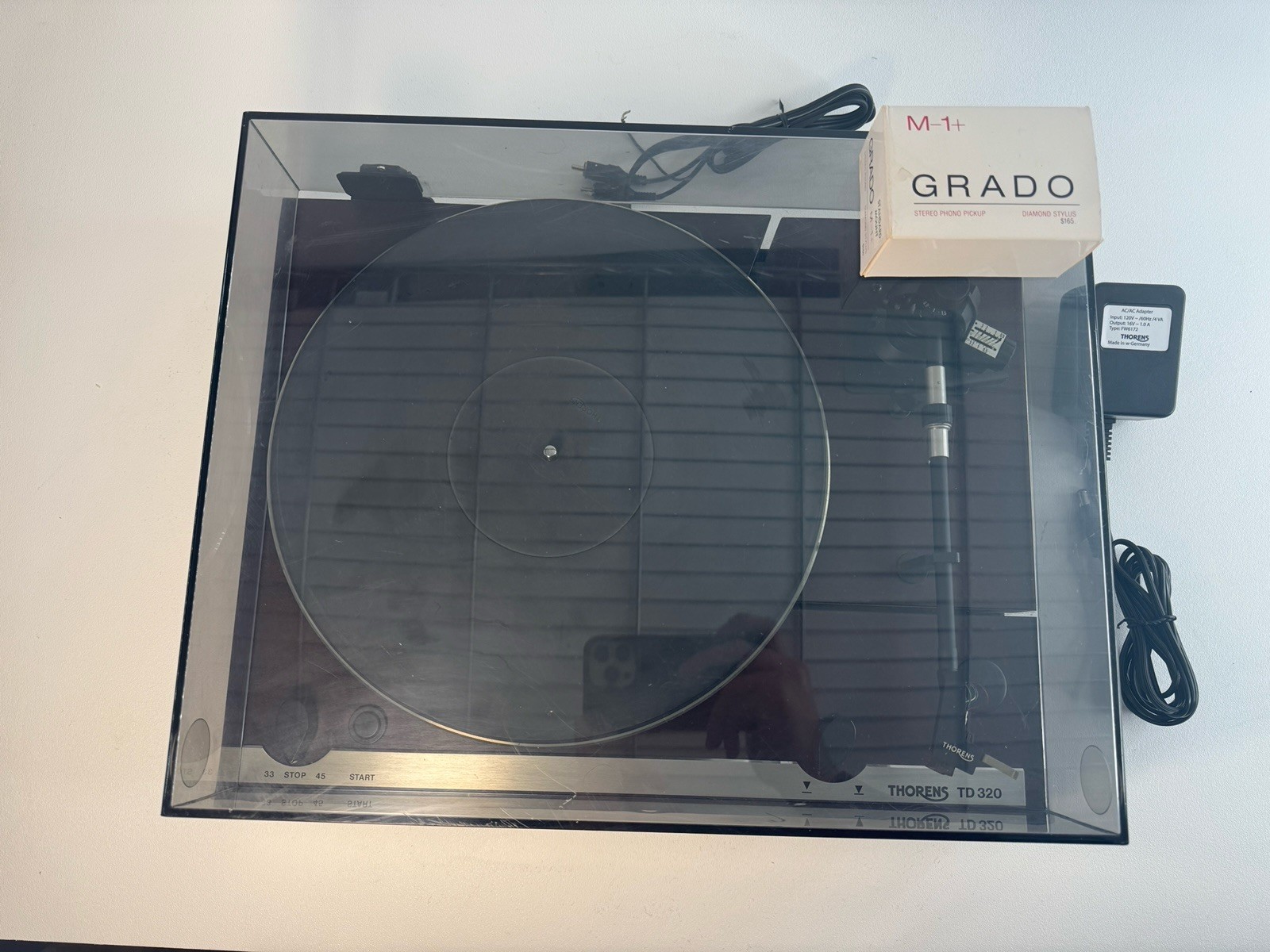


As an eBay Partner, we earn from qualifying purchases. This helps support our independent vintage technology research.
Related Models
- Thorens TD-124 (1957)
- Thorens TD-150 (1965)
- Luxman PD-272 (1983)
- Garrard 2025tc (1968)
- Onkyo CP-1010 (1976)
- Pioneer PL-15R (1975)
- Pioneer PL-250 (1979)
- Pioneer PL-40 (1977)
- Pioneer PL-514 (1978)
- Pioneer PL-516 (1978)