Teac CX-350: The Precision Cassette Noise Reduction Processor
In the early 1980s, as the compact cassette fought to be taken seriously as a high-fidelity audio format, manufacturers raced to overcome its inherent limitations—most notably tape hiss, limited frequency response, and inconsistent playback quality. While many companies focused on improving tape formulations and deck mechanics, Teac took a different approach with the CX-350, a dedicated cassette noise reduction and calibration processor designed to elevate the fidelity of analog tape recordings. Though not a deck, amplifier, or tuner, the CX-350 occupies a unique and fascinating niche in vintage audio history as a tool for audiophiles, engineers, and tape enthusiasts who demanded the best possible sound from the cassette medium.
Released in 1982, the CX-350 was part of Teac’s broader commitment to precision analog audio engineering during a period when the company was producing some of the most respected cassette decks and studio gear of the era. Unlike consumer-grade Dolby noise reduction systems built into cassette decks, the CX-350 was a standalone, professional-grade processor designed to apply and decode the CX (Companded eXpansion) noise reduction system, a technology developed by CBS and later adopted by Teac and other high-end manufacturers.
Technical Specifications
| Specification | Detail |
| Model | Teac CX-350 |
| Year of Release | 1982 |
| Type | Cassette Noise Reduction & Calibration Processor |
| Noise Reduction System | CX (CBS) Companded Expansion |
| Input Level | Line-level (RCA) |
| Output Level | Line-level (RCA) |
| Frequency Response | 20Hz – 20kHz (±0.5dB) |
| Signal-to-Noise Ratio | >80dB (with CX-encoded tape) |
| Total Harmonic Distortion | <0.05% |
| Power Supply | External AC adapter (12V DC) |
| Dimensions (W×H×D) | 430 × 100 × 290 mm |
| Weight | 4.1 kg |
| Accessories | Calibration tape, test oscillator, manual |
Sound Characteristics and Performance
The Teac CX-350 was engineered for transparency and precision. Its primary function was to decode CX-encoded cassette tapes, a dynamic range compression/expansion system that could reduce background hiss by up to 20dB without the pumping artifacts often associated with earlier noise reduction schemes. When used with properly encoded tapes—typically high-quality pre-recorded cassettes or recordings made on CX-compatible decks—the CX-350 restored the original dynamic range with remarkable accuracy.
What set the CX-350 apart was its calibration capability. It included a built-in test oscillator and was designed to work with a special calibration tape, allowing users to align their cassette decks for optimal azimuth, level, and frequency response. This made the CX-350 not just a playback enhancer, but a critical tool for tape alignment and system optimization. For serious cassette users, this meant the difference between a good copy and a near-CD-quality analog reproduction.
Sonically, the CX-350 delivered a clean, neutral tonal balance. It didn’t color the sound—its job was to remove noise and restore dynamics without adding warmth or brightness. When properly used, tapes played through the CX-350 revealed tighter bass, extended highs, and a noticeably quieter noise floor. The result was a listening experience that could rival early digital formats, especially when paired with high-grade Type II or Type IV tapes.
Notable Features and Innovations
The CX-350 was packed with features that reflected Teac’s engineering excellence:
- CX Decoding Circuitry: Utilized precision VCA (Voltage Controlled Amplifier) stages to expand the dynamic range of CX-encoded tapes with minimal distortion.
- Built-in Oscillator: Generated precise test tones (100Hz, 400Hz, 1kHz, 10kHz) for calibrating cassette decks.
- Calibration Mode: Allowed users to connect the CX-350 directly to a tape deck’s record/playback loop for azimuth and level adjustment.
- Dual VU Meters: Provided real-time monitoring of left and right channel levels during playback and calibration.
- High-Quality Construction: Featured a rigid steel chassis, gold-plated RCA jacks, and a sleek, minimalist front panel with blue LED indicators—hallmarks of Teac’s high-end gear.
Perhaps most innovative was the system integration the CX-350 enabled. It wasn’t meant to stand alone; it was part of a larger ecosystem. When paired with Teac’s top-tier cassette decks like the A-3340S or CD-R850, the CX-350 formed the heart of a professional-grade analog tape setup, capable of producing archival-quality recordings and playback.
Common Issues and Maintenance
As with any 40-year-old electronic device, the Teac CX-350 requires careful attention to remain in working order. Common issues include:
- Capacitor Aging: The electrolytic capacitors in the power supply and signal path may have dried out, leading to hum, noise, or channel imbalance. A full recap is often recommended for long-term reliability.
- Dirty Switches and Pots: The front panel switches and internal relays can accumulate oxidation, causing intermittent operation. Regular contact cleaning with deoxit is advised.
- Worn RCA Jacks: Frequent plugging and unplugging can loosen the RCA connectors. Reinforcement or replacement may be necessary.
- Oscillator Drift: The internal test oscillator may drift over time, affecting calibration accuracy. This can usually be corrected with a trimmer adjustment by a qualified technician.
Despite these potential issues, the CX-350 is generally robust. Its modular design and high-quality components mean that with proper care, it can continue to perform as intended. Replacement parts, including the original AC adapter, are still available through vintage audio specialists and online marketplaces.
Current Market Value and Collectibility
The Teac CX-350 is a rare and sought-after unit among cassette and analog audio enthusiasts. While not as widely known as some of Teac’s iconic tape decks, it holds a cult status among those who appreciate the technical depth of analog tape engineering.
As of 2024, a fully functional CX-350 in good cosmetic condition typically sells for $300–$500, with prices rising for units that include the original calibration tape, test oscillator documentation, and accessories. Units that have been professionally serviced command a premium, especially when sold with matching Teac decks.
Its collectibility stems from its unique function and historical significance. The CX-350 represents a moment when the cassette format was pushed to its technical limits, and manufacturers like Teac were serious about making it a viable high-fidelity medium. For collectors of vintage test equipment, analog processors, or Teac gear, the CX-350 is a prized addition.
Conclusion and Legacy
The Teac CX-350 is more than just a noise reduction box—it’s a testament to the golden age of analog audio engineering. At a time when many were writing off the cassette as a low-fi format, Teac invested in technologies that proved otherwise. The CX-350 was a tool for perfectionists, a bridge between consumer and professional audio, and a symbol of what was possible with careful design and attention to detail.
Today, it serves as a reminder that high fidelity isn’t just about the source or the speakers—it’s about the entire signal chain. For vintage audio enthusiasts, restoring and using a CX-350 is a journey into the meticulous world of analog tape calibration, where every decibel of noise reduction and every fraction of a dB in frequency response mattered.
If you’re building a vintage cassette setup or exploring the outer limits of analog tape performance, the Teac CX-350 is not just a curiosity—it’s a functional piece of audio history that still has something valuable to offer.
eBay Listings


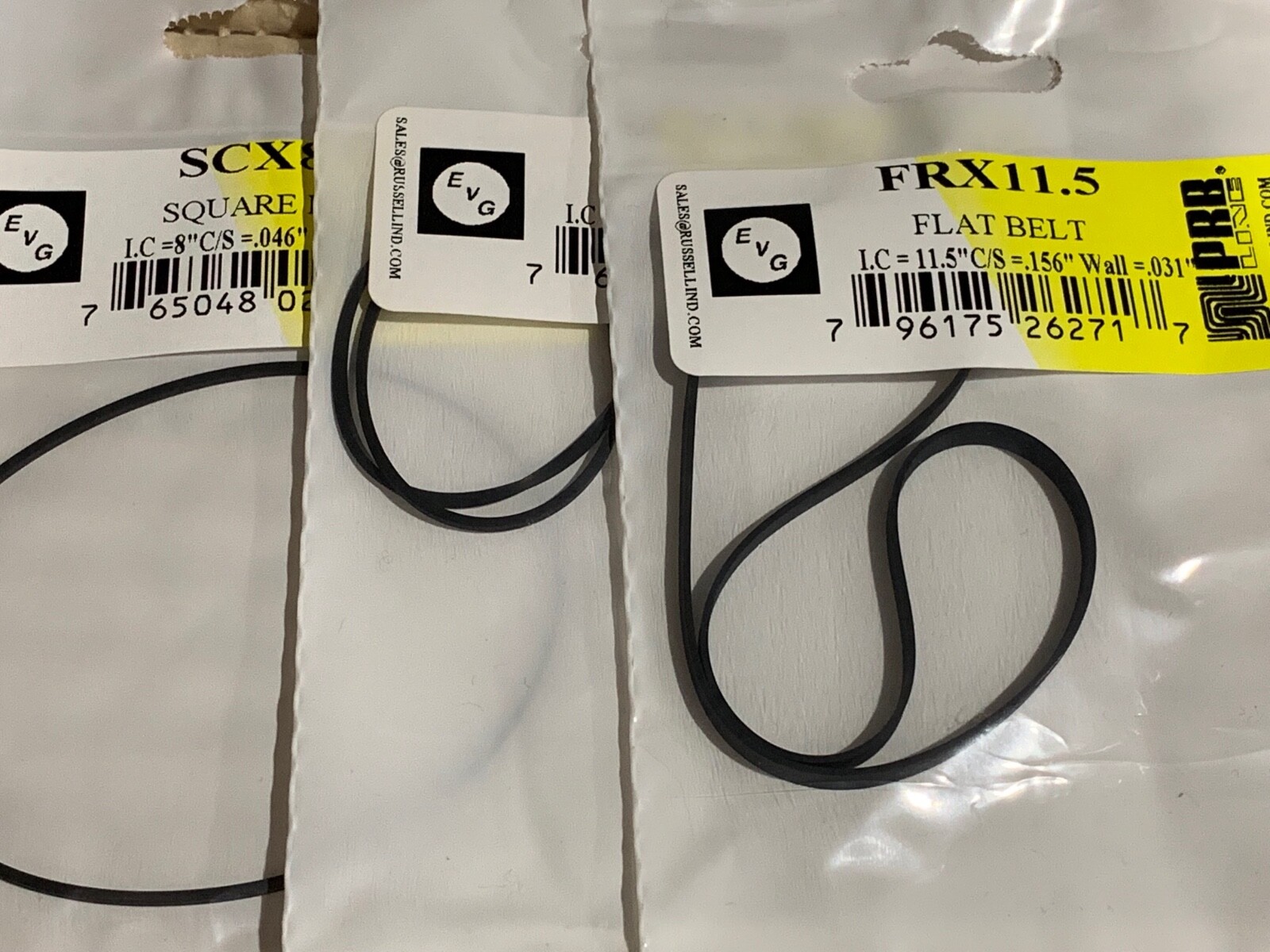
As an eBay Partner, we earn from qualifying purchases. This helps support our independent vintage technology research.
Related Models
- Teac A-6700DX (1980)
- Teac A-105 (1975)
- Teac A-106 (1975)
- Teac A-170 (1976)
- Teac A-2300 (1978)
- Sony TC-2050SD (1978)
- Aiwa AD-F990 (1993)
- Kenwood KX-3060 (1982)
- Sony TC-2130A (1974)
- Sony TC-2220 (1972)