Teac A-7300-2T: The Quiet Giant of Reel-to-Reel Excellence
In the golden era of analog audio, when fidelity was measured in tape hiss and wow/flutter, Teac stood as a beacon of precision engineering and accessible high-end sound. Among their most revered creations was the A-7300-2T, a dual-capstan, 1/4-inch stereo reel-to-reel tape recorder that represented the pinnacle of Teac’s professional and semi-professional lineup in the late 1970s. Though not as widely celebrated as some of its contemporaries from Studer or Revox, the A-7300-2T carved out a loyal following among audiophiles, home recording enthusiasts, and broadcast engineers who valued its exceptional build quality, sonic transparency, and mechanical reliability.
Introduced in 1979, the A-7300-2T was part of Teac’s elite A-7000 series, a line that bridged the gap between consumer convenience and professional-grade performance. While many manufacturers were beginning to shift focus toward cassette-based systems, Teac doubled down on reel-to-reel technology, refining it to near perfection. The “2T” in the model name denotes its two-track stereo capability, and it was designed primarily for high-fidelity music reproduction and master-quality recording.
Technical Specifications
The A-7300-2T was engineered with meticulous attention to detail, featuring a robust chassis, precision transport, and advanced electronics for its time. Below is a breakdown of its key technical specifications:
| Specification | Detail |
| Format | 1/4-inch open reel, 2-track stereo |
| Tape Speeds | 7.5, 15 ips (inches per second) |
| Heads | Separate record, playback, and erase heads |
| Capstan System | Dual-capstan, direct-drive |
| Motors | Three direct-drive DC motors |
| Frequency Response | 20Hz – 20kHz (±2dB at 15 ips) |
| Wow and Flutter | < 0.05% WRMS (15 ips) |
| Signal-to-Noise Ratio | > 65dB (Dolby B/C compatible) |
| Input/Output | Line in/out (RCA and XLR), mic in (XLR) |
| Equalization | 120µs, 180µs, 250µs (switchable) |
| Recording Bias | Adjustable front-panel controls |
| Power Requirement | 120V AC, 60Hz (110–127V compatible) |
| Dimensions | 445 mm (W) × 155 mm (H) × 370 mm (D) |
| Weight | 15.5 kg (34.2 lbs) |
One of the standout features of the A-7300-2T was its dual-capstan transport system, a design typically reserved for high-end studio recorders. Unlike single-capstan decks that rely on a pinch roller, the dual-capstan setup uses two precision-machined capstans with tape wrapped around them in a “S” path, eliminating slippage and ensuring exceptional tape-to-head contact. This results in ultra-low wow and flutter and superior speed stability—critical for accurate pitch reproduction and tight stereo imaging.
Sound Characteristics and Performance
The A-7300-2T delivers a sound signature that audiophiles describe as neutral, detailed, and dynamically expressive. Its separate heads allow for independent optimization of record and playback functions, enabling users to fine-tune azimuth, height, and pressure for maximum fidelity. The use of permalloy or sendust heads (depending on configuration) ensures excellent high-frequency extension and low distortion.
At 15 inches per second (ips), the A-7300-2T achieves a frequency response that rivals many studio decks of the era, with a smooth roll-off beyond 20kHz and deep, controlled bass. The signal-to-noise ratio is impressive for an analog tape machine, especially when paired with Dolby B or C noise reduction—though purists often prefer to run the deck in "flat" mode for a more natural sound.
Its dual-capstan system contributes significantly to its sonic precision. By minimizing tape slip and maintaining consistent tension, the A-7300-2T avoids the subtle timing variations that can blur transients on lesser machines. The result is a tight, focused soundstage with excellent instrument separation and spatial depth—ideal for classical, jazz, and acoustic recordings.
Notable Features and Innovations
The A-7300-2T was packed with features that set it apart from typical consumer reel-to-reel decks:
- Independent Record and Playback Heads: Allows for precise alignment and monitoring of recorded signal without degradation.
- Front-Panel Bias and Level Calibration: Enables users to optimize recording levels for different tape types (e.g., ferric, chrome).
- Selectable EQ Curves: Supports different tape formulations via switchable time constants (120µs for modern tapes, 180µs for older formulations).
- Direct-Drive Motors: Eliminate belt slippage and provide instant start-up and consistent speed.
- Professional I/O: Balanced XLR and unbalanced RCA connections make it suitable for integration into studio or high-end home systems.
- Tachometer Speed Control: Ensures accurate tape speed via electronic feedback.
These features made the A-7300-2T not just a playback machine, but a serious tool for mastering, archiving, and high-resolution recording—capable of producing tapes that could rival commercial pressings in quality.
Common Issues and Maintenance
Like all vintage reel-to-reel machines, the A-7300-2T requires regular maintenance to perform at its best. Common issues include:
- Deteriorated Rubber Components: Idler tires, pressure pads, and tape lifters may need replacement after decades of use.
- Dirty or Worn Heads: Accumulated oxide buildup can degrade sound quality; periodic cleaning with isopropyl alcohol is essential.
- Lubrication of Transport Mechanism: Dry gears and bearings can cause noise or uneven tape travel.
- Capacitor Aging: The power supply and audio circuits may require recapping to restore reliability and prevent hum.
Because of its professional build, however, the A-7300-2T is generally more durable than consumer models. Its metal chassis, precision-machined transport, and high-quality components mean that with proper care, it can operate reliably for decades. Parts and service documentation are still available through vintage audio forums and specialty repair shops, making restoration feasible.
Current Market Value and Collectibility
The Teac A-7300-2T is not as common on the vintage market as some of its competitors, which contributes to its appeal among collectors. Units in good working condition typically sell for $800 to $1,500, depending on condition, completeness, and provenance. Fully restored models with documented service history can command higher prices, especially when bundled with original manuals and accessories.
While it may not have the name recognition of a Revox B77 or a Studer A80, the A-7300-2T is increasingly recognized as a sleeper classic—a machine that delivers 90% of the performance of six-figure studio decks at a fraction of the cost. Its appeal lies in its understated elegance, mechanical sophistication, and the sheer joy of analog tape recording in its purest form.
Conclusion and Legacy
The Teac A-7300-2T stands as a testament to a time when engineering excellence was married to musical passion. It was built for those who demanded more than convenience—they sought truth in sound. Though reel-to-reel recording has long since been eclipsed by digital formats, machines like the A-7300-2T continue to thrive in niche communities of analog enthusiasts, archivists, and musicians who value the warmth, depth, and tactile experience of tape.
More than just a recorder, the A-7300-2T is a piece of audio history—a precision instrument that captures the soul of analog at its finest. For those willing to invest the time in maintenance and alignment, it offers a listening experience that few modern devices can match. In the world of vintage audio, where legend often overshadows substance, the Teac A-7300-2T quietly proves that sometimes, the best gear speaks for itself—through flawless performance and enduring craftsmanship.
eBay Listings


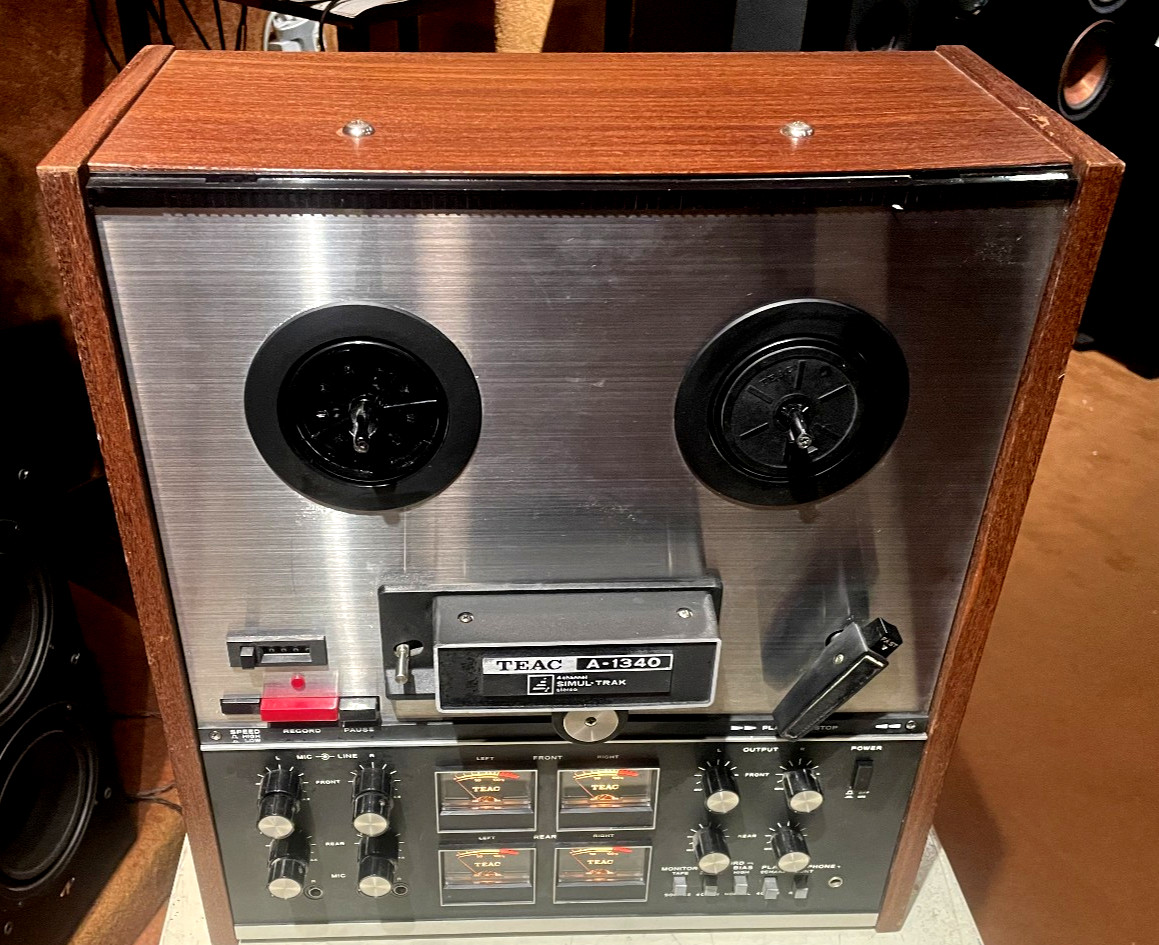
As an eBay Partner, we earn from qualifying purchases. This helps support our independent vintage technology research.
Related Models
- Teac A-2340R (1975)
- Teac V-30 (1975)
- Teac W-416 (1975)
- Teac A-108-SYNC (1978)
- Teac A-110 (1978)
- Akai AM-2850 (1975)
- Akai AP-206 (1975)
- Nakamichi BX-1 (1985)
- Acoustic Research research-ar-17 (1978)
- Acoustic Research AR-19 (1994)