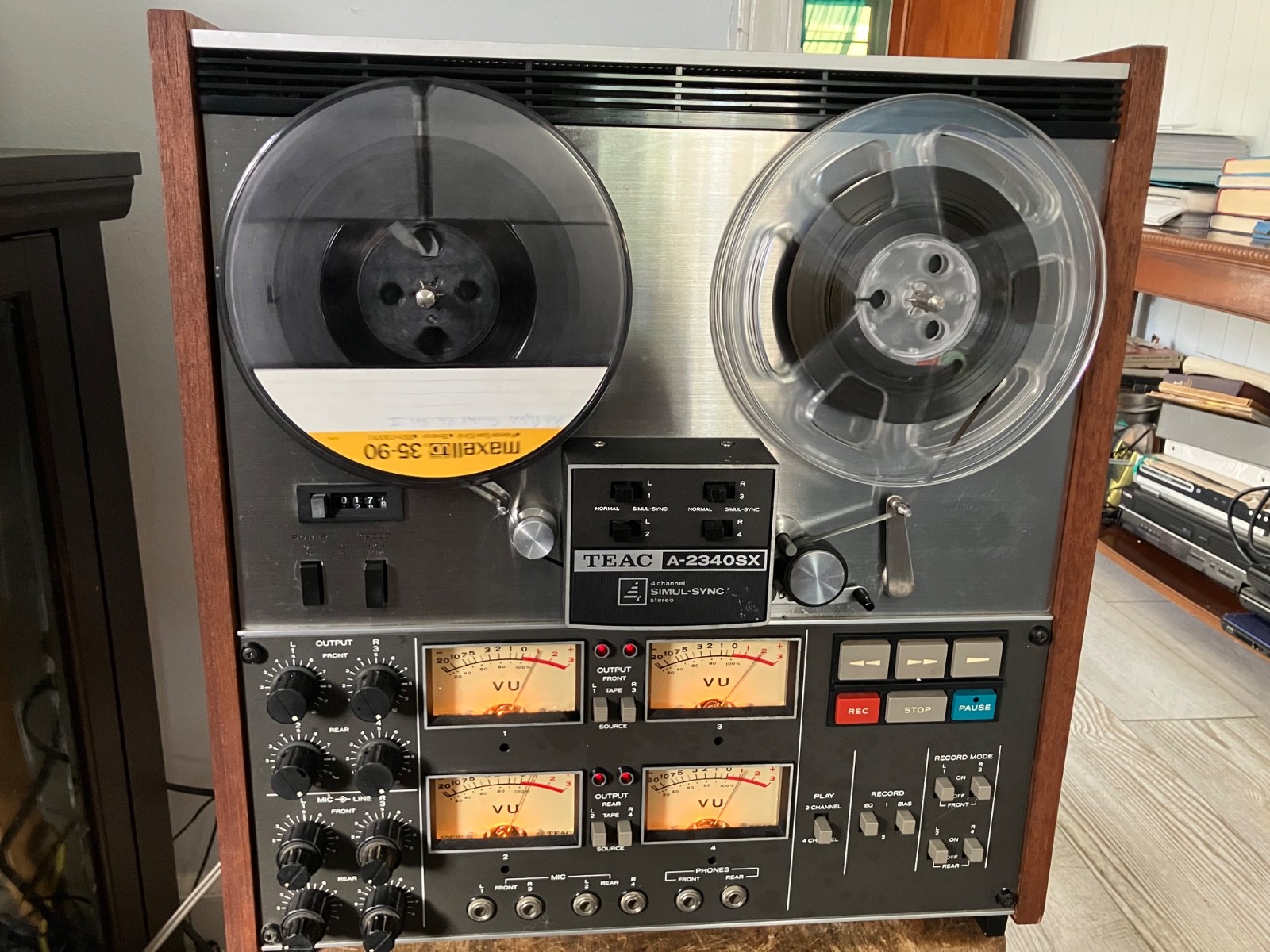
Teac A-2340SX: Precision in Motion – A Vintage Cassette Deck Classic
In the mid-1970s, as high-fidelity audio reached new heights, cassette technology was undergoing a quiet revolution. Once dismissed as a medium for voice recording and portable convenience, the compact cassette began to earn respect among audiophiles—thanks in large part to Japanese manufacturers like Teac, who pushed the boundaries of what magnetic tape could achieve. Among their most respected offerings of the era was the Teac A-2340SX, a dual-capstan cassette deck that exemplified Teac’s commitment to precision engineering, durability, and musical fidelity.
Though not as widely documented as some of its contemporaries, the A-2340SX occupies a special place in the hearts of cassette enthusiasts and vintage audio collectors. Released in 1975, it arrived during a pivotal moment when manufacturers were refining tape transport mechanics, bias calibration, and Dolby noise reduction to deliver near-reel-to-reel sound quality from a compact format. The A-2340SX was part of Teac’s professional-leaning lineup, designed for critical listening, accurate duplication, and long-term reliability.
Technical Specifications
The A-2340SX was engineered with a focus on mechanical stability and signal purity. While full service manuals and brochures are scarce today, surviving units and user reports confirm its high-end construction and thoughtful design.
| Specification | Detail |
| Model | Teac A-2340SX |
| Year of Release | 1975 |
| Format | Compact Cassette |
| Playback/Recording System | 2-track, 2-channel stereo |
| Tape Speed | 1⅞ ips (4.76 cm/s) |
| Heads | Separate record, playback, and erase heads (ferrite) |
| Transport Mechanism | Dual capstan, direct-drive with free-running pinch roller |
| Motor Type | Dual direct-drive DC servos |
| Wow and Flutter | < 0.08% (weighted RMS) |
| Frequency Response | 30 Hz – 18 kHz (with CrO₂ tape, Dolby B) |
| Signal-to-Noise Ratio | > 60 dB (Dolby B on) |
| Total Harmonic Distortion | < 1.5% |
| Input Level | 200 mV (line in) |
| Output Level | 150 mV (line out) |
| Input Impedance | 50 kΩ |
| Output Impedance | 10 kΩ |
| Noise Reduction | Dolby B |
| Tape Types Supported | Type I (Normal), Type II (CrO₂) |
| Bias/Equalization Switching | Manual (front panel toggle) |
| Power Requirements | 120V AC, 60 Hz (North American models) |
| Power Consumption | 25W |
| Dimensions (W×H×D) | 440 × 145 × 330 mm (17.3 × 5.7 × 13 in) |
| Weight | 11.5 kg (25.3 lbs) |
Sound Characteristics and Performance
The Teac A-2340SX was built for accuracy, not coloration. Unlike some cassette decks that leaned into a warm or "tubey" sound, the A-2340SX aimed for transparency—delivering a clean, balanced, and detailed presentation that let the source material speak for itself.
Equipped with separate record and playback heads, the A-2340SX avoided the compromises of combined head designs, ensuring optimal alignment and minimal crosstalk. The dual-capstan transport system—a hallmark of high-end decks—eliminated tape flutter and provided exceptional speed stability. This was critical for maintaining pitch accuracy and preserving the integrity of high-frequency transients.
With Dolby B noise reduction engaged, background hiss was dramatically reduced, especially on Type I tapes. When paired with chrome dioxide (CrO₂) tapes, the A-2340SX could achieve frequency response and dynamic range that rivaled many open-reel systems of the time. Users often report a smooth high end, tight bass, and excellent stereo imaging—qualities that made the deck ideal for both music duplication and critical listening.
Notable Features and Innovations
The A-2340SX stood out in a competitive market due to several advanced features:
- Dual Direct-Drive Capstans: Unlike belt-driven or single-capstan designs, the dual direct-drive system minimized mechanical slippage and ensured consistent tape tension. This contributed to its exceptionally low wow and flutter.
- Manual Bias and EQ Selection: The front panel included switches to manually select between Normal (IEC) and CrO₂ (OEI) tape types, allowing users to fine-tune recording bias and playback equalization. This level of control was essential for achieving optimal results with different tape formulations.
- Dolby B Integration: As one of the first widely adopted noise reduction systems, Dolby B was implemented cleanly in the A-2340SX, offering a noticeable improvement in signal-to-noise ratio without introducing artifacts when properly calibrated.
- Heavy-Duty Chassis and Damping: The deck featured a rigid, double-layer steel chassis with internal damping to reduce microphonics and external vibration. Rubberized feet and a massive die-cast aluminum front panel added to its premium feel.
- Professional-Grade Connectivity: Rear panel included unbalanced RCA inputs and outputs, as well as a 1/4" jack for remote control (compatible with Teac’s RC-3000 series remotes), making it suitable for integration into complex audio systems.
Common Issues and Maintenance
Like all vintage cassette decks, the Teac A-2340SX requires periodic maintenance to perform at its best. Common issues include:
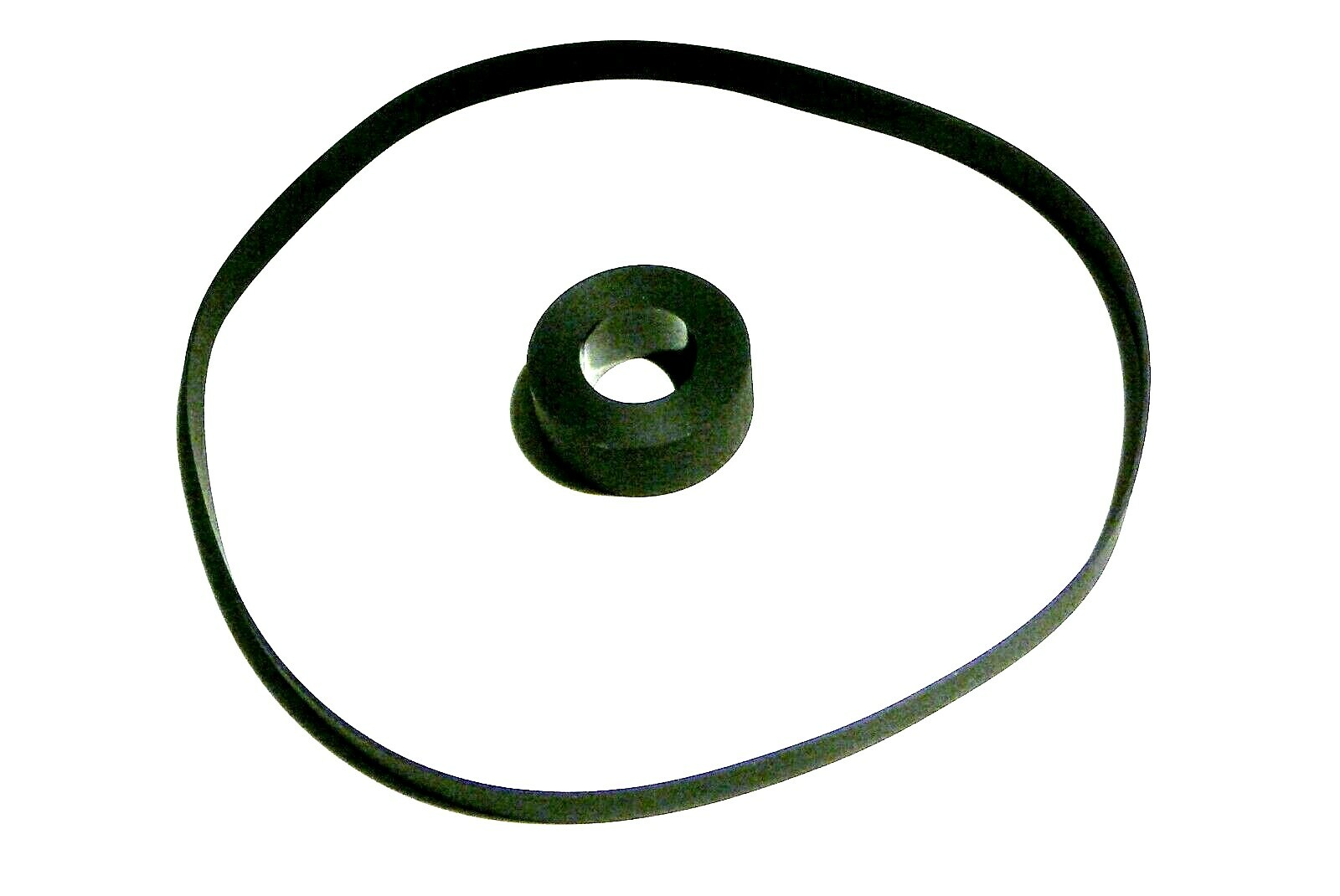
- Deteriorated Rubber Components: The pinch roller and any internal idler tires (if present in certain variants) may harden or crack over time. Replacement with modern equivalents is essential for proper tape tension and speed accuracy.
- Head Alignment and Wear: After decades of use, the playback and record heads may require demagnetization and realignment. A professional head alignment ensures optimal stereo imaging and frequency response.
- Capstan Shaft Lubrication: While the direct-drive capstans are robust, dried lubricant on the shafts can lead to increased friction. Light servicing with synthetic oil can restore smooth operation.
- Capacitor Aging: Electrolytic capacitors in the power supply and audio circuits may degrade, leading to noise, hum, or channel imbalance. A recap by a qualified technician is recommended for long-term reliability.
- Dolby Calibration Drift: If Dolby B no longer reduces noise effectively, the internal calibration may need adjustment using a test tape and oscilloscope.
Regular cleaning of the tape path with isopropyl alcohol and using demagnetizing tools can keep the A-2340SX sounding pristine.
Current Market Value and Collectibility
The Teac A-2340SX is not as commonly encountered as models like the A-2300 or A-3340S, making it a somewhat rare find. Its collectibility has grown steadily among cassette aficionados, particularly those restoring vintage systems or exploring the golden age of analog tape.
In today’s market (2024–2025), a fully functional, well-maintained A-2340SX typically sells for $300–$500, depending on condition, included accessories, and provenance. Units with original boxes, manuals, or remote controls command a premium. Restored models with new belts, cleaned heads, and recalibrated electronics are especially desirable.
While not as flashy as some Nakamichi or Revox decks, the A-2340SX appeals to purists who value engineering integrity over brand hype. It’s also a favorite among DIY audio tinkerers due to its modular design and serviceability.
Conclusion and Legacy
The Teac A-2340SX represents a high point in mid-1970s cassette deck design—a time when engineers were proving that the humble cassette could deliver true high-fidelity sound. With its dual-capstan drive, separate heads, and meticulous build quality, the A-2340SX was built to last and perform.
Though overshadowed by more famous models, it remains a testament to Teac’s quiet mastery of analog tape technology. For collectors, restorers, and analog enthusiasts, the A-2340SX is more than just a relic—it’s a working piece of audio history that continues to deliver warm, engaging sound with every spin.
If you’re lucky enough to find one in good condition, treat it right, and give it a place in your system, the Teac A-2340SX will reward you with the kind of analog charm and precision that only vintage engineering can provide.
eBay Listings


As an eBay Partner, we earn from qualifying purchases. This helps support our independent vintage technology research.
Related Models
- Teac A-6700DX (1980)
- Teac A-105 (1975)
- Teac A-106 (1975)
- Teac A-170 (1976)
- Teac A-2300 (1978)
- Sony TC-2050SD (1978)
- Aiwa AD-F990 (1993)
- Kenwood KX-3060 (1982)
- Sony TC-2130A (1974)
- Sony TC-2220 (1972)