Spendor SA2: The Quintessential British Monitor
The Spendor SA2 stands as one of the most influential loudspeakers in the history of high-fidelity audio. Born in the early 1970s from the fertile ground of BBC engineering, the SA2 emerged not as a commercial product in the traditional sense, but as a refined realization of broadcast monitor design principles. Crafted by Spencer Hughes — a former BBC engineer and the founder of Spendor (a portmanteau of Spencer and Dorothy, his wife) — the SA2 was designed to meet the exacting standards of professional audio monitoring while also serving as a benchmark for home audiophiles seeking transparency and neutrality.
Introduced in 1972, the SA2 was the spiritual successor to the legendary BBC LS3/5A, though it predated that iconic model in development. It was based on Hughes’ work with the BBC’s Research Department, particularly the design of the LS3/5 monitor, which was used in field recording and outside broadcast vans. Hughes applied his deep understanding of time coherence, controlled dispersion, and low coloration to create a speaker that prioritized accuracy over flash, natural timbre over exaggerated dynamics.
Unlike many consumer speakers of the era that leaned toward bright or boomy sonic signatures, the SA2 was engineered for balance — a faithful transducer of the original recording, whether in a studio or a domestic setting. Its reputation grew rapidly among recording engineers, broadcasters, and discerning listeners, cementing Spendor’s place in the pantheon of British hi-fi.
Technical Specifications
| Specification | Detail |
| Manufacturer | Spendor (UK) |
| Model | SA2 |
| Year Introduced | 1972 |
| Type | 2-way, sealed enclosure |
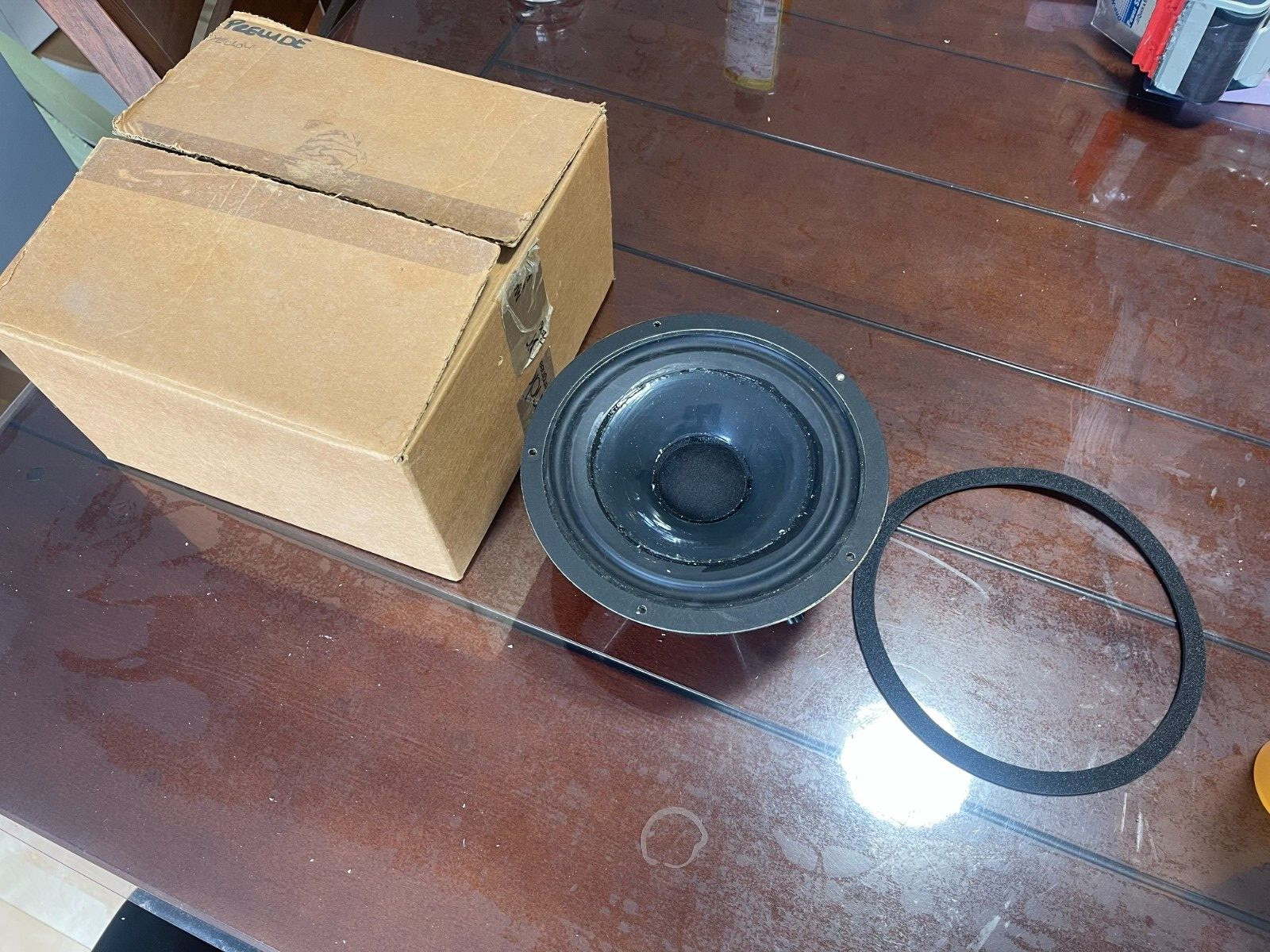
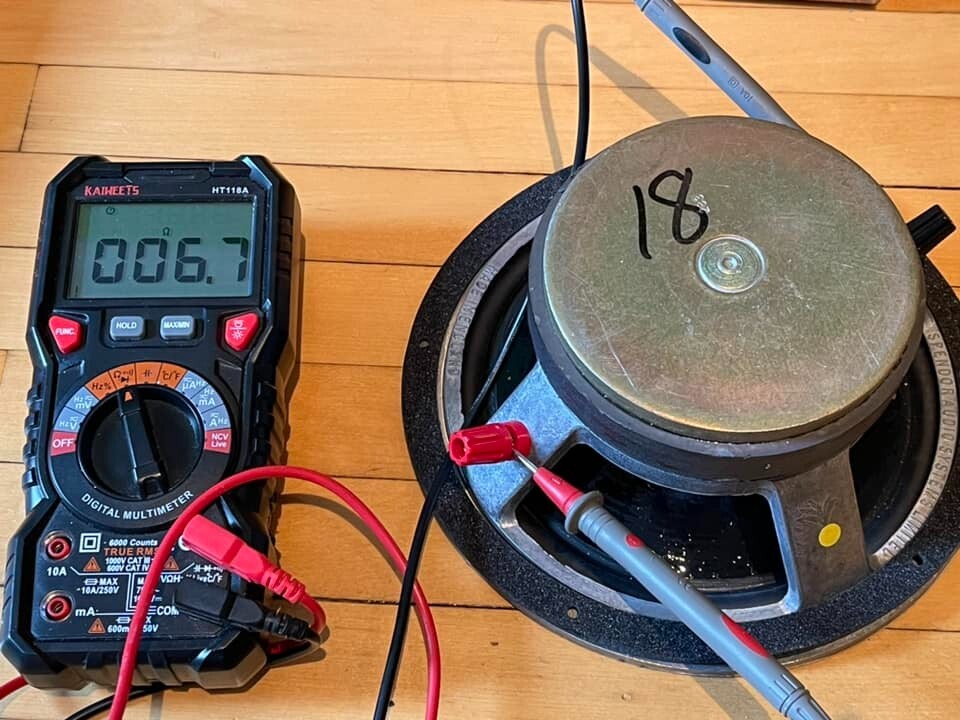
| Driver Complement | 7" polypropylene bass/midrange, 1" woven fabric dome tweeter |
| Crossover Frequency | ~1.5 kHz |
| Crossover Type | 1st order (6 dB/octave) |
| Frequency Response | 60 Hz – 20 kHz (±3 dB) |
| Sensitivity | 86 dB (1W/1m) |
| Nominal Impedance | 8 ohms (compatible with low-powered tube amps) |
| Recommended Amplification | 15–50 watts |
| Enclosure Type | Acoustic suspension (sealed) |
| Dimensions (H×W×D) | 450 × 270 × 200 mm (17.7 × 10.6 × 7.9 in) |
| Weight | 12 kg (26.5 lbs) per cabinet |
| Finish Options | Rosewood, teak, or walnut real wood veneer |
The SA2’s design is minimalist yet highly deliberate. Its sealed (acoustic suspension) cabinet eliminates the phase anomalies associated with ported designs, resulting in tighter bass and superior transient response. The crossover is deliberately simple — a first-order network — which preserves phase coherence and minimizes signal degradation. This design philosophy, rooted in BBC standards, ensures that the drivers work in harmony, producing a time-aligned output that creates a stable, lifelike soundstage.
The 7-inch bass/midrange driver uses a polypropylene cone — a material choice that was ahead of its time. Polypropylene offered excellent damping characteristics, reducing resonance and coloration. The 1-inch soft dome tweeter, sourced from KEF or another high-quality British supplier of the era, delivered smooth, non-fatiguing highs without the harshness common in early metal domes.
Sound Characteristics and Performance
The Spendor SA2 is often described in hushed, reverent tones by those who have heard a well-preserved pair. Its sonic signature is one of naturalism, neutrality, and emotional engagement. The midrange is the star — lush, transparent, and exquisitely detailed, particularly with vocals and acoustic instruments. A well-set-up SA2 can make a singer feel present in the room, with uncanny realism in voice reproduction.
Bass response is tight and controlled, extending down to around 60 Hz. While not deep by modern standards, the bass is remarkably articulate, with excellent pitch definition — crucial for monitoring applications. The sealed cabinet design means the bass rolls off gently, avoiding the "one-note" boom sometimes associated with ported speakers.
High frequencies are smooth and extended, never strident or sibilant. The tweeter integrates seamlessly with the midrange, avoiding the "cupped hands" coloration that plagued some BBC-derived designs. The overall tonal balance is slightly warm, but never colored — a hallmark of the "British sound" that prioritizes musicality over clinical precision.
Imaging is precise, with a stable center image and well-defined spatial cues. The SA2 works best in a reflective room with some diffusion, as its controlled dispersion benefits from a balanced acoustic environment. They are not "forgiving" speakers — poor recordings will reveal their flaws — but great recordings are elevated to near-magical levels.
Notable Features and Innovations
- BBC-Inspired Engineering: The SA2 embodies the BBC’s philosophy of accuracy and neutrality, making it one of the first commercially available speakers to bring professional monitor standards into the home.
- First-Order Crossover: A rare feature in commercial speakers, this design ensures phase coherence and minimal signal interference.
- High-Damping Drivers: The use of polypropylene cones and soft dome tweeters reduced resonance and improved clarity.
- Handcrafted Cabinets: Built with real wood veneers and dense particleboard internals, the cabinets were over-engineered for their time, minimizing panel resonance.
- Time-Coherent Design: The drivers are time-aligned through crossover design and physical placement, enhancing stereo imaging.
Common Issues and Maintenance
As with any vintage speaker, the Spendor SA2 requires careful attention to maintain its performance. The most common issues include:
- Aged Foam Surrounds: The original foam used on the bass/mid drivers degrades over time, leading to flaking and loss of compliance. Re-foaming or reconing is essential for any SA2 over 30 years old.
- Capacitor Drift: The first-order crossover uses high-quality polypropylene and oil-filled capacitors, but these can still degrade. Replacing them with modern equivalents can restore clarity and balance.
- Tweeter Fatigue: While durable, the soft dome tweeters can suffer from oxidation or membrane fatigue. Some owners opt for careful refurbishment or replacement with modern equivalents (though purists recommend original-spec repairs).
- Cabinet Damage: The wood veneers are beautiful but susceptible to scratches and water damage. Refinishing should be done by a specialist to preserve value.
Finding original parts can be challenging, but a dedicated community of Spendor enthusiasts and specialists (particularly in the UK) offers support for restoration. Companies like Spendor Classic and The Loudspeaker Company provide re-coning and refurbishment services.
Current Market Value and Collectibility
The Spendor SA2 is a sought-after collector’s item, especially in original, unrestored condition with matching serial numbers and period-correct grilles. Prices vary widely based on condition:
- Restored, fully serviced pairs: $1,800–$2,500 USD
- Original, un-restored but functional: $1,000–$1,600 USD
- Project pairs (non-working or heavily damaged): $400–$800 USD
Rarity, provenance (e.g., ex-broadcast use), and original packaging can significantly increase value. The SA2 is not as ubiquitous as the LS3/5A, which makes well-preserved examples rarer and more desirable among connoisseurs.
Conclusion and Legacy
The Spendor SA2 is more than a speaker — it is a milestone in the evolution of high-fidelity sound. It represents a bridge between professional broadcast engineering and domestic audio, bringing BBC monitor standards into living rooms across the UK and beyond. Its influence can be heard in every Spendor speaker that followed, from the BC1 to the modern Classic series.
Today, the SA2 remains a touchstone for audiophiles who value truth in reproduction over spectacle. It may not play the loudest or deepest, but it tells the story of the music with unmatched clarity and soul. For those who appreciate the quiet confidence of understated excellence, the Spendor SA2 is not just vintage gear — it’s a piece of audio history that still speaks with quiet authority.
eBay Listings

As an eBay Partner, we earn from qualifying purchases. This helps support our independent vintage technology research.
Related Models
- Spendor 7/1 (1975)
- Spendor 9/1 (1975)
- Spendor BC1/69 (1969)
- Spendor BC1 (1969)
- Spendor CLASSIC-1/2 (1979)
- Akai AM-2850 (1975)
- Akai AP-206 (1975)
- Nakamichi BX-1 (1985)
- Acoustic Research research-ar-17 (1978)
- Acoustic Research AR-19 (1994)