Spendor S20: The Quintessential British Bookshelf Speaker of the 1970s
In the world of vintage hi-fi, few names evoke the same reverence as Spendor. Founded in 1969 by Spencer Hughes—formerly the chief engineer at the BBC—Spendor was born from a mission to bring the accuracy and neutrality of professional monitoring into the home. The S20, introduced in the early 1970s and refined through the decade, stands as one of the brand’s earliest and most beloved bookshelf speakers. Though not as widely documented as its larger siblings like the BC1 or SP1/2, the S20 carved out a quiet but enduring legacy among audiophiles who prize musicality, coherence, and the distinctive “British sound.”
Historical Context: A Speaker Born from BBC Heritage
Spencer Hughes’ work at the BBC laid the foundation for some of the most respected studio monitors in history, including the LS3/5A. When he launched Spendor, he carried over the same design principles: time- and phase-coherent drivers, carefully tuned enclosures, and a focus on midrange transparency. The S20 was developed during a golden era for British speaker design, when companies like Celestion, Harbeth, and Tannoy were also emerging with models rooted in broadcast engineering.
The S20 was positioned as a compact, stand-mount speaker for smaller rooms or secondary systems, yet it retained the sonic DNA of Spendor’s larger offerings. It was not a downsized compromise, but rather a distillation of Spendor’s philosophy into a more accessible format. Its design reflects the era’s emphasis on natural tonality over exaggerated bass or brightness—a stark contrast to the “hi-fi show” speakers that prioritized flash over fidelity.
Technical Specifications
| Specification | Detail |
| Model | Spendor S20 |
| Manufacturer | Spendor Acoustics, UK |
| Production Years | Circa 1974–1980 |
| Type | 2-way, passive, bookshelf |
| Driver Complement | 1x 7" polypropylene bass/mid, 1x 1" fabric dome tweeter |
| Crossover Frequency | ~2.2 kHz (estimated) |
| Frequency Response | 60 Hz – 20 kHz (±3 dB, estimated) |
| Sensitivity | ~86 dB (2.83V/1m, estimated) |
| Nominal Impedance | 8 ohms (compatible with most tube and solid-state amps) |
| Enclosure | Sealed (acoustic suspension) |
| Dimensions (H×W×D) | ~38 cm × 23 cm × 25 cm (15" × 9" × 10") |
| Weight | ~9 kg (20 lbs) per speaker |
| Finish Options | Walnut or rosewood real wood veneer |
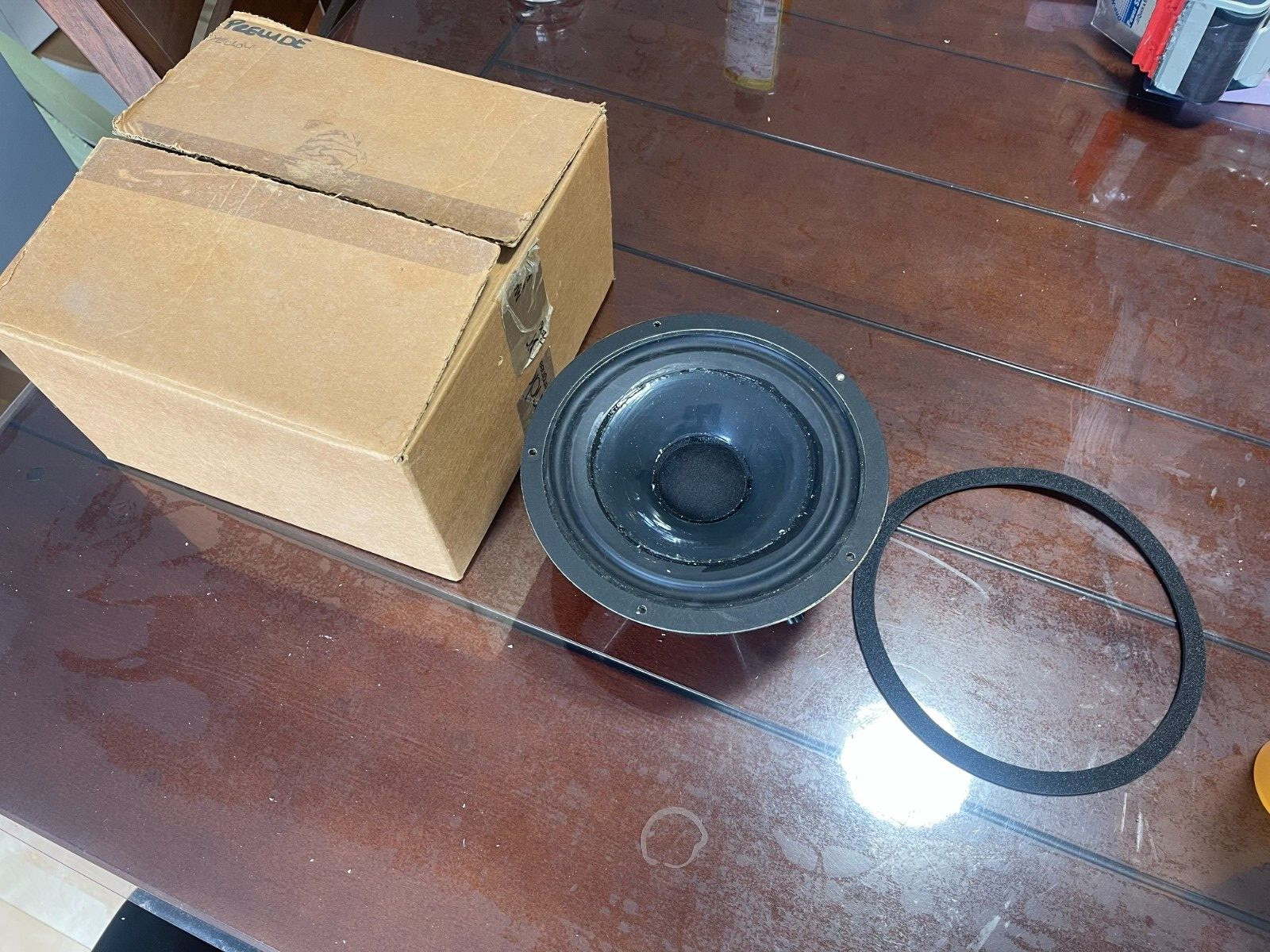
The S20 features a modest two-driver configuration, with a large 7-inch bass/midrange unit paired with a soft dome tweeter. The bass driver uses a polypropylene cone—a material Spendor helped pioneer—which offers excellent damping and low coloration. The sealed enclosure design results in a tight, controlled low end with a gentle roll-off, avoiding the boominess common in ported designs of the era.
The crossover, while not fully documented, is believed to be a simple first-order network, consistent with Spendor’s minimalist approach. This contributes to the speaker’s excellent phase coherence and seamless driver integration.
Sound Characteristics and Performance
The Spendor S20 is not a speaker that announces itself with thunderous bass or sparkling highs. Instead, it wins listeners over with its musical honesty and midrange purity. Its tonal balance is slightly warm, with a lush, natural presentation in the vocal and instrumental ranges. This makes it particularly well-suited to acoustic music, jazz, and classic rock—genres where timbral accuracy matters more than sheer dynamics.
The midrange is where the S20 truly shines. Vocals are rendered with remarkable presence and intimacy, as if the singer is in the room. Instruments like piano, cello, and acoustic guitar are reproduced with a realistic weight and texture. The soft dome tweeter rolls off gently above 15 kHz, avoiding the harshness or sibilance that plagued some metal-dome designs of the time. While ultimate high-frequency extension is modest, the trade-off is a smooth, fatigue-free listening experience.
Bass response is accurate rather than deep. Expect solid output down to around 60 Hz, which is impressive for a sealed-box speaker of its size. However, it won’t deliver the sub-bass impact of larger floorstanders or ported designs. The S20 performs best when paired with quality amplification—ideally 30–50 watts of clean power from tube or solid-state amps. It’s not overly demanding, but it rewards good partnering.
Notable Features and Design Philosophy
What sets the S20 apart is not flashy technology, but thoughtful engineering:
- BBC-Inspired Design: The driver materials and crossover philosophy reflect Spencer Hughes’ broadcast background, prioritizing accuracy over hype.
- Real Wood Veneer: The cabinet is finished in high-quality walnut or rosewood veneer, giving it a timeless, handcrafted appearance.
- Minimalist Aesthetic: No grilles (in most versions), clean lines, and a lack of branding—this is a speaker that lets its sound speak for itself.
- Sealed Enclosure: Offers tighter bass and better transient response than ported alternatives, at the cost of ultimate efficiency and depth.
The S20 was never marketed as a “statement” speaker, but rather as a serious tool for music lovers who valued coherence and realism.
Common Issues and Maintenance
As with any vintage speaker, age-related wear is a concern:
- Surrounds: The original foam or rubber surrounds on the bass driver may have perished. Re-foaming or reconing is often necessary and highly recommended.
- Capacitors: The crossover may contain aging electrolytic or paper-in-oil capacitors that can degrade over time. A professional recapping can restore clarity and balance.
- Tweeter Dome: While generally durable, the fabric dome can be damaged if mishandled. Listen for distortion or lack of high-frequency output.
- Cabinet Integrity: Check for loose joints or veneer lifting, especially on older models. The cabinets are solid but not immune to decades of environmental stress.
Restoration is usually worthwhile, as replacement parts and skilled technicians familiar with vintage Spendor drivers are available through specialist audio services.
Current Market Value and Collectibility
The Spendor S20 is not a rare speaker, but well-maintained, original examples are increasingly sought after. Prices vary widely depending on condition and restoration:
- Unrestored, working condition: £150–£300 (pair)
- Fully restored with new surrounds and caps: £400–£600 (pair)
- Original, mint condition with documentation: Occasionally exceeds £700
While not as collectible as the LS3/5A or Spendor’s own BC1, the S20 holds a quiet appeal among vintage audio enthusiasts. Its value lies not in auction hype, but in its ability to deliver a genuinely musical experience that rivals modern speakers at several times the price.
Conclusion: A Legacy of Musical Integrity
The Spendor S20 may not dominate spec sheets or turn heads at audio shows, but it represents something more enduring: a commitment to truthful sound reproduction. In an era when hi-fi was becoming increasingly commercialized, the S20 stood apart with its understated design and honest performance.
Today, it serves as a reminder that great sound doesn’t require complexity or power—it requires care, coherence, and a deep understanding of music. For the listener who values soul over spectacle, the Spendor S20 remains a compelling choice, a beautifully British voice from a golden age of audio craftsmanship. Whether used as a primary system in a small room or as a nostalgic secondary setup, the S20 continues to earn its place in the pantheon of classic British speakers.
eBay Listings



As an eBay Partner, we earn from qualifying purchases. This helps support our independent vintage technology research.
Related Models
- Spendor 7/1 (1975)
- Spendor 9/1 (1975)
- Spendor BC1/69 (1969)
- Spendor BC1 (1969)
- Spendor CLASSIC-1/2 (1979)
- Akai AM-2850 (1975)
- Akai AP-206 (1975)
- Nakamichi BX-1 (1985)
- Acoustic Research research-ar-17 (1978)
- Acoustic Research AR-19 (1994)