Spendor PRELUDE: The Quintessential British Bookshelf Speaker of the 1970s
In the world of vintage hi-fi, few names evoke the same reverence for natural tonality and refined engineering as Spendor. Founded in 1969 by Spencer Hughes—former BBC engineer and designer of the legendary LS3/5A—the British company built its reputation on translating professional monitor accuracy into home audio elegance. Among its early offerings, the Spendor PRELUDE, introduced in 1977, stands as a charming and musically engaging compact speaker that brought Spendor’s signature sound to a broader audience.
Though not as widely documented as its more famous siblings like the BC1 or the SP1/2, the PRELUDE holds a quiet but important place in Spendor’s lineage. It was designed during a golden era of British loudspeaker development, when meticulous crossover design, hand-selected components, and time-honored cabinet construction defined the high end. The PRELUDE offered a taste of Spendor’s acclaimed sonic philosophy in a smaller, more affordable package—perfect for modest listening rooms and discerning listeners on a budget.
Technical Specifications
The Spendor PRELUDE was a two-way bookshelf speaker, designed for nearfield listening and integration into smaller domestic environments. It featured a compact, sealed cabinet (acoustic suspension) design, which contributed to its tight bass response and time-coherent performance.
| Specification | Detail |
| Model | PRELUDE |
| Manufacturer | Spendor (UK) |
| Year Introduced | 1977 |
| Type | 2-way, passive bookshelf speaker |
| Enclosure | Sealed (acoustic suspension) |
| Driver Complement | 1x 7" polypropylene bass/midrange, 1x 1" soft-dome tweeter |
| Frequency Response | 60 Hz – 20 kHz (±3 dB) |
| Sensitivity | 86 dB (1W @ 1m) |
| Nominal Impedance | 8 ohms (compatible with most vintage amplifiers) |
| Crossover Frequency | ~2.5 kHz |
| Crossover Design | 1st-order (6 dB/octave) for tweeter, 2nd-order (12 dB/octave) for woofer |
| Cabinet Finish | Real wood veneer (typically walnut or rosewood) |
| Dimensions (H×W×D) | 350 × 200 × 240 mm (13.8 × 7.9 × 9.4 in) |
| Weight | ~8 kg (17.6 lbs) per cabinet |
The drivers were developed in-house, with the 7" bass/mid unit featuring a doped polypropylene cone—a material Spendor helped pioneer for its excellent damping characteristics and low coloration. The soft-dome tweeter, likely sourced from a European manufacturer such as SEAS or Vifa, was carefully matched to the mid-bass unit to ensure a seamless transition through the crossover.
Sound Characteristics and Performance
The Spendor PRELUDE is best described as warm, natural, and effortlessly musical. It doesn’t aim for clinical neutrality or exaggerated detail; instead, it presents music with a smooth, organic flow that many listeners find emotionally engaging. This is classic British speaker design at its finest—prioritizing tonal accuracy and timbral realism over analytical precision.
The sealed cabinet design results in a controlled, slightly rolled-off bass response, with useful output down to around 60 Hz. While not a speaker for deep organ or electronic bass, it handles acoustic bass, double bass, and lower-register vocals with authority and clarity. The midrange is where the PRELUDE truly shines: voices are rendered with remarkable presence and warmth, making it an excellent choice for vocal jazz, folk, and classical chamber music.
The tweeter is soft and forgiving, avoiding the harshness or sibilance that can plague older designs with metal domes. Cymbals and string overtones are rendered with delicacy rather than aggression, contributing to a listening experience that remains fatigue-free over long sessions.
Due to its moderate sensitivity (86 dB), the PRELUDE benefits from partnering with higher-powered amplifiers or low-damped valve (tube) amps that can control the bass effectively. It pairs especially well with classic British electronics from NAD, Linn, or Leak.
Notable Features and Design Philosophy
The PRELUDE reflects Spendor’s engineering heritage rooted in BBC monitor design principles. Key features include:
- Time-coherent crossover: Designed to align the acoustic centers of the drivers, improving phase accuracy and imaging.
- High-quality internal wiring and components: Vintage Spendors often used oxygen-free copper wiring and precision polypropylene capacitors in their crossovers.
- Damped cabinet construction: Multi-layered MDF with internal bracing and bituminous damping sheets to reduce cabinet resonance.
- Minimalist aesthetic: Clean lines, flush-mounted drivers, and elegant wood veneer finishes made the PRELUDE a tasteful addition to any living space.
Unlike many mass-market speakers of the era, the PRELUDE was hand-built in the UK with attention to detail and consistency—hallmarks of Spendor’s commitment to quality.
Common Issues and Maintenance
As with any vintage speaker, the Spendor PRELUDE may require servicing after 40+ years of use. Common issues include:
- Aged foam surrounds: The original foam used on the bass/mid driver can degrade over time, leading to flaking and loss of bass response. Replacement with modern butyl rubber surrounds is a common and effective fix.
- Tweeter deterioration: Soft domes can become brittle or develop tears. Some owners opt for careful re-dome services or gentle replacement units.
- Crossover component drift: Capacitors may dry out or resistors drift in value, altering tonal balance. A full recapping using modern audiophile-grade parts can restore original performance.
- Veneer wear: Older walnut or rosewood finishes may show scratches or fading. Gentle polishing or professional refinishing can restore luster.
Finding original replacement parts can be challenging, but the Spendor community—active on forums like Audiogon, Hi-Fi Haven, and UK Vintage Audio—is a valuable resource for advice and sourcing.
Current Market Value and Collectibility
The Spendor PRELUDE is not a high-profile collector’s item like the LS3/5A or the SP1/2, but it has a loyal following among vintage audio enthusiasts who appreciate its understated elegance and musicality. Pairs in good condition typically sell for £200–£400 (or $250–$500 USD), depending on cosmetic state, originality, and whether they’ve been refurbished.
Fully restored pairs with new surrounds and recapped crossovers often command higher prices, especially if sold with original packaging or documentation. While not a speculative investment, the PRELUDE offers excellent value for listeners seeking authentic 1970s British sound at an accessible price.
Conclusion and Legacy
The Spendor PRELUDE may not have the fame of its larger siblings, but it remains a true representative of Spendor’s design ethos: musical integrity, careful engineering, and a commitment to natural sound reproduction. For listeners who value warmth, coherence, and emotional engagement over clinical detail, the PRELUDE delivers a listening experience that feels timeless.
It stands as a testament to an era when speakers were built to last, voiced by ear, and designed to bring music into the home with grace and authenticity. Whether used as a secondary system, a vintage project, or a primary setup in a small room, the Spendor PRELUDE continues to win hearts—one note at a time.
For those exploring the rich landscape of vintage British hi-fi, the PRELUDE is a quiet classic well worth discovering.
eBay Listings
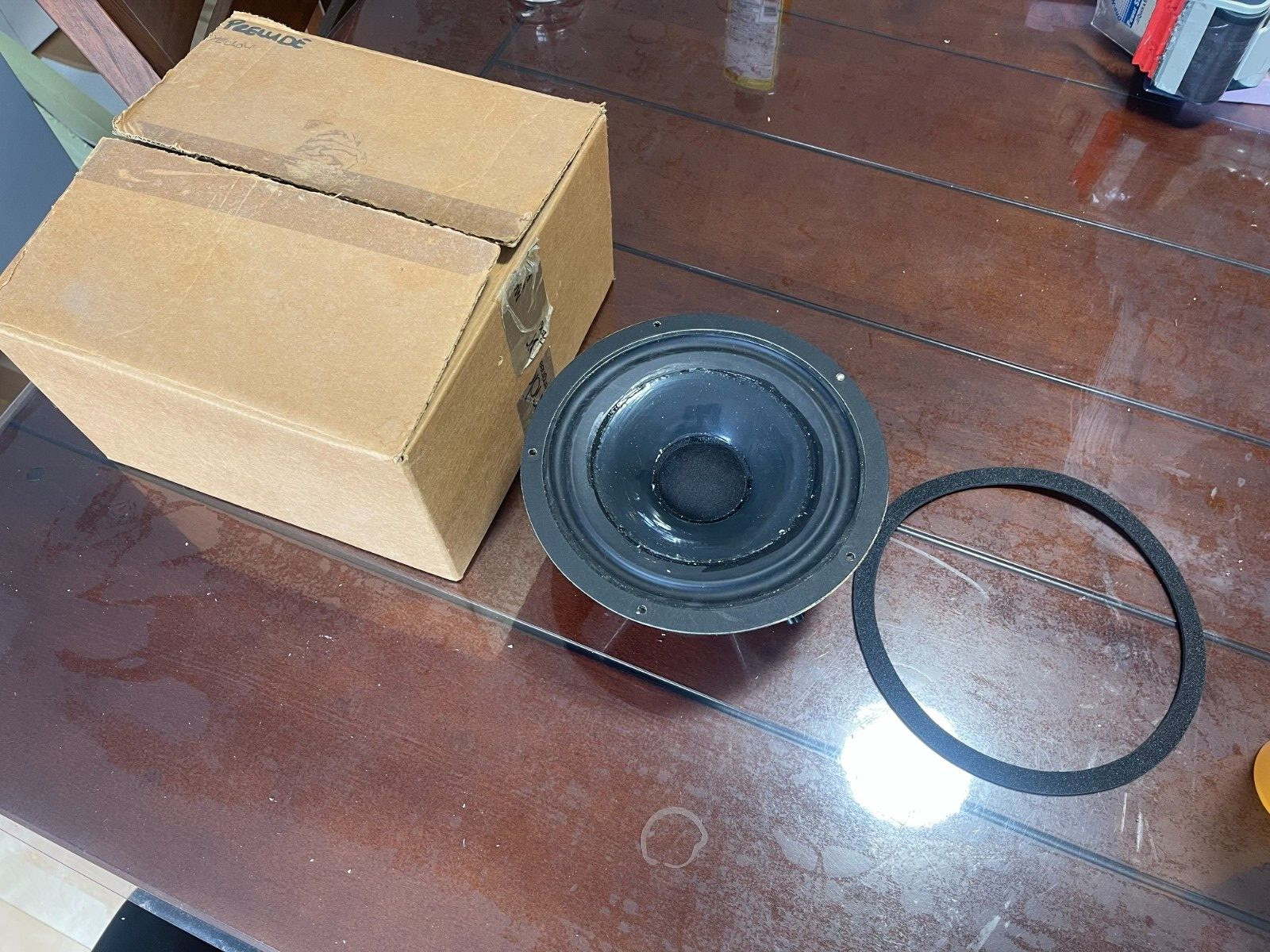
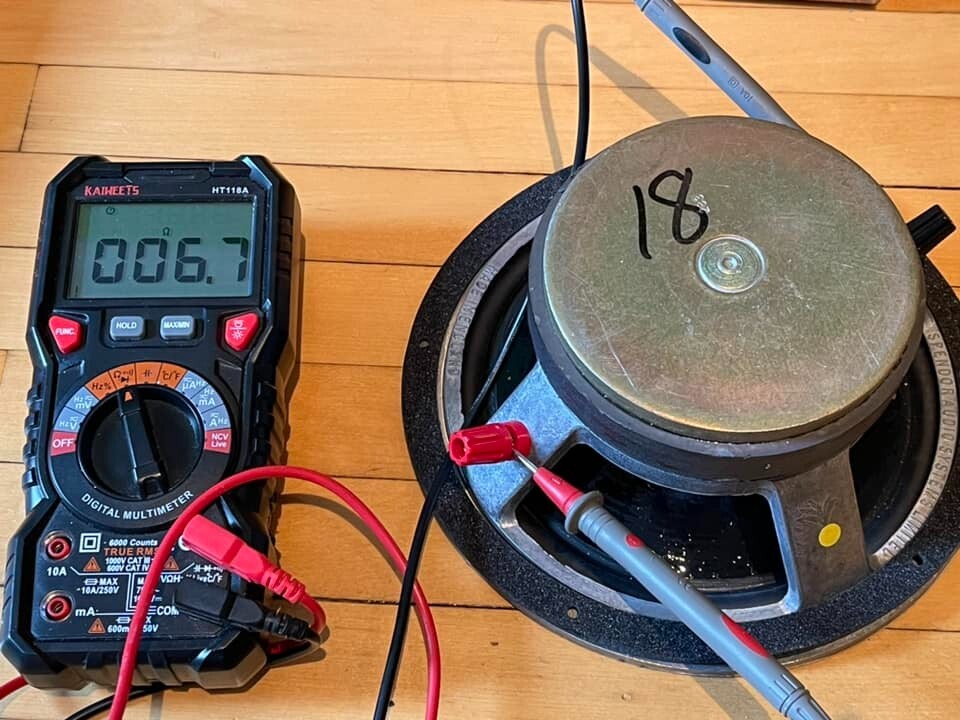
As an eBay Partner, we earn from qualifying purchases. This helps support our independent vintage technology research.
Related Models
- Spendor 7/1 (1975)
- Spendor 9/1 (1975)
- Spendor BC1/69 (1969)
- Spendor BC1 (1969)
- Spendor CLASSIC-1/2 (1979)
- Akai AM-2850 (1975)
- Akai AP-206 (1975)
- Nakamichi BX-1 (1985)
- Acoustic Research research-ar-17 (1978)
- Acoustic Research AR-19 (1994)