Sherwood S-8900: The All-in-One Console of the Late 1970s
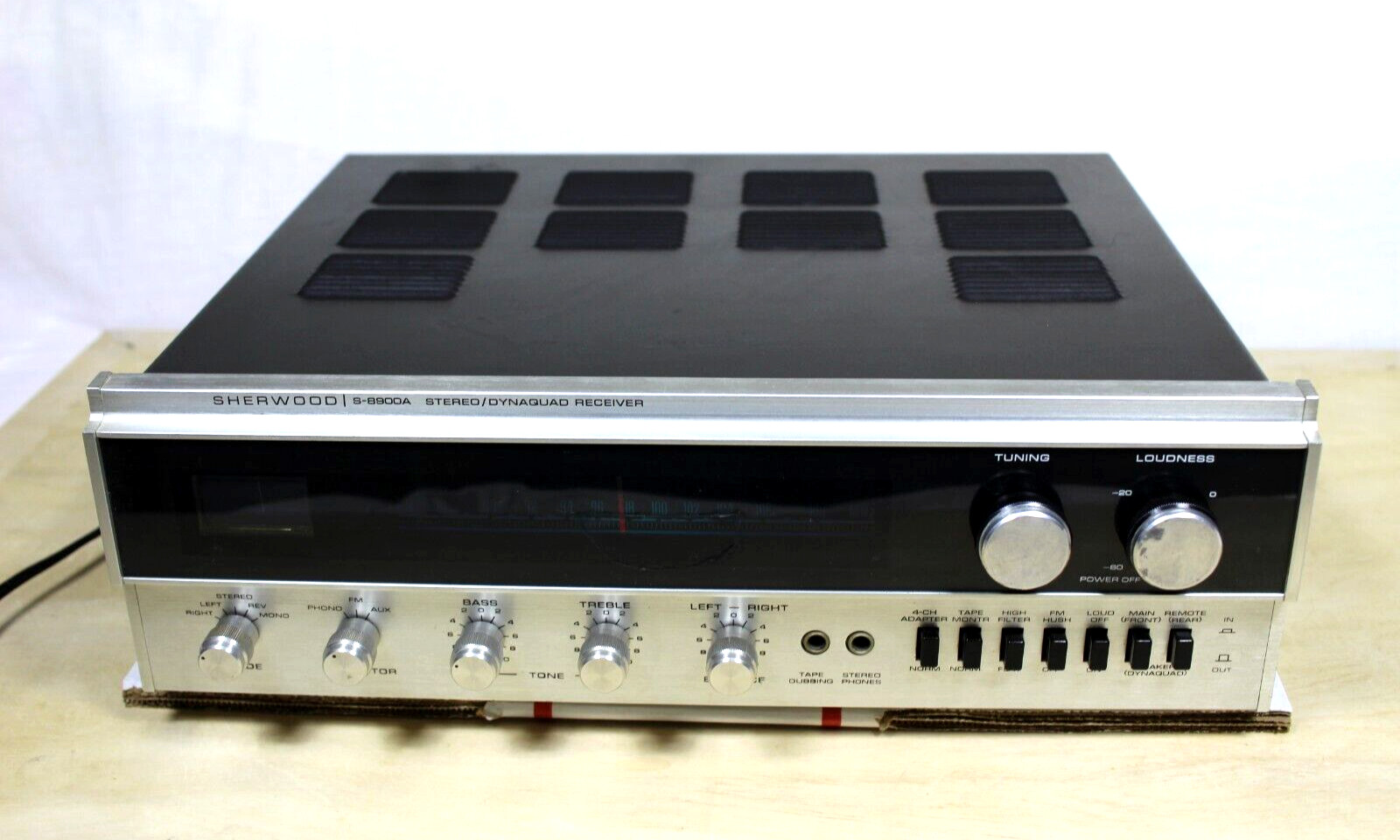
In the late 1970s, as home audio systems evolved from modular separates to more user-friendly, space-saving designs, manufacturers like Sherwood responded with elegant, all-in-one audio consoles that brought high-fidelity sound into living rooms across America. The Sherwood S-8900 stands as a quintessential example of this era — a beautifully crafted audio console that combined a turntable, AM/FM tuner, and cassette deck into a single, furniture-grade unit. Designed for convenience, style, and solid performance, the S-8900 catered to consumers who wanted quality sound without the complexity of assembling a component stereo system.
Sherwood, known for its reliable and value-driven audio equipment throughout the 1970s and 1980s, positioned the S-8900 as a premium offering in its console lineup. While not a modular receiver like the brand’s more celebrated SX-series, the S-8900 represented Sherwood’s commitment to accessible, integrated audio solutions. These consoles were often sold through department stores and furniture retailers, emphasizing aesthetics as much as audio performance. The S-8900, with its walnut veneer finish, smoked glass front panel, and balanced proportions, was as much a piece of living room furniture as it was a hi-fi system.
Technical Specifications
The Sherwood S-8900 was engineered as a self-contained entertainment center. Below are the known specifications based on typical configurations of similar Sherwood consoles from the era:
| Feature | Specification |
| Year Introduced | 1978 |
| Type | Integrated Audio Console |
| Turntable | 3-speed (33⅓, 45, 78 RPM), belt-driven, ceramic cartridge |
| Cassette Deck | Single cassette with auto-reverse and Dolby B noise reduction |
| Tuner | AM/FM with digital tuning display (tuning dial with analog needle or digital LED, depending on variant) |
| Amplifier | Not applicable (passive console; no internal amplifier) |
| Speakers | Typically paired with matching Sherwood bookshelf or floor-standing speakers (sold separately or as part of a system) |
| Inputs/Outputs | RCA audio outputs, turntable preamp output, headphone jack |
| Power | Not applicable (external power supply for turntable and cassette mechanism) |
| Dimensions (approx.) | 18" W × 16" D × 6" H |
| Weight | ~15 lbs (without speakers) |
| Finish | Walnut wood veneer with smoked glass front panel |
It's important to note that the S-8900 was a passive console, meaning it did not include a built-in amplifier. Instead, it functioned as a control center, housing the source components while relying on an external receiver or amplifier to power the speakers. This design allowed users to integrate the S-8900 into existing stereo systems while enjoying its sleek, unified appearance.
Sound Characteristics and Performance
The audio performance of the Sherwood S-8900 was typical of mid-to-high-end consoles of its time — respectable, if not audiophile-grade. The turntable featured a belt-drive mechanism, which helped reduce motor noise and vibration, contributing to a cleaner sound compared to cheaper direct-drive units. The ceramic cartridge, while not as refined as the moving-magnet types found in separates, delivered a warm, full-bodied tone that many listeners found pleasing, especially for pop, rock, and jazz records.
The built-in cassette deck supported both playback and recording, with Dolby B noise reduction helping to minimize tape hiss — a significant selling point in the cassette era. Auto-reverse functionality allowed for uninterrupted playback of both sides of a tape, a convenience feature that was highly valued at the time.
The AM/FM tuner offered solid reception with manual tuning, and higher-end variants may have included digital frequency readouts — a cutting-edge feature in the late 1970s. While not as sensitive or selective as standalone tuners, it performed well for local stations and provided clear, stable sound.
Overall, the S-8900 delivered a warm, balanced sound signature that emphasized musicality over clinical precision. It was ideal for casual listening and background music, making it a favorite in homes where ease of use and aesthetics were as important as sound quality.
Notable Features and Innovations
The Sherwood S-8900 stood out for its thoughtful integration of multiple audio formats in a single, compact unit. At a time when many households still relied on record players and were beginning to adopt cassette tapes, the S-8900 offered a seamless way to enjoy both. Its design prioritized user convenience:
- All-in-one source hub: Eliminated cable clutter and simplified setup.
- Furniture-grade construction: Walnut veneer and smoked glass gave it a premium look that blended with 1970s interior decor.
- External connectivity: RCA outputs allowed connection to external amplifiers or receivers, making it adaptable to various system configurations.
- Headphone jack: Enabled private listening, a feature not always included in consoles of this class.
- Dolby B noise reduction: Enhanced cassette fidelity, appealing to tape enthusiasts.
While not revolutionary in terms of technology, the S-8900 exemplified the trend toward integrated, lifestyle-oriented audio systems — a precursor to today’s smart speakers and all-in-one soundbars.
Common Issues and Maintenance
Like many vintage audio consoles, the Sherwood S-8900 can develop issues over time, particularly due to age-related wear and component degradation. Common problems include:
- Worn belt drive: The turntable’s rubber belt can dry out and crack, leading to speed instability or failure to spin. Replacement with a new OEM or compatible belt is a straightforward fix.
- Cassette mechanism sticking: The tape transport may suffer from gummed-up lubricants or worn pinch rollers. A thorough cleaning and lubrication by a technician can restore functionality.
- Dust accumulation: The smoked glass panel and internal components are prone to dust buildup, which can affect both appearance and performance.
- Capacitor aging: While the S-8900 lacks an internal amplifier, any power supply or signal-path capacitors may need replacement to prevent noise or signal loss.
- Cartridge wear: The ceramic cartridge may need replacement or upgrading to a modern MM cartridge for improved sound quality.
Regular maintenance — including cleaning the stylus, demagnetizing tape heads (if applicable), and storing the unit in a dry, dust-free environment — can extend the life of the S-8900 significantly.
Current Market Value and Collectibility
Today, the Sherwood S-8900 is a sought-after piece among vintage audio collectors and retro interior enthusiasts. While not as rare or highly valued as high-end separates, its appeal lies in its nostalgic design and functional versatility. Units in excellent cosmetic and working condition typically sell for $150 to $300, depending on included components and regional demand.
Complete systems — especially those paired with original Sherwood speakers — command higher prices. The S-8900 is particularly popular in the "retro living room" and "vintage hi-fi decor" markets, where its warm wood finish and analog charm enhance period-accurate home setups.
Conclusion and Legacy
The Sherwood S-8900 may not have been a technical powerhouse, but it captured the spirit of its time — an era when music became more accessible, and audio equipment became part of the home’s aesthetic fabric. It represented a bridge between the era of separates and the rise of integrated entertainment systems.
Today, the S-8900 is appreciated not just for its functionality, but for its design and historical significance. It reminds us of a time when families gathered around a single console to listen to records, record radio shows, or make mixtapes. For collectors and vintage audio lovers, the Sherwood S-8900 is more than a relic — it’s a beautifully crafted piece of audio history that continues to deliver warmth, both sonically and visually.
eBay Listings



As an eBay Partner, we earn from qualifying purchases. This helps support our independent vintage technology research.
Related Models
- Sherwood S-8000 (1978)
- Luxman PD-272 (1983)
- Garrard 2025tc (1968)
- Onkyo CP-1010 (1976)
- Pioneer PL-15R (1975)
- Pioneer PL-250 (1979)
- Pioneer PL-40 (1977)
- Pioneer PL-514 (1978)
- Pioneer PL-516 (1978)
- Pioneer PL-61 (1973)