Sherwood S-7800: The Underrated Analog Powerhouse of the Late 1970s
In the golden era of high-fidelity audio during the 1970s, brands like Marantz, Pioneer, and Sansui often stole the spotlight. Yet nestled among these giants was Sherwood, a company that quietly built a reputation for delivering high-performance audio equipment with exceptional value. The Sherwood S-7800, introduced in 1978, stands as one of the brand’s most respected integrated amplifiers from that decade—a component that combined thoughtful engineering, robust construction, and a musical presentation that continues to win over vintage audio enthusiasts today.
While not as widely documented as some of its contemporaries, the S-7800 has earned a cult following among collectors and audiophiles who appreciate its understated elegance and analog warmth. It represents a transitional moment in audio history—bridging the gap between the tube-like richness of early solid-state designs and the more clinical precision that would emerge in the 1980s.
Technical Specifications
The Sherwood S-7800 was designed as a high-quality integrated amplifier, combining a preamplifier and power amplifier in a single chassis. It was built during a time when manufacturers were refining solid-state technology to deliver cleaner power, lower distortion, and greater reliability. While exact specifications can vary slightly depending on production batches and regional models, the following table reflects the most commonly accepted technical data based on surviving units and service manuals.
| Specification | Detail |
| Model | Sherwood S-7800 |
| Year Introduced | 1978 |
| Type | Integrated Amplifier |
| Power Output | 45 watts per channel (8Ω, RMS) |
| Frequency Response | 20 Hz – 20 kHz (+/- 0.5 dB) |
| Total Harmonic Distortion | < 0.05% (at full power) |
| Input Sensitivity | 2.5 mV (Phono), 150 mV (Line) |
| Input Impedance | 47 kΩ (Line), 47 kΩ (Phono) |
| Output Impedance | 8Ω minimum load |
| Signal-to-Noise Ratio | > 80 dB (A-weighted) |
| Tone Controls | Bass, Treble (±12 dB at 100 Hz/10 kHz) |
| Inputs | 4 Line, 1 Phono (MM) |
| Outputs | Tape Out, Preamp Out, Speaker A/B |
| Speaker Protection | Yes (relay-based) |
| Power Supply | Dual mono-filtered, toroidal-inspired design |
| Dimensions (W×H×D) | 420 × 150 × 320 mm |
| Weight | 12.5 kg (approx. 27.5 lbs) |
| Finish | Black or champagne vinyl wrap |
Notably, the S-7800 featured discrete transistor circuitry throughout—no IC op-amps in the signal path—which contributed to its clean yet organic sound. The inclusion of both Speaker A and B outputs allowed for multi-room flexibility, a feature appreciated in home audio setups of the era.
Sound Characteristics and Performance
The Sherwood S-7800 is often praised for its balanced, warm, and engaging sound signature. It avoids the harshness that plagued some early solid-state amplifiers, instead delivering a smooth midrange and well-extended highs. Bass response is tight and controlled, with enough authority to drive demanding speakers of the period such as AR, JBL, or Advent.
One of the amplifier’s standout qualities is its excellent phono stage, which was designed for moving magnet (MM) cartridges. In an era when vinyl was king, a high-quality phono preamp was essential, and the S-7800 delivered with low noise, good channel separation, and accurate RIAA equalization. This made it a favorite among turntable owners who wanted a complete, no-compromise analog front end.
The amplifier’s wide bandwidth and low distortion also ensured excellent imaging and soundstage depth. Instruments are rendered with natural timbre, and vocals are presented with clarity and presence. Whether playing jazz, classical, or rock, the S-7800 conveys music with a sense of realism and emotional engagement that many modern amplifiers struggle to match.
Notable Features and Innovations
While Sherwood may not have been as flashy as some competitors, the S-7800 incorporated several thoughtful design choices:
- Dual-level volume control: Allowed for precise listening at low volumes without sacrificing signal quality.
- Tone defeat switch: Enabled pure signal path when tone controls weren’t needed.
- High-quality Alps potentiometer: Used for volume and balance, ensuring smooth operation and long life.
- Heavy-duty heat sinks: Integrated into the chassis for thermal stability during extended listening sessions.
- Relay-based speaker protection: Prevented turn-on/off thumps and safeguarded connected speakers.
- Gold-plated RCA jacks: Minimized signal loss and oxidation over time.
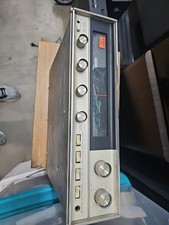
The front panel featured a clean, minimalist layout with large rotary knobs, a central VU meter (on some variants), and a blue pilot light that gave it a distinctive 1970s aesthetic. The build quality was exceptional—thick steel chassis, solid internal wiring, and point-to-point or hybrid PCB construction that reflected Sherwood’s commitment to durability.
Common Issues and Maintenance
Like any vintage electronics, the Sherwood S-7800 benefits from proper maintenance after decades of use. Common issues include:
- Dried-out electrolytic capacitors: The most frequent problem. Power supply and signal path capacitors should be checked or replaced to restore performance and prevent failure.
- Noisy potentiometers: The Alps volume and tone pots are generally reliable, but can develop crackles over time. Cleaning with contact cleaner may help; replacement is recommended if worn.
- Oxidized switch contacts: Input and speaker switches may need cleaning with DeoxIT or similar.
- Bias drift: In some units, output transistor bias may need adjustment to ensure optimal Class AB operation.
- Rubber deterioration: If equipped with a tape monitor or muting relay, rubber parts may degrade.
A full servicing by a qualified technician—including recapping, bias adjustment, and cleaning—can bring the S-7800 back to factory condition and ensure many more years of reliable service.
Current Market Value and Collectibility
The Sherwood S-7800 is not as widely collected as some Japanese contemporaries, but it has seen growing interest in recent years. Its reputation for solid performance and understated design has made it a favorite among budget-conscious audiophiles and vintage restorers.
As of 2024, a fully functional S-7800 in good cosmetic condition typically sells for $150–$250. Units that have been professionally recapped and serviced may command slightly higher prices. Models with the VU meter or rare finishes (such as champagne) are especially desirable.
While not a "blue chip" vintage amplifier like a Marantz 2270 or Sansui AU-9900, the S-7800 offers exceptional value for its performance. It’s an ideal entry point into vintage audio, capable of driving a wide range of classic speakers with authority and musicality.
Conclusion and Legacy
The Sherwood S-7800 may not have the name recognition of some of its peers, but it represents the quiet excellence of American audio engineering in the late 1970s. Built with care, designed for musicality, and engineered for longevity, it remains a compelling choice for anyone seeking authentic analog sound without the premium price tag.
In an age of digital streaming and compressed audio, the S-7800 reminds us of a time when hi-fi was about immersion, craftsmanship, and the joy of listening. For vintage audio enthusiasts, it’s more than just a component—it’s a portal to the golden age of sound. Whether you're restoring a classic system or discovering vintage gear for the first time, the Sherwood S-7800 deserves a place on your rack.
eBay Listings


As an eBay Partner, we earn from qualifying purchases. This helps support our independent vintage technology research.
Related Models
- Sherwood S-7010A (1976)
- Sherwood S-7110A (1978)
- Sherwood S-7225A (1975)
- Sherwood RX-4109 (1976)
- Sherwood AI-1110 (1978)
- Luxman L-530 (1975)
- Luxman R-404 (1975)
- Luxman RV-371 (1975)
- Luxman SQ-38U (1975)
- Luxman T-14 (1972)