Sherwood S-3000II: The Underrated Gem of 1970s High-Fidelity Preamplification
In the golden age of high-fidelity audio during the 1970s, American consumers were spoiled for choice when it came to quality audio components. While brands like Marantz, Pioneer, and Sansui often dominate collector conversations, Sherwood—a brand known for delivering exceptional value and solid engineering—quietly carved out a niche with thoughtful, well-built gear. Among their most respected offerings from this era is the Sherwood S-3000II, a solid-state preamplifier that, while not as widely celebrated as some of its contemporaries, stands as a testament to balanced design, musical transparency, and enduring build quality.
Though detailed factory documentation and schematics for the S-3000II are scarce today, surviving units and owner testimonials paint a picture of a preamp that punched well above its price point. Introduced in 1975, the S-3000II was positioned as a premium model in Sherwood’s lineup, aimed at audiophiles who valued clean signal routing, low noise, and a natural, engaging sound signature. It was typically paired with high-current power amplifiers of the era, such as Sherwood’s own A-series amps or third-party models from brands like Harman Kardon and Fisher.
Technical Specifications
The Sherwood S-3000II is a stereo solid-state preamplifier designed for analog source integration in a high-fidelity stereo system. It features a comprehensive set of inputs and thoughtful circuit design focused on minimizing signal degradation.
| Specification | Detail |
| Model | S-3000II |
| Manufacturer | Sherwood Electronics |
| Year Introduced | 1975 |
| Type | Solid-State Preamplifier |
| Inputs | 3x Line (RCA), 1x Phono (MM), 1x Tape In |
| Outputs | 1x Main Out, 1x Tape Out, 1x Headphones |
| Frequency Response | 20Hz – 20kHz (+/-0.5dB) |
| Total Harmonic Distortion | <0.05% (1kHz, rated output) |
| Signal-to-Noise Ratio | >80dB (A-weighted) |
| Input Sensitivity | Line: 150mV, Phono: 3.5mV |
| Output Level | 1.5V max (line out) |
| Tone Controls | Bass, Treble (±12dB at 50Hz / 10kHz) |
| Balance Control | Yes |
| Power Supply | Internal linear transformer, 120V AC, 60Hz |
| Power Consumption | 35 watts |
| Dimensions (W×H×D) | 17" × 5.5" × 13" |
| Weight | 14 lbs (6.4 kg) |
| Finish | Brushed aluminum front panel, black vinyl wrap |
Notably, the S-3000II features a dual-gang potentiometer for volume control, ensuring precise channel matching and smooth operation. The phono stage is tailored for moving magnet (MM) cartridges, with RIAA equalization applied via precision passive networks—a hallmark of quality in preamps of this period.
Sound Characteristics and Performance
The Sherwood S-3000II delivers a sound profile that can best be described as musical, balanced, and slightly warm—a characteristic that made it particularly well-suited for pairing with bright or analytical speakers. Its solid-state circuitry avoids the brittleness sometimes associated with early transistor designs, instead offering a smooth midrange and well-extended highs.
The phono stage is a standout feature. With low noise and excellent channel separation, it brings out the richness of vinyl recordings without excessive coloration. Users often report a natural timbral balance, especially with acoustic and vocal recordings, where the S-3000II preserves the intimacy and texture of the original performance.
The line stage is equally competent, with a low output impedance that ensures compatibility with a wide range of power amplifiers. Its tape loop is fully buffered, allowing for clean recording and monitoring without signal degradation—a thoughtful touch for users still actively using reel-to-reel or cassette decks.
Notable Features and Innovations
While not revolutionary by 1970s standards, the S-3000II incorporates several design choices that reflect Sherwood’s commitment to usability and performance:
- High-Quality Passive Components: The use of metal-film resistors and polypropylene capacitors in critical signal paths contributes to its clean, transparent sound.
- Dual-Level Gain Switch: A front-panel toggle allows users to select between normal and high-gain modes, accommodating both low-output sources and high-sensitivity amplifiers.
- Mute and Dim Functions: A push-button mute disables the output instantly, while a dimmer switch reduces the brightness of the VU meters—ideal for late-night listening.
- VU Meters: Flanking the central power knob, the analog VU meters are both functional and aesthetically pleasing, providing real-time feedback on signal levels.
- Robust Chassis Design: The heavy-gauge steel chassis reduces microphonics and electromagnetic interference, contributing to a quiet noise floor.
These features, combined with a clean, uncluttered layout, make the S-3000II a joy to use—even by today’s standards.
Common Issues and Maintenance
Like all vintage electronics, the Sherwood S-3000II benefits from periodic maintenance. The most common issues reported by owners include:
- Crackling in Potentiometers: Over time, the volume and tone controls may develop scratchiness due to dust or oxidation. Cleaning with contact cleaner (e.g., DeoxIT) often resolves this.
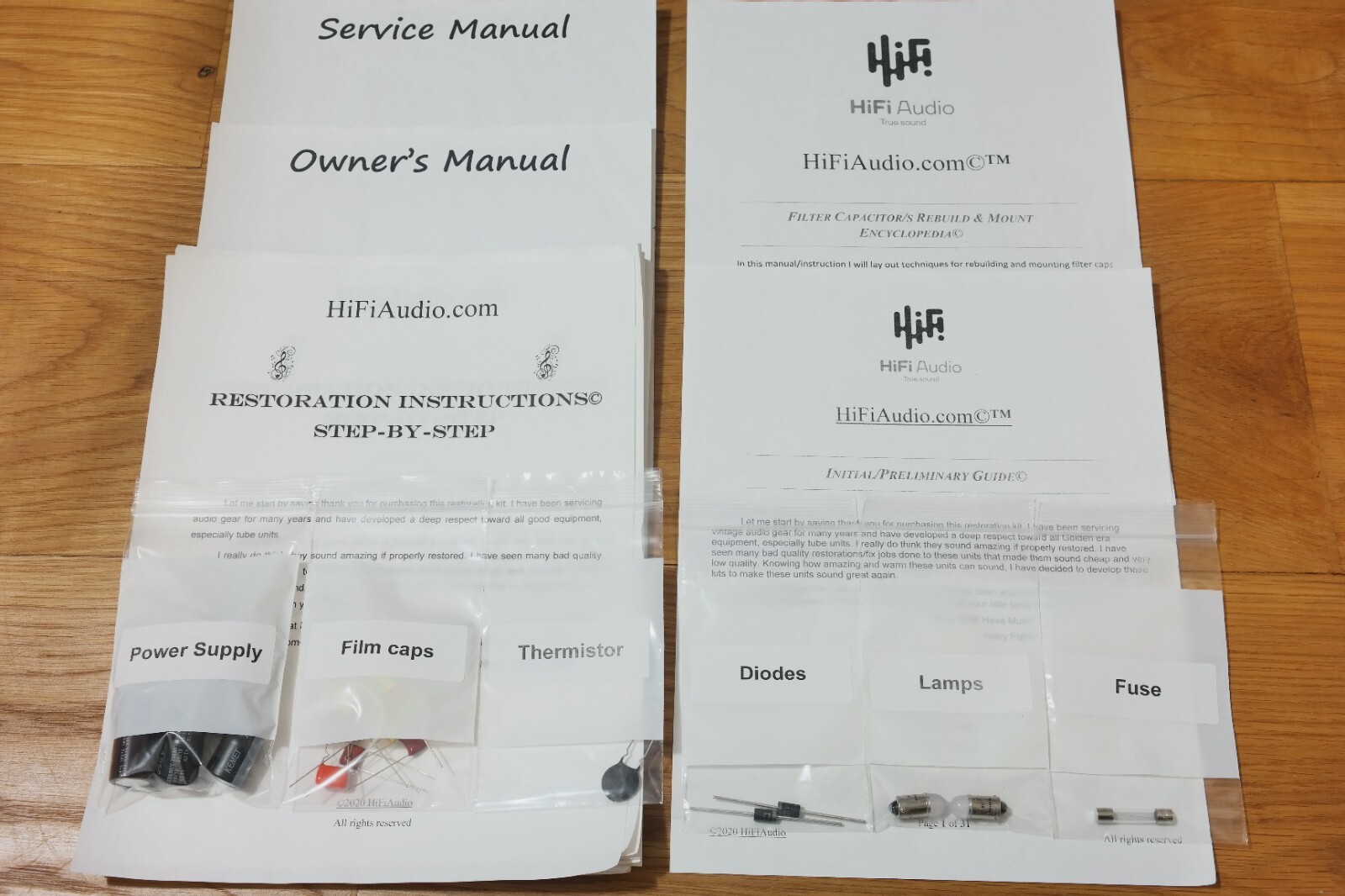
- Capacitor Aging: The electrolytic capacitors in the power supply and signal path may degrade after 40+ years, potentially causing hum, reduced channel output, or instability. A full recapping by a qualified technician is recommended for long-term reliability.
- VU Meter Dimness: The original incandescent bulbs in the meters may burn out or dim. Replacement with modern LED equivalents (with proper current limiting) can restore brightness without altering aesthetics.
- Oxidized RCA Jacks: Input/output jacks may develop poor contact. Light cleaning with isopropyl alcohol and a cotton swab usually restores connectivity.
Given its solid build and serviceable design, the S-3000II is a rewarding candidate for restoration. Its modular layout allows for relatively straightforward troubleshooting and repair.
Current Market Value and Collectibility
The Sherwood S-3000II is not a high-profile collector’s item like a Marantz 2270 or a Yamaha CA-810, but it has developed a quiet following among vintage audio enthusiasts who appreciate its understated performance and reliability. Units in good working condition typically sell for $125 to $225, depending on cosmetic condition, functionality, and included accessories.
Fully restored models with recapped power supplies and cleaned controls may command slightly higher prices, especially when sold as part of a matched Sherwood system. While not yet a “blue-chip” vintage component, the S-3000II represents excellent value for listeners building a classic analog rig without breaking the bank.
Conclusion and Legacy
The Sherwood S-3000II may not have the name recognition of some of its 1970s peers, but it exemplifies the kind of honest, well-engineered design that made the era so special. It doesn’t dazzle with flashy features or exotic components—instead, it focuses on doing the fundamentals exceptionally well: clean gain staging, low distortion, and a musical presentation that invites long listening sessions.
For the vintage audio enthusiast, the S-3000II is a hidden gem—a preamplifier that delivers performance far beyond its modest reputation. Whether you're restoring a classic setup or discovering analog audio for the first time, the Sherwood S-3000II deserves a place on your rack. It’s a quiet reminder that sometimes, the best gear isn’t the loudest—it’s the one that lets the music speak for itself.
eBay Listings


As an eBay Partner, we earn from qualifying purchases. This helps support our independent vintage technology research.
Related Models
- Sherwood S-7010A (1976)
- Sherwood S-7110A (1978)
- Sherwood S-7225A (1975)
- Sherwood RX-4109 (1976)
- Sherwood AI-1110 (1978)
- Luxman L-530 (1975)
- Luxman R-404 (1975)
- Luxman RV-371 (1975)
- Luxman SQ-38U (1975)
- Luxman T-14 (1972)