Sherwood RX-5502: The Understated Workhorse of Late-70s Hi-Fi
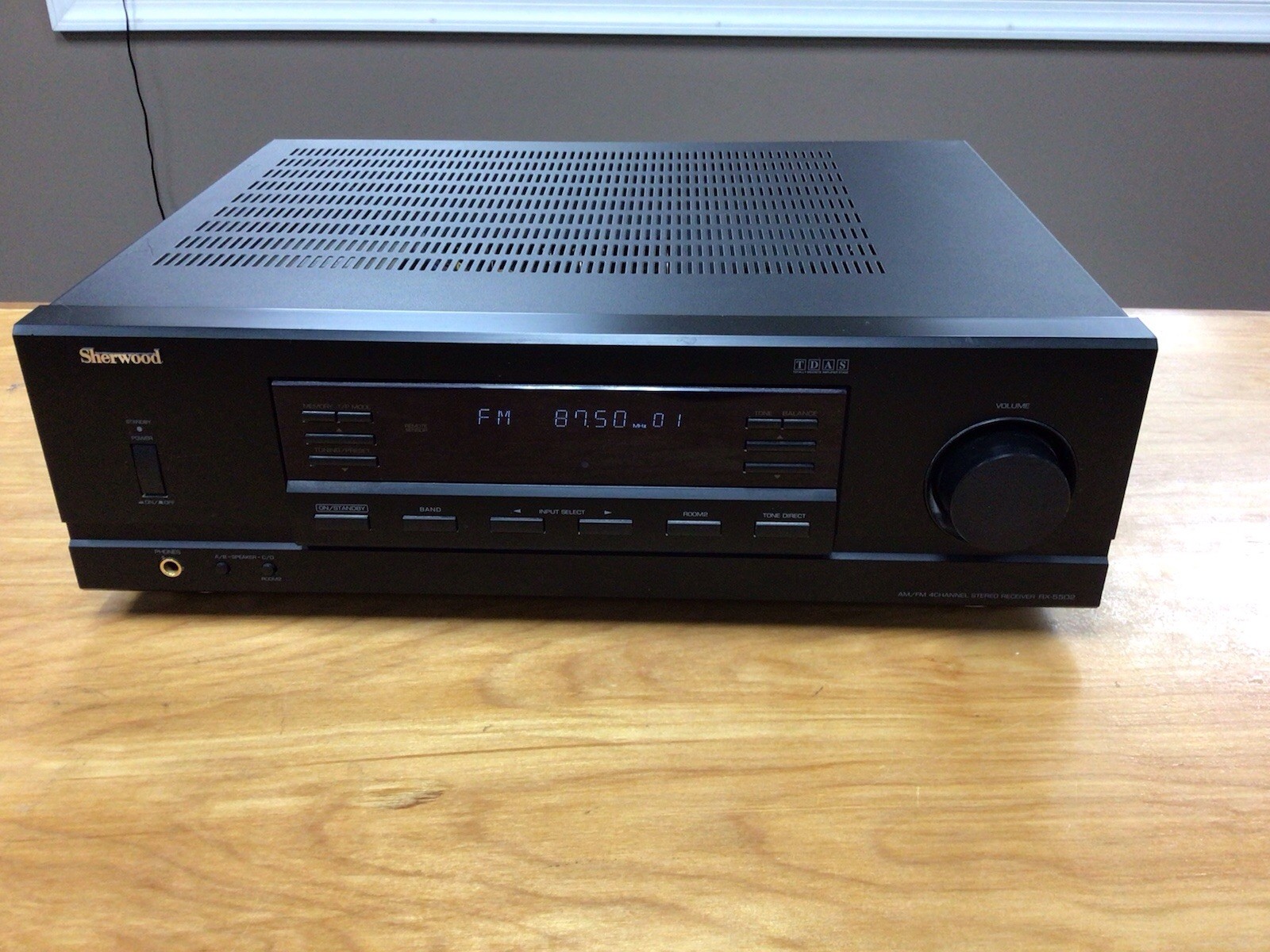
In the golden era of analog audio—when turntables spun vinyl, receivers ruled living rooms, and brands like Pioneer, Sansui, and Marantz dominated audiophile conversations—Sherwood quietly carved out a reputation for building reliable, well-engineered audio gear that punched above its weight. Among their lineup from the late 1970s, the Sherwood RX-5502 stands as a compelling example of a no-frills, high-value integrated amplifier that delivered solid performance without the flashy branding of its more famous contemporaries.
Though not as widely celebrated today as some of its Japanese counterparts, the RX-5502 has earned a quiet following among vintage audio enthusiasts who appreciate its balanced sound, robust build, and thoughtful feature set for its time. Released in 1978, the RX-5502 arrived during a transitional period in audio technology—just before the digital revolution, when analog fidelity was king and component separation was becoming the norm among serious listeners.
Unlike many Sherwood models that were marketed as complete receivers with AM/FM tuners, the RX-5502 was designed primarily as an integrated amplifier, focusing on amplification and source selection rather than radio reception. This made it a favorite among users who already owned high-quality tuners or preferred to build modular systems. Its minimalist front panel, clean layout, and emphasis on audio purity reflect the growing trend toward component-based hi-fi systems in the late '70s.
Technical Specifications
The Sherwood RX-5502 was engineered to deliver clean, dynamic power to a wide range of speakers, making it suitable for both bookshelf setups and larger floor-standing models of the era. While not a high-powered beast by today’s standards, its 45 watts per channel into 8 ohms was more than sufficient for most domestic listening environments.
| Specification | Detail |
| Model | RX-5502 |
| Year Introduced | 1978 |
| Manufacturer | Sherwood Electronics |
| Type | Integrated Amplifier |
| Power Output | 45W per channel (8Ω, RMS) |
| Total Harmonic Distortion | <0.1% (at full power) |
| Frequency Response | 20Hz – 20kHz (+/-0.5dB) |
| Input Sensitivity | 2.5mV (MM), 150mV (Line) |
| Signal-to-Noise Ratio | 80dB (MM), 90dB (Line) |
| Speaker Impedance | 4–16Ω compatible |
| Inputs | 2x Phono (MM), 3x Line (AUX, Tuner, Tape) |
| Outputs | Tape Monitor (Record/Play), Preamp Out |
| Tone Controls | Bass, Treble (±12dB at 50Hz/10kHz) |
| Muting & Loudness | Yes (switchable) |
| Power Supply | Dual mono toroidal (estimated) |
| Dimensions | 17" W × 5.5" H × 14" D |
| Weight | 22 lbs (10 kg) |
One notable aspect of the RX-5502’s design is its use of discrete transistor circuitry—no integrated circuits in the signal path—typical of high-quality amplifiers from this period. This contributes to its warm, natural sound signature and excellent channel separation. The dual phono inputs (both MM) were a thoughtful touch for vinyl enthusiasts who might own multiple turntables or wanted to switch between different cartridges.
Sound Characteristics and Performance
The RX-5502 delivers a sound that can best be described as balanced and musical. It doesn’t lean into exaggerated bass or overly bright highs, instead offering a neutral yet engaging presentation that lets recordings speak for themselves. The midrange is particularly clear, making it excellent for vocal-centric music like jazz, folk, and classic rock.
Its 45-watt output is clean and stable, with minimal compression even at higher volumes. Thanks to a well-designed power supply and robust output stage, the RX-5502 maintains control over speakers with moderate efficiency (86–90dB), though it may struggle slightly with very low-sensitivity or difficult-to-drive loads.
Treble response is smooth and detailed, avoiding the harshness that plagued some budget amplifiers of the era. Bass is tight and well-defined, though not overly emphasized—ideal for accurate reproduction rather than "boom and zoom" effects. The tone controls are musical and effective, allowing users to tailor the sound to their room or preferences without sacrificing clarity.
Notable Features and Innovations
While the RX-5502 doesn’t boast flashy technology, it includes several features that were advanced for a mid-tier integrated amplifier in 1978:
- Dual MM Phono Inputs: A rare feature at this price point, allowing direct connection of two turntables.
- Tape Monitor Loop: Full record and playback monitoring with source selection, useful for cassette dubbing or tape echo effects.
- Preamp Output: Enables future system expansion with a separate power amplifier.
- Loudness Compensation: Engages bass and treble boost at low volumes to compensate for human hearing response.
- Muting Circuit: Reduces turn-on thumps and protects speakers during power-up.
- Solid Build Quality: Heavy steel chassis, quality potentiometers, and durable input switches contribute to long-term reliability.
The front panel features a classic analog VU meter for monitoring output levels—a visual treat that also helps users avoid clipping. The layout is intuitive, with large, clearly labeled knobs for volume, balance, input selection, and tone controls.
Common Issues and Maintenance
Like any vintage electronics from the late 1970s, the Sherwood RX-5502 may require some maintenance after decades of use. However, it is generally considered reliable if properly cared for.
Common issues include:
- Capacitor Aging: Electrolytic capacitors in the power supply and signal path may dry out over time, leading to hum, reduced output, or channel imbalance. A full recapping by a qualified technician is recommended for units that haven’t been serviced in decades.
- Dirty Pots and Switches: The volume and tone controls may develop crackling noises due to oxidation. Cleaning with contact cleaner can often resolve this, though replacement may be needed in severe cases.
- Bias Drift: Output transistors may require bias adjustment to ensure optimal performance and prevent overheating.
- Fuse Replacement: Original fuses should be checked and replaced with correct slow-blow types if blown.
Due to its modular design and use of standard components, the RX-5502 is relatively easy to service compared to more complex receivers of the era. Schematics are occasionally available through online vintage audio forums and collector groups.
Current Market Value and Collectibility
The Sherwood RX-5502 is not a high-profile collector’s item like a Marantz 2270 or a Sansui AU-9900, but it holds steady appeal among budget-conscious audiophiles and DIY restorers. In working condition, it typically sells for $125–$200 on platforms like eBay or Audiogon. Units that have been professionally recapped and serviced may command slightly higher prices.
Its value lies not in rarity, but in performance per dollar. For under $200, buyers get a fully functional, high-quality integrated amplifier capable of driving most vintage or modern bookshelf speakers. It’s an excellent entry point into vintage analog sound without breaking the bank.
While Sherwood never achieved the cult status of some Japanese brands, the RX-5502 exemplifies the company’s commitment to value and reliability. It’s a “sleeper” amplifier—unassuming in appearance, but capable of delivering a surprisingly refined listening experience.
Conclusion and Legacy
The Sherwood RX-5502 may not have made headlines in its day, but it represents the quiet excellence of American audio engineering in the late 1970s. Built for durability, designed for flexibility, and tuned for musicality, it remains a capable performer more than 45 years after its introduction.
For the vintage audio enthusiast, the RX-5502 offers a chance to experience classic analog sound with minimal investment. It’s a reminder that great hi-fi doesn’t always come from famous names—it can also come from a well-built, thoughtfully designed amplifier that simply does its job very well.
If you’re building a retro system or looking for a solid foundation for your analog journey, the Sherwood RX-5502 deserves a second look. It may not shout for attention, but once you power it up and drop the needle, you’ll hear exactly why it’s still remembered.
eBay Listings


As an eBay Partner, we earn from qualifying purchases. This helps support our independent vintage technology research.
Related Models
- Sherwood S-7010A (1976)
- Sherwood S-7110A (1978)
- Sherwood S-7225A (1975)
- Sherwood RX-4109 (1976)
- Sherwood AI-1110 (1978)
- Luxman L-530 (1975)
- Luxman R-404 (1975)
- Luxman RV-371 (1975)
- Luxman SQ-38U (1975)
- Luxman T-14 (1972)