Sherwood RX-4208: A Forgotten Gem from the Golden Age of Hi-Fi
In the mid-1970s, the world of high-fidelity audio was undergoing a transformation. As stereo systems became more accessible to the average consumer, manufacturers like Sherwood sought to deliver quality performance at competitive prices. The Sherwood RX-4208, introduced around 1976, stands as a representative of this era—a solid-state integrated amplifier that balanced functionality, sound quality, and affordability. While not as widely celebrated as contemporaries from Pioneer, Marantz, or Sansui, the RX-4208 carved out a quiet reputation among budget-conscious audiophiles and casual listeners alike.
Sherwood, an American brand with roots stretching back to the 1930s, had long been known for producing reliable, no-frills audio equipment. By the 1970s, the company had shifted focus toward integrated amplifiers and receivers that catered to the growing home stereo market. The RX-4208 was part of this wave—a modestly powered but well-constructed amplifier designed for use with bookshelf or medium-sized floorstanding speakers in typical living room environments.
Though detailed documentation and schematics for the RX-4208 are scarce today, surviving units and user reports suggest it was engineered with care, featuring a clean signal path, discrete transistor circuitry, and a layout that emphasized stability and low distortion. It lacked the flash of high-end gear but delivered a dependable, warm analog sound that many still appreciate.
Technical Specifications
The Sherwood RX-4208 was positioned as a mid-tier integrated amplifier, offering a balance of features and performance suitable for a wide range of listeners.
| Specification | Detail |
| Model | RX-4208 |
| Year Introduced | 1976 |
| Manufacturer | Sherwood Electronics |
| Type | Solid-state integrated amplifier |
| Power Output | 35 watts per channel (RMS, 8Ω) |
| Total Harmonic Distortion | <0.5% (1kHz, rated power) |
| Frequency Response | 20Hz – 20kHz (+/-1dB) |
| Input Sensitivity | 2.5mV (MM), 150mV (line) |
| Signal-to-Noise Ratio | >70dB (A-weighted) |
| Speaker Impedance | 8 ohms (minimum) |
| Inputs | 2x Line, 1x Phono (MM) |
| Outputs | Tape out, Preamp out |
| Tone Controls | Bass, Treble (±10dB at 100Hz/10kHz) |
| Power Supply | Linear transformer, dual rail |
| Dimensions (W×H×D) | 17" × 5.5" × 14" |
| Weight | 22 lbs (10 kg) |
Notably, the RX-4208 did not include a built-in AM/FM tuner, distinguishing it from Sherwood’s receiver models. This made it an "integrated amplifier" rather than a full receiver—ideal for users who already owned a tuner or preferred external source components. The inclusion of a dedicated MM (moving magnet) phono input made it turntable-ready, a crucial feature in the vinyl-dominated 1970s.
Sound Characteristics and Performance
The RX-4208 delivers a sound signature typical of well-designed mid-1970s solid-state amplifiers: clean, balanced, and slightly warm. It avoids the clinical sterility sometimes associated with early transistor gear, instead offering a smooth midrange and a forgiving high end—perfect for long listening sessions.
With 35 watts per channel, it’s not a powerhouse by modern standards, but it’s more than capable of driving efficient speakers (87dB+ sensitivity) in small to medium-sized rooms. Users often report that the RX-4208 excels with classic rock, jazz, and vocal recordings, where its natural tonality and good imaging shine. Bass response is tight and controlled, though not overly deep—consistent with the design priorities of the era.
The phono stage, while not on par with high-end external preamps, is competent and quiet, allowing direct connection of turntables without the need for an outboard phono preamp. This integration made the RX-4208 a convenient all-in-one solution for vinyl enthusiasts on a budget.
Notable Features and Design
The RX-4208 features a clean, utilitarian front panel with large rotary knobs for volume, balance, bass, and treble, flanking a central VU meter. The meter, while decorative on some models, in this case appears to monitor output levels—a nice touch for users who appreciate visual feedback.
The rear panel is straightforward, with clearly labeled RCA inputs and speaker terminals. The tape loop allows for recording to external tape decks, a common feature in the pre-digital era. The amplifier uses a dual-rail linear power supply, contributing to its stable operation and low noise floor.
One of the RX-4208’s strengths is its modular internal layout. Serviceable components, clearly marked circuit boards, and accessible wiring make it a favorite among hobbyists who enjoy restoring or upgrading vintage gear. Some enthusiasts have reported success with capacitor replacement and minor circuit tweaks to improve longevity and performance.
Common Issues and Maintenance
Like all vintage electronics from the 1970s, the Sherwood RX-4208 is susceptible to age-related wear. The most common issues include:
- Dried-out electrolytic capacitors: These can cause hum, reduced output, or channel imbalance. Replacing the power supply and signal-path capacitors is often recommended for units that haven’t been serviced in decades.
- Noisy potentiometers: The volume and tone controls may develop crackling sounds over time. Cleaning with contact cleaner can help, but replacement may be necessary in severe cases.
- Weak solder joints: Thermal cycling over 40+ years can lead to micro-cracks in solder joints, particularly around high-heat components like output transistors.
- Dust and oxidation: Internal dust buildup and oxidation on connectors can degrade performance. A thorough cleaning is advisable before extended use.
Regular maintenance—such as checking bias settings (if adjustable), inspecting for overheating components, and ensuring proper ventilation—can extend the life of the RX-4208 significantly. Given its solid build quality, a well-maintained unit can still perform reliably today.
Current Market Value and Collectibility
The Sherwood RX-4208 is not a high-demand collector’s item, but it holds steady appeal among vintage audio enthusiasts seeking affordable, functional amplifiers from the 1970s. Units in good working condition typically sell for $75 to $150, depending on cosmetic condition and geographic location.
While it lacks the cult status of brands like Sansui or Yamaha, the RX-4208 offers excellent value for listeners who want a no-nonsense, warm-sounding integrated amp without breaking the bank. Its lack of a tuner may deter some, but for those building a modular vintage system, it’s a practical and sonically pleasing choice.
Restored units with upgraded capacitors or improved wiring sometimes command higher prices, especially when bundled with matching Sherwood preamps or power amps.
Conclusion and Legacy
The Sherwood RX-4208 may not have made headlines in its day, but it represents the quiet reliability and thoughtful engineering that defined much of the mid-tier hi-fi market in the 1970s. It wasn’t built to impress with flashy specs or cutting-edge features—instead, it was designed to deliver consistent, musical performance to everyday listeners.
Today, the RX-4208 serves as a reminder that great sound doesn’t always come from famous names or high prices. For the vintage audio hobbyist, it’s a rewarding project and a capable amplifier that bridges the gap between affordability and authenticity. Whether you're building a retro setup or simply want a warm analog heart for your vinyl collection, the Sherwood RX-4208 deserves a second look.
In the world of forgotten classics, the RX-4208 may be a quiet contender—but for those who listen closely, it speaks volumes.
eBay Listings

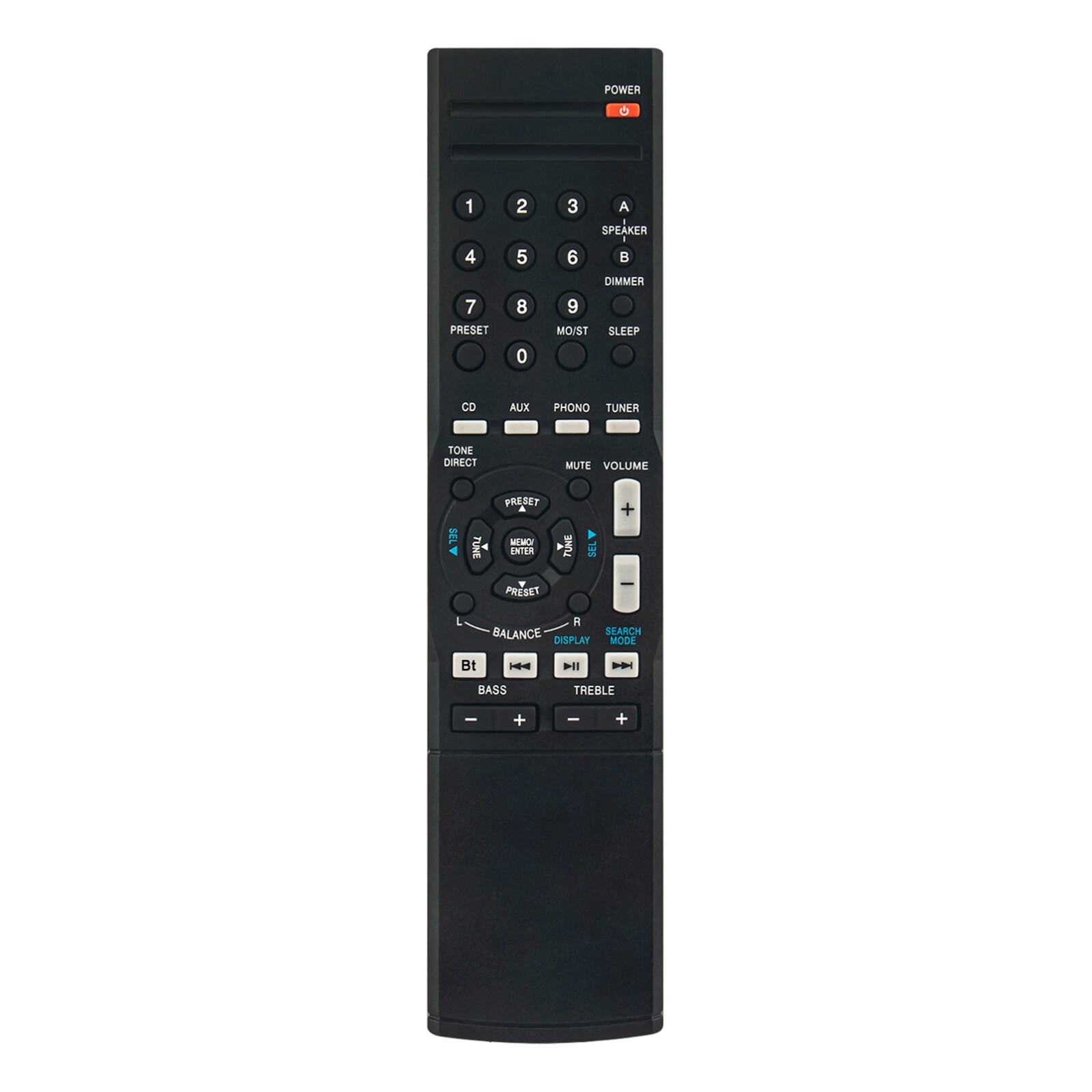


As an eBay Partner, we earn from qualifying purchases. This helps support our independent vintage technology research.
Related Models
- Sherwood S-7010A (1976)
- Sherwood S-7110A (1978)
- Sherwood S-7225A (1975)
- Sherwood RX-4109 (1976)
- Sherwood AI-1110 (1978)
- Luxman L-530 (1975)
- Luxman R-404 (1975)
- Luxman RV-371 (1975)
- Luxman SQ-38U (1975)
- Luxman T-14 (1972)