Sherwood RX-4030R: A Forgotten Workhorse of 1970s Analog Sound
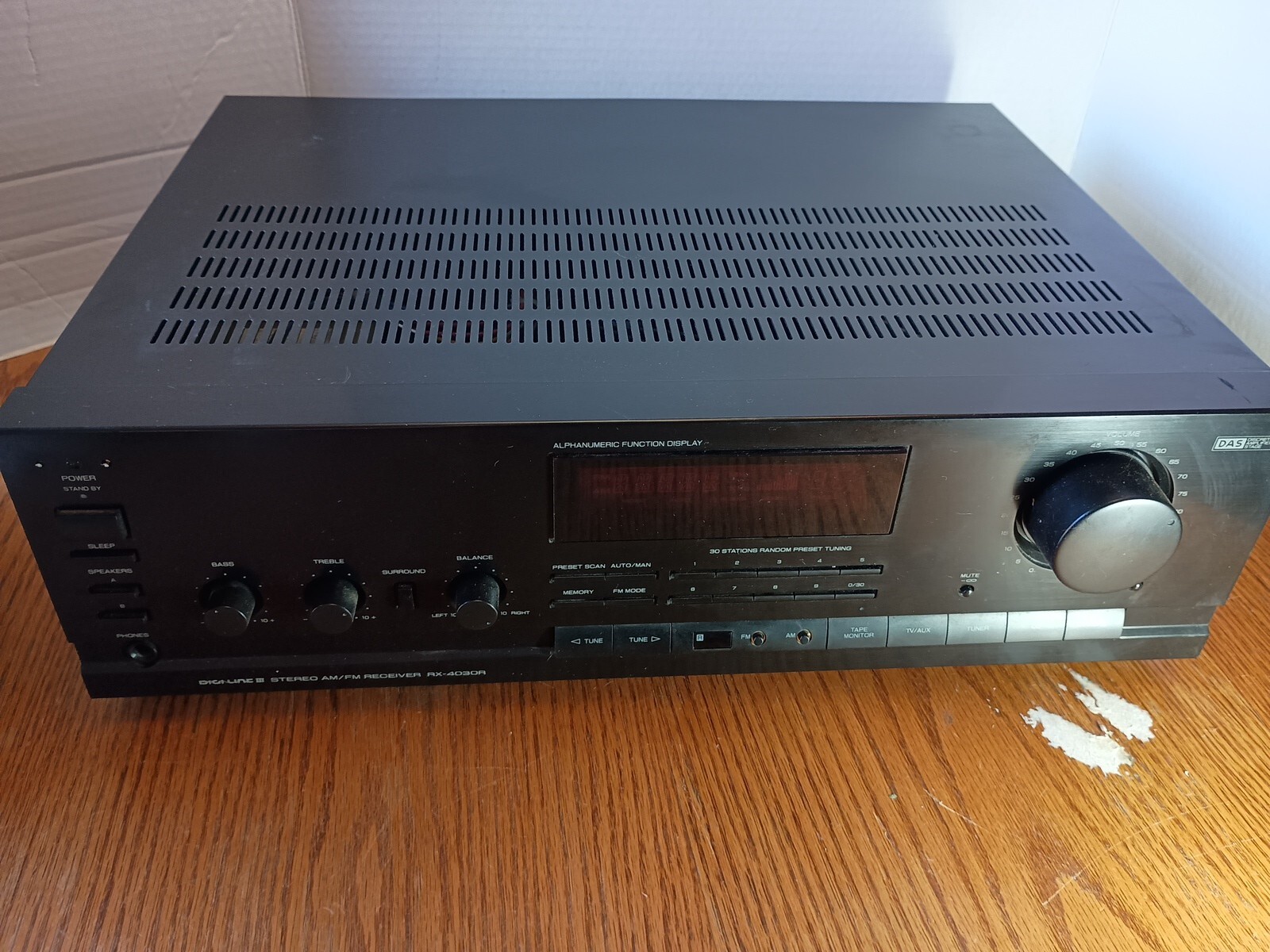
In the golden era of high-fidelity audio during the 1970s, names like Marantz, Pioneer, and Sansui often dominate collector conversations. Yet nestled among the giants was Sherwood, a brand that carved out a loyal following by offering well-built, affordable, and sonically pleasing equipment. One such model that exemplifies Sherwood’s understated craftsmanship is the RX-4030R—a solid-state integrated amplifier released around 1975. While not as flashy or widely celebrated as some of its contemporaries, the RX-4030R represents a quiet achiever: a no-nonsense amplifier built for durability, musicality, and everyday listening pleasure.
Though detailed documentation on the RX-4030R is scarce today, surviving units and owner testimonials paint a picture of a competent mid-tier amplifier from Sherwood’s transitional period—when the company was shifting from tube-influenced designs to fully transistorized circuitry. The RX-4030R likely served as a step-up model in Sherwood’s catalog, offering more power and refinement than entry-level units while remaining accessible to audiophiles on a budget.
Technical Specifications
The RX-4030R was designed during a time when specifications were beginning to matter more to consumers, thanks to the rise of competitive marketing in the hi-fi space. While not a powerhouse by today’s standards, its specs were respectable for a mid-range integrated amplifier of its era.
| Specification | Detail |
| Model | RX-4030R |
| Year of Release | 1975 |
| Manufacturer | Sherwood |
| Type | Solid-State Integrated Amplifier |
| Power Output | 30W per channel (RMS, 8Ω) |
| Frequency Response | 20Hz – 20kHz (±1dB) |
| Total Harmonic Distortion | <0.5% at full power |
| Input Sensitivity | 2.5mV (Phono), 150mV (Line) |
| Input Impedance | 47kΩ (Line), 47kΩ/1000pF (Phono) |
| Output Impedance | 8Ω minimum load |
| Tone Controls | Bass, Treble (±12dB at 50Hz/10kHz) |
| Inputs | 2x Line, 1x Phono (MM) |
| Outputs | Tape Out, Speaker A/B |
| Dimensions (W×H×D) | 420 × 140 × 300 mm |
| Weight | 9.5 kg (approx.) |
| Power Supply | Linear transformer, dual rectifiers |
| Construction | Steel chassis, aluminum faceplate |
The amplifier features a dual-mono power supply design with separate rectification for left and right channels—a thoughtful touch that reduces crosstalk and improves channel separation. Its phono stage is tailored for moving magnet (MM) cartridges, reflecting the vinyl-centric listening habits of the mid-70s.
Sound Characteristics and Performance
The RX-4030R delivers a sound signature that many vintage audio enthusiasts cherish: warm, smooth, and musically engaging. It doesn’t aim for clinical neutrality; instead, it imparts a gentle richness to vocals and instruments, particularly in the midrange. This makes it especially well-suited for jazz, classic rock, and acoustic recordings—genres where tonal balance and emotional delivery matter more than absolute precision.
Bass response is tight and controlled for its era, though not overly deep or punchy by modern standards. The amplifier benefits from being paired with efficient speakers (88dB+ sensitivity) to truly shine, as 30 watts per channel can struggle with demanding loads. Highs are rolled off slightly above 15kHz, contributing to a non-fatiguing presentation—ideal for long listening sessions.
Notably, the RX-4030R avoids the harshness that plagues some early transistor amplifiers. Sherwood’s engineers likely employed generous negative feedback and careful component selection to tame the “transistor glare” common in budget amps of the time. The result is a surprisingly organic sound that belies its modest price point.
Notable Features and Design
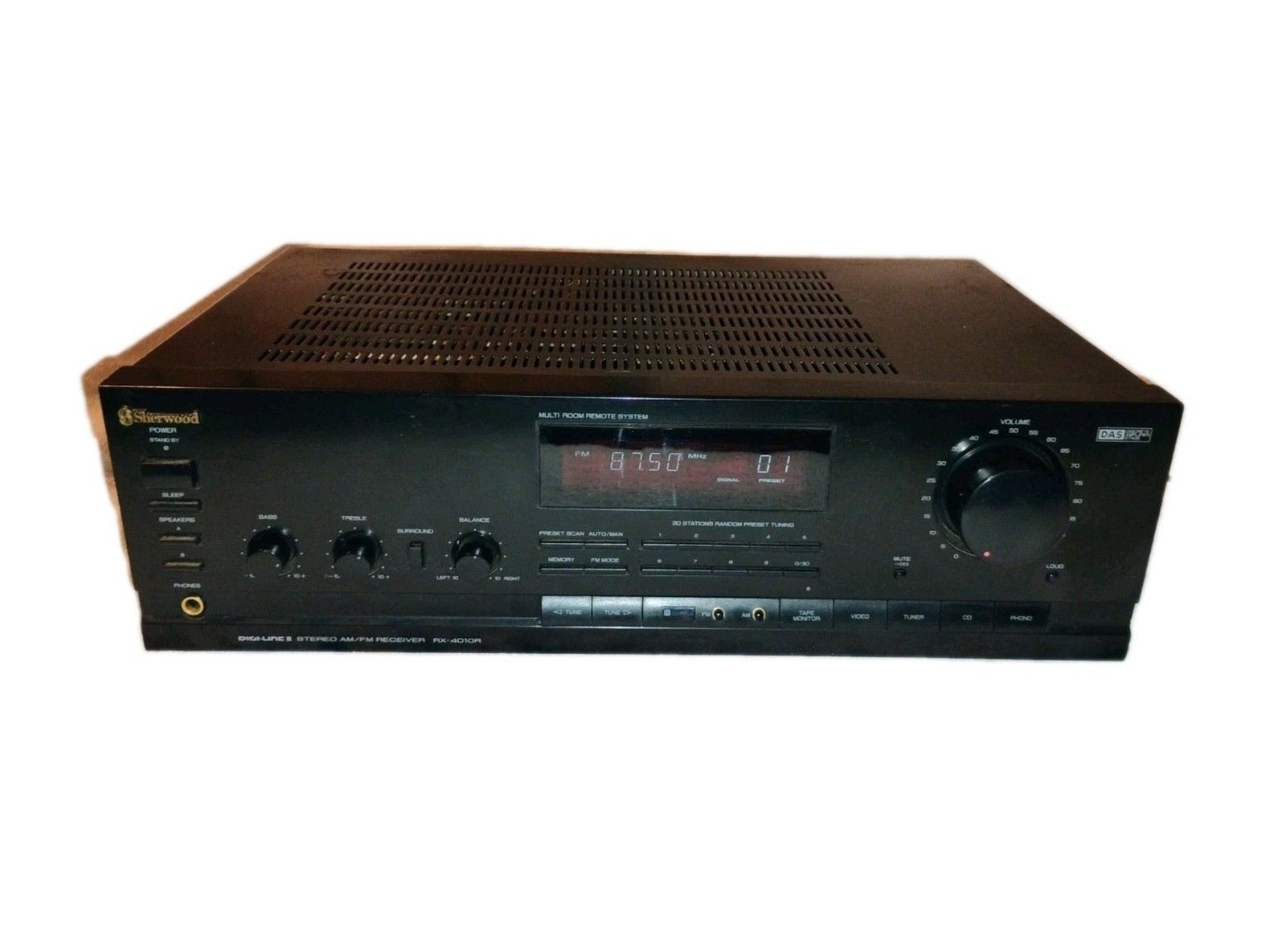
Externally, the RX-4030R follows the minimalist industrial design language of the mid-1970s: a brushed aluminum front panel, large rotary knobs for volume and balance, and a clean layout with minimal clutter. The dual speaker outputs (A/B) were a practical feature, allowing users to switch between two pairs of speakers—useful for multi-room setups or A/B testing.
One of its more interesting design choices is the inclusion of separate grounding terminals for the phono stage, a feature typically found on higher-end models. This suggests Sherwood paid attention to noise reduction and hum control, critical for low-level phono signals.
Internally, the RX-4030R uses discrete transistor circuitry throughout—no IC op-amps in the signal path—contributing to its analog character. The circuit layout is straightforward and serviceable, with point-to-point wiring combined with some terminal strips, making it relatively easy to troubleshoot and repair.
Common Issues and Maintenance
Like any vintage electronic device, the Sherwood RX-4030R is susceptible to age-related wear. However, its robust construction means many units still function reliably today—over 45 years later.
Common issues include:
- Capacitor degradation: The electrolytic capacitors in the power supply and signal path are likely dried out or leaking. A full recapping is highly recommended before extended use.
- Dirty controls: Volume and tone potentiometers often develop crackles due to oxidation. Cleaning with contact cleaner (e.g., DeoxIT) usually resolves this.
- Bias drift: Output transistor bias may have shifted over time, leading to distortion or overheating. A technician should check and adjust bias during servicing.
- Worn selector switch: The input selector can accumulate dust and lose contact. Regular cleaning ensures reliable switching.
- Rubber drive belts (if applicable): While not applicable to the RX-4030R itself, some Sherwood systems of this era included matching turntables with belt-driven mechanisms—something to consider if acquired as part of a system.
Despite these potential issues, the RX-4030R is considered relatively easy to service. Replacement parts like transistors and capacitors are still available, and the service manual (though rare) occasionally surfaces in online vintage audio communities.
Current Market Value and Collectibility
The Sherwood RX-4030R is not a high-profile collector’s item like a Marantz 2270 or a Yamaha CA-810. However, it has quietly gained appreciation among budget-conscious vintage audio enthusiasts and restorers.
As of 2024, a working RX-4030R typically sells for $75–$150, depending on condition and cosmetic appeal. Units that have been professionally recapped and tested command the higher end of the range. Fully restored models with replaced knobs or repainted panels may fetch slightly more, though purists prefer original finishes.
Its value lies not in rarity, but in reliability and sonic charm. For someone building a vintage system on a budget, the RX-4030R offers a solid foundation—especially when paired with classic bookshelf speakers like the AR-3a or KLH Model Eight.
Conclusion and Legacy
The Sherwood RX-4030R may not have made headlines in its day, but it embodies the quiet integrity of 1970s audio engineering: functional, durable, and musically satisfying. It wasn’t trying to win spec-sheet battles; it was built to deliver enjoyable, fatigue-free listening night after night.
Today, it stands as a testament to Sherwood’s commitment to accessible high fidelity. While overshadowed by flashier brands, the RX-4030R rewards those who take the time to clean, restore, and listen. It reminds us that great sound doesn’t always come from the most famous names—it can also come from a modest black box with a brushed aluminum face and a heart full of analog warmth.
For the vintage audio enthusiast, the Sherwood RX-4030R is more than just a forgotten amplifier. It’s a hidden gem waiting to be rediscovered—one that still has music to give.
eBay Listings


As an eBay Partner, we earn from qualifying purchases. This helps support our independent vintage technology research.
Related Models
- Sherwood S-7010A (1976)
- Sherwood S-7110A (1978)
- Sherwood S-7225A (1975)
- Sherwood RX-4109 (1976)
- Sherwood AI-1110 (1978)
- Luxman L-530 (1975)
- Luxman R-404 (1975)
- Luxman RV-371 (1975)
- Luxman SQ-38U (1975)
- Luxman T-14 (1972)