Scott 299C: The Pinnacle of Tube Preamplifier Craftsmanship
In the pantheon of vintage audio equipment, few names command as much reverence as Scott. During the 1950s and 1960s, Scott Radio Laboratories—founded by the brilliant engineer Edward H. Scott—set a new standard for high-fidelity audio reproduction. Among their most celebrated creations is the Scott 299C, a vacuum tube preamplifier that remains a benchmark for audiophiles and collectors alike. Though it may not be as widely recognized as some of its contemporaries, the 299C embodies the meticulous engineering, elegant design, and sonic excellence that defined the golden age of hi-fi.
Historical Context: The Rise of Scott
Edward Scott was a pioneer in audio engineering, known for his commitment to transparency, accuracy, and innovation. His company, Scott Radio Laboratories, gained early acclaim for its FM tuners and amplifiers that emphasized low distortion and wide frequency response—unheard-of achievements in the 1940s and 1950s. By the mid-1950s, Scott had firmly established itself as a leader in the high-end audio market.
The 299C, introduced in 1955, was part of Scott’s flagship line of preamplifiers, succeeding earlier models like the 299 and 299A. It was designed to serve as the control center for serious two-channel audio systems, offering precise signal routing, exceptional gain staging, and a sonic signature that many still describe as “effortless” and “lifelike.” Built during the height of the tube era, the 299C reflects a time when audio components were engineered not just to perform, but to endure.
Technical Specifications
The Scott 299C is a dual-mono, vacuum tube preamplifier that exemplifies the best of mid-century American engineering. Its circuitry is based on a carefully balanced design that prioritizes low noise, wide bandwidth, and minimal harmonic distortion. While original documentation is scarce, surviving units and service manuals provide insight into its impressive technical foundation.
| Specification | Detail |
| Model | 299C |
| Year Introduced | 1955 |
| Type | Tube Preamplifier |
| Tubes Used | 6SN7GT (x4), 6.3V Filament |
| Inputs | 2 Phono (MM), 2 Line |
| Outputs | 1 Main, 1 Tape/Rec |
| Frequency Response | 10 Hz – 100 kHz (±1 dB) |
| Total Harmonic Distortion | <0.1% at rated output |
| Input Impedance (Phono) | 47kΩ |
| Input Sensitivity (Phono) | 5 mV |
| Input Sensitivity (Line) | 150 mV |
| Output Impedance | 10kΩ |
| Power Supply | Linear Transformer-Coupled |
| Dimensions (W×H×D) | 17" × 7" × 10.5" |
| Weight | 22 lbs (10 kg) |
| Finish | Brushed Aluminum Front Panel, Black Cabinet |
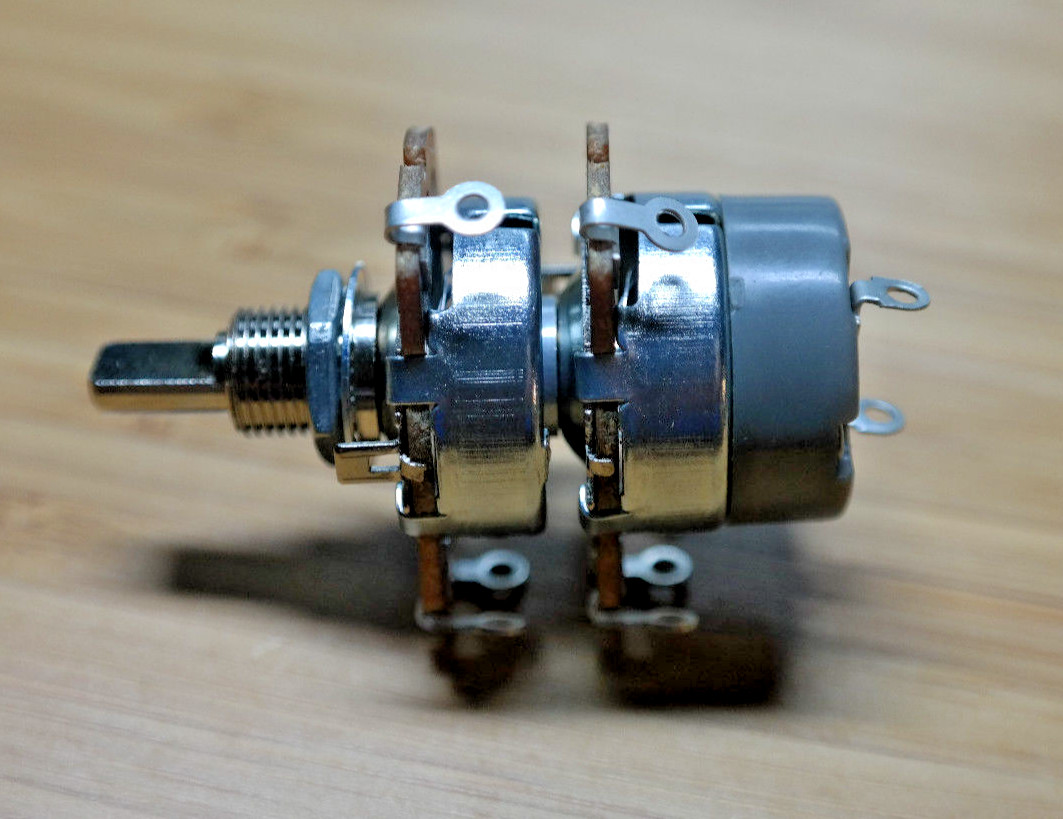
The 299C uses a dual 6SN7GT tube configuration per channel in its phono stage, providing excellent gain and low noise for moving magnet cartridges of the era. The line stage is equally refined, with passive tone controls and a high-quality stepped attenuator for volume adjustment—unusual for its time, as most competitors used potentiometers prone to wear and noise.
Sound Characteristics and Performance
The sonic signature of the Scott 299C is often described as smooth, detailed, and harmonically rich. Unlike some tube gear that leans toward warmth at the expense of clarity, the 299C achieves a rare balance: it delivers the lush midrange and three-dimensional imaging that tube lovers adore, while maintaining exceptional transparency and transient response.
Its phono stage is particularly noteworthy. With a flat frequency response extending well beyond the audible range and distortion figures rivaling modern solid-state designs, the 299C brings out the best in vintage vinyl recordings. String instruments have palpable texture, vocals are rendered with startling presence, and the soundstage is wide, deep, and precisely layered.
Many users report that the 299C imparts a sense of calm authority to music—there’s no strain, no harshness, just a natural flow that invites long listening sessions. When paired with high-efficiency speakers and a quality tube power amplifier (such as a McIntosh or Marantz of the era), the 299C forms the heart of a system that remains musically compelling even by today’s standards.
Notable Features and Innovations
The Scott 299C was ahead of its time in several key areas:
- Dual-Mono Design: The left and right channels are completely isolated, minimizing crosstalk and preserving stereo imaging.
- Precision Attenuator: A high-quality, multi-position rotary switch for volume control ensures consistent channel balance and eliminates the crackling associated with worn potentiometers.
- Passive Tone Controls: Unlike active tone circuits that can degrade signal quality, the 299C uses passive EQ networks that maintain signal integrity while allowing subtle tonal shaping.
- High-Quality Components: Scott used military-grade resistors, paper-in-oil capacitors, and hand-wired point-to-point construction—overkill by contemporary standards, but a recipe for longevity.
- Regulated Power Supply: For its time, the 299C featured a well-filtered, low-ripple power supply that contributed to its low noise floor and stable operation.
The front panel is minimalist and elegant: a large central volume knob, toggle switches for input selection, and small, clearly labeled controls for bass, treble, and balance. The brushed aluminum faceplate and black cabinet exude understated sophistication—a design philosophy that Scott maintained across its product line.
Common Issues and Maintenance
As with any 70-year-old tube equipment, the Scott 299C requires careful attention to remain in optimal condition. While its build quality is exceptional, time takes its toll.
- Capacitor Aging: The paper and electrolytic capacitors should be replaced by a qualified technician. Old caps can leak, cause hum, or even damage transformers.
- Tube Wear: The 6SN7GT tubes are still available (NOS or new production), but should be tested or replaced if noisy or microphonic.
- Switch and Pot Cleaning: The input selectors and tone controls may develop crackle; contact cleaner or professional cleaning is recommended.
- Transformer Health: The power and output transformers are robust, but should be checked for continuity and insulation resistance.
Because of its hand-wired construction and high-quality materials, the 299C often survives in good working order—especially if it has been stored properly. However, never power up a unit without a safety check, as failed components can lead to further damage.
Current Market Value and Collectibility
The Scott 299C is a highly sought-after collector’s item, particularly among enthusiasts of vintage tube gear. Complete, working units in good cosmetic condition typically sell for $800 to $1,500, with exceptional examples commanding more. Units with original tubes, manuals, or factory packaging are especially prized.
Its rarity, combined with Scott’s legendary reputation, ensures strong demand. While not as common as Marantz or Fisher models, the 299C is recognized by connoisseurs as one of the finest preamplifiers of the 1950s. It’s not just a nostalgic relic—it’s a genuinely high-performance component that can hold its own in modern systems when properly restored.
Conclusion: A Legacy of Excellence
The Scott 299C is more than a vintage preamplifier—it’s a testament to a time when audio engineering was a craft, not a commodity. Its combination of technical innovation, sonic purity, and timeless design makes it a cornerstone of any serious vintage audio collection.
For the audiophile who values musicality over specs, the 299C offers something rare: a direct connection to the soul of recorded music. It doesn’t call attention to itself; instead, it disappears, leaving only the performance. In an age of digital precision, the Scott 299C reminds us that the best audio equipment doesn’t just reproduce sound—it reveals emotion.
If you’re lucky enough to find one in good condition, consider it not just a purchase, but an investment in the history of high-fidelity sound.
eBay Listings


As an eBay Partner, we earn from qualifying purchases. This helps support our independent vintage technology research.
Related Models
- Scott 200B (1960)
- Scott 210E (1956)
- Scott 222C (1972)
- Scott 233 (1972)
- Scott 260 (1964)
- Luxman L-530 (1975)
- Luxman R-404 (1975)
- Luxman RV-371 (1975)
- Luxman SQ-38U (1975)
- Luxman T-14 (1972)