Sanyo TP-1005: The Unassuming Workhorse of 1970s Turntable Design
In the mid-1970s, Japanese electronics manufacturers flooded global markets with affordable, well-engineered audio gear that brought high-fidelity sound within reach of the average consumer. Sanyo, though often overshadowed by giants like Sony, Pioneer, and Technics, was a key player in this golden era of analog audio. Among its many offerings was the Sanyo TP-1005, a compact belt-drive turntable that exemplified the company’s philosophy of functional design, reliability, and value. While not a flagship model or a showstopper in terms of audiophile pedigree, the TP-1005 carved out a quiet reputation as a dependable, no-frills record player—perfect for casual listeners, dorm rooms, and secondary systems.
Though detailed factory specifications and original marketing materials for the TP-1005 are scarce today, surviving units and user accounts paint a consistent picture of a modest yet thoughtfully engineered turntable that reflects Sanyo’s broader commitment to quality during the analog heyday.
Technical Specifications
The Sanyo TP-1005 was designed as a straightforward, entry-to-mid-level turntable, likely intended for integration into compact stereo systems or as a standalone component for budget-conscious buyers. It features a classic belt-drive mechanism, which helped isolate the platter from motor vibrations—a significant advantage over cheaper direct-drive or idler-wheel designs of the era.
| Specification | Detail |
| Model | TP-1005 |
| Manufacturer | Sanyo Electric Co., Ltd. |
| Year of Release | 1975 |
| Turntable Type | Belt-drive, manual operation |
| Platter | Die-cast aluminum, 12" diameter |
| Motor | AC synchronous motor |
| Speeds | 33⅓, 45 RPM (manual belt positioning) |
| Drive System | Rubber belt, single pulley |
| Tonearm | S-shaped, static balanced, ~8" length |
| Cartridge | Ceramic (factory-mounted, likely Sanyo-branded) |
| Tracking Force | Adjustable via counterweight (~3–5 grams) |
| Anti-Skate | None or rudimentary (common for class) |
| Signal Output | ~4–6 mV (ceramic cartridge typical) |
| Dimensions | Approx. 40 cm × 35 cm × 12 cm (W×D×H) |
| Weight | ~4.5 kg (10 lbs) |
| Power | AC adapter or internal transformer (6–9V) |
| Color Options | Black or woodgrain vinyl laminate |
The TP-1005 lacks advanced features like auto-return, electronic speed control, or a strobe light, placing it firmly in the category of basic, user-serviceable turntables. Its construction is mostly plastic and MDF with a metal platter and subchassis, typical for the price point. The damped subplatter and felt mat help reduce resonance, contributing to a cleaner sound.
Sound Characteristics and Performance
As with most belt-drive turntables of its class, the Sanyo TP-1005 delivers a warm, forgiving sound profile—partly due to its use of a ceramic cartridge, which was standard in budget and mid-tier models of the 1970s. Ceramic cartridges are known for their high output and durability, but they tend to lack the nuance, detail, and frequency extension of modern moving-magnet (MM) designs. Bass response is adequate but not deep, while highs are smooth—sometimes bordering on rolled-off.
That said, the TP-1005’s belt-drive system does a commendable job of minimizing motor noise and vibration, resulting in a relatively quiet background and stable pitch. Speed consistency is generally good, though minor wow and flutter may be present over time, especially if the belt degrades or the motor ages. When properly maintained, the TP-1005 provides a listenable, musical experience—ideal for classic rock, pop, and jazz from the era.
It’s worth noting that the tonearm, while functional, is not of audiophile quality. Its higher effective mass and limited adjustability mean it’s best paired with heavier tracking cartridges if upgraded. However, for casual listening, the stock setup is perfectly serviceable.
Notable Features and Design Philosophy
What sets the TP-1005 apart isn’t innovation, but thoughtful execution. Sanyo prioritized ease of use and long-term reliability in this model:
- Simple Speed Change: Switching between 33⅓ and 45 RPM requires manually moving the drive belt from one pulley step to another—a common design at the time. While not as convenient as electronic speed switching, it’s a durable, low-failure method.
- Integrated Dust Cover: The hinged, clear acrylic dust cover protects the platter and record when not in use, a practical touch for home environments.
- Low Maintenance Design: With minimal electronics and a straightforward mechanical layout, the TP-1005 is easy to service. Most parts are accessible without specialized tools.
- Compact Footprint: Its smaller size made it ideal for bookshelf systems, portable setups, or space-limited environments—unlike bulkier audiophile turntables of the era.
Sanyo also marketed the TP-1005 as part of system-matching strategies, often pairing it with their own receivers and speakers. This ecosystem approach was common among Japanese brands and helped ensure compatibility and consistent performance across components.
Common Issues and Maintenance Tips
Like all vintage belt-drive turntables, the Sanyo TP-1005 is susceptible to age-related wear. The most frequent issues include:
- Deteriorated Belt: The rubber drive belt hardens and cracks over time. Replacement with a modern silicone belt (e.g., 8.5–9mm inner diameter) is essential for proper operation.
- Dusty or Sticky Motor: Accumulated dust or dried lubricant in the motor housing can cause speed instability. Gentle cleaning and relubrication (with appropriate grease) can restore performance.
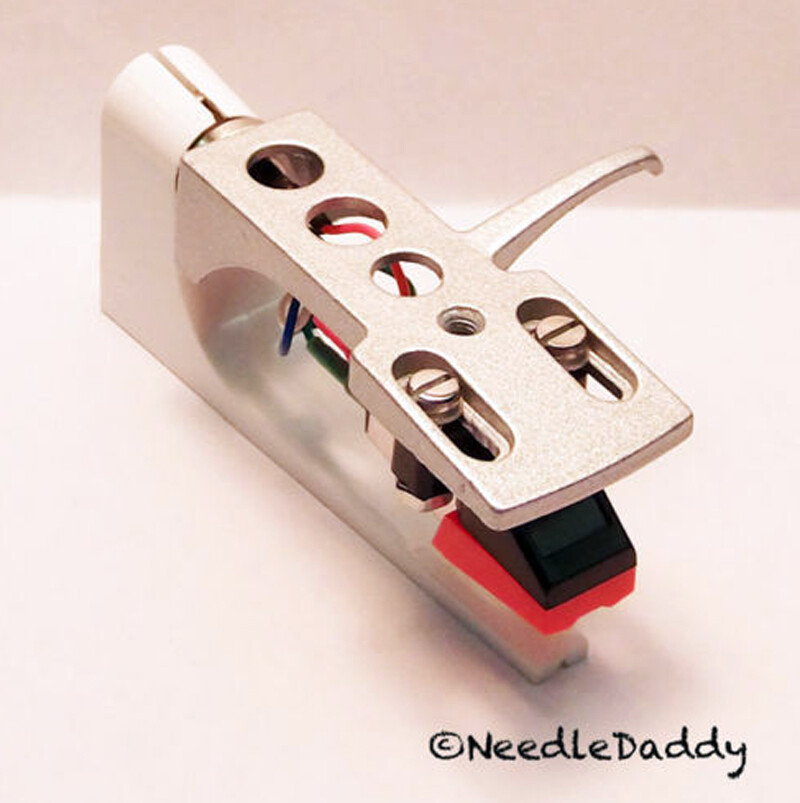
- Worn or Misaligned Cartridge: The original ceramic cartridge may become unbalanced or lose output. Upgrading to a modern MM cartridge (with a suitable headshell adapter if needed) can significantly improve sound quality.
- Tonearm Stiction: The tonearm pivot may become sticky due to dried lubricant. Careful disassembly and cleaning can resolve this.
- Power Supply Issues: If the unit uses an external adapter, ensure voltage compatibility and stable output. Internal transformers are generally reliable but should be checked for hum or overheating.
Regular cleaning of the stylus (with a soft brush or stylus cleaner) and records will also preserve sound quality and reduce wear.
Current Market Value and Collectibility
The Sanyo TP-1005 is not a highly sought-after collector’s item, but it holds steady appeal among vintage audio enthusiasts, DIYers, and those restoring period-correct systems. Units in working condition typically sell for $40–$80 on secondary markets like eBay or audio forums. Fully restored models with upgraded cartridges or new belts may command slightly higher prices.
Its value lies more in utility than rarity. For beginners exploring analog audio on a budget, the TP-1005 offers a low-risk entry point. With a $20 belt replacement and a $30 MM cartridge upgrade, it can outperform many modern budget turntables in build quality and sound.
While not a Technics SL-1200 or a Linn Sondek, the TP-1005 represents the quiet backbone of 1970s hi-fi: honest, unpretentious, and built to last.
Conclusion: A Forgotten Gem of Analog Simplicity
The Sanyo TP-1005 may not have made headlines, but it embodies the spirit of accessible, reliable analog audio that defined an era. It’s a turntable that prioritized function over flash, durability over trendiness. For those who appreciate the tactile ritual of placing a record, dropping the needle, and hearing music come alive through warm, analog channels, the TP-1005 delivers.
It won’t rival high-end decks in precision or detail, but in its modest way, it honors the music. And sometimes, that’s all a turntable needs to do.
If you stumble upon a TP-1005 in a thrift store or attic, don’t overlook it. With a little care, this unassuming Sanyo can still spin vinyl with charm and character—proving that even the quietest players have a voice worth hearing.
eBay Listings



As an eBay Partner, we earn from qualifying purchases. This helps support our independent vintage technology research.
Related Models
- Sanyo DCX-3300 (1978)
- Sanyo TP-728 (1978)
- Sanyo DCX-685 (1978)
- Sanyo DCX-3300KB (1978)
- Sanyo DCX-4000 (1979)
- Luxman PD-272 (1983)
- Garrard 2025tc (1968)
- Onkyo CP-1010 (1976)
- Pioneer PL-15R (1975)
- Pioneer PL-250 (1979)