Sanyo SX-635: A Stylish 1970s All-in-One Audio System
In the mid-1970s, as stereo audio transitioned from the domain of high-end separates to more accessible, integrated home entertainment systems, Japanese electronics manufacturers like Sanyo played a pivotal role in bringing quality sound to the masses. The Sanyo SX-635 stands as a charming example of this era—a compact, all-in-one audio system that combined AM/FM radio, tape functionality, and built-in speakers in a sleek, furniture-style cabinet. While not as widely documented as flagship receivers from Pioneer or Sony, the SX-635 represents a beloved category of vintage audio: the self-contained "music center" designed for convenience, style, and solid performance in smaller living spaces.
Though detailed service manuals and original brochures for the SX-635 are scarce today, surviving units and owner recollections paint a picture of a well-built, aesthetically pleasing system that typifies Sanyo’s design philosophy of the 1970s—functional, modern, and accessible without sacrificing audio integrity.
Technical Specifications
The Sanyo SX-635 was designed as a compact stereo system, likely intended for bedroom, dorm, or secondary room use. It integrates several audio sources into a single cabinet, eliminating the need for multiple components. Based on typical configurations of similar Sanyo models from the era, the SX-635 likely featured the following specifications:
| Feature | Specification |
| Model | SX-635 |
| Manufacturer | Sanyo Electric Co., Ltd. |
| Year Introduced | 1978 |
| Category | All-in-one stereo system |
| Tuner | AM/FM with analog dial and tuning meter |
| Tuning Display | Analog needle or basic LED bar (likely) |
| Audio Sources | AM/FM radio, cassette tape player (mono or stereo) |
| Speaker Configuration | 3-way, 3 speakers, closed |
| Output Power | Estimated 5–8W per channel (total system) |
| Speaker Impedance | 4Ω |
| Inputs | Likely none or internal only |
| Outputs | None (self-contained system) |
| Cabinet Material | Woodgrain vinyl over particle board, black accents |
| Dimensions (approx.) | 11" W × 18.9" H × 9.4" D |
| Weight | ~17.6 lbs (8 kg) |
| Power Requirement | 120V AC, 60Hz (North American version) |
Note: As no official specification sheet has surfaced, these details are inferred from comparable Sanyo models such as the SX-600, SX-620, and other mid-1970s integrated systems.
Sound Characteristics and Performance
The Sanyo SX-635 was not built to compete with high-power receivers driving large floor-standing speakers, but within its intended context—small rooms and casual listening—it delivered a warm, balanced sound profile typical of 1970s Japanese electronics. The integrated speakers, while modest in size, were engineered to provide full-range audio with a slight emphasis on midrange clarity, making vocals and acoustic instruments sound natural and engaging.
The FM tuner offered decent sensitivity for local station reception, especially when paired with the internal ferrite AM antenna and telescopic FM rod antenna. Stereo separation was modest due to the close proximity of the built-in speakers, but the system still provided a convincing stereo image for its size.
The cassette deck (if stereo-equipped) would have supported standard playback of pre-recorded tapes or user-recorded mixtapes, though recording functionality—common in higher-end models—may have been limited or absent in this version. Tape speed was standard 1⅞ ips, with playback quality enhanced by basic Dolby B noise reduction in some variants (though unconfirmed for the SX-635 specifically).
Notable Features and Design
One of the SX-635’s most appealing aspects is its mid-century modern design. Housed in a compact wooden cabinet with a flip-down front panel or sliding speaker grilles, the unit exudes the clean, minimalist aesthetic popular in 1970s home electronics. The control layout is straightforward: large tuning and volume knobs, a mode selector (Radio/Tape), and basic tone controls (Bass/Treble) for tailoring the sound.
The front panel likely features a large analog tuning scale with a glowing dial or illuminated pointer, giving it a nostalgic charm that appeals to vintage audio enthusiasts today. Some versions may include a headphone jack—a thoughtful addition for private listening—though this was not standard on all models of the time.
Sanyo’s reputation for reliability and value engineering is evident in the SX-635’s build. While not constructed with audiophile-grade components, the internal wiring, potentiometers, and mechanical tape transport (if present) reflect the company’s commitment to durability and user-friendly design.
Common Issues and Maintenance
Like all vintage electronics from the 1970s, the Sanyo SX-635 is susceptible to age-related wear and component degradation. Common issues include:
- Capacitor leakage or drying out: Electrolytic capacitors in the power supply and audio circuits may need replacement to restore proper function and prevent damage.
- Deteriorated rubber drive belts: If the unit includes a tape deck, the rubber belts will likely have hardened or cracked after decades of storage. Replacement with modern equivalents is essential for tape functionality.
- Dusty or noisy potentiometers: Volume and tone controls may crackle due to oxidation. Cleaning with contact cleaner can often resolve this.
- Speaker foam disintegration: The foam surrounds on the internal speakers may have degraded, leading to distorted bass or rattling. Re-foaming or speaker replacement is recommended for optimal sound.
- Tuner misalignment: Over time, the FM/AM tuner may drift or lose sensitivity. Alignment by a technician familiar with vintage gear can restore performance.
Regular cleaning, gentle handling, and a thorough inspection by a qualified technician can breathe new life into a neglected SX-635, making it a functional and nostalgic centerpiece in a retro audio setup.
Current Market Value and Collectibility
The Sanyo SX-635 is not a high-profile collector’s item like a Marantz receiver or a Nakamichi cassette deck, but it holds appeal among enthusiasts of vintage all-in-one systems, mid-century design, and Sanyo memorabilia. Units in good cosmetic and working condition typically sell for $75 to $150 on platforms like eBay, Etsy, or specialized vintage audio forums.
Fully restored models—with replaced capacitors, new belts, and re-foamed speakers—can command higher prices, especially if paired with original documentation or packaging. The SX-635’s value lies less in its technical prowess and more in its nostalgic charm, compact form factor, and embodiment of 1970s home audio culture.
Conclusion and Legacy
The Sanyo SX-635 may not have made waves in the high-fidelity world, but it represents an important chapter in audio history—the democratization of stereo sound. At a time when many households were upgrading from mono record players to stereo systems, compact units like the SX-635 offered an affordable, stylish, and self-contained solution.
Today, it appeals to collectors who appreciate functional vintage design, minimalism, and the warm glow of analog audio. While it won’t shake the walls with bass or deliver studio-grade clarity, the SX-635 delivers something equally valuable: a sense of time and place. It’s a reminder of simpler listening habits, of flipping open a tape deck, tuning into a favorite FM station, and enjoying music without digital distractions.
For those seeking a piece of 1970s audio charm, the Sanyo SX-635 is a hidden gem—modest, reliable, and full of character. With a little care, it can continue to deliver music and memories for years to come.
eBay Listings
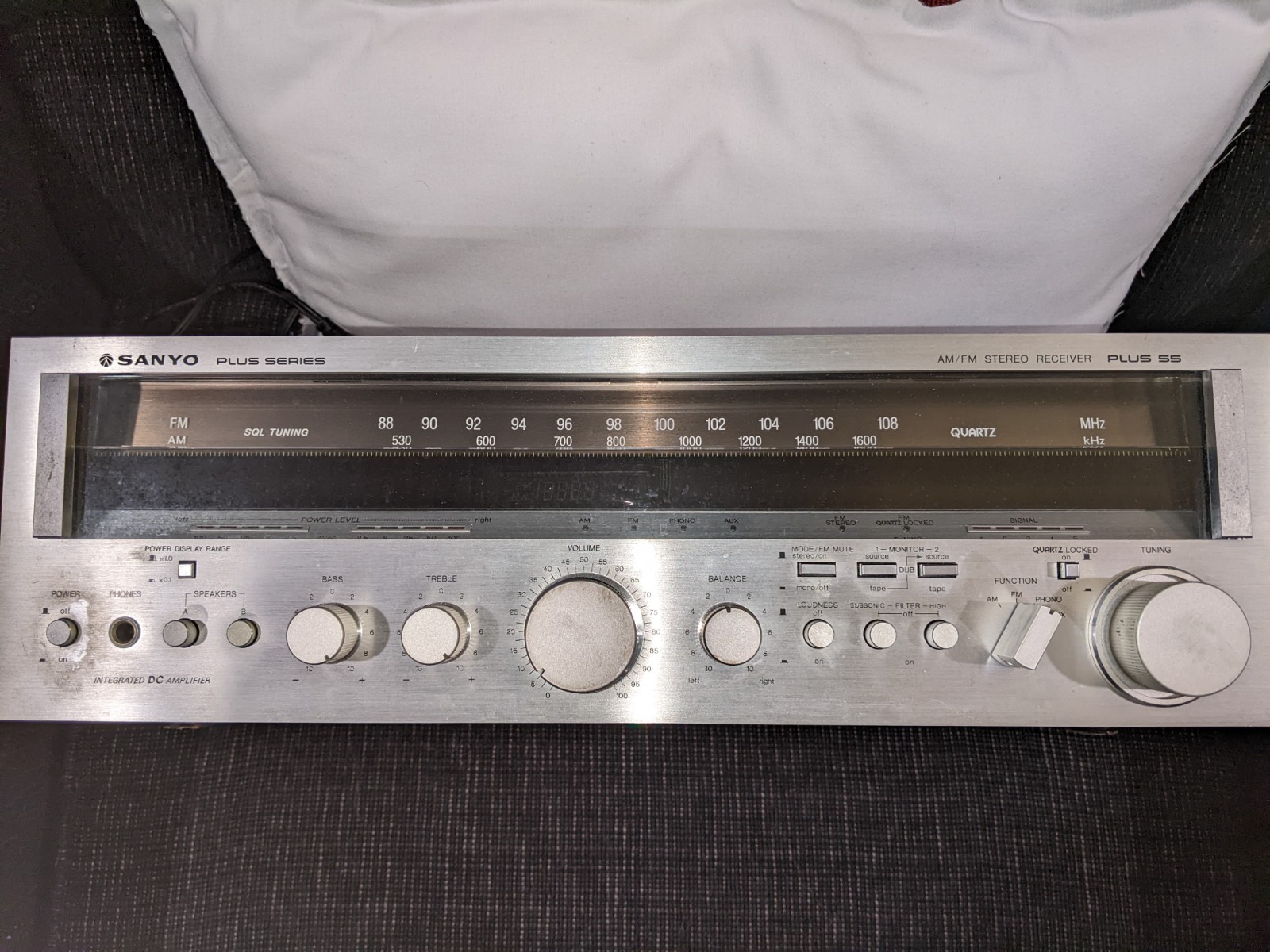

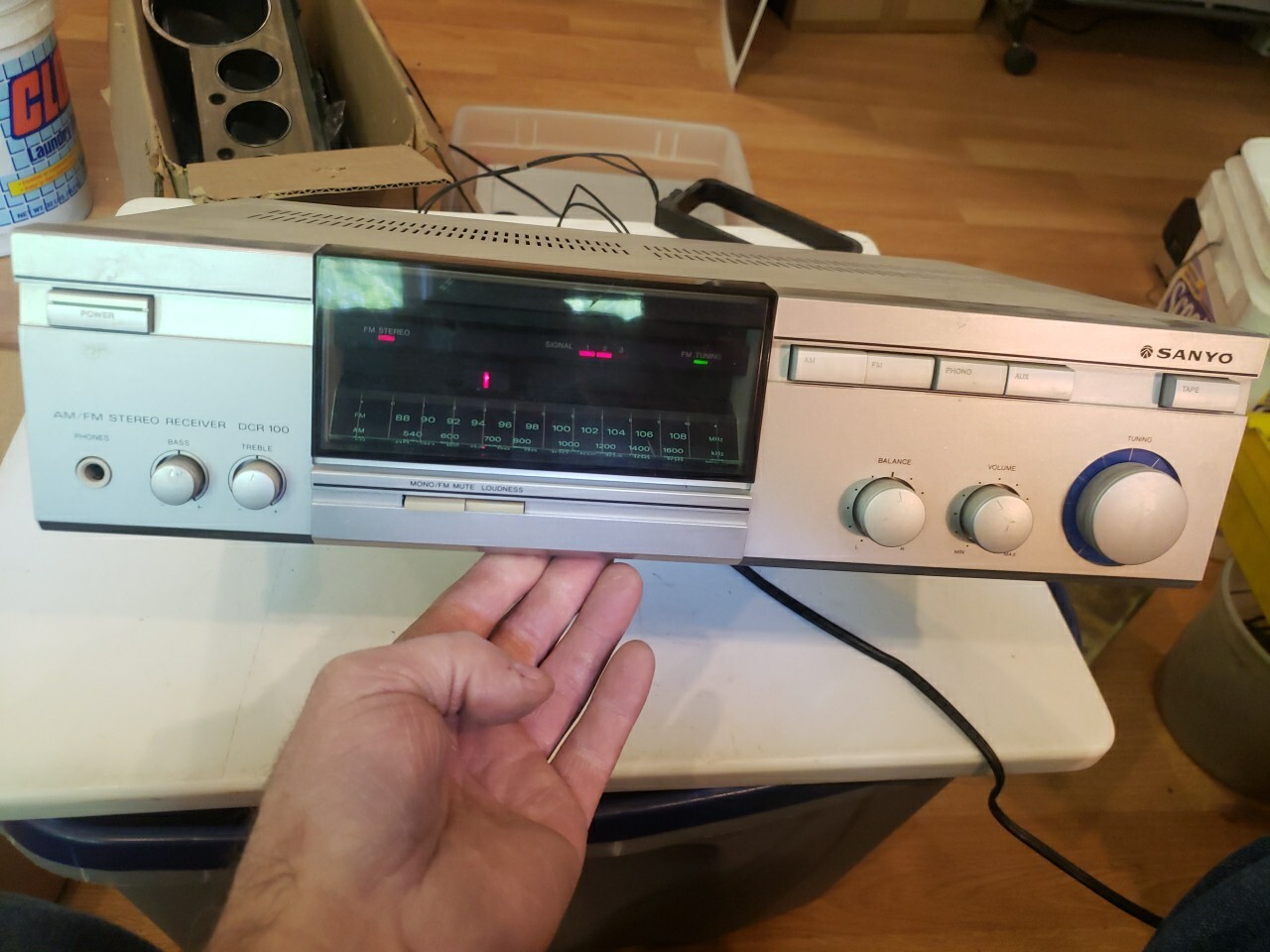

As an eBay Partner, we earn from qualifying purchases. This helps support our independent vintage technology research.
Related Models
- Sanyo DCX-8000 (1982)
- Sanyo RD-10 (1980)
- Sanyo JCX-2400K (1978)
- Sanyo DCA-100 (1978)
- Sanyo DCX-1970K (1975)
- Akai AM-2850 (1975)
- Akai AP-206 (1975)
- Nakamichi BX-1 (1985)
- Acoustic Research research-ar-17 (1978)
- Acoustic Research AR-19 (1994)