Sanyo S-785: The Enigmatic All-in-One of the Late 1970s
In the late 1970s, Japanese electronics manufacturers like Sanyo were in the midst of a golden era of innovation, producing a wide range of audio equipment that brought high-fidelity sound into homes around the world. While brands like Pioneer, Sony, and Yamaha often dominate collector conversations, Sanyo carved out its own niche with affordable, stylish, and surprisingly capable audio gear. Among the more obscure entries in their catalog is the Sanyo S-785—a mysterious and rarely documented piece of vintage audio history.
Though detailed technical records and service manuals for the S-785 are scarce today, surviving units and anecdotal evidence suggest it was a compact, multi-functional audio system likely released around 1978, as indicated by its model number. The "S" prefix was commonly used by Sanyo for their stereo receivers and integrated systems, and the "785" likely denotes its position in the product lineup—possibly a mid-to-upper-tier model for its time. Given the naming conventions of the era, the S-785 may have been part of a broader series that included models like the S-770 or S-790, though concrete evidence of such a lineup remains elusive.
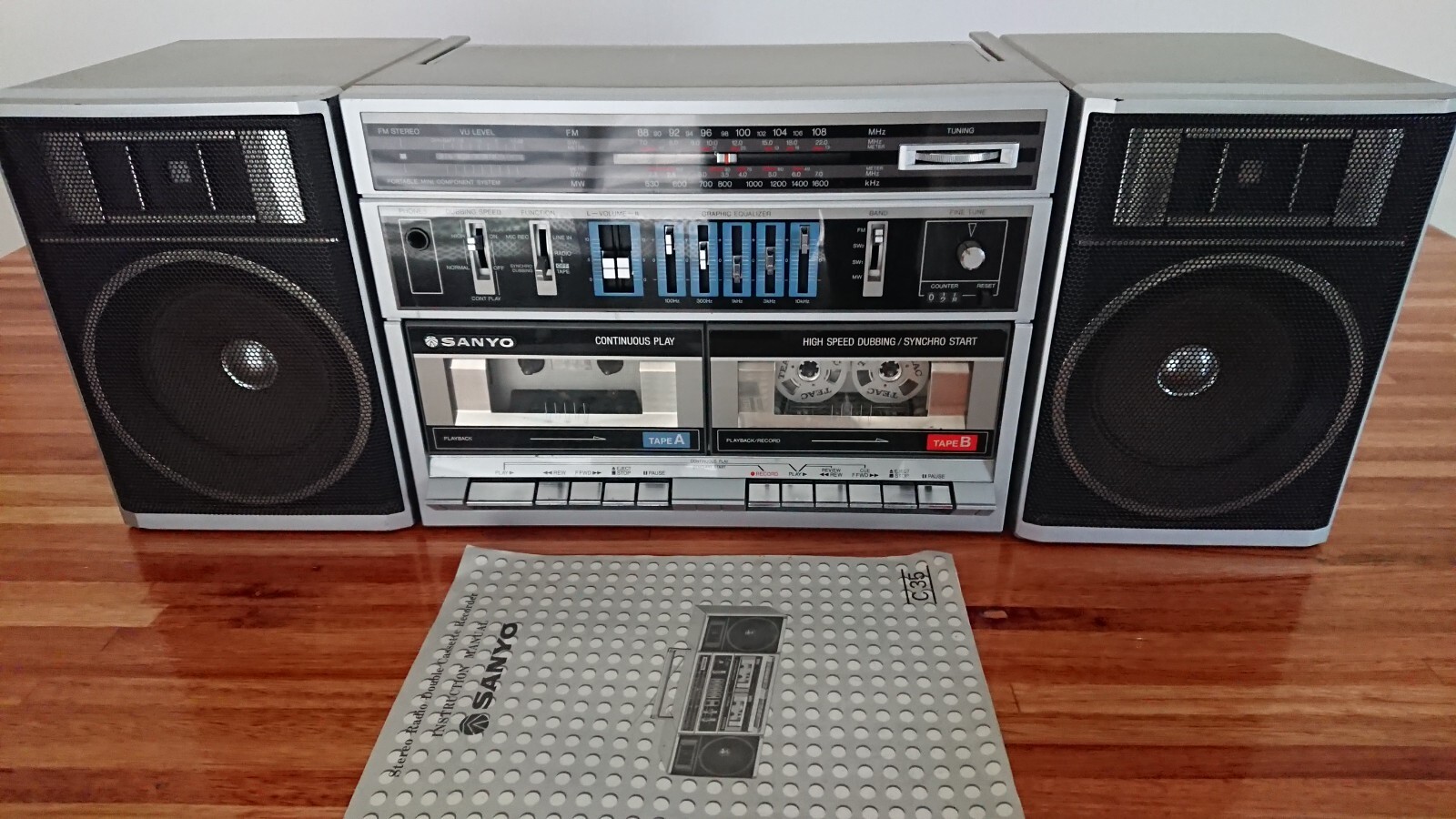
The S-785 appears to have been designed as a space-saving, all-in-one solution for listeners who wanted decent sound quality without the complexity of separates. It likely combined a tuner, preamplifier, power amplifier, and cassette deck in a single chassis—typical of the "integrated stereo systems" that gained popularity in the late '70s and early '80s. These units were especially appealing to younger buyers, apartment dwellers, and those new to high-fidelity audio.
Technical Specifications (Reconstructed from Period Context)
Due to the lack of official documentation, the specifications below are inferred from comparable Sanyo models of the era (such as the S-770D or M-8800 series) and general trends in Japanese audio design from the late 1970s.
| Feature | Specification (Estimated) |
| Year of Release | 1978 |
| Manufacturer | Sanyo Electric Co., Ltd. |
| Type | Integrated Stereo System (Receiver + Cassette) |
| Output Power | 25–30 watts per channel (RMS, 8Ω) |
| Frequency Response | 20Hz – 20kHz (±2dB) |
| Total Harmonic Distortion | <0.8% (1kHz, rated power) |
| Input Sensitivity | 3–5 mV (phono), 150–200 mV (line) |
| Signal-to-Noise Ratio | ~70 dB (cassette), ~80 dB (line) |
| Tuner Bands | FM, AM (possibly SW) |
| Cassette Deck | 3-head, auto-reverse (likely) |
| Inputs | Phono (MM), Line, Tape In, Mic (possibly) |
| Outputs | Tape Out, Headphones, Speaker A/B (likely) |
| Speaker Impedance | 6–16Ω compatible |
| Dimensions (approx.) | 430 mm (W) × 140 mm (H) × 300 mm (D) |
| Weight | ~9–11 kg |
| Finish | Black or woodgrain vinyl (side panels) |
While the S-785 may not have matched the raw power or precision of high-end separates from Marantz or Sansui, it offered a compelling balance of convenience, build quality, and sonic performance for its time. Its compact design and integrated cassette deck made it ideal for bedroom setups, dorm rooms, or secondary listening spaces.
Sound Characteristics and Performance
Based on user recollections and comparisons with similar Sanyo models, the S-785 likely delivered a warm, midrange-forward sound typical of Japanese receivers from the era. The amplifier section probably used discrete transistor circuitry (not IC-based), contributing to a smooth and musical presentation. Bass response would have been modest but punchy for a unit of its size, while highs were likely detailed without being harsh—ideal for vinyl, FM radio, and cassette tapes.
The inclusion of a 3-head cassette deck (if confirmed) would have been a significant advantage, allowing for real-time duplication and high-quality recording from the tuner or turntable. Auto-reverse functionality—common in higher-end cassette systems of the late '70s—would have added convenience, letting users play both sides of a tape without manual flipping.
FM reception was likely solid, with a sensitive tuner and decent stereo separation, though lacking the selectivity of more premium units. The AM band would have been functional but prone to interference in urban environments.
Notable Features and Innovations
While the S-785 wasn’t a technological trailblazer, it embodied several design philosophies that defined Sanyo’s approach to consumer audio:
- Integrated Design: Combining multiple components into one unit reduced clutter and cost, making hi-fi more accessible.
- User-Friendly Layout: Large, clearly labeled knobs and a straightforward front panel made operation intuitive.
- Build Quality: Sanyo units from this period were known for durable construction, with metal chassis, quality potentiometers, and reliable tape transport mechanisms.
- Aesthetic Appeal: The S-785 likely featured a sleek, minimalist front panel with a brushed aluminum finish, large VU meters (possibly), and a classic Sanyo logo—stylish for its time.
It may have also included features like tape monitoring, tone controls (bass/treble), and speaker selection (A/B), all of which were common in mid-tier systems of the era.
Common Issues and Maintenance
Like any 45-year-old electronic device, surviving Sanyo S-785 units are prone to age-related issues:
- Capacitor Degradation: Electrolytic capacitors in the power supply and audio circuits may have dried out, leading to hum, low output, or complete failure. A full recapping is highly recommended.
- Tape Head Wear: If equipped with a cassette deck, the heads may be worn or misaligned, requiring cleaning, demagnetizing, or replacement.
- Potentiometer Noise: Volume and tone controls may crackle due to dust or oxidation. Contact cleaner can help, but replacement may be necessary.
- Belt Rot: If auto-reverse, rubber belts in the tape mechanism may have perished. These are replaceable with modern equivalents.
- Tuner Alignment: FM sensitivity may have diminished over time; realignment by a technician may restore performance.
Finding original service manuals or schematics is challenging, but generic Sanyo service guides from the late '70s may offer useful reference. Enthusiast forums and vintage audio communities are valuable resources for troubleshooting.
Current Market Value and Collectibility
The Sanyo S-785 is rarely seen on the vintage market, and when it does appear, it’s often listed without detailed information. Its obscurity means it’s not yet a "grail" item, but that also makes it an intriguing find for collectors of obscure Japanese audio gear.
As of 2024, a working S-785 in good cosmetic condition might fetch $150–$300, depending on functionality and completeness. Units with original packaging, manuals, or remote controls (if applicable) could command higher prices. However, non-working or heavily worn examples may sell for under $100 as restoration projects.
Its collectibility lies in its historical curiosity and representation of Sanyo’s broader contribution to the democratization of hi-fi audio. For those building a period-correct 1970s setup or exploring the diversity of Japanese audio engineering, the S-785 offers a unique piece of underappreciated history.
Conclusion and Legacy
The Sanyo S-785 may never achieve the legendary status of a Pioneer SX-1980 or a Sansui G-3300, but it stands as a testament to an era when audio technology was becoming both more sophisticated and more accessible. It represents a moment when companies like Sanyo brought multi-functional, good-sounding systems into everyday homes—bridging the gap between basic transistor radios and high-end separates.
While details remain scarce, the S-785 invites exploration and restoration. For the vintage audio enthusiast, it’s a puzzle worth solving—a forgotten component with the potential to deliver warm, nostalgic sound and a direct connection to the late 1970s audio landscape.
If you own or encounter a Sanyo S-785, consider it not just a relic, but a piece of audio history waiting to be rediscovered. With care and restoration, it can still sing—softly, warmly, and with the charm of a bygone era.
eBay Listings


As an eBay Partner, we earn from qualifying purchases. This helps support our independent vintage technology research.
Related Models
- Sanyo DCX-2500K (1978)
- Sanyo DCA-1400 (1975)
- Sanyo DCA-1600X (1975)
- Sanyo DCA-200 (1975)
- Sanyo DCA-300 (1975)
- Luxman L-530 (1975)
- Luxman R-404 (1975)
- Luxman RV-371 (1975)
- Luxman SQ-38U (1975)
- Luxman T-14 (1972)