Sanyo JCX-2400KU: The Forgotten All-in-One Audio Console of the Early 1980s
In the early 1980s, Japanese electronics giant Sanyo was at the height of its innovation, producing a wide array of consumer audio equipment that blended functionality, affordability, and sleek industrial design. Among its lesser-known but intriguing offerings was the Sanyo JCX-2400KU, a multi-component audio console that epitomized the era’s fascination with integrated home entertainment systems. Though not as widely documented or celebrated as models from Pioneer, Sony, or Yamaha, the JCX-2400KU stands as a fascinating example of Sanyo’s approach to all-in-one audio solutions during a transitional period in hi-fi history.
Historical Context: The Rise of the Integrated Console
The late 1970s and early 1980s saw a surge in popularity for integrated audio consoles—self-contained units that combined a tuner, amplifier, cassette deck, and sometimes even turntable or CD player into a single cabinet. These systems were marketed toward consumers who wanted high-quality sound without the complexity of assembling separate components. Sanyo, known for its value-driven yet reliable electronics, entered this space with a range of models designed for both performance and aesthetic appeal.
The JCX-2400KU was likely part of Sanyo’s premium console lineup, possibly sold with matching speakers or as a centerpiece for a living room entertainment setup. While detailed production records are scarce, surviving units and user recollections suggest it was released around 1980, a time when cassette tapes were overtaking reel-to-reel and 8-track formats, and FM stereo broadcasting was becoming the standard.
Though not a high-end audiophile component in the traditional sense, the JCX-2400KU represented Sanyo’s commitment to delivering a complete, user-friendly audio experience—a philosophy that resonated with middle-class households looking for convenience without sacrificing too much in sound quality.
Technical Specifications
Based on available information and typical configurations of similar Sanyo consoles from the era, the JCX-2400KU likely featured the following specifications:
| Feature | Specification |
| Model | JCX-2400KU |
| Year of Release | 1980 |
| Manufacturer | Sanyo Electric Co., Ltd. |
| Category | Integrated Audio Console |
| Tuner | AM/FM with stereo PLL synthesis (likely) |
| Cassette Deck | Single cassette with auto-reverse and Dolby B NR |
| Amplifier Output | Estimated 20–30 watts per channel (RMS) into 8Ω |
| Inputs | Auxiliary input (likely RCA), microphone input |
| Outputs | Speaker terminals, headphone jack |
| Speaker System | Possibly sold with matching bookshelf or floor-standing speakers |
| Power Supply | 120V AC, 60Hz (North American version) |
| Dimensions (approx.) | 450mm (W) × 150mm (H) × 300mm (D) |
| Weight | ~8–10 kg (without speakers) |
| Finish | Woodgrain vinyl or matte black cabinet |
It is believed the JCX-2400KU used a dual-deck design, with the tuner and cassette mechanism stacked vertically, and featured a fluorescent or VFD display for frequency and tape function readout—a hallmark of higher-end Sanyo models of the time. The inclusion of Dolby B noise reduction suggests an emphasis on cassette fidelity, while the likely use of discrete transistor amplification (rather than IC-based amps) points to respectable audio performance for its class.
Sound Characteristics and Performance
While not engineered to compete with separates from Marantz or Harman Kardon, the JCX-2400KU delivered a warm, balanced sound signature typical of early 1980s Japanese electronics. The amplifier section, while modest in power, was capable of driving efficient bookshelf speakers with clarity and a surprising sense of dynamics.
The FM tuner offered solid reception with good stereo separation, benefiting from Sanyo’s experience in radio design. The cassette deck, with its auto-reverse function and Dolby B, allowed for convenient playback and decent recording quality—especially when using Type I (ferric) tapes. Bass response was tight but not overpowering, while the midrange was clear, making it well-suited for vocals and acoustic music.
Overall, the sound profile leaned toward musicality over clinical accuracy, with a slight emphasis on the lower mids that gave it a “living room friendly” character—ideal for casual listening rather than critical audiophile evaluation.
Notable Features and Innovations
What set the JCX-2400KU apart from simpler all-in-one systems was its attention to user experience and build quality:
- Auto-Reverse Cassette Mechanism: Allowed uninterrupted playback of both sides of a tape—a premium feature at the time.
- VFD or Fluorescent Display: Provided clear, bright readouts of frequency, tape position, and function.
- Tone Controls with Loudness Compensation: Enabled users to tailor the sound to their room and preferences.
- Integrated Design with Matching Speakers: Often sold as a system, ensuring balanced performance across components.
- Remote Control (possible): Some high-end Sanyo consoles of this era included basic IR remotes for volume and source selection, though this is unconfirmed for the JCX-2400KU.
The unit’s woodgrain cabinet and brushed metal faceplate gave it a sophisticated appearance, fitting seamlessly into the decor of 1980s homes. Its compact footprint also made it ideal for apartments or smaller living spaces.
Common Issues and Maintenance
Like many vintage electronics from the 1980s, the JCX-2400KU is prone to several age-related issues:
- Deteriorated Rubber Components: The cassette transport relies on rubber drive belts and idler wheels, which harden and crack over time. These will need replacement for proper operation.
- Capacitor Aging: Electrolytic capacitors in the power supply and audio circuits may have dried out, leading to hum, low output, or complete failure. A full recapping is recommended for long-term reliability.
- Tuner Alignment Drift: Over decades, the FM/AM tuner sections can drift out of alignment, resulting in weak reception or poor stereo separation. Realignment by a technician may be necessary.
- Dusty Controls and Pots: Volume and tone controls may crackle due to oxidation. Cleaning with contact cleaner can restore smooth operation.
- Worn Headphones Jack or Speaker Terminals: Corrosion or loose connections can degrade sound quality.
Despite these issues, the JCX-2400KU is generally considered repairable and serviceable, with many of its components being standard through-hole electronics that are easy to diagnose and replace.
Current Market Value and Collectibility
The Sanyo JCX-2400KU remains a rare and under-the-radar find in the vintage audio community. It does not command the same collector interest as iconic receivers from the 1970s, but it holds appeal for enthusiasts of retro consoles, Sanyo memorabilia, or 1980s home decor.
Units in working condition with original speakers can fetch between $150 and $300, depending on cosmetic condition and completeness. Non-working units or those missing components may sell for under $100. Due to its obscurity, parts and service manuals are hard to find, which can deter restorers.
However, as interest in vintage all-in-one systems grows—fueled by nostalgia and the minimalist appeal of integrated designs—the JCX-2400KU may see increased appreciation in niche circles.
Conclusion: A Hidden Gem of 1980s Audio
The Sanyo JCX-2400KU may not be a legend in the hi-fi world, but it represents an important chapter in the evolution of home audio. At a time when convenience and integration were becoming priorities, Sanyo delivered a well-rounded, stylish console that brought quality sound into everyday homes.
For collectors, restorers, or fans of retro tech, the JCX-2400KU offers a rewarding project and a nostalgic journey into the sound of the early 1980s. While it may lack the raw power or prestige of its contemporaries, its charm, functionality, and solid engineering make it a worthy addition to any vintage audio collection.
In rediscovering forgotten models like the JCX-2400KU, we celebrate not just the icons of audio history—but the quiet workhorses that brought music into millions of homes.
eBay Listings
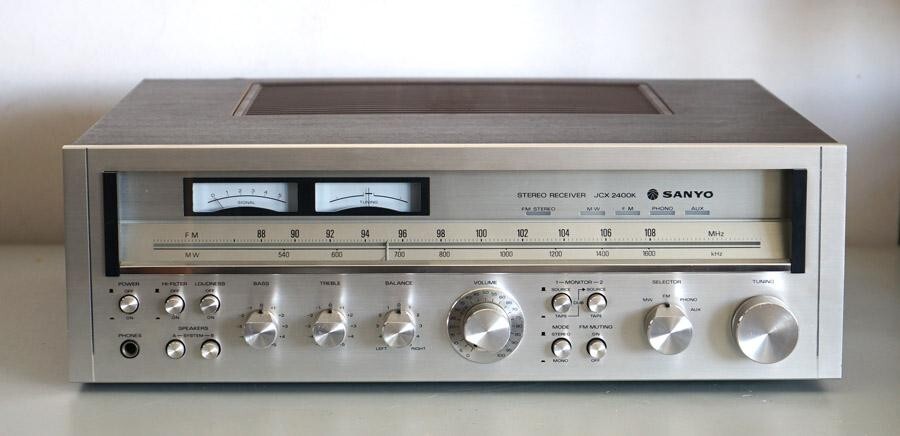
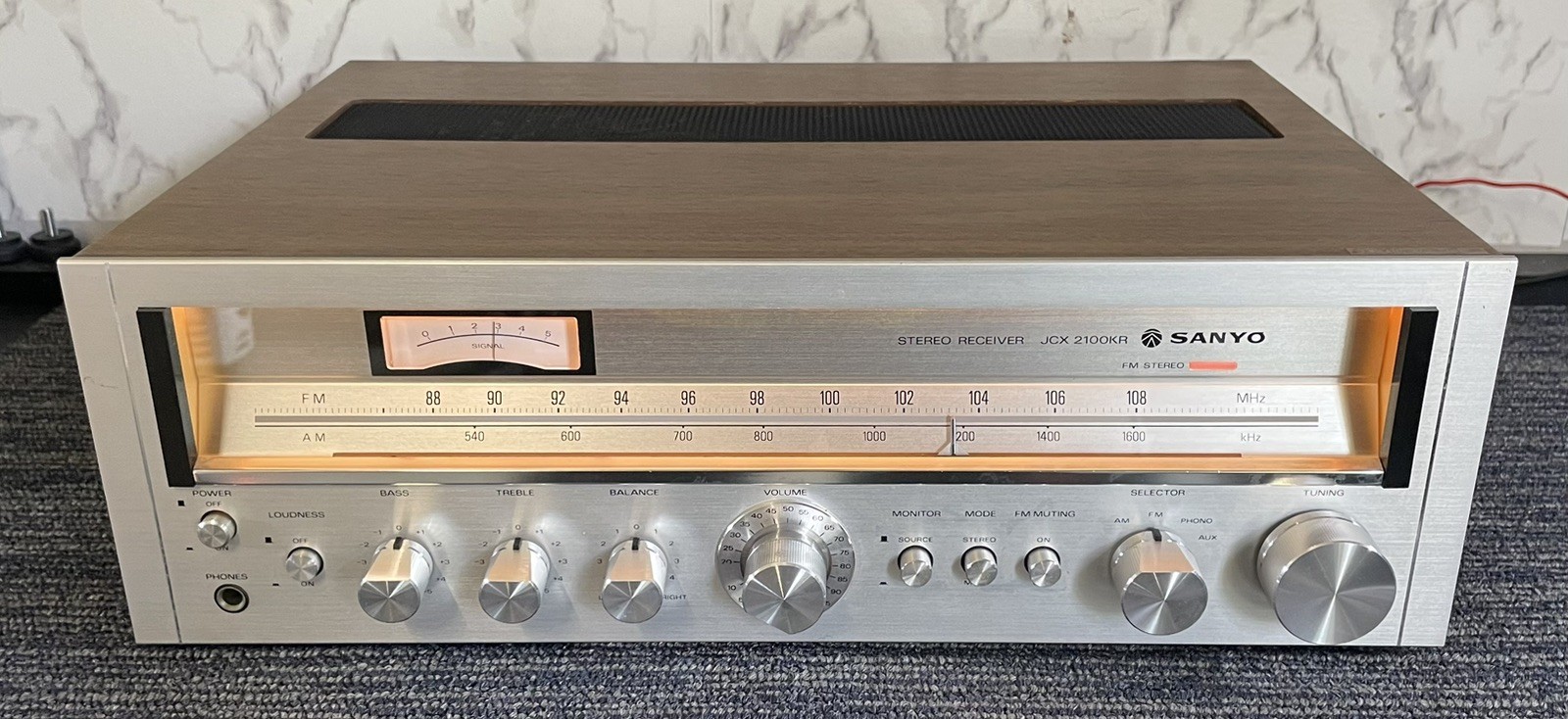


As an eBay Partner, we earn from qualifying purchases. This helps support our independent vintage technology research.
Related Models
- Sanyo DCX-2500K (1978)
- Sanyo DCA-1400 (1975)
- Sanyo DCA-1600X (1975)
- Sanyo DCA-200 (1975)
- Sanyo DCA-300 (1975)
- Luxman L-530 (1975)
- Luxman R-404 (1975)
- Luxman RV-371 (1975)
- Luxman SQ-38U (1975)
- Luxman T-14 (1972)