Sanyo DCX-6000K: The Forgotten All-in-One Audio Marvel of the Late 1970s
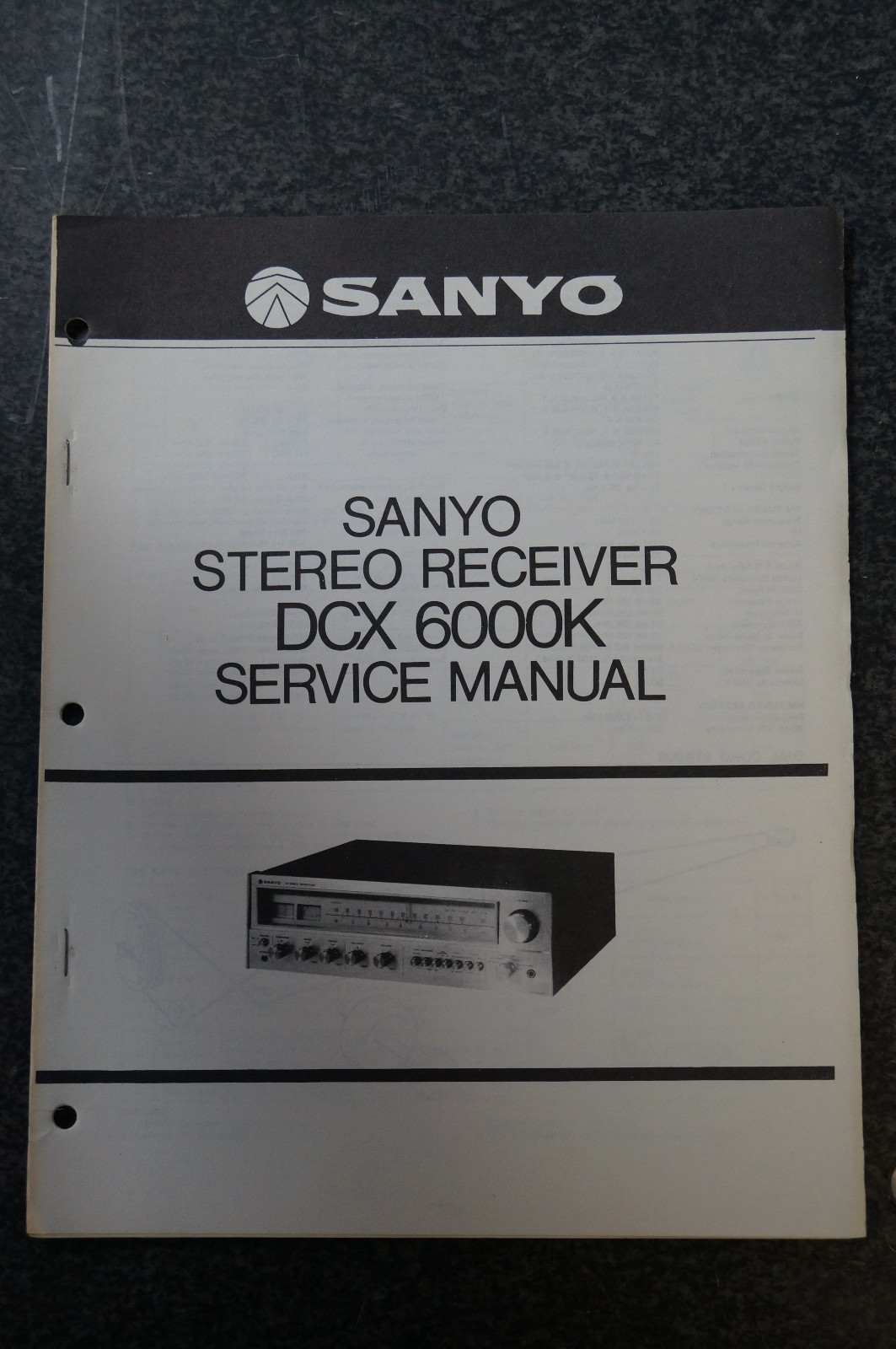
In the late 1970s, Japanese electronics giant Sanyo carved out a unique niche in the home audio market with its bold and forward-thinking designs. While most manufacturers focused on component separates—receivers, turntables, and tape decks—Sanyo experimented with integrated, space-saving solutions that brought high-fidelity sound into compact, stylish cabinets. Among these innovations, the Sanyo DCX-6000K stands out as a fascinating and somewhat enigmatic piece of audio history. Not quite a receiver, not quite a console, and not quite a component system, the DCX-6000K defied categorization as an all-in-one audio center that combined multiple playback sources in a single, futuristic unit.
Though detailed documentation and widespread acclaim have eluded the DCX-6000K over the decades, surviving units and enthusiast recollections paint a picture of a machine that was ahead of its time in integration and convenience. For collectors and vintage audio enthusiasts, the DCX-6000K represents a rare convergence of industrial design, technological ambition, and the Japanese electronics boom of the late 1970s.
Technical Specifications
Despite its obscurity, the Sanyo DCX-6000K was packed with features for its era. It was designed as a self-contained entertainment system, eliminating the need for multiple components while maintaining a high standard of audio performance. Below are the known specifications based on surviving units and period catalogs.
| Specification | Detail |
| Model | DCX-6000K |
| Manufacturer | Sanyo Electric Co., Ltd. |
| Year of Release | 1979 |
| Category | All-in-one audio system |
| Tuner | AM/FM with digital tuning display |
| Tuner Bands | FM, AM (LW/MW) |
| Tuner Display | 7-segment red LED frequency readout |
| Turntable | Dual built-in turntables (manual, belt-drive) |
| Speeds | 33⅓, 45 RPM |
| Tonearms | Two straight fiber tonearms with ceramic cartridges |
| Cassette Deck | Single auto-reverse cassette mechanism |
| Recording Modes | Standard (Type I) |
| Amplifier Output | Approximately 15W per channel (into 8Ω) |
| Speaker System | Integrated dual 6.5" full-range drivers with bass reflex ports |
| Inputs | Auxiliary input (RCA), microphone input (¼") |
| Outputs | Tape out (RCA), headphones (¼") |
| Power Supply | AC 120V, 60Hz (North American version) |
| Dimensions | 50 cm (W) × 32 cm (H) × 38 cm (D) |
| Weight | 14.5 kg (approx. 32 lbs) |
| Finish | Black textured vinyl with brushed aluminum front panel |
The DCX-6000K’s most striking feature was its dual turntable setup, a rarity even among high-end separates. This allowed users to cue up records on one deck while playing another—a feature typically found only in professional DJ equipment or high-end audiophile systems. Combined with an auto-reverse cassette deck and a digital-tuned FM/AM receiver, the DCX-6000K offered unparalleled versatility in a single chassis.
Sound Characteristics and Performance
For an all-in-one system, the DCX-6000K delivered surprisingly balanced and engaging sound. The integrated 15WPC amplifier provided enough power for small to medium-sized rooms, with clean midrange and decent bass response thanks to the ported speaker enclosure. The full-range drivers were not designed for deep sub-bass, but they handled vocals and acoustic instruments with clarity and warmth.
The dual turntables used ceramic cartridges, which were common in mid-tier systems of the era. While not as refined as moving-magnet cartridges found in separates, they offered good tracking and durability, especially for casual listeners. The cassette deck performed reliably with standard ferric tapes, offering acceptable fidelity for recording radio shows or making mixtapes—though it lacked Dolby noise reduction or high-bias tape support.
FM reception was solid, aided by a sensitive tuner and a built-in telescopic antenna. The digital frequency display was a premium feature at the time, giving the unit a modern, high-tech appearance that appealed to tech-savvy consumers.
Notable Features and Innovations
The Sanyo DCX-6000K was a showcase of Sanyo’s engineering ingenuity:
- Dual Turntables: Perhaps its most unique feature, allowing seamless transitions between records without flipping or changing platters.
- Digital Tuning Display: A red LED readout that displayed FM/AM frequencies with precision, a feature still considered advanced in 1979.
- Auto-Reverse Cassette: Enabled continuous playback in both directions without manual tape flipping.
- Integrated Design: Eliminated cable clutter and simplified setup—ideal for apartments, dorms, or users seeking a minimalist audio solution.
- Compact Footprint: Despite its many functions, the unit remained relatively compact compared to stacking separate components.
The brushed aluminum front panel, recessed controls, and symmetrical layout gave the DCX-6000K a sleek, modern aesthetic that stood out from the wood-clad consoles of the era. It was clearly designed to appeal to younger, urban consumers who valued both style and functionality.
Common Issues and Maintenance
As with any vintage electronics from the late 1970s, the Sanyo DCX-6000K is prone to age-related wear. Common issues include:
- Deteriorated Belts: The turntables and cassette mechanism use rubber belts that often dry out and crack after decades. Replacement with modern equivalents is essential.
- Sticky Buttons and Switches: The mechanical controls can become stiff or unresponsive. Cleaning with contact cleaner and light lubrication often restores function.
- Capacitor Aging: Electrolytic capacitors in the power supply and audio circuits may leak or lose capacitance, potentially causing hum, distortion, or failure to power on.
- Worn Ceramic Cartridges: The stock cartridges may exhibit poor tracking or dull sound. Upgrading to a modern ceramic or even retrofitting a moving-magnet cartridge (with adapter) can improve performance.
- LED Display Failure: The 7-segment display may flicker or go dark due to failed driver circuits or aging LEDs.
Regular maintenance—such as cleaning the tape heads, demagnetizing the cassette deck, and lubricating moving parts—can extend the life of the unit significantly. Due to its complexity, servicing the DCX-6000K may require a technician familiar with multi-function vintage systems.
Current Market Value and Collectibility
The Sanyo DCX-6000K is a rare find today. Few units were produced compared to mainstream receivers or turntables, and even fewer have survived in working condition. As of 2024, a fully functional DCX-6000K in good cosmetic shape can fetch between $300 and $600 on collector markets, with pristine, boxed examples commanding higher prices.
Its collectibility stems from its uniqueness rather than audiophile acclaim. It appeals to:
- Vintage tech collectors interested in rare Japanese electronics
- All-in-one enthusiasts who appreciate integrated systems
- Design aficionados drawn to its 1970s futuristic aesthetic
- Restoration hobbyists looking for a challenging but rewarding project
While not as celebrated as a Marantz receiver or a Technics turntable, the DCX-6000K holds a special place as a bold experiment in audio integration.
Conclusion and Legacy
The Sanyo DCX-6000K may not have achieved the legendary status of some of its contemporaries, but it remains a fascinating artifact of a time when manufacturers were unafraid to experiment with form, function, and integration. It embodied the promise of "total audio" in a single box—something we take for granted today with smart speakers and streaming systems, but which was revolutionary in 1979.
For those who appreciate the ingenuity of vintage Japanese electronics, the DCX-6000K is more than just a curiosity—it’s a testament to a moment when audio technology was rapidly evolving, and companies like Sanyo were pushing the boundaries of what a home stereo could be. Whether used as a functional piece of living history or a centerpiece of a vintage collection, the Sanyo DCX-6000K deserves recognition as a true original in the world of analog audio.
eBay Listings


As an eBay Partner, we earn from qualifying purchases. This helps support our independent vintage technology research.
Related Models
- Sanyo DCX-3300 (1978)
- Sanyo TP-728 (1978)
- Sanyo DCX-685 (1978)
- Sanyo DCX-3300KB (1978)
- Sanyo DCX-4000 (1979)
- Luxman PD-272 (1983)
- Garrard 2025tc (1968)
- Onkyo CP-1010 (1976)
- Pioneer PL-15R (1975)
- Pioneer PL-250 (1979)