Rogers LS7T: The Quintessential British Transmission Line Speaker
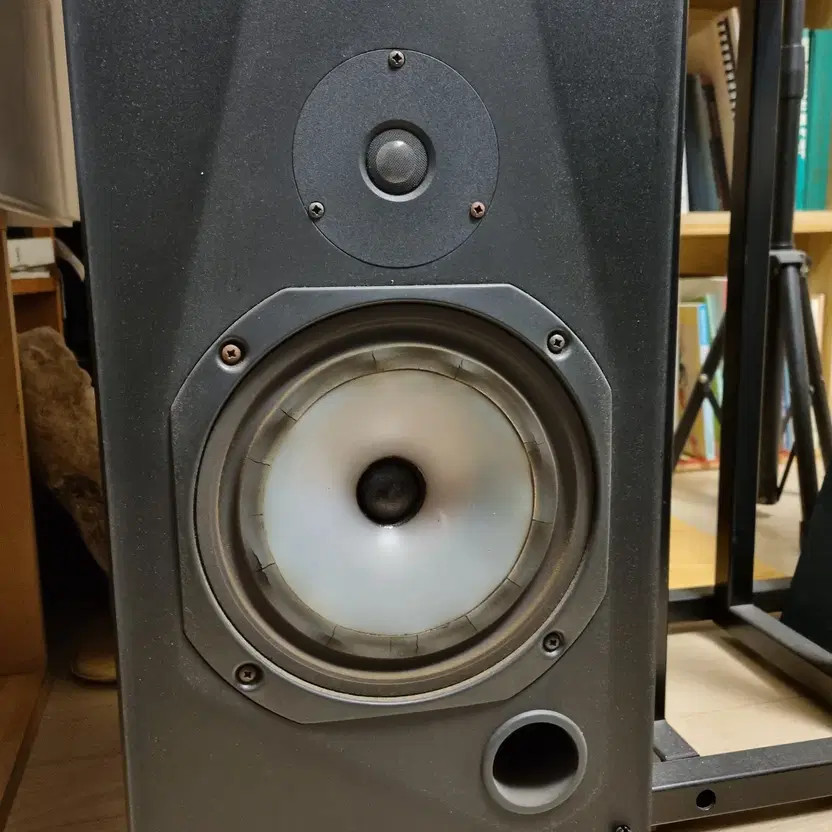
The Rogers LS7T stands as a landmark in British loudspeaker design, representing the golden era of high-fidelity audio during the late 1970s. Introduced in 1977 by Rogers of England, the LS7T was not just another bookshelf speaker—it was a bold statement of engineering philosophy, rooted in the pursuit of natural, lifelike sound reproduction. While Rogers may not have had the global marketing reach of giants like Yamaha or Pioneer, the LS7T earned a devoted following among audiophiles who prized musicality over raw power, and refinement over flash.
Born from the same British audio tradition that gave us Linn, KEF, and Spendor, the LS7T was designed during a period when transmission line (TL) speaker technology was gaining traction as a superior alternative to bass reflex and sealed enclosures. Rogers, under the guidance of its engineering team, embraced this complex but rewarding design approach to create a speaker that delivered deep, articulate bass and a remarkably transparent midrange—all from a relatively compact cabinet.
Technical Specifications
| Specification | Detail |
| Model | Rogers LS7T |
| Year Introduced | 1977 |
| Type | 2-way transmission line loudspeaker |
| Driver Configuration | 1 x 8" bass/mid driver, 1 x 1" dome tweeter |
| Frequency Response | 45 Hz – 20 kHz (±3 dB) |
| Sensitivity | 86 dB (1W/1m) |
| Nominal Impedance | 8Ω (compatible with most tube and solid-state amps) |
| Recommended Amplifier | 25–100 watts per channel |
| Crossover Frequency | 2.8 kHz |
| Cabinet Type | Transmission line with front-firing port at base |
| Dimensions (H×W×D) | 440 × 230 × 240 mm (17.3 × 9.1 × 9.4 in) |
| Weight | 12 kg (26.5 lbs) per speaker |
| Finish Options | Rosewood, walnut, and black vinyl wrap |
The LS7T employed a carefully tuned transmission line cabinet—a labyrinthine internal pathway lined with damping material that absorbs unwanted resonances while reinforcing bass response. Unlike bass reflex designs that use a port to enhance low-end output, the transmission line allows for tighter, more controlled bass with reduced time smear. This made the LS7T particularly well-suited for acoustic, jazz, and vocal recordings, where timing and tonal accuracy are paramount.
Sound Characteristics and Performance
The sonic signature of the Rogers LS7T is often described as "musical," "organic," and "engaging." It doesn’t shout for attention; instead, it draws the listener in with its coherence and realism. The midrange is where the LS7T truly shines—vocals are rendered with startling clarity and emotional presence, as if the performer is in the room. Instruments like acoustic guitars, pianos, and strings are reproduced with a natural timbre that many modern speakers still struggle to match.
The 8-inch bass/mid driver, paired with the transmission line cabinet, delivers bass that extends surprisingly low for a speaker of its size. While it won’t rattle walls like a modern subwoofer, the bass is articulate and well-integrated, avoiding the boominess that sometimes plagues ported designs. The 1-inch soft dome tweeter provides smooth, non-fatiguing highs, free from the harshness that can afflict cheaper or poorly designed tweeters.
One of the LS7T’s most admired qualities is its ability to create a wide and stable soundstage. With proper placement—typically away from walls and with a slight toe-in—the speakers can produce an immersive stereo image, with precise instrument placement and excellent depth perception. This makes them ideal for critical listening in smaller to medium-sized rooms.
Notable Features and Innovations
The LS7T was notable for bringing transmission line technology to a broader audience at a relatively accessible price point. At a time when TL speakers were often large, expensive, and associated with niche brands like IMF or TDL, the LS7T offered a more compact and user-friendly alternative without sacrificing core principles.
Its front-firing transmission line port—located at the base of the cabinet—was both a functional and aesthetic choice. It allowed for greater placement flexibility compared to rear-vented designs, and the clean front baffle contributed to a refined visual profile. The crossover network, while not overly complex by today’s standards, was carefully optimized to ensure seamless integration between the drivers.
Another hallmark of the LS7T was its build quality. The cabinets were solidly constructed with real wood veneers (in higher-end finishes), and the overall fit and finish reflected British craftsmanship of the era. Rogers paid close attention to internal bracing and damping, critical factors in minimizing cabinet coloration—a common flaw in lesser speakers.
Common Issues and Maintenance
As with any vintage audio equipment, the Rogers LS7T requires some care and attention after decades of use. The most common issue is aging of the driver surrounds, particularly the foam used on the 8-inch bass/mid unit. Over time, foam can disintegrate, leading to distorted bass or complete driver failure. Fortunately, replacement surrounds or full reconing services are available from specialist restoration companies.
The internal damping material in the transmission line can also degrade, losing its effectiveness and altering the speaker’s bass response. Re-stuffing the line with modern acoustic wool or damping fiber is a recommended restoration step for vintage units.
The crossover components, especially older capacitors, may drift in value or fail over time. While not always necessary, upgrading to modern polypropylene capacitors can improve clarity and reliability. However, purists often recommend retaining original components unless there’s a clear performance issue.
Regular cleaning of the grilles and cabinets is advised, and owners should avoid placing the speakers in damp or sun-exposed environments to prevent veneer warping or foam degradation.
Current Market Value and Collectibility
Today, the Rogers LS7T occupies a respected niche in the vintage audio market. Well-maintained pairs in good cosmetic and sonic condition typically sell for $400–$800, depending on finish, provenance, and restoration status. Original rosewood or walnut finishes command a premium, especially when paired with working drivers and clean cabinets.
While not as widely collected as Linn’s iconic speakers, the LS7T has a loyal following among British audio enthusiasts and transmission line aficionados. Its reputation for musicality ensures continued demand, and restored pairs often sell quickly through audiophile forums and vintage audio marketplaces.
The LS7T also benefits from compatibility with a wide range of amplifiers—from classic tube amps like the Leak TL/12 to modern integrateds such as the Naim NAIT or Cambridge Audio 651A. This versatility enhances its appeal to both vintage purists and modern listeners.
Conclusion and Legacy
The Rogers LS7T is more than just a relic of the 1970s—it’s a testament to a design philosophy that prioritized musical truth over technical bravado. In an age increasingly dominated by digital processing and multi-driver arrays, the LS7T reminds us of the power of simplicity, careful engineering, and a deep understanding of acoustics.
It may not have the raw specs or flashy appearance of modern speakers, but for those who value tonal accuracy, emotional engagement, and the subtle art of sound reproduction, the LS7T remains a compelling choice. Whether used as a primary system in a cozy listening room or as a nostalgic centerpiece in a vintage setup, the Rogers LS7T continues to earn its place among the great British loudspeakers of the 20th century.
For the discerning audiophile, the LS7T isn’t just a speaker—it’s an invitation to listen deeply, and to rediscover music as it was meant to be heard.
eBay Listings


As an eBay Partner, we earn from qualifying purchases. This helps support our independent vintage technology research.
Related Models
- Rogers LS1 (1976)
- Rogers LS5 (1975)
- Rogers Ravensbourne Speaker System (1970)
- Rogers BBC-Studio-Monitor (LS3/6) (1975)
- Rogers CADET (1972)
- Akai AM-2850 (1975)
- Akai AP-206 (1975)
- Nakamichi BX-1 (1985)
- Acoustic Research research-ar-17 (1978)
- Acoustic Research AR-19 (1994)