Rogers LS2: The Quintessential British Bookshelf Speaker of the Late 1970s
When discussing iconic British loudspeakers of the late 1970s, the Rogers LS2 stands as a quiet legend among vintage audio enthusiasts. Though not as widely recognized as some of its contemporaries from Tannoy or Wharfedale, the LS2 carved out a loyal following thanks to its refined tonal balance, elegant cabinet design, and a distinctly "British" sonic signature that emphasized musicality over clinical precision. Designed and manufactured during a golden era for UK hi-fi, the Rogers LS2 remains a sought-after piece for collectors and audiophiles who appreciate warm, engaging sound in a compact form.
Historical Context: Rogers and the British Hi-Fi Movement
Rogers, founded in the 1950s by John and Geoffrey Rogers, was part of a flourishing British hi-fi scene that prized craftsmanship, natural timbre, and integration with valve (tube) amplifiers. By the late 1970s, the company had already established a reputation for producing high-quality loudspeakers that balanced performance with aesthetic appeal. The LS2, introduced around 1978, was positioned as a compact bookshelf speaker aimed at listeners with smaller rooms or those seeking a secondary system with high fidelity.
Unlike mass-market offerings of the time, the LS2 was hand-built in the UK using quality materials and attention to detail. It reflected the prevailing British design philosophy: understated elegance, natural midrange clarity, and a sound that prioritized emotional connection over raw technical specs. While Rogers would later gain greater fame with the LS3/5A (a BBC-licensed monitor), the LS2 was an important stepping stone that demonstrated the company’s ability to deliver refined performance in a more accessible package.
Technical Specifications
| Specification | Detail |
| Model | Rogers LS2 |
| Type | 2-way, sealed (acoustic suspension) |
| Drivers | 1x 7" bass/midrange, 1x 1" dome tweeter |
| Frequency Response | 60 Hz – 20 kHz (approx.) |
| Sensitivity | 86 dB (2.83V/1m) |
| Nominal Impedance | 8 ohms |
| Crossover Frequency | ~3.5 kHz |
| Cabinet Type | Bookshelf, sealed enclosure |
| Dimensions (H×W×D) | 34 cm × 20 cm × 20 cm (approx.) |
| Weight | 7.5 kg per speaker |
| Recommended Amp Power | 15–50 watts |
| Finish Options | Walnut, rosewood, and black vinyl wrap |
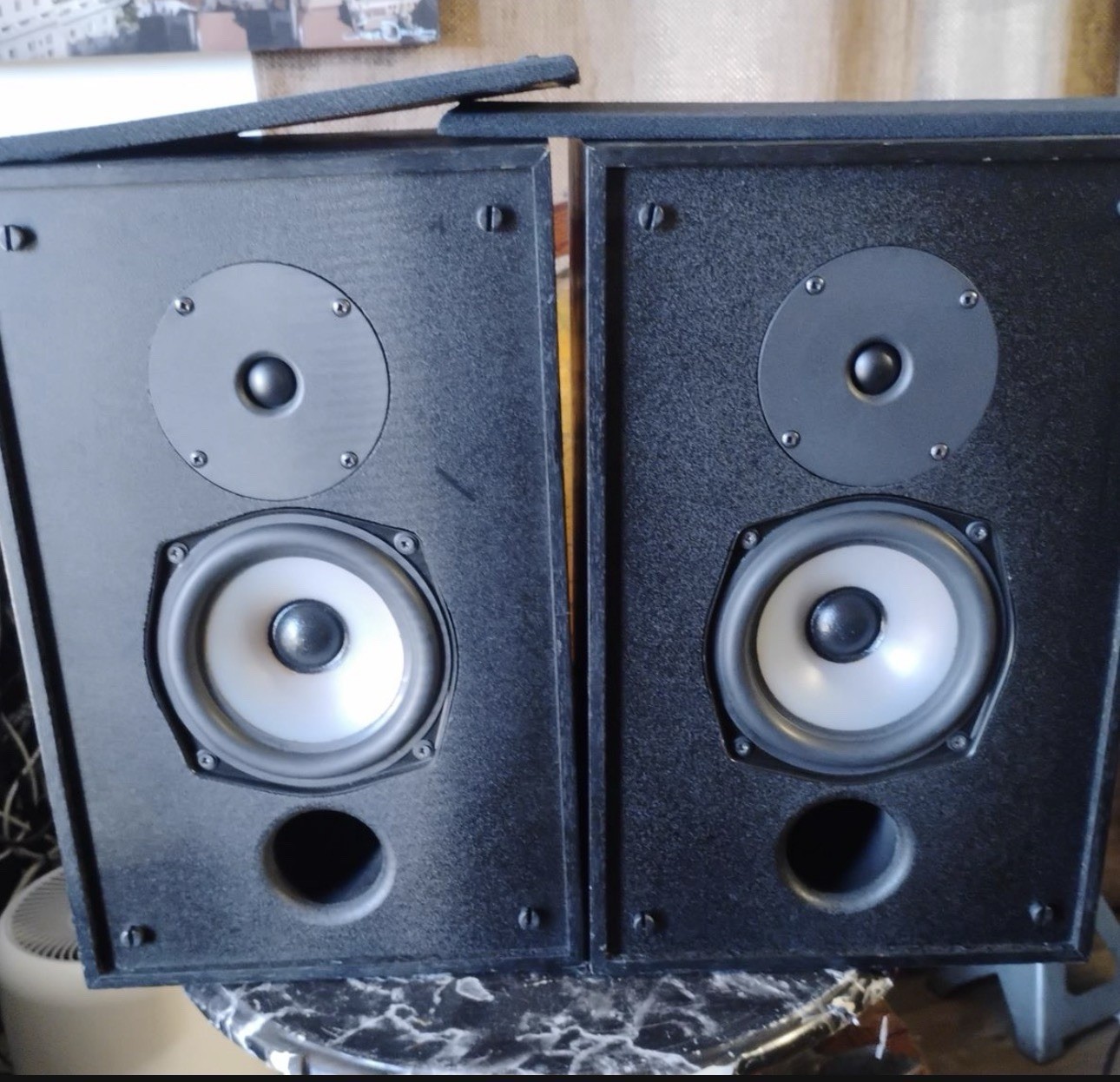
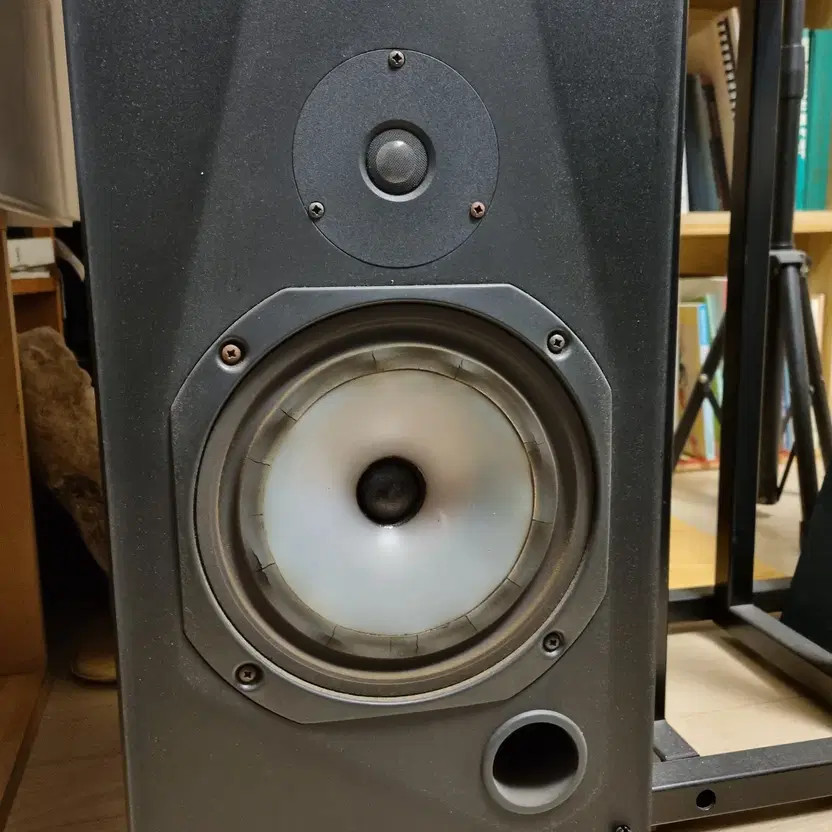
The LS2 features a classic two-way configuration with a 7-inch paper-cone bass/midrange driver and a 1-inch soft dome tweeter. The sealed cabinet design—also known as acoustic suspension—ensures tight, controlled bass response without the need for a port, which helps avoid port noise and tuning issues. This design also makes the LS2 less sensitive to room placement compared to ported designs, a practical advantage for smaller listening environments.
The crossover network, while not overly complex by modern standards, was carefully tuned to ensure a smooth handoff between drivers. Rogers used high-quality components for the era, including polypropylene capacitors and air-core inductors, contributing to a clean, transparent signal path.
Sound Characteristics and Performance
The Rogers LS2 is best described as musical, warm, and natural. Its sonic signature leans toward a slightly rich lower midrange, which gives voices and acoustic instruments a lifelike presence. The tweeter is smooth and non-fatiguing, avoiding the harshness that sometimes plagues budget dome tweeters of the era. This makes the LS2 an excellent match for long listening sessions, particularly with jazz, classical, and vocal recordings.
Bass extension is modest, as expected from a sealed-box design with a 7-inch driver. While it won’t deliver deep sub-bass, the LS2 offers well-defined and articulate low frequencies down to around 60 Hz, which is impressive for its size. The absence of a port means the bass is tight and well-damped, with minimal overhang—ideal for rhythmic precision in rock or acoustic bass lines.
The midrange is where the LS2 truly shines. It renders vocals with remarkable clarity and emotional nuance, a hallmark of British speaker design. Instruments like violins, pianos, and acoustic guitars are presented with a realistic timbre and spatial coherence that belie the speaker’s compact size.
Soundstage imaging is surprisingly wide and layered for a bookshelf model, though it doesn’t project as far into the room as larger floorstanders. When properly positioned—ideally on sturdy stands and slightly toed-in—the LS2 creates an immersive listening experience that draws the listener into the music.
Notable Features and Design
The Rogers LS2 is as much a design object as it is a loudspeaker. Its cabinet is typically finished in real wood veneer (walnut or rosewood) or high-quality vinyl wrap, with a gently rounded baffle that reduces diffraction and contributes to a smoother frequency response. The front is covered with a removable cloth grille, held in place by hidden magnets—a thoughtful touch for the time.
Internally, the cabinet is well-braced to minimize resonance, and the driver mounting is secure, ensuring long-term reliability. The rear panel features a single pair of binding posts, compatible with banana plugs or bare wire. While bi-wiring or bi-amping is not supported, the single-wire design keeps the system simple and focused.
One of the LS2’s most appealing qualities is its versatility. It pairs beautifully with a wide range of amplifiers, from vintage valve amps like the Leak TL/12 or Quad II to solid-state classics from NAD or Harman Kardon. Its 8-ohm impedance and 86 dB sensitivity make it easy to drive, though it benefits from a clean, well-regulated power supply.
Common Issues and Maintenance
As with any vintage speaker, age-related wear can affect performance. The most common issues with Rogers LS2 units today include:
- Aged foam surrounds: The original foam used on the bass/mid driver may have perished, leading to distorted bass or a "flapping" sound. Replacement with modern rubber or foam surrounds is a common and effective fix.
- Tweeter degradation: While generally reliable, some early dome tweeters may exhibit reduced output or distortion. A professional reconing or replacement with a modern equivalent can restore clarity.
- Crossover component aging: Capacitors may dry out over time, altering tonal balance. A careful inspection and, if needed, recapping with modern components can rejuvenate the speaker.
- Grille fabric and finish wear: The cloth grilles may be faded or torn, and veneers can show scratches. Replacement grilles and refinishing are available through specialist restorers.
Given the LS2’s enduring popularity, parts and restoration expertise are relatively accessible in the UK and among vintage audio communities worldwide.
Current Market Value and Collectibility
The Rogers LS2 is not as widely collected as the LS3/5A, but it holds a special place among connoisseurs of vintage British hi-fi. Well-maintained pairs in good cosmetic and sonic condition typically sell for £250–£450 in the UK, depending on finish, provenance, and whether they’ve been restored.
Originality adds value—speakers with original drivers, grilles, and finishes command a premium. Fully restored units with upgraded surrounds and recapped crossovers may fetch higher prices, especially if done by a reputable technician.
While not a "blue chip" collector’s item like a Quad ESL or Linn Sondek LP12, the LS2 represents excellent value for those seeking authentic 1970s British sound in a compact, elegant package.
Conclusion: A Hidden Gem of British Hi-Fi
The Rogers LS2 may not have the fame of its BBC-inspired siblings, but it embodies the spirit of late-1970s British loudspeaker design: musical, refined, and built to last. Its warm, inviting sound, coupled with timeless aesthetics, makes it a perfect choice for vintage audio lovers who value emotional engagement over clinical accuracy.
Whether paired with a classic valve amp or a minimalist solid-state setup, the LS2 delivers a listening experience that feels both nostalgic and timeless. For those discovering vintage British speakers, the Rogers LS2 is a rewarding—and often overlooked—entry point into a rich sonic tradition.
eBay Listings


As an eBay Partner, we earn from qualifying purchases. This helps support our independent vintage technology research.
Related Models
- Rogers LS1 (1976)
- Rogers LS5 (1975)
- Rogers Ravensbourne Speaker System (1970)
- Rogers BBC-Studio-Monitor (LS3/6) (1975)
- Rogers CADET (1972)
- Akai AM-2850 (1975)
- Akai AP-206 (1975)
- Nakamichi BX-1 (1985)
- Acoustic Research research-ar-17 (1978)
- Acoustic Research AR-19 (1994)