Rogers BBC-Studio-Monitor (LS3/6): The BBC’s Listening Eye in Domestic Guise
In the world of vintage loudspeakers, few models command the reverence and respect of the BBC LS3/6. Designed under the strict acoustic guidelines of the British Broadcasting Corporation in the mid-1970s, the LS3/6 was never intended for the consumer market. It was a tool—engineered for precision, neutrality, and consistency in professional broadcast monitoring. But when Rogers, one of the UK’s most respected hi-fi manufacturers, began producing licensed versions for domestic use under the name Rogers BBC-Studio-Monitor (LS3/6), audiophiles gained access to a piece of broadcast history. These speakers became, and remain, a benchmark for transparent, uncolored sound reproduction.
Born from the BBC’s need for a compact monitor capable of accurate midrange and vocal clarity in small production studios and outside broadcast vans, the LS3/6 was developed at the BBC’s Research & Development department at Kingswood Warren. The design brief was clear: create a speaker with minimal coloration, flat frequency response, and excellent time coherence—regardless of cost or commercial appeal. Rogers, already known for their craftsmanship and adherence to high standards, was among the first manufacturers licensed to produce these monitors for both professional and private use.
The Rogers BBC-Studio-Monitor faithfully adhered to the BBC’s published Type Test Book specifications, ensuring that every unit met the exacting tolerances required for broadcast use. This commitment to fidelity over flair made the LS3/6 a favorite not only among engineers but also among discerning listeners who prized accuracy over sonic spectacle.
Technical Specifications
| Specification | Detail |
| Model Name | Rogers BBC-Studio-Monitor (LS3/6) |
| Type | 2-way, sealed (infinite baffle) |
| Driver Configuration | 1 x 7" bass/midrange, 1 x ¾" dome tweeter |
| Frequency Response | 75 Hz – 20 kHz (±2 dB) |
| Sensitivity | 84 dB (2.83V/1m) |
| Nominal Impedance | 15 Ω (minimum 11 Ω) |
| Recommended Amp Power | 25–75 watts |
| Crossover Frequency | 2.7 kHz |
| Cabinet Volume | 22 liters |
| Dimensions (H×W×D) | 400 × 215 × 270 mm |
| Weight | 12.5 kg per cabinet |
| Enclosure Type | Sealed (air suspension) |
| Grille | Removable fabric |
The LS3/6’s sealed cabinet design contributes to its tight, controlled bass response and excellent transient behavior—critical for monitoring speech and music without overhang or resonance. The crossover is a minimalist second-order design, preserving phase coherence and minimizing component-induced coloration. The 7" bass/mid driver uses a woven polypropylene cone (originally by Spendor, later by other licensed makers), while the tweeter is a small fabric-dome unit designed to minimize breakup modes and deliver smooth high-frequency extension.
Sound Characteristics and Performance
The Rogers BBC-Studio-Monitor doesn’t aim to impress—it aims to reveal. Its sound signature is famously neutral, with a midrange of exceptional clarity and presence. Vocals, in particular, are rendered with startling realism, making these speakers a favorite for vocal jazz, acoustic sets, and spoken word.
Bass is tight and articulate, extending down to around 75 Hz, but not deep or thunderous. This is not a speaker for bass-heavy electronic music or home theater; it’s a monitor first and foremost. The sealed cabinet ensures excellent time alignment and low distortion, but it trades ultimate bass extension for accuracy.
The treble is smooth and detailed without being bright or fatiguing. The 2.7 kHz crossover point is carefully chosen to avoid the critical vocal region, and the result is a seamless handoff between drivers. Imaging is precise and stable, with a well-defined soundstage that places instruments and voices in three-dimensional space.
Due to their modest sensitivity (84 dB) and unusual 15-ohm impedance, the LS3/6s benefit from amplifiers with strong current delivery and good damping factor. Valve (tube) amps, particularly those with high output impedance, can work beautifully with these speakers, as their slightly warmer character complements the LS3/6’s neutrality. However, well-designed solid-state amps from brands like Naim, Linn, or early Rotel also make excellent partners.
Notable Features and Innovations
What sets the Rogers BBC-Studio-Monitor apart is its adherence to the BBC’s scientific design philosophy. Unlike many commercial speakers of the era (and today), the LS3/6 was not tuned to a “house sound.” It was measured, tested, and refined until it met strict objective criteria. This makes it one of the earliest examples of a truly reference-grade loudspeaker.
Key innovations include:
- Controlled directivity: The cabinet and baffle are designed to minimize early reflections and ensure consistent dispersion.
- Minimalist crossover: Only essential components are used, reducing signal degradation.
- Rigorous quality control: Each driver was selected and matched to tight tolerances, and cabinets were built to resist resonance.
Rogers took pride in their craftsmanship, using high-quality veneers (often walnut or rosewood) and meticulous internal bracing. While later manufacturers also produced LS3/6s (Spendor, Harbeth, Swisstone), Rogers’ early models are particularly sought after for their build quality and sonic integrity.
Common Issues and Maintenance
As with any vintage speaker, time takes its toll. The most common issue with Rogers BBC-Studio-Monitors is aging foam or butyl rubber surrounds on the bass/mid drivers. These can perish, leading to flapping or no bass output. Re-coning or surround replacement by a specialist is often necessary and can restore the speaker to full performance.
The tweeters are generally more durable, but fabric domes can degrade or become damaged. Original crossover components, while high quality, may drift in value over decades. Recapping with modern, audiophile-grade parts can improve clarity and reliability.
Cabinets are typically solid, but veneer can crack or lift, especially in dry environments. Careful restoration by a wood specialist can preserve both appearance and resale value.
Owners are advised to avoid placing these speakers too close to walls, as the LS3/6 was designed for free-space operation with specific clearance (typically 1m from rear and side walls). Incorrect placement can muddy the bass and blur the soundstage.
Current Market Value and Collectibility
Today, original Rogers BBC-Studio-Monitors (LS3/6) are highly collectible. Well-maintained pairs in good cosmetic and sonic condition can fetch between £800 and £1,500, depending on era, finish, and provenance. Early 1970s models with original Spendor drivers are especially prized.
Their value lies not just in nostalgia, but in their enduring sonic relevance. In an age of hyper-efficient, bass-heavy speakers, the LS3/6 stands as a reminder of what high-fidelity once meant: accuracy, transparency, and musical truth.
They are also a favorite among vintage audio restorers and BBC monitor enthusiasts. Harbeth, founded by former BBC engineer Dudley Harwood, now produces modern LS3/6 descendants, but the original Rogers versions retain a unique charm and historical significance.
Conclusion and Legacy
The Rogers BBC-Studio-Monitor (LS3/6) is more than a speaker—it’s a document of audio engineering history. Born from the BBC’s pursuit of sonic truth, it represents a rare moment when broadcast standards intersected with domestic hi-fi.
While not for everyone—its modest bass, low sensitivity, and need for careful setup demand respect—the LS3/6 rewards the patient listener with unmatched clarity and emotional honesty. For those who value what’s in the recording rather than what a speaker adds to it, the Rogers BBC-Studio-Monitor remains a timeless icon.
If you find a well-cared-for pair, consider restoring them. You’re not just reviving a speaker—you’re preserving a piece of the golden age of British audio.
eBay Listings
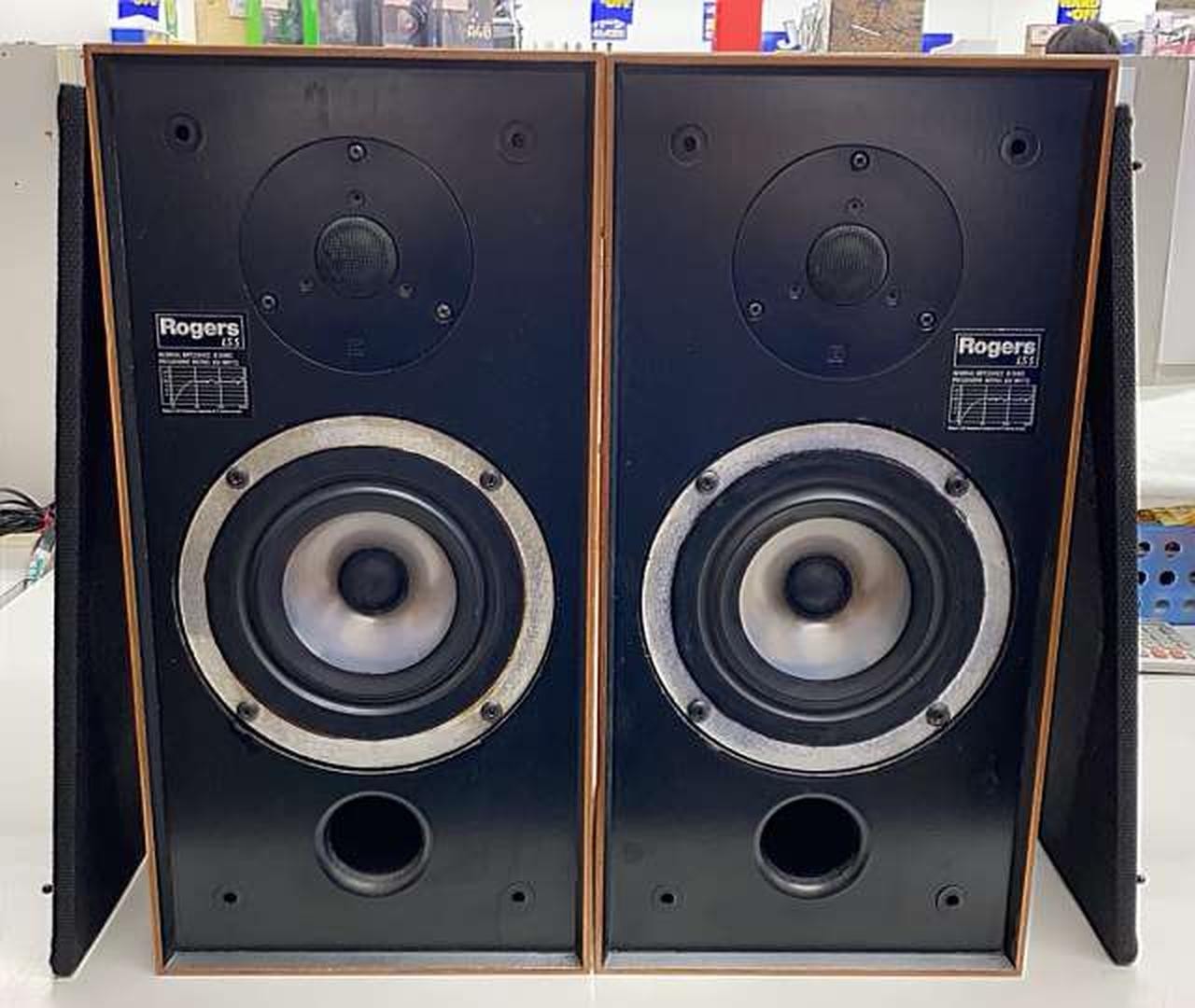

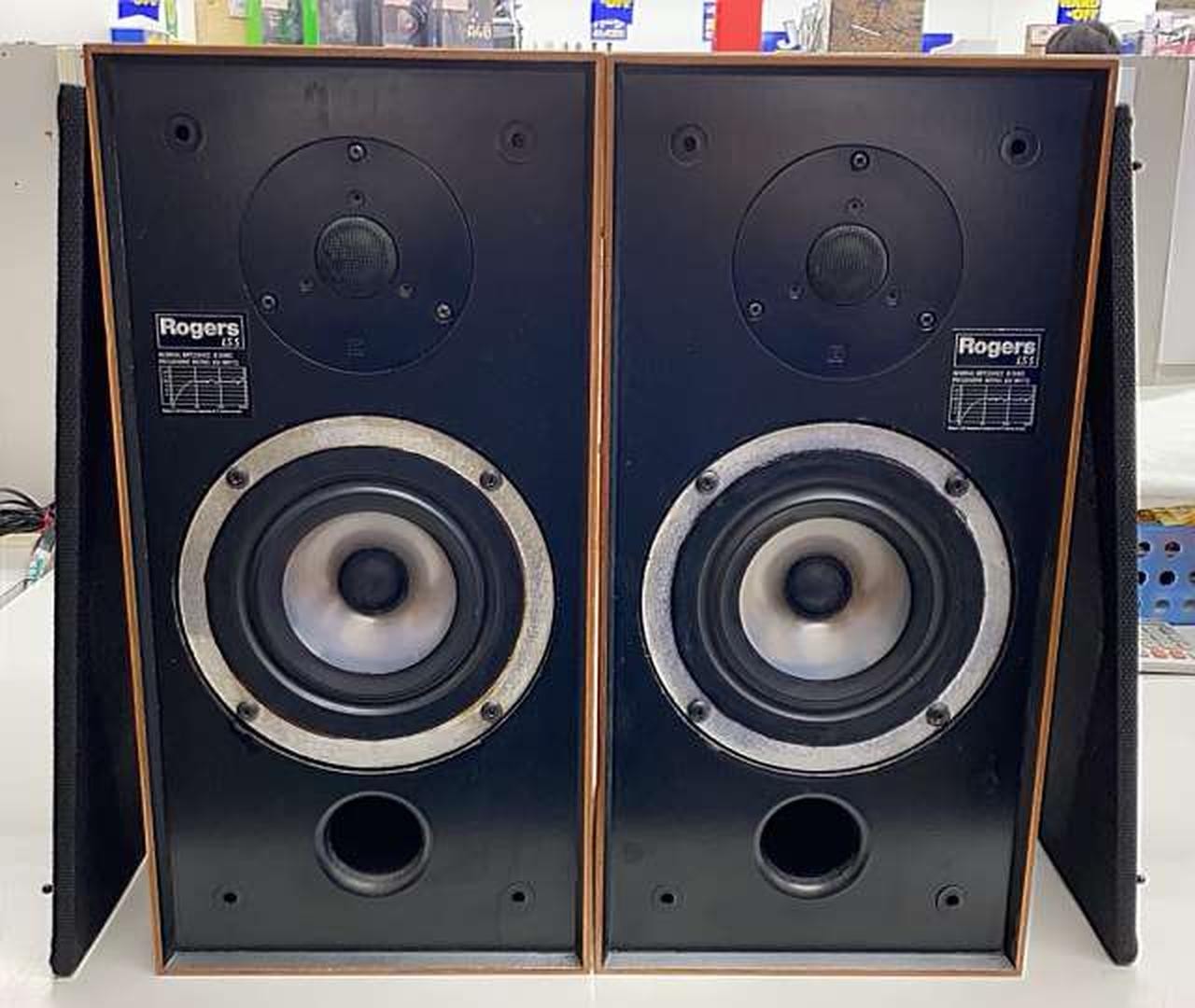
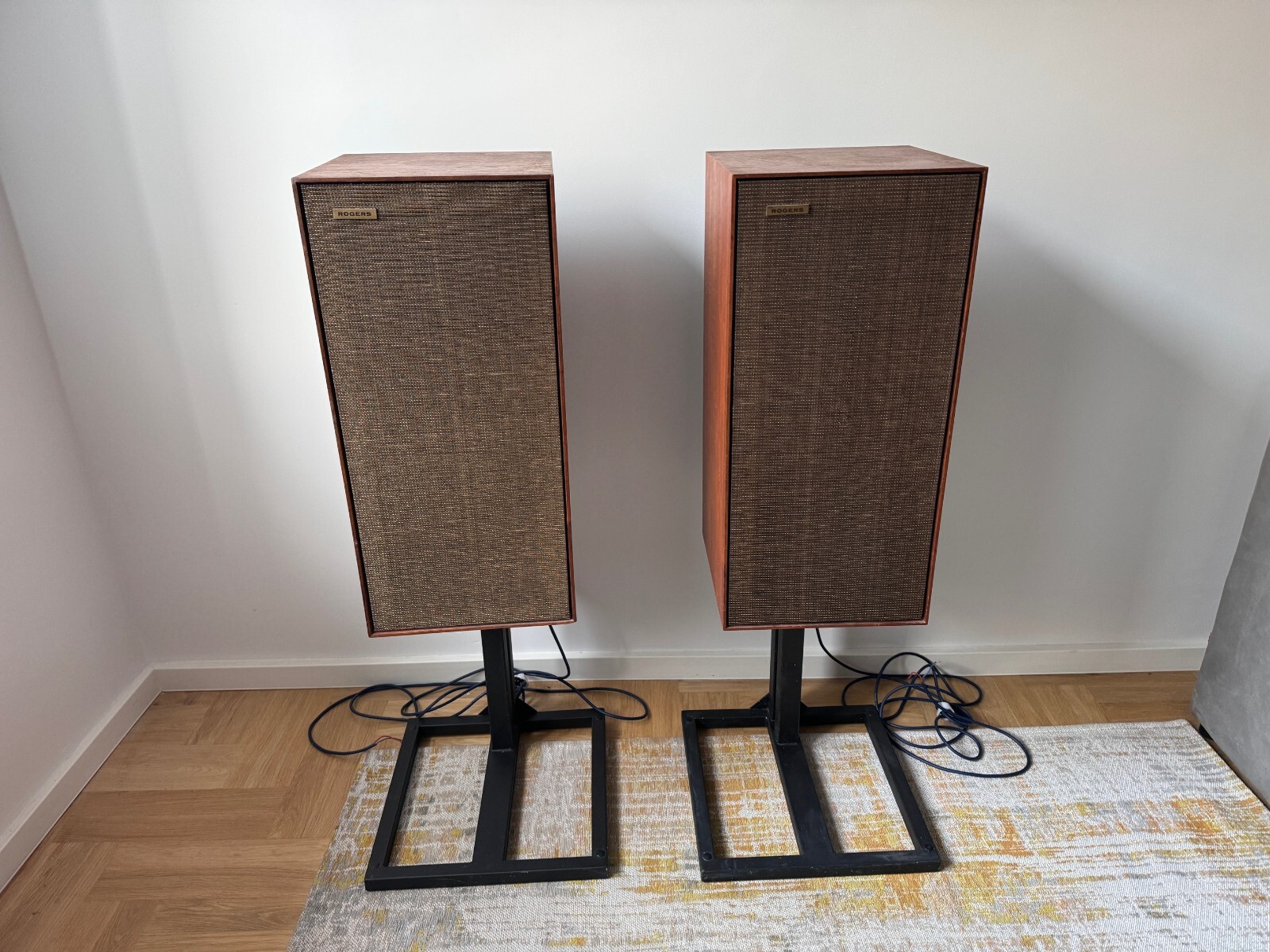
As an eBay Partner, we earn from qualifying purchases. This helps support our independent vintage technology research.
Related Models
- Rogers LS1 (1976)
- Rogers LS5 (1975)
- Rogers Ravensbourne Speaker System (1970)
- Rogers CADET (1972)
- Rogers LS2 (1978)
- Akai AM-2850 (1975)
- Akai AP-206 (1975)
- Nakamichi BX-1 (1985)
- Acoustic Research research-ar-17 (1978)
- Acoustic Research AR-19 (1994)