Rega Rega RB300: The Benchmark of Simplicity in Tonearm Design
Introduction
The Rega RB300 tonearm, introduced in 1983, stands as one of the most influential and enduring designs in the history of high-fidelity audio. Developed by British manufacturer Rega Research, the RB300 was engineered as a direct replacement and upgrade to the earlier RB250, but it quickly transcended its origins to become a benchmark in tonearm performance. Produced from 1983 to 1990, the RB300 was most famously paired with the Rega Planar 3 turntable, though its modular design allowed it to be fitted to a wide range of turntables, both factory-installed and as an aftermarket upgrade. Its reputation for combining exceptional tracking accuracy, low mass, and musical transparency made it a favorite among audiophiles and DIY enthusiasts alike. The RB300’s legacy endures not only in vintage systems but also in its spiritual successors—the RB301, RB303, and beyond—proving that great design never truly goes out of style.
Technical Specifications
| Specification | Value |
| Model | Rega RB300 |
| Category | Tonearm |
| Years Produced | 1983–1990 |
| Effective Length | 230.8 mm |
| Overhang | 18.5 mm |
| Offset Angle | 23.0 degrees |
| Mounting Distance | 212.3 mm |
| Tracking Force Range | 0 – 2.5 grams |
| Cartridge Weight Range | 5 – 12 grams |
| Arm Tube Material | Aluminum alloy |
| Bearing Type | Precision dual-bearing assembly |
| Azimuth Adjustability | Fixed (user-adjustable via shims) |
| VTF Adjustment | Counterweight with precision scale |
| Anti-Skate | Manual adjustable |
Design & Engineering
The Rega RB300 embodies the British company’s core philosophy: achieve maximum performance through minimalism and precision engineering. Designed by Roy Gandy and his team, the RB300 was built around the principle that a tonearm should interfere as little as possible with the cartridge’s ability to read the record groove. To this end, the arm features a one-piece, tapered aluminum alloy tube that is both lightweight and highly rigid, minimizing resonances that could color the sound. The tube is internally damped and carefully shaped to reduce air turbulence during playback.
One of the RB300’s most celebrated engineering feats is its bearing system. Utilizing a dual-bearing design with precision-ground stainless steel axles and low-friction sapphire bearings, the RB300 offers exceptionally smooth horizontal and vertical movement. This allows the stylus to track even the most modulated passages with accuracy and stability. The bearings are sealed to prevent dust ingress, contributing to long-term reliability.
The tonearm’s mounting system is equally thoughtful. The sub-chassis mount ensures a solid connection to the turntable plinth, minimizing energy transfer and vibration. The arm is statically balanced with a machined counterweight that includes a fine-threaded adjustment for precise tracking force setting. While azimuth is factory-set, many users employ thin shims under the cartridge to fine-tune alignment for optimal stereo imaging.
Rega’s decision to forgo complex adjustability—such as user-accessible VTA (vertical tracking angle) or azimuth controls—was controversial at the time but aligned with their belief that simplicity leads to better sound. The RB300 was designed to be set up correctly once and left alone, trusting the user to follow proper alignment procedures using a protractor.
Sound Characteristics
Sonically, the RB300 is renowned for its clarity, dynamic expression, and rhythmic precision. It delivers a neutral tonal balance that allows the cartridge to shine without imposing its own character. The low-mass design ensures excellent transient response, making it particularly adept at reproducing acoustic instruments, jazz, and vocal performances with lifelike immediacy.
The arm’s rigidity and bearing precision translate into a wide soundstage with precise imaging and excellent depth. Background noise is remarkably low, revealing subtle details in the recording without artificial brightness or harshness. When paired with moving magnet or low-output moving coil cartridges of appropriate compliance, the RB300 achieves a rare balance of control and musicality.
Many users report that the RB300 imparts a “lively” or “engaging” quality to the music—never fatiguing, but always inviting. It excels with genres that rely on timing and texture, such as rock, folk, and classical chamber music. Its ability to maintain composure during complex passages makes it a favorite for critical listening.
Market & Collectibility
Today, the Rega RB300 is highly sought after in the vintage audio market. Original units in good working condition typically fetch between $300 and $600, depending on provenance, condition, and whether they include original packaging and documentation. RB300s still mounted on Planar 3 turntables from the 1980s are especially collectible and can command premium prices among analog enthusiasts.
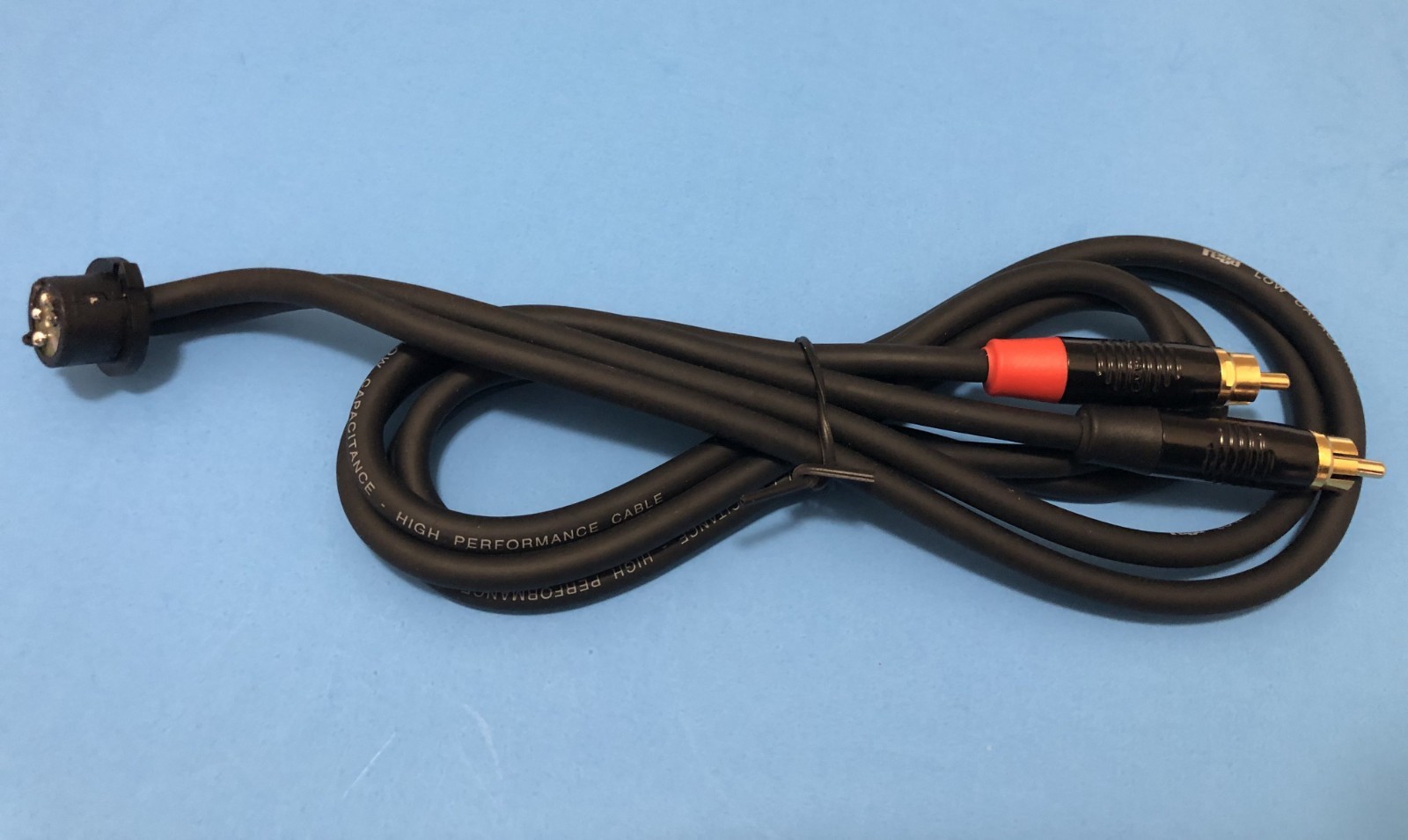
When purchasing a used RB300, it’s essential to inspect the bearings for smooth operation—any stickiness or roughness indicates wear or contamination. The arm tube should be free of dents, and the counterweight should move freely along the threaded spindle. The wiring should be intact, with no fraying or corrosion at the headshell or RCA connections.
Due to its popularity, the RB300 has become a platform for numerous aftermarket upgrades. Companies like Dynavector, Origin Live, and SME have offered replacement arm tubes, bearing housings, and even complete conversion kits. Some users retrofit the RB300 with carbon fiber tubes or upgraded wiring to further enhance performance.
The Rega RB300 remains a testament to the power of elegant, purpose-driven engineering. More than just a component, it represents a philosophy—that in the pursuit of musical truth, less can indeed be more.
eBay Listings

As an eBay Partner, we earn from qualifying purchases. This helps support our independent vintage technology research.
Related Models
- Linn Linn Basik (1980-1990)
- Linn Linn Ittok (1980-1990)
- Roksan Artemiz (1987-1990)