Realistic STA-52B: The Unsung Workhorse of 1970s Budget Hi-Fi
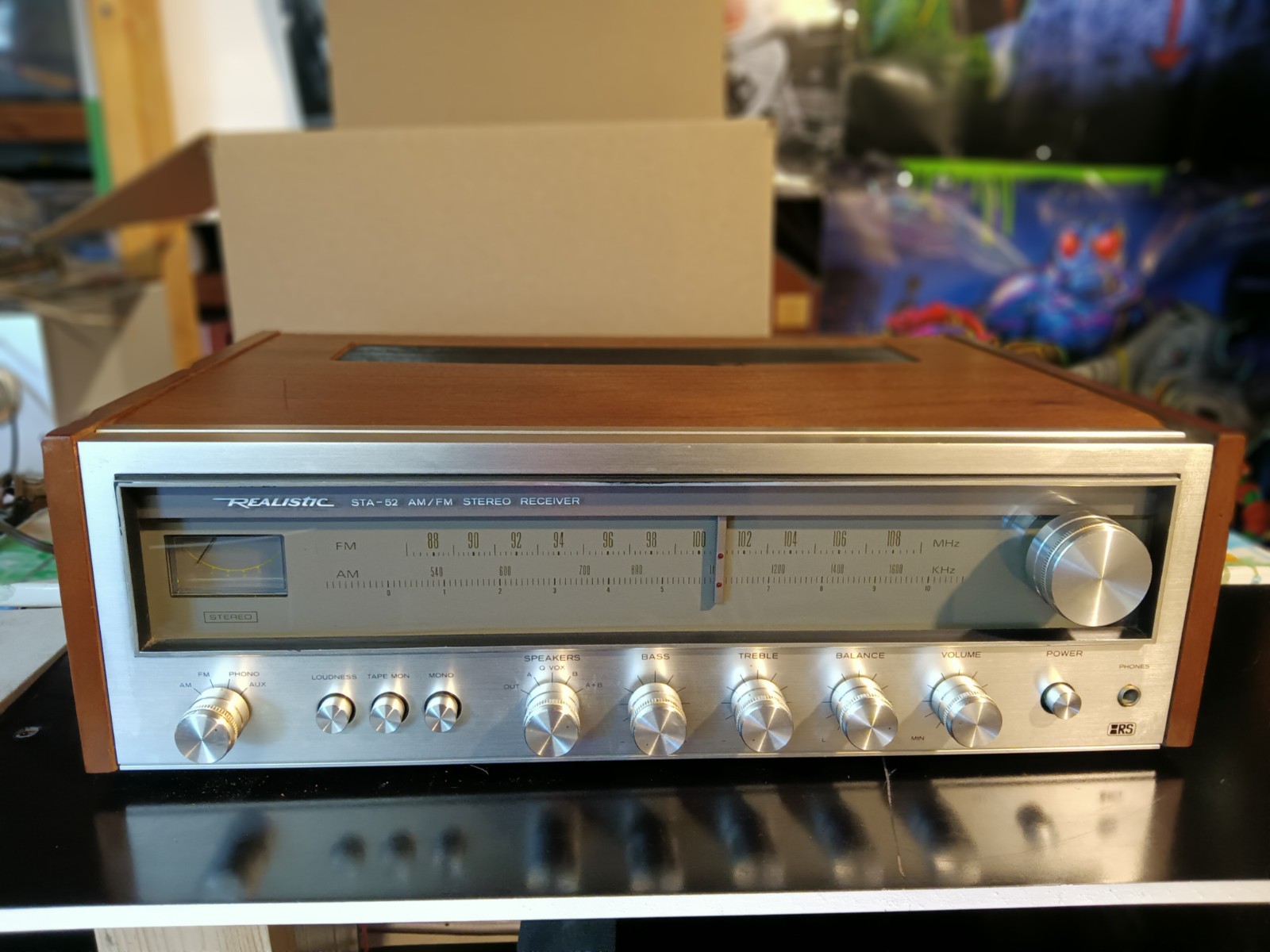
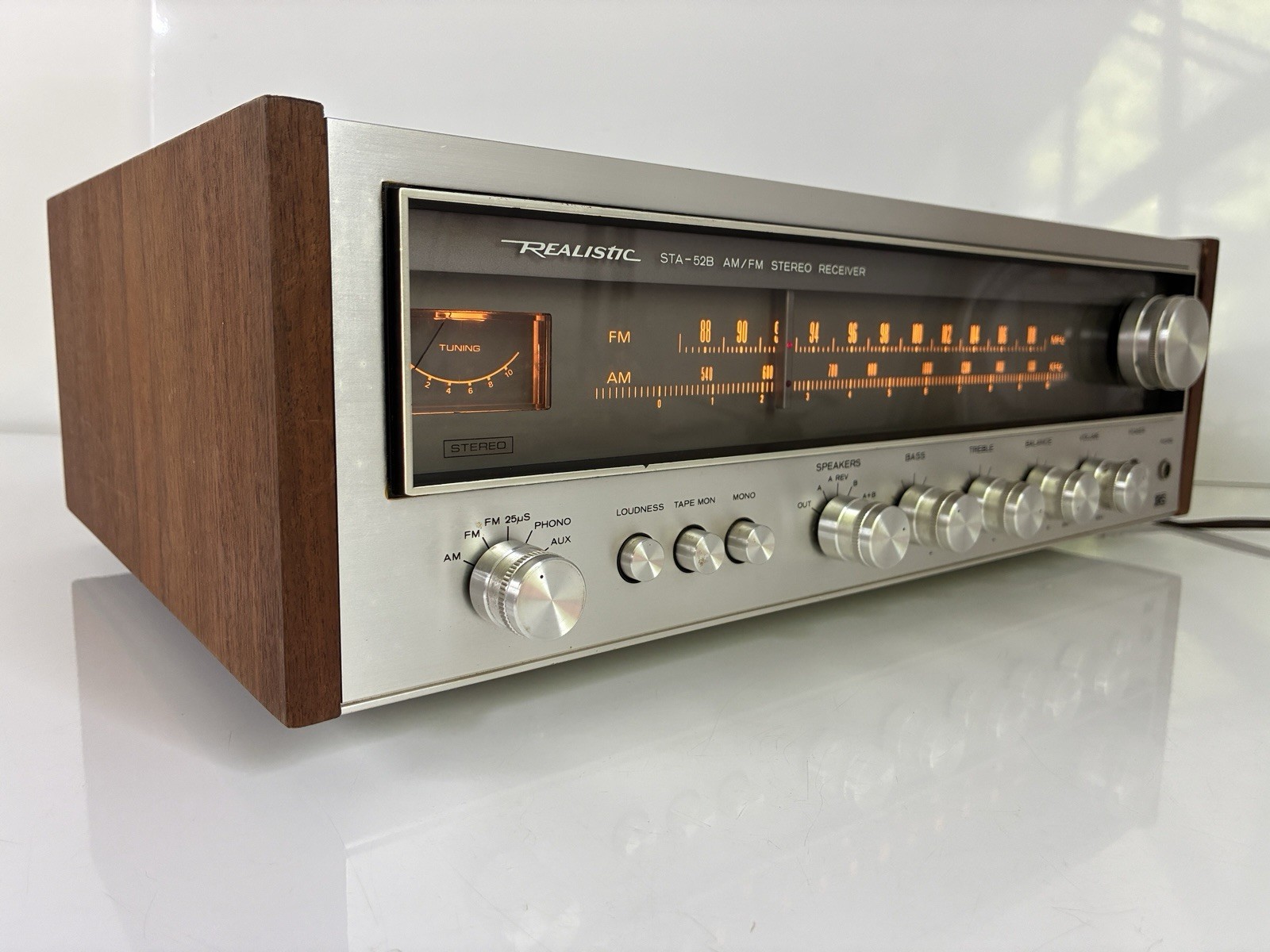
In the mid-1970s, as stereo audio systems became increasingly popular in American homes, RadioShack—through its in-house Realistic brand—offered a range of affordable audio components that brought high fidelity within reach of the average consumer. Among these was the Realistic STA-52B, a stereo preamplifier that, while never a headline-grabbing audiophile favorite, played a quiet but important role in democratizing quality sound.
Unlike the powerful receivers and integrated amps that dominated the era’s marketing, the STA-52B was a preamplifier only, meaning it lacked built-in amplification. Instead, it was designed to manage source selection, volume control, and tone adjustments, feeding a clean signal to a separate power amplifier. This modular approach was common in more serious audio setups, but Realistic brought it down to a price point accessible to students, hobbyists, and budget-conscious music lovers.
Though overshadowed by more glamorous brands like Pioneer, Sansui, or Marantz, the STA-52B represents a fascinating slice of audio history: the moment when decent sound quality became a commodity, not a luxury.
Technical Specifications
The STA-52B was built with simplicity and reliability in mind. It featured a no-frills design typical of RadioShack electronics of the era—functional, serviceable, and easy to repair. While not packed with cutting-edge features, it delivered essential preamp functions with solid engineering.
| Specification | Detail |
| Model | Realistic STA-52B |
| Manufacturer | Tandy Corporation (sold through RadioShack) |
| Year Introduced | 1976 |
| Type | Stereo Preamplifier |
| Inputs | 2x Line (RCA), 1x Phono (RCA) |
| Outputs | 1x Preamp Out (RCA) |
| Tone Controls | Bass, Treble (±12dB at 100Hz / 10kHz) |
| Volume Control | Dual-gang potentiometer |
| Power Source | External AC adapter (12V AC, center-tapped) |
| Power Consumption | ~10 watts |
| Frequency Response | 20Hz – 20kHz (±1dB) |
| Total Harmonic Distortion | <0.1% at rated output |
| Signal-to-Noise Ratio | >70dB |
| Dimensions | 14.5" W × 3.5" H × 8.5" D |
| Weight | 4.2 lbs |
| Impedance | Not applicable (line-level device) |
| Construction | Steel chassis, plastic faceplate, toggle switches |
Notably, the STA-52B included a dedicated moving magnet (MM) phono input with RIAA equalization, making it a good match for turntables of the era—a crucial feature when vinyl was king. Its external power supply helped reduce hum and interference in the sensitive preamp circuitry, a smart design choice for a low-cost unit.
Sound Characteristics and Performance
The STA-52B wasn’t built to compete with high-end preamps in terms of sonic refinement, but it performed admirably within its class. Its sound signature can best be described as clean, neutral, and slightly warm, with a modest midrange presence that lent itself well to vocals and acoustic instruments.
Thanks to its discrete transistor-based circuitry (no IC op-amps), the STA-52B offered a degree of analog smoothness that many users found pleasing. The phono stage, while not ultra-quiet by modern standards, was competent enough for budget cartridges of the 1970s, extracting reasonable detail from LPs without excessive noise.
The tone controls were effective and musical, allowing users to tailor the sound to their speakers or room acoustics. The bass and treble adjustments had a wide range (±12dB), making it possible to compensate for less-than-ideal speakers or listening environments.
One of the unit’s strengths was its low noise floor—especially impressive given its price point. With a well-matched power amp and sources, the STA-52B could deliver a surprisingly engaging and dynamic listening experience, particularly with FM radio and vinyl records.
Notable Features and Innovations
While the STA-52B wasn’t groundbreaking, it did include several thoughtful features for its time and market:
- Modular Design: As a standalone preamp, it allowed users to mix and match components—pairing it with a powerful external amplifier or even a custom-built system.
- External Power Supply: This reduced internal heat and electrical noise, contributing to cleaner audio performance.
- Simple, Intuitive Layout: Large knobs and clearly labeled inputs made it user-friendly, even for audio newcomers.
- Durable Build Quality: Despite its budget origins, the STA-52B was built with a steel chassis and quality potentiometers that have proven durable over decades.
- Serviceability: RadioShack published full service manuals and schematics, and replacement parts were widely available—making repairs straightforward for hobbyists.
The STA-52B also reflected RadioShack’s broader philosophy: accessible technology, backed by in-store support. Customers could walk into a local RadioShack, buy the unit, and get help setting it up—a level of service rare in today’s audio market.
Common Issues and Maintenance
Like any vintage electronics, the STA-52B can develop issues over time, but most are easily remedied with basic maintenance.
- Crackling or Fading Audio: This is typically caused by worn or dirty volume and tone control potentiometers. Cleaning with contact cleaner (e.g., DeoxIT) often restores full functionality.
- Weak or No Phono Output: Check the external power supply first—these can fail or lose voltage over time. If the supply is good, inspect the internal wiring and solder joints, which may have cracked.
- Hum or Buzz: Usually due to a failing power adapter or ground loop. Replacing the AC adapter with a modern equivalent (12V AC, center-tapped, ~500mA) often resolves this.
- Capacitor Aging: While the STA-52B doesn’t use large electrolytic caps in signal paths, coupling capacitors can degrade over 40+ years. Replacing them with modern film capacitors can improve clarity and channel balance.
Because schematics are readily available online and parts are generic, the STA-52B is a great candidate for restoration—even for beginners.
Current Market Value and Collectibility
The Realistic STA-52B is not a high-demand collector’s item, but it has a quiet following among vintage audio enthusiasts, DIYers, and RadioShack memorabilia collectors.
- Working Condition: $30–$60
- Mint/Unopened: $75–$100 (rare)
- With Original Box and Manual: Adds $15–$25
Its value lies more in utility than rarity. Many users appreciate it as a functional vintage preamp for retro systems, especially when paired with a classic power amp like a Dynaco or Adcom. It’s also popular in educational settings and among hobbyists building period-accurate 1970s audio rigs.
While not a showstopper at hi-fi auctions, the STA-52B is a reliable, affordable entry point into vintage audio that performs better than its humble origins suggest.
Conclusion and Legacy
The Realistic STA-52B may not have the prestige of a Marantz or the power of a Pioneer receiver, but it holds a special place in the history of consumer audio. It represents a time when RadioShack empowered everyday people to build their own stereo systems, learn about electronics, and enjoy music without breaking the bank.
Today, the STA-52B stands as a testament to honest, no-nonsense engineering. It won’t win awards for innovation, but it delivers solid performance, repairability, and a nostalgic connection to a bygone era of analog audio.
For the vintage audio enthusiast, the STA-52B is more than just a forgotten preamp—it’s a reminder that great sound doesn’t always come with a high price tag. With a little care, it can still serve as the quiet heart of a warm, musical stereo system—just as it did in living rooms across America in the 1970s.
eBay Listings


As an eBay Partner, we earn from qualifying purchases. This helps support our independent vintage technology research.
Related Models
- Realistic STA-16 (1975)
- Realistic STA-7 (1973)
- Realistic STA-800 (1975)
- Realistic STA-850 (1975)
- Realistic STA-235B (1975)
- Luxman L-530 (1975)
- Luxman R-404 (1975)
- Luxman RV-371 (1975)
- Luxman SQ-38U (1975)
- Luxman T-14 (1972)