Realistic NOVA-4: The 1970s Stereo Sound Column That Brought Style to Hi-Fi
In the early 1970s, as stereo audio systems became more accessible to the average household, manufacturers sought innovative ways to deliver immersive sound without sacrificing aesthetics or space. One such solution was the sound column—a vertical array of speakers designed to project stereo sound in a compact footprint. Among the most iconic of these designs was the Realistic NOVA-4, a sleek, futuristic-looking speaker column sold through RadioShack stores under their house brand, Realistic.
The NOVA-4 wasn’t a receiver, amplifier, or turntable—instead, it occupied a unique niche as a self-contained stereo speaker system in a single vertical enclosure. Marketed as a space-saving alternative to traditional bookshelf or floor-standing speakers, the NOVA-4 combined form and function in a way that resonated with the design sensibilities of the era. With its brushed aluminum finish, angular cabinet, and distinctive driver layout, it became a favorite among college students, apartment dwellers, and young audiophiles looking for a modern touch in their listening setup.
Technical Specifications
The Realistic NOVA-4 was designed to be paired with a standard stereo receiver or amplifier, requiring no internal electronics of its own. Its passive design meant it relied entirely on external power, but its internal crossover and driver configuration were engineered to deliver balanced stereo separation from a single column.
| Specification | Detail |
| Model | NOVA-4 |
| Manufacturer | Realistic (Tandy Corporation) |
| Year Introduced | 1972 |
| Type | Passive stereo column speaker |
| Driver Configuration | 4-driver array (2 tweeters, 2 midrange/woofers) |
| Tweeters | 2 x 3/4" dome tweeters (left and right channels) |
| Woofers | 2 x 3" cone drivers (left and right channels) |
| Crossover | Internal passive crossover network |
| Impedance | 8Ω nominal |
| Frequency Response | Approximately 80 Hz – 18 kHz |
| Sensitivity | ~86 dB (estimated) |
| Enclosure Material | MDF with woodgrain vinyl and aluminum front baffle |
| Dimensions (H×W×D) | 30" × 6" × 7" (76 × 15 × 18 cm) |
| Weight | 12 lbs (5.4 kg) per column |
| Finish Options | Woodgrain with silver aluminum front |
| Connectivity | Single pair of 5-way binding posts (banana plug compatible) |
Each NOVA-4 unit housed four drivers arranged in a stereo vertical array: the top and bottom drivers handled the left and right channels respectively, with the crossover directing high and low frequencies appropriately. This layout allowed for a surprisingly wide stereo image when positioned correctly, despite the compact footprint.
Sound Characteristics and Performance
The NOVA-4 was not built for high-fidelity purists or bass-heavy listening, but rather for balanced, clear midrange performance with decent stereo separation—perfect for FM radio, vinyl records, and the soft rock, folk, and jazz that dominated the early '70s.
The dual 3" woofers provided modest bass response, typically rolling off below 80 Hz, making the NOVA-4 best suited for use with a small subwoofer or in conjunction with a bass-reflex receiver of the era. However, the real strength of the NOVA-4 lay in its midrange clarity and vocal reproduction. The dual dome tweeters delivered crisp, non-fatiguing highs, ideal for extended listening sessions.
When placed symmetrically on either side of a turntable or entertainment center, the NOVA-4 columns created a surprisingly wide soundstage for their size. The vertical dispersion helped fill small to medium-sized rooms with stereo imaging that belied their compact design. While not capable of high sound pressure levels, they performed admirably at moderate volumes—perfect for background music or intimate listening.
Notable Features and Innovations
The Realistic NOVA-4 stood out not just for its sound, but for its design-forward approach to speaker engineering:
- Stereo-in-a-column concept: At a time when most speakers were either mono bookshelf boxes or large floorstanders, the NOVA-4 offered a novel way to achieve stereo separation from a single vertical unit.
- Space-saving footprint: Ideal for dorm rooms, apartments, and small living spaces where traditional speaker placement was impractical.
- Stylish mid-century modern aesthetic: The blend of woodgrain, brushed aluminum, and angular cabinet design made it a visual centerpiece in any room.
- Easy integration: With standard 8Ω impedance and passive design, the NOVA-4 worked seamlessly with most receivers of the era, from Marantz to Sansui to Advent.
Though not technically groundbreaking, the NOVA-4 represented a shift in how consumers thought about speaker placement and room integration—foreshadowing the modern soundbar and vertical speaker trends of the 21st century.
Common Issues and Maintenance
As with any vintage audio gear, the Realistic NOVA-4 requires some care to remain in working condition today:
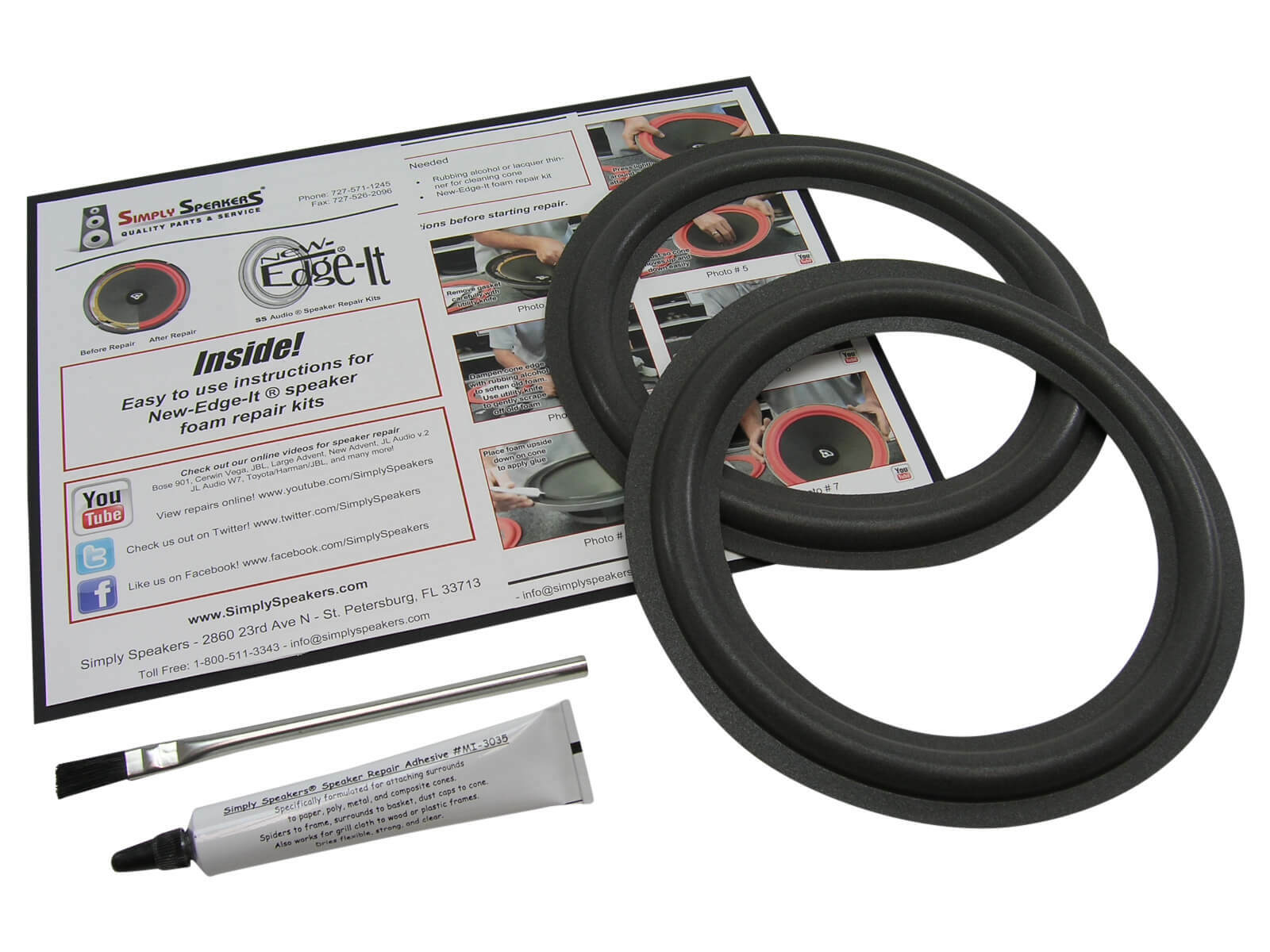
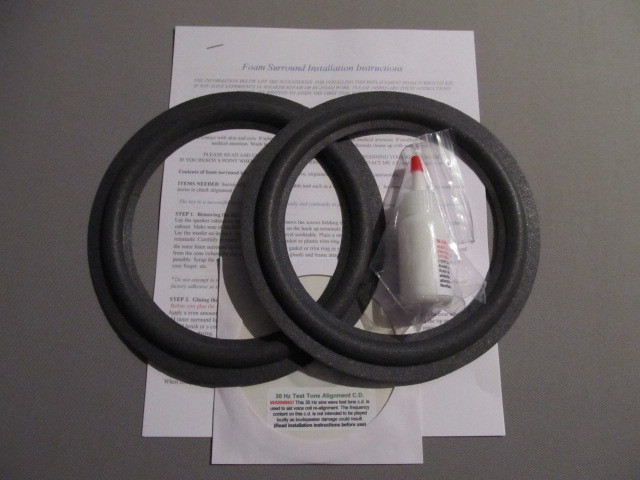
- Aging foam surrounds: The original foam on the 3" woofers is prone to disintegration after 40+ years. Many surviving units will need foam replacement kits (available from specialty restoration suppliers) to restore proper bass response and prevent damage to the voice coils.
- Deteriorated crossover components: Capacitors and inductors in the internal crossover may have degraded, leading to muffled sound or tweeter failure. Replacing these with modern equivalents can significantly improve performance.
- Binding post corrosion: The original 5-way binding posts can corrode over time, especially if exposed to humidity. Cleaning or replacing them ensures a solid connection.
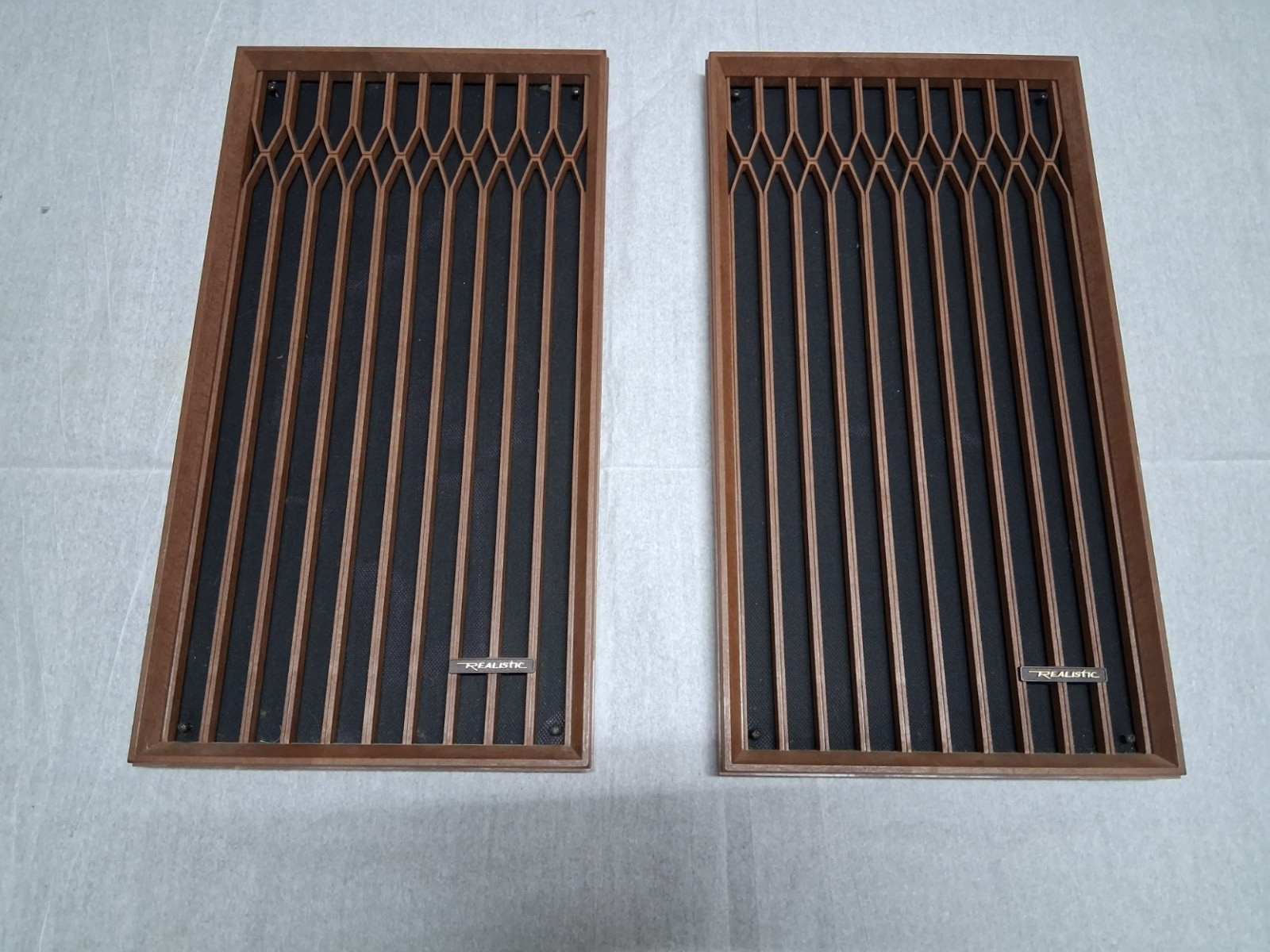
- Cabinet wear: The woodgrain vinyl can peel, and the aluminum baffle may show scratches or tarnish. While cosmetic, these can be carefully restored with appropriate cleaners and touch-up techniques.
Despite these aging issues, the NOVA-4 is relatively simple to repair compared to more complex vintage gear. Its modular driver layout and accessible internal components make it a favorite among DIY audio restorers.
Current Market Value and Collectibility
Today, the Realistic NOVA-4 is a modestly collectible piece of 1970s audio history. While not as sought-after as high-end brands like AR, KLH, or Advent, it holds nostalgic value for RadioShack enthusiasts and fans of retro design.
- Working condition: $75–$150 per pair, depending on cosmetic condition and driver integrity.
- Restored units: $150–$250, especially if upgraded with new foam and crossover components.
- Non-working or parts units: $25–$50, often purchased for restoration projects.
Units with original packaging, manuals, or RadioShack branding are rare and can command a slight premium. The NOVA-4 is also popular in retro-themed audio setups, mid-century modern interiors, and as conversation pieces in vintage hi-fi collections.
Conclusion and Legacy
The Realistic NOVA-4 may not have been a technical marvel, but it was a product of its time—a clever, stylish solution to the growing demand for compact, attractive stereo systems in the 1970s. It embodied the democratization of hi-fi audio, bringing stereo sound to a generation that valued both performance and design.
While overshadowed by more renowned speakers of the era, the NOVA-4 deserves recognition as an early example of form meeting function in speaker design. Its vertical array concept prefigured modern sound columns and soundbars, and its enduring appeal lies in its nostalgic charm and practicality.
For vintage audio enthusiasts, the NOVA-4 offers a fun, affordable entry point into 1970s speaker collecting. With a little restoration, it can still deliver warm, engaging sound—proving that good design never truly goes out of style. Whether you're a RadioShack historian, a mid-century modern decorator, or just a lover of retro audio, the Realistic NOVA-4 remains a charming slice of analog history worth preserving.
eBay Listings

As an eBay Partner, we earn from qualifying purchases. This helps support our independent vintage technology research.
Related Models
- Realistic OPTIMUS-1 (1976)
- Realistic 42-2108 (1979)
- Realistic 42-2108 Stereo Reverb System (1975)
- Realistic LAB-400 (1977)
- Realistic LAB-420 (1975)
- Akai AM-2850 (1975)
- Akai AP-206 (1975)
- Nakamichi BX-1 (1985)
- Acoustic Research research-ar-17 (1978)
- Acoustic Research AR-19 (1994)