Realistic MINIMUS-11: The Pocket-Sized Classic from RadioShack
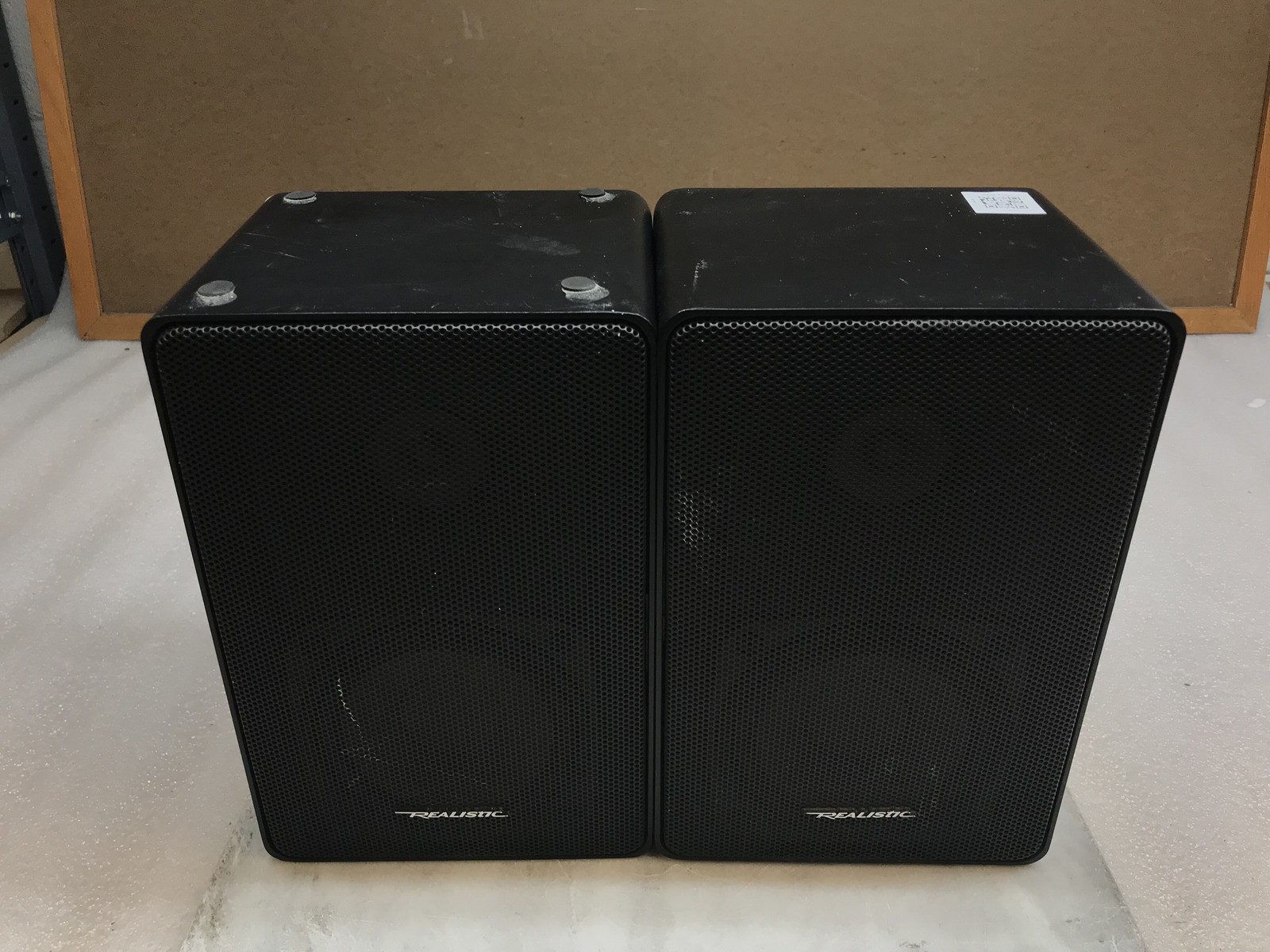
In the golden era of home audio, when hi-fi systems adorned living rooms and stereo shopping meant a trip to the local electronics store, few brands brought high-quality sound within reach of the average consumer quite like Realistic—the private-label brand of RadioShack. Among its most beloved offerings was the Realistic MINIMUS-11, a compact bookshelf speaker that became a staple in dorm rooms, apartments, and first-time stereo setups across America during the 1970s and 1980s. Though modest in size and price, the MINIMUS-11 earned a loyal following for its surprisingly warm, balanced sound and no-nonsense design—making it a cult favorite among vintage audio enthusiasts today.
Historical Context: RadioShack and the Democratization of Hi-Fi
Launched in the mid-1970s, the MINIMUS-11 arrived at a time when stereo technology was rapidly evolving and becoming more accessible. RadioShack, with its nationwide network of small retail stores, played a crucial role in bringing audio gear to suburban and rural consumers who might not have access to high-end stereo boutiques. The Realistic brand offered everything from turntables and receivers to cables and speakers, often designed in collaboration with reputable audio engineering firms.
While not positioned as a premium audiophile product, the MINIMUS-11 was engineered to deliver respectable performance at an affordable price. Its compact size made it ideal for small spaces, and its passive two-way design allowed it to pair well with the low-to-mid-powered receivers of the era. Over the years, multiple versions of the MINIMUS series were released (including the MINIMUS-7 and MINIMUS-8), but the MINIMUS-11 stood out for its slightly larger cabinet and improved bass response.
Technical Specifications
The MINIMUS-11 is a two-way, bass-reflex bookshelf speaker designed for stereo or multi-channel use in small to medium-sized rooms. Despite its diminutive footprint, it was engineered to deliver a full-range sound with careful attention to midrange clarity.
| Specification | Detail |
| Type | Passive two-way bookshelf speaker |
| Driver Configuration | 1 x 5.25" woofer, 1 x 1" dome tweeter |
| Frequency Response | 55 Hz – 20 kHz |
| Impedance | 8 ohms (nominal) |
| Sensitivity | 86 dB (1W/1m) |
| Crossover Frequency | ~3.5 kHz |
| Enclosure Type | Bass-reflex (rear-firing port) |
| Dimensions (HxWxD) | 11.5" x 6.5" x 7.5" (approx.) |
| Weight | 8.5 lbs per speaker |
| Grille | Removable fabric grille (black) |
| Terminals | Spring-clip binding posts |
The 5.25-inch woofer is constructed with a paper cone and foam surround, typical of the era, while the soft-dome tweeter delivers smooth high frequencies without harshness. The rear-ported design enhances bass output, allowing the speaker to produce a fuller sound than its size would suggest.
Sound Characteristics and Performance
Don’t let the size fool you—the MINIMUS-11 punches above its weight in sonic performance. It’s not a speaker built for booming bass or stadium-scale dynamics, but it excels in clarity, midrange presence, and tonal balance, especially for vocals and acoustic instruments.
The midrange is warm and slightly forward, giving voices and stringed instruments a natural, intimate quality. This makes the MINIMUS-11 particularly well-suited for jazz, folk, classic rock, and vocal-centric recordings. The tweeter is smooth and non-fatiguing, avoiding the sibilance and harshness that plagued some budget speakers of the time. While high-frequency extension is decent, it rolls off gently above 18 kHz, contributing to its easy-listening character.
Bass response reaches down to 55 Hz, which is impressive for a speaker under 12 inches tall. However, it lacks the deep, room-filling low end of larger floor-standing models. The bass is tight and punchy rather than boomy, making it a good match for genres like soul, Motown, and classic R&B where rhythm and timing matter more than sub-bass.
Paired with a modest receiver—such as a vintage Sherwood, Yamaha, or even a Realistic STA-xx series—the MINIMUS-11 creates a cohesive, engaging soundstage that belies its humble origins. They work best when placed on stands or elevated shelves, with some distance from walls to optimize bass response and imaging.
Notable Features and Design
The MINIMUS-11’s design is utilitarian but thoughtful. The rectangular MDF cabinet is covered in a textured vinyl wrap, typically in a woodgrain finish (walnut or rosewood), with a black baffle and matching grille. The build quality is solid for its price point, though not as refined as higher-end contemporaries from AR, Advent, or KLH.
One of its most notable features is its compact footprint—making it ideal for bookshelves, desks, or small apartments. This practicality helped it become a favorite among college students and first-time stereo buyers. The rear-firing port allows for flexible placement, though it benefits from some clearance from the wall.
The spring-clip speaker terminals are basic but functional, compatible with bare wire or pin connectors. While they don’t support banana plugs or heavy-gauge cables, they were standard for the era and sufficient for the low power levels typical of 1970s receivers.
Common Issues and Maintenance
Like all vintage speakers, the MINIMUS-11 is susceptible to age-related wear. The most common issue is deteriorating foam surrounds on the woofers, which can dry out, crack, or disintegrate after 40+ years. This leads to distorted bass, reduced output, or complete failure. Fortunately, foam reconing kits are widely available online and relatively easy to install with basic tools.
The tweeters are generally reliable, but dust buildup or oxidation on the terminals can affect performance. Cleaning the terminals and ensuring a solid connection can restore clarity.
Another consideration is the grille fabric, which may be frayed or discolored over time. While replacement grilles are rare, some enthusiasts have recreated them using custom-cut mesh and adhesive frames.
For optimal performance, consider upgrading the speaker wire to a decent 16-gauge oxygen-free copper cable. While the original spring clips limit connectivity options, a secure connection makes a noticeable difference in detail and dynamics.
Current Market Value and Collectibility
Today, the Realistic MINIMUS-11 enjoys a quiet resurgence among vintage audio collectors and DIY enthusiasts. While never a high-end product, its nostalgic appeal, compact size, and warm sound signature have earned it a cult following.
In used condition, working pairs typically sell for $50–$120, depending on cosmetic condition and whether they’ve been refurbished. Fully restored models with reconed woofers and upgraded wiring can command higher prices, especially when paired with matching vintage gear.
They are particularly popular in retro audio builds, desktop setups, or as part of a vintage-themed listening room. Their compatibility with low-powered tube amps and vintage receivers makes them a favorite in minimalist hi-fi circles.
While not as sought-after as legendary bookshelf speakers like the AR-3 or KLH Model Eight, the MINIMUS-11 holds its own as a budget-friendly vintage gem—a testament to RadioShack’s mission of making good sound accessible to all.
Conclusion: A Legacy of Affordable Audio Excellence
The Realistic MINIMUS-11 may not have carried the prestige of high-end audiophile brands, but it succeeded where it mattered most: bringing enjoyable, reliable sound into everyday homes. Its combination of compact design, warm tonality, and affordability made it a quiet hero of the 1970s stereo revolution.
Today, it stands as a charming reminder of a time when building a stereo system didn’t require a six-figure budget. With a little care and maintenance, the MINIMUS-11 can still deliver a listening experience that’s engaging, musical, and full of character.
For vintage audio lovers, DIYers, or anyone nostalgic for the warm glow of a 1970s living room setup, the Realistic MINIMUS-11 remains a worthy addition to any collection—proof that great sound doesn’t always come in big packages.
eBay Listings


As an eBay Partner, we earn from qualifying purchases. This helps support our independent vintage technology research.
Related Models
- Realistic OPTIMUS-1 (1976)
- Realistic 42-2108 (1979)
- Realistic 42-2108 Stereo Reverb System (1975)
- Realistic LAB-400 (1977)
- Realistic LAB-420 (1975)
- Akai AM-2850 (1975)
- Akai AP-206 (1975)
- Nakamichi BX-1 (1985)
- Acoustic Research research-ar-17 (1978)
- Acoustic Research AR-19 (1994)