Realistic CTR-71: The Pocket-Sized Cassette Workhorse of the Late '80s
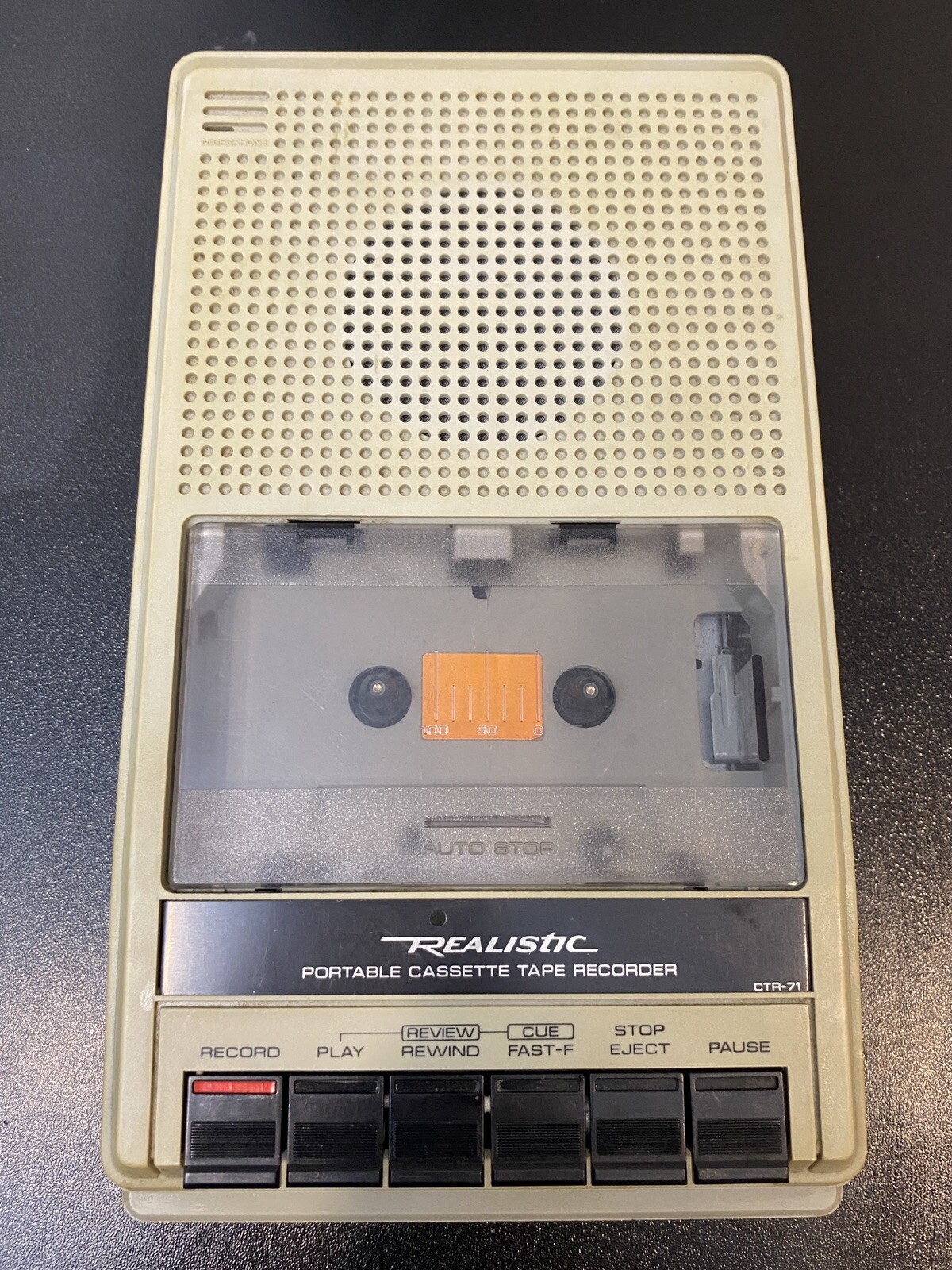
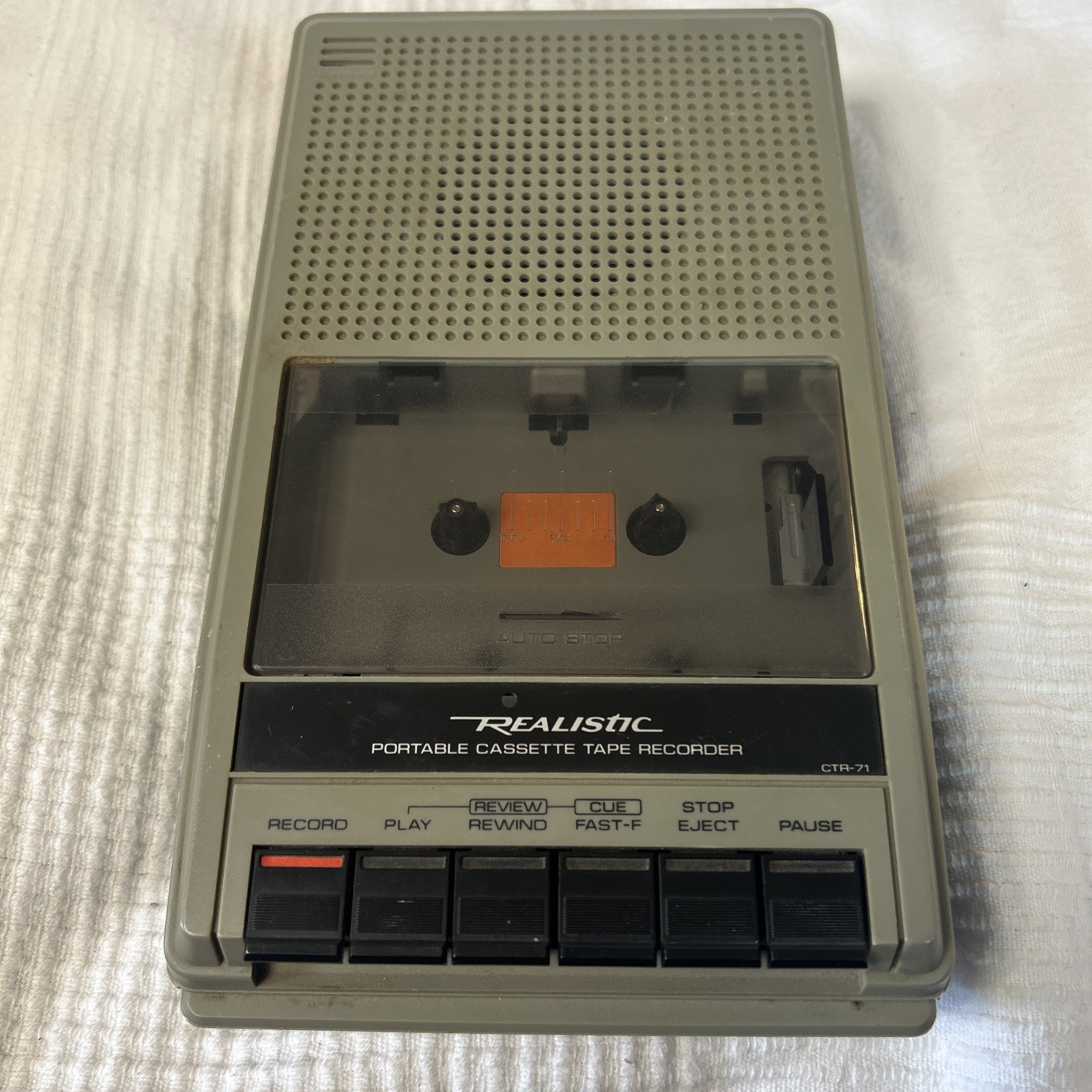
In the late 1980s, the cassette tape was king, and RadioShack was the place where regular folks could grab a piece of the action. Their house brand, Realistic, churned out a ton of affordable, no-nonsense gear, and the Realistic CTR-71 is a perfect example. This isn't some fancy hi-fi deck; it's a compact, battery-powered recorder that was built for one job: getting sound onto tape without fuss or a big price tag. For students, hobbyists, or anyone who needed to capture a voice memo, it was a solid, dependable choice that felt right at home in a backpack or on a cluttered desk.
Technical Specifications
| Model | Realistic CTR-71 (Cat. No. 14-1051) |
| Manufacturer | Tandy Corporation (sold via RadioShack) |
| Production Years | 1988 – 1991 |
| Type | Portable mono cassette recorder/player |
| Recording Modes | Standard (Type I ferric) |
| Tape Speed | 1⅞ ips (4.76 cm/s) |
| Power Source | 4 x AA batteries (6V DC) |
| Input | 3.5mm microphone input |
| Output | 3.5mm headphone jack (mono) |
| Recording Level Control | Manual gain knob |
| Playback Functionality | Yes, mono |
| Dimensions | Approx. 4.5" x 2.8" x 1.2" (11.4 x 7.1 x 3 cm) |
| Weight | ~10 oz (280 g) with batteries |
| Additional Features | Built-in electret microphone, erase protection switch, pause button, battery level indicator |
Let's be clear: this was almost certainly an OEM unit made in Asia and rebadged for RadioShack, which was their standard playbook. You won't find specs for wow & flutter or frequency response in the manual because, frankly, they weren't selling it on those terms. It was a utility player, not a star athlete.
Sound Characteristics and Performance
What you get with the CTR-71 is perfectly serviceable, slightly compressed mono sound. The built-in mic is okay for capturing a lecture or an interview in a quiet room, but point it at a band or a loud room and it'll distort into a fizzy mess—the manual gain knob helps, but only so much. Playback through the tiny built-in speaker is, well, tinny and thin, just like you'd expect. It's there for checking your recording, not for enjoying music.
Now, plug in a pair of headphones, and the experience improves dramatically. You get a clearer picture of what's on the tape. For voice, it's absolutely fine—intelligible and clean. For music, it's a nostalgic, lo-fi treat. Bass is nearly non-existent and the high end gets a bit murky, but there's a warmth to it that's genuinely charming. It won't fool you into thinking you're listening to a proper deck, but it gets the job done with a certain honest character.
Notable Features and Innovations
This little box is all about practical design. The size is spot-on—truly pocketable if you've got big pockets, otherwise it slips into a bag without a second thought. The manual level control is a big deal; it gives you a fighting chance against distortion and is something cheaper recorders often omitted. The erase protection tab is a simple lifesaver for preserving your favorite mixtapes. I'm also a fan of the battery check light; in an era of "guess if the batteries are dead," it was a small but welcome bit of user-friendliness.
Most of all, it represents the last gasp of an era of repairable, understandable electronics. The case snaps apart with standard screws, the mechanism is straightforward, and when it broke, you could often fix it with a part from the RadioShack down the street. That ethos is a huge part of its charm today.
Common Issues and Maintenance
If you pick one up today, you're signing up for a little project. The number one culprit is always the deteriorated rubber. The drive belt will have turned to goo or a brittle crust, causing sluggish play or complete failure. The pinch roller gets hard and shiny, leading to wow and flutter. Thankfully, replacement belts are easy to find online and swapping them is a great beginner repair.
You'll also absolutely need to clean the tape head, capstan, and pinch roller with isopropyl alcohol. Decades of magnetic oxide shed from tapes have gunked them up. Check the battery compartment for corrosion—it's a common killer. Sometimes the mechanical buttons get sticky, but a careful clean and a tiny drop of lubricant can work wonders. The good news is, these are simple machines. With basic tools and patience, you can almost always get a CTR-71 singing again.
Current Market Value and Collectibility
Don't buy a CTR-71 as an investment. Buy it because you want a cool, functional piece of late-80s tech. Prices are refreshingly sane. A tested, working model will typically run you $25 to $50 on eBay. If it's untested or "for parts," you can snag one for under $20. The value is in the nostalgia and the hands-on fun of restoration. A unit with its original box, manuals, and the classic RadioShack warranty card will fetch a bit more from the serious memorabilia collectors. It's not a grail, but it's a genuinely neat slice of everyday audio history that won't empty your wallet.
eBay Listings


As an eBay Partner, we earn from qualifying purchases. This helps support our independent vintage technology research.
Related Models
- Realistic SCT-10 (1979)
- Realistic SCT-86 (1983)
- Realistic CTR-23 (1975)
- Realistic OPTIMUS-5 (1979)
- Realistic SCT-1000 (1975)
- Sony TC-2050SD (1978)
- Aiwa AD-F990 (1993)
- Kenwood KX-3060 (1982)
- Sony TC-2130A (1974)
- Sony TC-2220 (1972)