Polk Audio Monitor 9W (1976–1981): A Compact Classic from the Golden Age of Hi-Fi
In the mid-1970s, as stereo systems became central to home entertainment, speaker design was undergoing a renaissance. Consumers demanded accuracy, clarity, and value—qualities that Polk Audio embraced with its now-iconic Monitor series. Among the earliest and most enduring models in this line was the Polk Audio Monitor 9W, introduced in 1976 and produced through 1981. Though modest in size and power handling, the Monitor 9W carved out a loyal following thanks to its balanced sound, thoughtful engineering, and the brand’s growing reputation for delivering high performance at accessible prices.
The Monitor 9W was part of Polk’s first major wave of consumer speaker offerings, developed during a time when the company was establishing its identity in the competitive American audio market. Founded in 1972 by audio engineers Matthew Polk, George Klopfer, and Sandy Gross, Polk Audio quickly gained attention for its focus on time- and phase-coherent design principles—concepts borrowed from professional studio monitors and adapted for the home listener. The Monitor 9W, while not the flagship of the series, embodied these ideals in a compact, affordable package that resonated with audiophiles on a budget.
Technical Specifications
The Monitor 9W was designed as a two-way, bass-reflex bookshelf speaker, making it ideal for smaller listening environments or as part of a surround or secondary system. Its design prioritized clarity and natural tonal balance over raw output or deep bass extension—hallmarks of Polk’s engineering philosophy at the time.
| Specification | Detail |
| Model | Monitor 9W |
| Manufacturer | Polk Audio |
| Production Years | 1976–1981 |
| Type | 2-way, bass-reflex bookshelf speaker |
| Driver Configuration | 1 x 8" polypropylene woofer, 1 x 3/4" silk dome tweeter |
| Frequency Response | 55 Hz – 20 kHz (±3 dB) |
| Crossover Frequency | 3.5 kHz |
| Nominal Impedance | 8 ohms |
| Sensitivity | 89 dB (2.83V/1m) |
| Power Handling | 75 watts (peak) |
| Enclosure Finish | Walnut or black vinyl wrap |
| Dimensions (H×W×D) | 15.5" × 8.5" × 8.75" (39.4 × 21.6 × 22.2 cm) |
| Weight | 15 lbs (6.8 kg) per speaker |
| Recommended Placement | Bookshelf or stand-mounted |
The 8-inch woofer featured a doped polypropylene cone—a material choice that was relatively advanced for its time—offering good damping and reduced coloration compared to paper cones. The silk dome tweeter provided smooth high-frequency reproduction, avoiding the harshness sometimes associated with early metal domes. The crossover network, while not overly complex, was carefully tuned to ensure time alignment between drivers, contributing to a coherent soundstage.
Sound Characteristics and Performance
The Monitor 9W delivers a sound that is best described as balanced, articulate, and surprisingly full-bodied for its size. With a frequency response starting at 55 Hz, it offers respectable bass extension—particularly when placed near a rear wall or in a bookshelf—but benefits from a subwoofer or larger speakers in systems where deep bass is a priority.
Midrange clarity is one of the 9W’s standout qualities. Vocals and acoustic instruments are rendered with natural warmth and presence, making these speakers excellent for jazz, folk, and vocal-centric recordings. The silk dome tweeter adds a refined sparkle to the highs without becoming fatiguing, even during extended listening sessions.
Imaging and soundstage are above average for a speaker of this era and class. The time-coherent design helps create a focused center image and a sense of spatial depth, especially when the speakers are properly positioned and toed-in toward the listening position. While not as expansive as larger floor-standing models, the 9W creates an engaging listening experience in rooms up to 200 square feet.
Notable Features and Innovations
The Monitor 9W was not a radical departure in speaker design, but it incorporated several thoughtful features that reflected Polk’s engineering priorities:
- Time-Aligned Crossover: One of Polk’s signature innovations, this design ensures that sound from the tweeter and woofer reaches the listener at the same time, improving imaging and coherence.
- Bass-Reflex Porting: A rear-firing port enhances low-frequency efficiency and extension, allowing the 8-inch woofer to deliver more bass than a sealed design of similar size.
- Durable Vinyl Wrap Finish: Offered in walnut or black, the finish was both practical and stylish, fitting well in 1970s and early 1980s living rooms.
- 8-Ohm Nominal Impedance: This made the 9W compatible with a wide range of receivers and amplifiers of the era, including tube and solid-state models.
Though not as celebrated as the larger Monitor 7 or the legendary Monitor 10B, the 9W shared DNA with these higher-end models and offered a taste of Polk’s design philosophy at a more accessible price point.
Common Issues and Maintenance
Like any vintage speaker, the Polk Monitor 9W can suffer from age-related wear. Common issues include:
- Degraded Foam Surrounds: The most frequent problem. The original foam on the woofer can dry out, crack, or disintegrate after 40+ years, leading to distorted bass or complete failure. Replacement with modern butyl rubber surrounds is a common and effective fix.
- Tweeter Failure: While generally reliable, the silk dome tweeters can fail due to overdriving or capacitor issues in the crossover. Some owners report replacing the tweeter or upgrading to a modern equivalent.
- Crossover Capacitors: Electrolytic capacitors in the crossover network may dry out over time, affecting tonal balance. Replacing them with modern film capacitors can restore or even improve performance.
- Grille Fabric: The original acoustically transparent grilles often become frayed or discolored. Replacement fabric or custom grilles are available from vintage audio specialists.
Restoration is generally straightforward, with many DIY guides and parts suppliers catering to vintage Polk speakers. Re-foaming kits and crossover rebuild components are widely available online.
Current Market Value and Collectibility
The Monitor 9W is not a high-value collector’s item like some rare Japanese or British speakers, but it holds steady interest among vintage audio enthusiasts, particularly those restoring period-correct systems or seeking affordable entry into classic American hi-fi.
In working condition, a pair of Monitor 9Ws typically sells for $100–$200, depending on cosmetic condition and whether they’ve been restored. Fully refurbished pairs with new surrounds and upgraded crossovers may command slightly higher prices. Original, unmodified examples in excellent condition are increasingly rare and may attract premium offers from purists.
While not as sought-after as the Monitor 7 or Monitor 10B, the 9W benefits from its compact size and versatility, making it a practical choice for desktop setups, secondary systems, or vintage-themed rooms.
Conclusion and Legacy
The Polk Audio Monitor 9W may not have been the star of the Monitor series, but it played an important role in establishing Polk’s reputation for building honest, well-engineered speakers that delivered more than their price suggested. In an era when many budget speakers sacrificed coherence for loudness, the 9W stood out for its musicality and attention to detail.
Today, it remains a charming representative of 1970s American hi-fi—compact, reliable, and capable of delivering a surprisingly engaging listening experience. Whether you're restoring a vintage system or just curious about the roots of one of America’s most enduring speaker brands, the Monitor 9W is a worthy addition to any collection. With a little care and maintenance, it can continue to sing clearly for decades to come—proof that good design never truly goes out of style.
eBay Listings


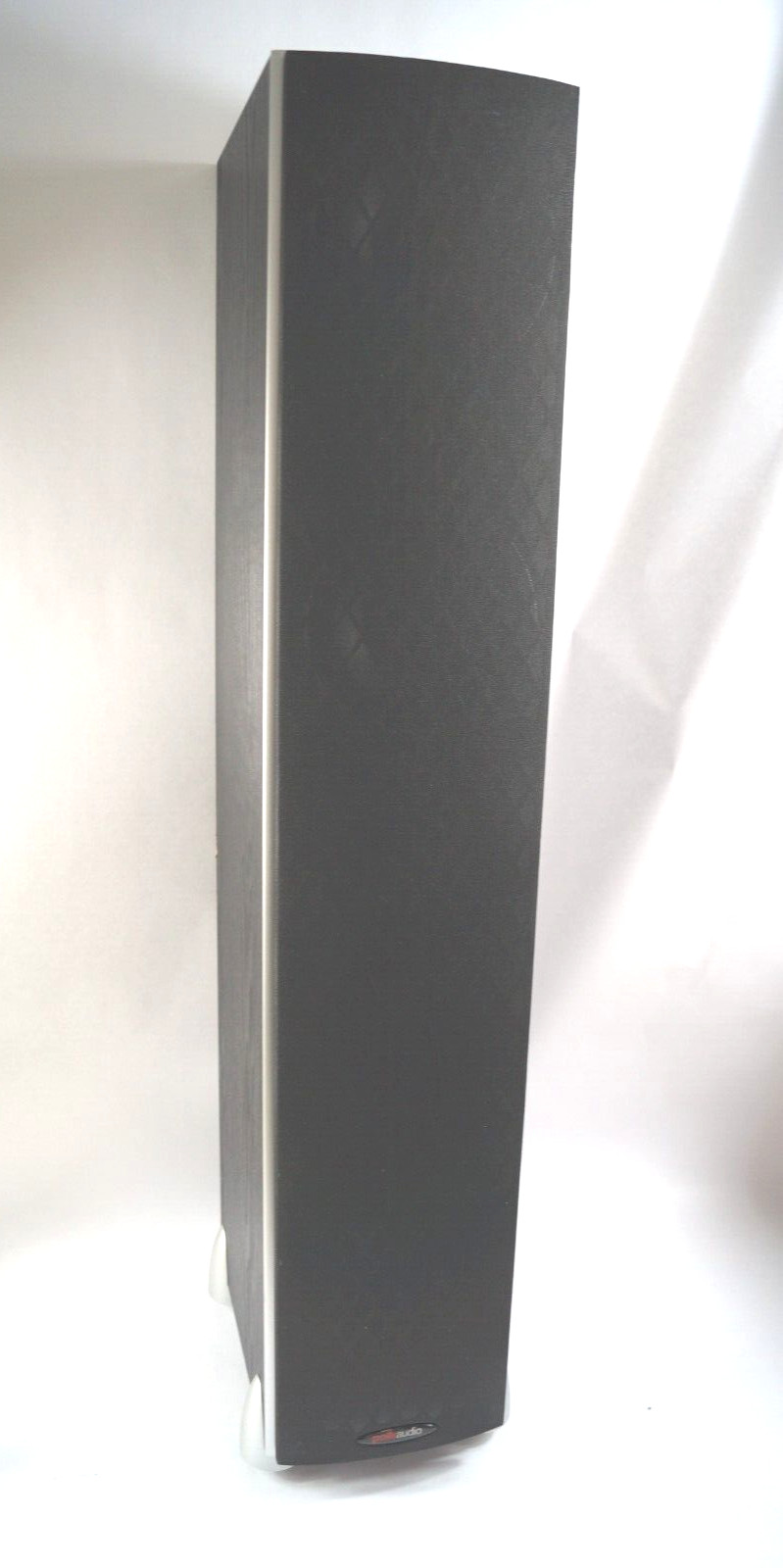

As an eBay Partner, we earn from qualifying purchases. This helps support our independent vintage technology research.
Related Models
- Polk Monitor 10 Series II (1990)
- Polk Monitor 10A (1979)
- Polk Monitor 4.6 Series 2 (1990)
- Polk Monitor 4A (1984)
- Polk Monitor 5B (1984)
- Akai AM-2850 (1975)
- Akai AP-206 (1975)
- Nakamichi BX-1 (1985)
- Acoustic Research research-ar-17 (1978)
- Acoustic Research AR-19 (1994)