Polk Audio Monitor 5B (1984): The Compact Classic That Defined a Generation
In the early 1980s, the home audio landscape was undergoing a transformation. Hi-fi systems were becoming more accessible to the average consumer, and speaker manufacturers were racing to deliver performance, reliability, and value in equal measure. Among the standout names of that era, Polk Audio emerged as a beacon of innovation and sonic integrity. The Polk Audio Monitor 5B, introduced in 1984, was a pivotal model in the company’s celebrated Monitor series—a line that helped establish Polk as a leader in affordable, high-performance loudspeakers.
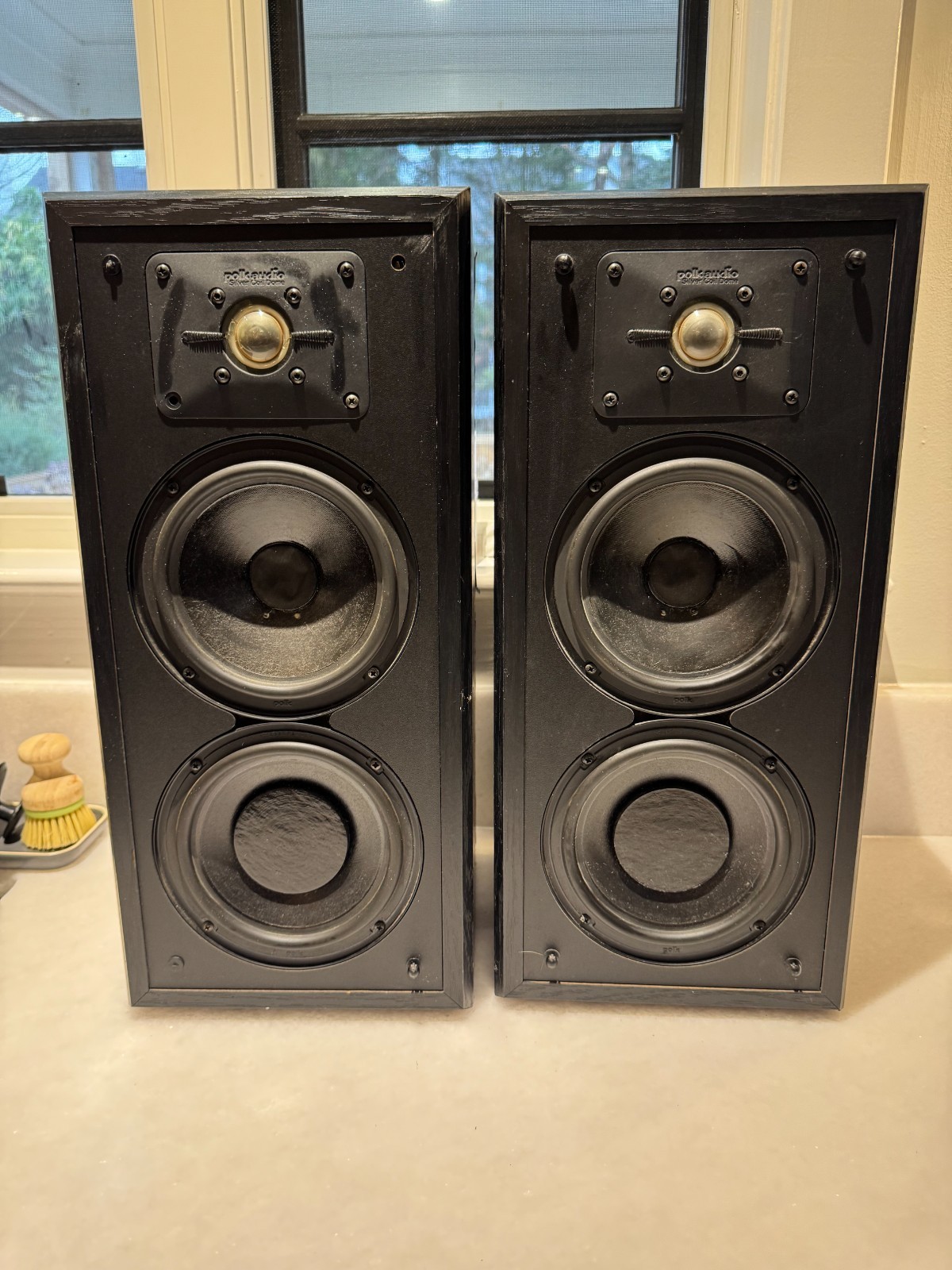
The Monitor 5B was designed as a compact bookshelf speaker, intended for smaller rooms or as part of a space-conscious stereo or surround setup. Despite its modest size, it carried forward the design philosophy that defined Polk’s reputation: time-aligned drivers, wide dispersion, and a neutral, detailed sound signature. For audiophiles and casual listeners alike in the mid-80s, the 5B represented an excellent entry point into high-fidelity audio without breaking the bank.
Technical Specifications
The Monitor 5B was engineered with a two-way design, featuring a 5.25-inch dynamic woofer and a 1-inch soft-dome tweeter. It was part of Polk’s effort to bring time-aligned technology—a concept pioneered in their larger models like the flagship Monitor 7—to a broader audience. This design ensured that sound from both drivers reached the listener’s ears at the same time, improving imaging and coherence.
| Specification | Detail |
| Model | Polk Audio Monitor 5B |
| Year Introduced | 1984 |
| Type | 2-way bookshelf speaker |
| Driver Configuration | 5.25" polypropylene woofer, 1" soft-dome tweeter |
| Frequency Response | 60 Hz – 20 kHz |
| Impedance | 8 ohms (nominal) |
| Sensitivity | 87 dB (2.83V/1m) |
| Crossover Frequency | 3.5 kHz |
| Enclosure Type | Bass-reflex (rear port) |
| Dimensions (H×W×D) | 13.5" × 7.5" × 8.5" (34.3 × 19.1 × 21.6 cm) |
| Weight | 12 lbs (5.4 kg) per speaker |
| Recommended Amp Power | 10–100 watts |
| Finish Options | Black ash vinyl, simulated woodgrain |
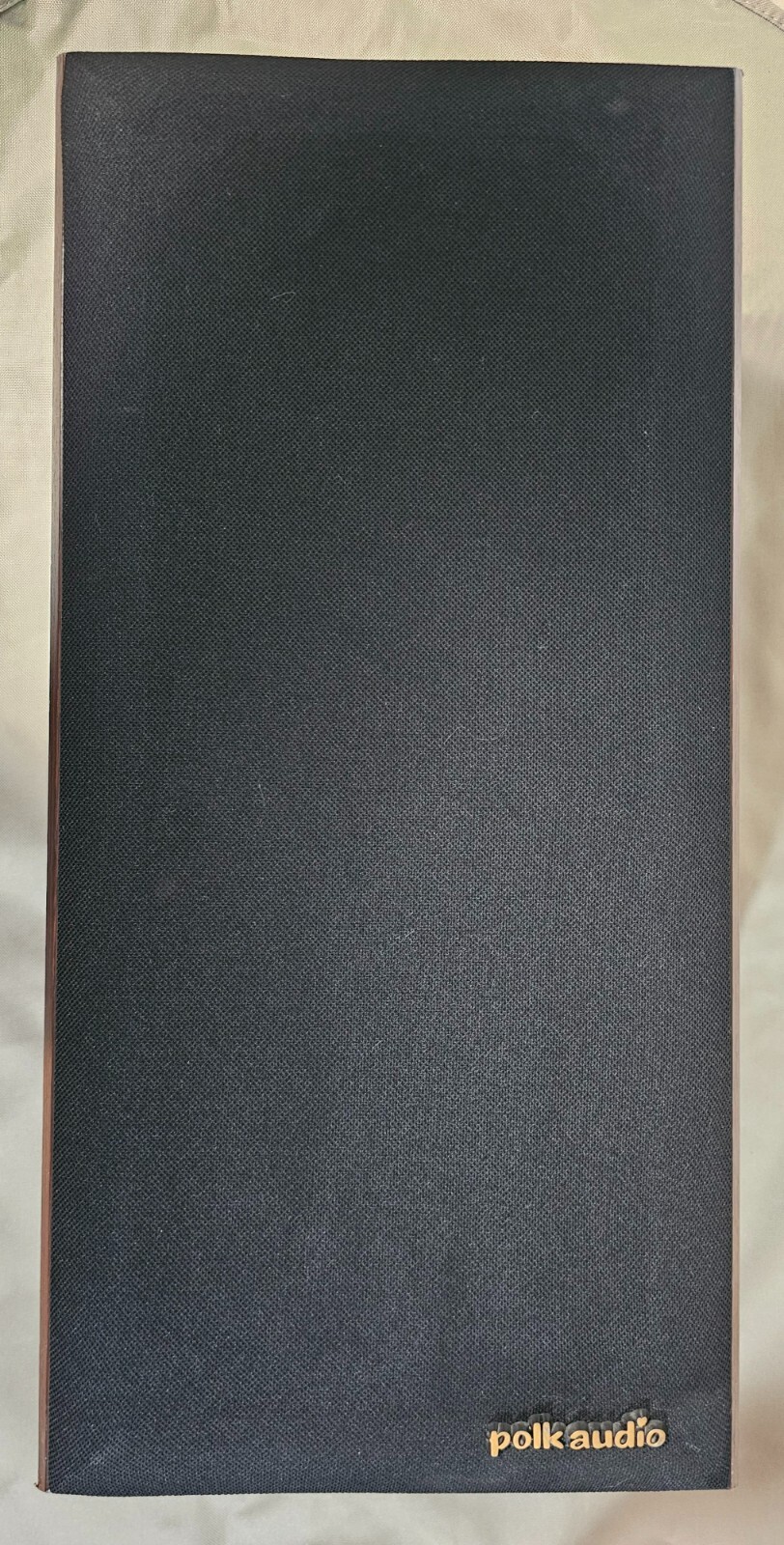
The cabinet was constructed from medium-density fiberboard (MDF) with internal bracing to reduce resonance, a thoughtful touch for a speaker in its price range. The rear-firing bass port allowed for flexible placement, though Polk recommended keeping it a few inches from the wall to avoid boomy bass. Grilles were included, magnetically attached in later revisions (though early 1984 models may have used peg-style mounting).
Sound Characteristics and Performance
The Monitor 5B delivered a balanced, clear sound that was ahead of its time. Thanks to its time-aligned driver array—where the tweeter was mounted slightly behind the woofer on a sloped baffle—the speaker offered a cohesive soundstage with precise imaging. This made it particularly effective for stereo listening, where instrument placement and vocal clarity were critical.
Bass response was tight and controlled for a speaker of its size, extending down to 60 Hz. While not a substitute for a subwoofer in modern home theater setups, it handled kick drums, basslines, and acoustic double bass with commendable authority. The midrange was clean and natural, making it ideal for vocals and acoustic instruments. The soft-dome tweeter provided smooth, non-fatiguing highs—free from the harshness that plagued many budget speakers of the era.
Listeners often describe the 5B’s sound as “honest” and “unexaggerated.” It didn’t hype the bass or sparkle the treble to impress; instead, it aimed for accuracy and musicality. This made it a favorite among critical listeners who valued transparency over sonic showmanship.
Notable Features and Innovations
The Monitor 5B stood out for several reasons:
- Time-Aligned Design: Borrowed from Polk’s flagship models, this feature improved phase coherence and off-axis response, enhancing the listening sweet spot.
- Wide Dispersion: The tweeter and woofer were designed to work together seamlessly across a broad listening area, making the 5B forgiving of suboptimal speaker placement.
- 8-Ohm Nominal Impedance: This made the speaker easy to drive, compatible with a wide range of receivers and amplifiers of the 1980s, from budget models to higher-end separates.
- Modular Grille Design: Though simple by today’s standards, the included grilles protected the drivers without significantly dulling the sound.
Polk also emphasized build quality and reliability. The Monitor 5B was built to last, with robust driver surrounds and a sealed crossover housed inside the cabinet. Many units from the mid-80s are still in use today—a testament to their durability.
Common Issues and Maintenance
Like any vintage speaker, the Monitor 5B can suffer from age-related wear. The most common issues include:
- Woofer Surround Deterioration: The foam surrounds on the 5.25" woofer can dry out and crumble over time, especially in humid or dry environments. Re-foaming kits are widely available and relatively easy to install.
- Tweeter Fatigue: While the soft-dome tweeters are generally reliable, some early units may exhibit reduced high-frequency output due to oxidation or diaphragm fatigue. Cleaning the dome gently with isopropyl alcohol can help, but replacement may be necessary in extreme cases.
- Crossover Component Aging: The internal crossover uses basic capacitors and inductors that may degrade over decades. If the speaker sounds dull or unbalanced, checking or replacing crossover components can restore performance.
- Grille Damage: The plastic grilles can become brittle or discolored. While replacements are scarce, third-party 3D-printed options or custom fabric solutions are emerging in enthusiast communities.
Regular cleaning and avoiding direct sunlight or high humidity will extend the life of these speakers significantly.
Current Market Value and Collectibility
Today, the Polk Monitor 5B is not a high-value collector’s item, but it holds a special place among vintage audio enthusiasts. On the secondhand market—eBay, Audiogon, Facebook groups—working pairs typically sell for $75 to $150, depending on condition, finish, and whether they’ve been refurbished.
While not as sought-after as vintage AR, KLH, or JBL models, the 5B is appreciated for its historical significance in bringing time-aligned technology to the masses. It’s also a favorite for retro stereo builds, dorm room setups, or as part of a vintage-themed listening nook. Refurbished pairs with re-foamed drivers and cleaned crossovers often command higher prices and deliver performance that rivals modern budget speakers.
Conclusion and Legacy
The Polk Audio Monitor 5B (1984) may not have been the largest or most powerful speaker of its time, but it was a triumph of smart engineering and accessible design. It brought high-end concepts like time alignment and wide dispersion to an affordable price point, helping democratize high-fidelity sound during a pivotal era in audio history.
For today’s vintage audio fans, the 5B offers a nostalgic yet genuinely enjoyable listening experience. It’s a reminder that great sound doesn’t require massive cabinets or modern digital processing—just thoughtful design and a commitment to musical truth. Whether you’re restoring a classic stereo system or simply curious about the roots of American speaker design, the Monitor 5B remains a worthy ambassador of Polk’s golden era.
eBay Listings


As an eBay Partner, we earn from qualifying purchases. This helps support our independent vintage technology research.
Related Models
- Polk Monitor 10 Series II (1990)
- Polk Monitor 10A (1979)
- Polk Monitor 4.6 Series 2 (1990)
- Polk Monitor 4A (1984)
- Polk Monitor 7 Series II (1990)
- Akai AM-2850 (1975)
- Akai AP-206 (1975)
- Nakamichi BX-1 (1985)
- Acoustic Research research-ar-17 (1978)
- Acoustic Research AR-19 (1994)