Pioneer SE-2P (1982)
Pioneer SE-2P: The Forgotten Open-Back Audiophile Gem
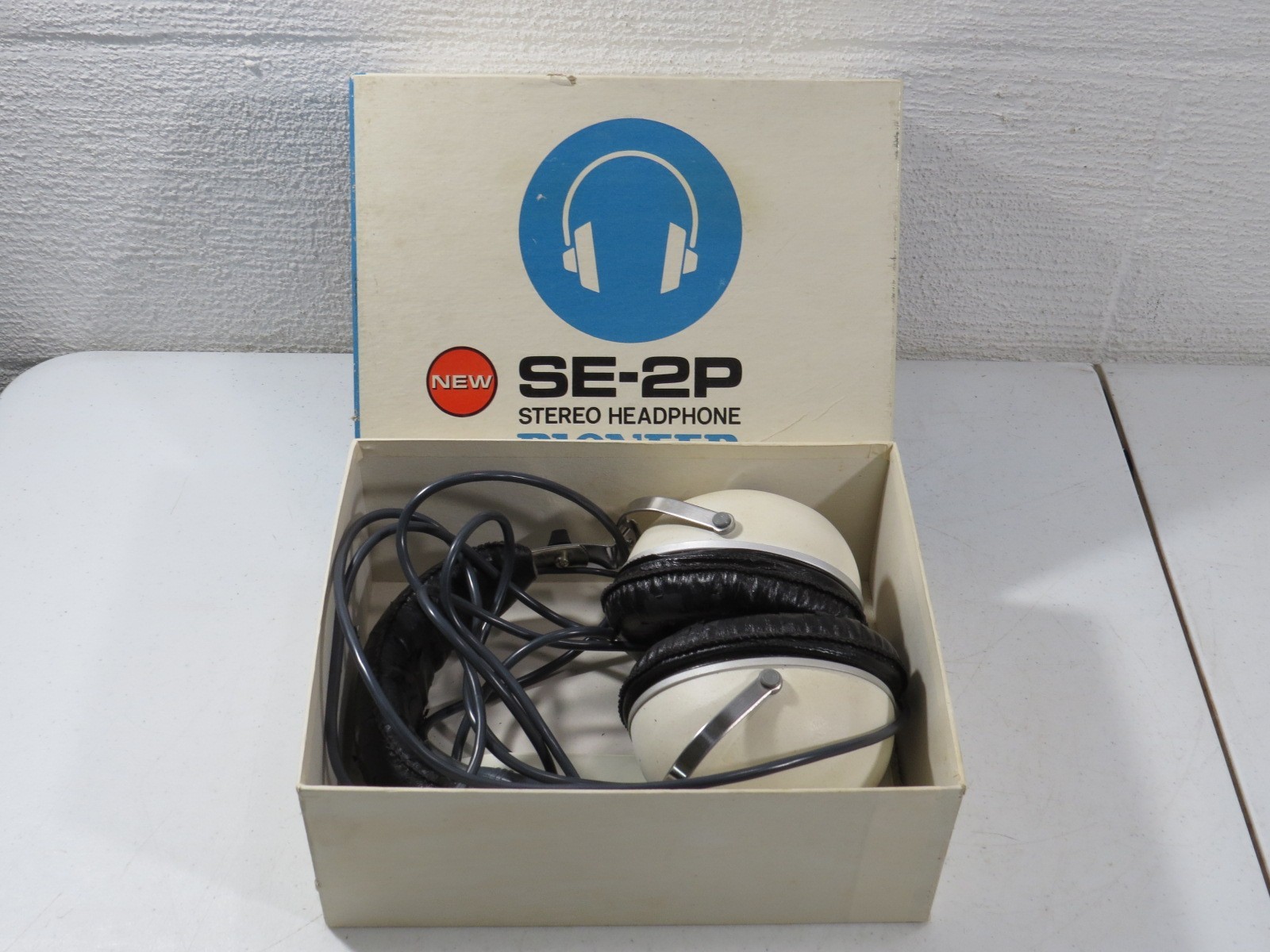
Let's be honest: the late 1960s headphone scene was mostly a parade of clunky, ear-sweating isolation chambers. Then Pioneer, in a stroke of genius, said "enough" and gave us the SE-2P. Released in 1968, these weren't just headphones; they were a statement. Imagine two tiny, glorious hi-fi speakers strapped to your head, connected by a chunky coiled cable ending in a proper three-conductor jack. That's the SE-2P. They never got the rockstar fame of later models, but for those of us who've spent an afternoon with them, they offer a slice of pure, unadulterated musical honesty that modern cans often polish right out of the signal. They sound as good now as they did in 1968, and that's not nostalgia talking—it's a testament to a great idea, perfectly executed.
Built in Japan when "Made in Japan" was starting to mean "built to outlive you," the SE-2P made its priorities clear: sonic openness over sealing you in a tomb. You weren't meant to wear these on the bus; you were meant to wear them in your favorite chair, getting blissfully lost while the rest of the house went about its business. The clever design even lets you pivot the cups to "cup" your ears for a snugger fit, a simple trick that gives you a surprising range of adjustment. And here's the kicker for the home recordists: sound bleed to a microphone is practically a non-issue. They're a fascinating, deeply charming, and criminally overlooked piece of Pioneer's legacy.
Historical Context and Release
The Pioneer SE-2P landed in 1968, a time when stereo was still a relatively fresh wonder for the home. Pioneer, already making a name with its receivers and speakers, applied the same "high fidelity" philosophy to personal listening. The "SE" designation stood for Sound Excellence, and the "2P" model was part of this early push into quality headphones.
This was pre-Walkman, pre-portable craze. The SE-2P was conceived as a companion for your home stereo system, a way to enjoy records or tapes without disturbing others. Its open-back design was a deliberate acoustic choice to avoid the boxy, resonant sound of sealed cups, aiming for a more natural, speaker-like presentation. Production was primarily for the Japanese and select international markets, which is why finding a pristine pair today feels like a minor archaeological win. They were phased out in the early-to-mid 1970s as trends shifted.
Technical Specifications
| Model | SE-2P |
| Type | Open-back, on-ear |
| Impedance | 8 ohms |
| Frequency Response | 20 Hz – 20 kHz |
| Driver Size | 57 mm dynamic drivers |
| Magnet | Ferrite |
| Earcup Material | Leatherette with foam |
| Headband | Adjustable, padded |
| Connector | 3-conductor 6.3 mm (1/4") jack |
| Cable | Coiled, fixed |
| Weight | Approx. 350 grams |
| Country of Origin | Japan |
Let's talk about that 57mm driver. That's big. For context, many modern headphones use 40mm drivers. This large diaphragm, powered by a ferrite magnet, was key to its sound. The 8-ohm impedance means these were incredibly easy to drive—any amplifier headphone jack from the era could power them to loud volumes without breaking a sweat. The classic coiled cable and sturdy 1/4" jack are pure 1960s studio aesthetic.
Sound Quality Characteristics
The Pioneer SE-2P has a personality that's immediately engaging. Don't expect clinical, hyper-detailed modern neutrality. This is a warm, inviting, and surprisingly spacious listen. The bass is full and present, with a gentle roll-off that keeps it from being boomy—it's more about body than slam. The midrange is where these headphones truly live. Vocals and instruments have a lovely, natural richness to them, a slight forwardness that makes everything feel present and intimate.
The treble is smooth and relaxed. You won't get the etched, sparkling highs of a modern analytical pair, which means they're utterly forgiving of harsh recordings but also lack that last bit of "air" and extreme detail retrieval. The magic is in the soundstage. Thanks to that open-back design, the sound feels less like it's inside your head and more like it's happening in the room around you. It's a laid-back, musical presentation that encourages you to listen to the song, not the gear. For jazz, classic rock, and vocal-centric music of its era, they are a perfect match.
Notable Features and Innovations
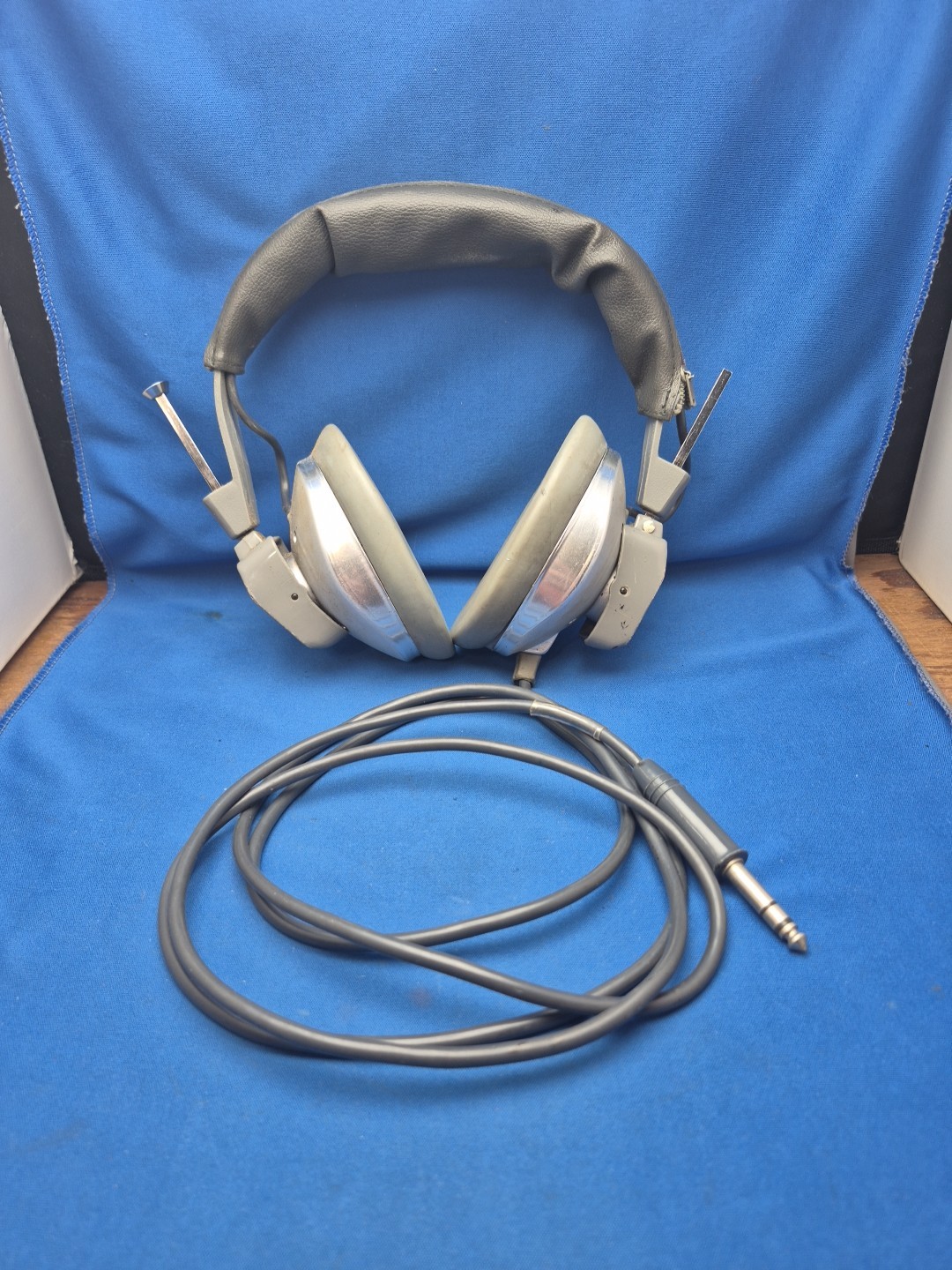
For 1968, the SE-2P had some clever tricks. The open-back grille wasn't just for looks; it was a functional part of the acoustic design to reduce resonance. The adjustable earcups that could pivot to "cup" the ear were a simple but effective ergonomic touch for the time. The build quality is quintessential vintage Japanese: robust plastics, a solid metal headband frame, and materials that, while they age, clearly weren't meant to be disposable. They feel like a proper piece of hi-fi equipment, not an accessory.
Market Value and Collectibility
Finding a Pioneer SE-2P today is a bit of a treasure hunt. They're not ultra-rare, but a clean, working pair with intact earpads is getting harder to find. On the used market, prices are generally very reasonable, typically ranging from **$25 to $75 USD** depending on condition. A mint, boxed example might push toward $100-$150 for a serious collector.
Their collectibility isn't about high dollar value; it's about historical charm and sonic character. They represent a specific moment in audio history when headphones were transitioning from utilitarian tools to enjoyment devices. For the vintage audio enthusiast on a budget, they offer a huge dose of cool factor and a genuinely pleasant listening experience without the investment required for more famous classic models.
Common Issues and Maintenance
If you find a pair, expect to do some light restoration. The foam inside the earpads and under the headband pad has almost certainly turned to dust. You can often find suitable replacement foam to cut to shape. The leatherette on the earcups will be cracked and flaking; some careful cleaning and conditioning with a suitable product can preserve what's left, but full replacement usually means a DIY project.
The cable, while sturdy, is fixed and can develop internal breaks or crispy insulation near the strain reliefs. A re-cable is a great project for anyone with basic soldering skills. The drivers themselves are generally robust, but check for any rattling which could indicate a detached voice coil or debris inside the cup. A gentle blow of compressed air can sometimes work miracles. The good news is, these are simple devices mechanically, making them a fantastic entry-point for vintage headphone restoration.
Comparison to Similar Models
How does the SE-2P stack up? It's from a different generation than the famous 1970s and 80s monitors. Compared to a later AKG K240 Sextett (600Ω), the SE-2P is much easier to drive and has a warmer, less analytical tone. Next to a Sennheiser HD 414 (the iconic yellow open-back), the Pioneer feels more substantial in build and weight, with a fuller low end. Against a period-correct closed-back like a Pioneer Monitor 10, the SE-2P trades isolation and punch for that lovely open, airy soundstage. It's not the "best" at any one thing, but its particular blend of ease, warmth, and openness is uniquely its own.
Final Thoughts
The Pioneer SE-2P is a delightful anachronism. In a world of noise-cancelling and Bluetooth, it offers a pure, simple, and charmingly analog experience. It won't resolve every micro-detail or shake your skull with sub-bass, but it will connect you to your music with a relaxed, musical grace that's increasingly hard to find. For the cost of a few cups of coffee, you can own a functional piece of 1968 audio history that still puts a smile on your face. That, in my book, makes it a forgotten gem worth rediscovering.
eBay Listings


As an eBay Partner, we earn from qualifying purchases. This helps support our independent vintage technology research.
Related Models
- Pioneer CS-811 (1979)
- Pioneer KH-3500 (1979)
- Pioneer CS-53 (1978)
- Pioneer CS-545 (1979)
- Pioneer CS-66 (1979)
- Akai AM-2850 (1975)
- Akai AP-206 (1975)
- Nakamichi BX-1 (1985)
- Acoustic Research research-ar-17 (1978)
- Acoustic Research AR-19 (1994)