Pioneer A A6 (1985-1987)
Specifications
| Feature | Specification |
| Year of Production | 1985-1987 |
| Power Specifications | 60W per channel into 8Ω (stereo), 100W into 4Ω |
| Impedance | 4-16Ω |
| Sensitivity | 150mV (line), 2.5mV (MM phono) |
| Key Features | Non-switching amplifier design, DC servo circuitry, dual power supplies, gold-plated terminals, direct coupling, MM/MC phono stage, tone defeat switch |
Historical Significance
The Pioneer A A6 wasn’t just another integrated amplifier—it was a statement. As part of Pioneer’s elite-tier lineup (marketed as the A-91D in Japan), this unit embodied the pinnacle of the company’s analog engineering during the mid-1980s. Built with a non-switching amplifier design, it avoided the harshness of early digital switching tech, favoring smooth, continuous signal paths. Inside, dual power supplies and DC servo circuitry worked in tandem to deliver exceptional stability and clarity, while gold-plated terminals and a fully discrete MM/MC phono stage signaled its high-end intent. This was Pioneer’s answer to the audiophile elite: refined, overbuilt, and unapologetically analog.
Sound Signature
Expect a sound that’s clean, precise, and remarkably neutral. The A A6 doesn’t color your music—it reveals it. Transients snap with authority, bass stays tight and controlled, and the soundstage stretches wide and deep, placing instruments with surgical accuracy. Whether you're spinning vinyl or feeding it a line-level source, the amplifier delivers a transparent window into the recording, making it a favorite among purists who value fidelity over flourish.
Maintenance and Restoration Tips
After nearly four decades, these units demand attention—but they reward care. Start with the electrolytic capacitors; they’re likely dried out and need replacing to restore full performance and prevent damage. Selector switches and potentiometers often accumulate grime, leading to crackles or channel dropouts—clean them thoroughly with contact cleaner or consider replacement if wear is severe. Relays, while generally robust, can stick over time; check for consistent switching across inputs. Finally, the front-panel indicator bulbs may have burned out—small detail, but fresh LEDs bring back that vintage glow without the heat.
Collectibility and Market Value
- Market Value: $300-$600 depending on condition and cosmetic appearance
- Collectibility Rating: 7/10
eBay Listings


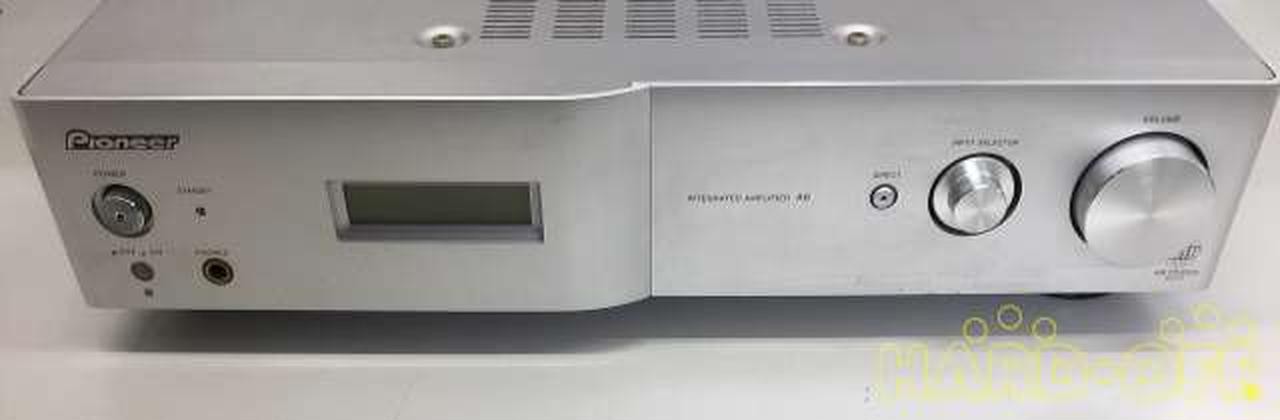
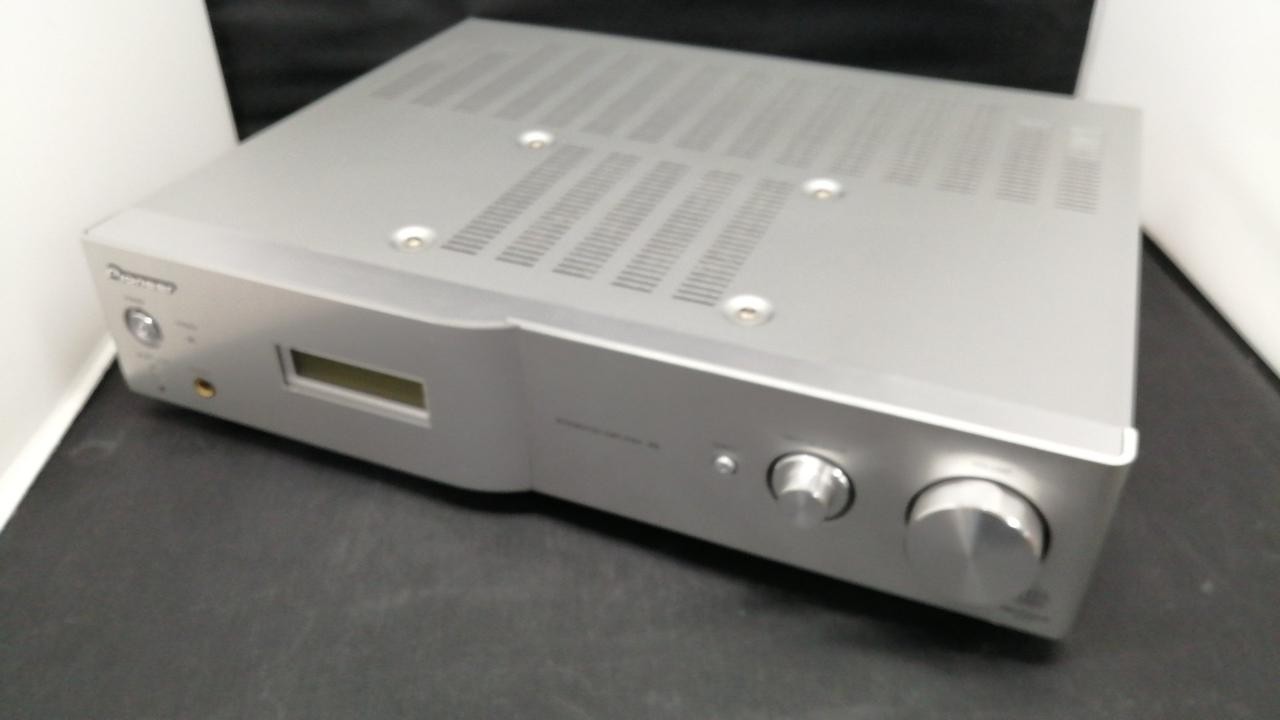
As an eBay Partner, we earn from qualifying purchases. This helps support our independent vintage technology research.
Related Models
- Pioneer CS-811 (1979)
- Pioneer KH-3500 (1979)
- Pioneer CS-53 (1978)
- Pioneer CS-545 (1979)
- Pioneer CS-66 (1979)
- Akai AM-2850 (1975)
- Akai AP-206 (1975)
- Nakamichi BX-1 (1985)
- Acoustic Research research-ar-17 (1978)
- Acoustic Research AR-19 (1994)