Pioneer CS-969 (1979)
The Pioneer CS-969 is a classic pair of floor-standing loudspeakers introduced by Pioneer in 1979, during the golden era of high-fidelity audio equipment. Though not as widely documented as some of Pioneer’s more flagship models from the period, the CS-969 holds a respected place among vintage audio enthusiasts for its balanced sound signature, elegant design, and solid build quality. These speakers represent a transitional period in speaker design, combining traditional acoustic principles with emerging materials and engineering techniques of the late 1970s.
Design and Construction
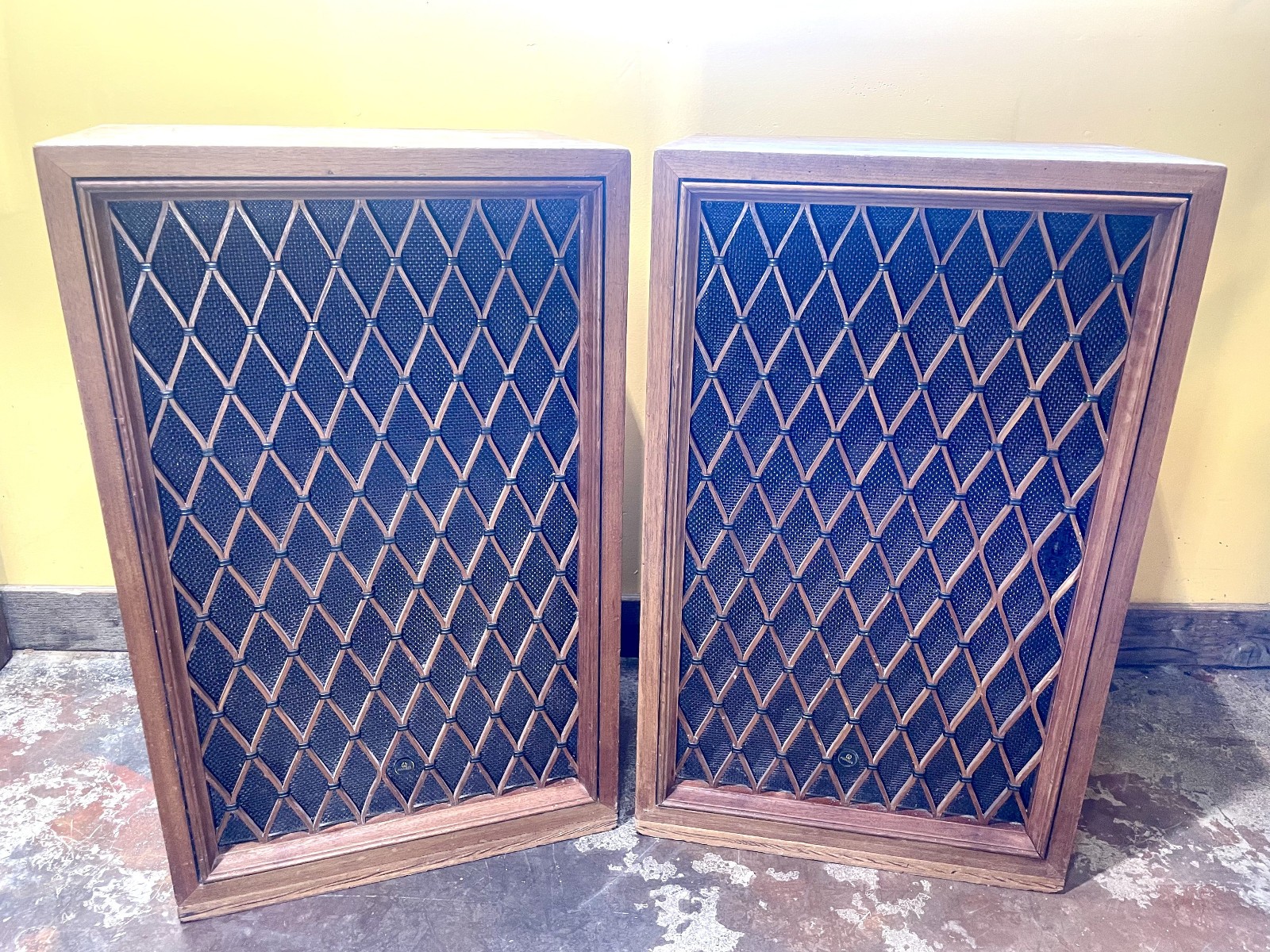
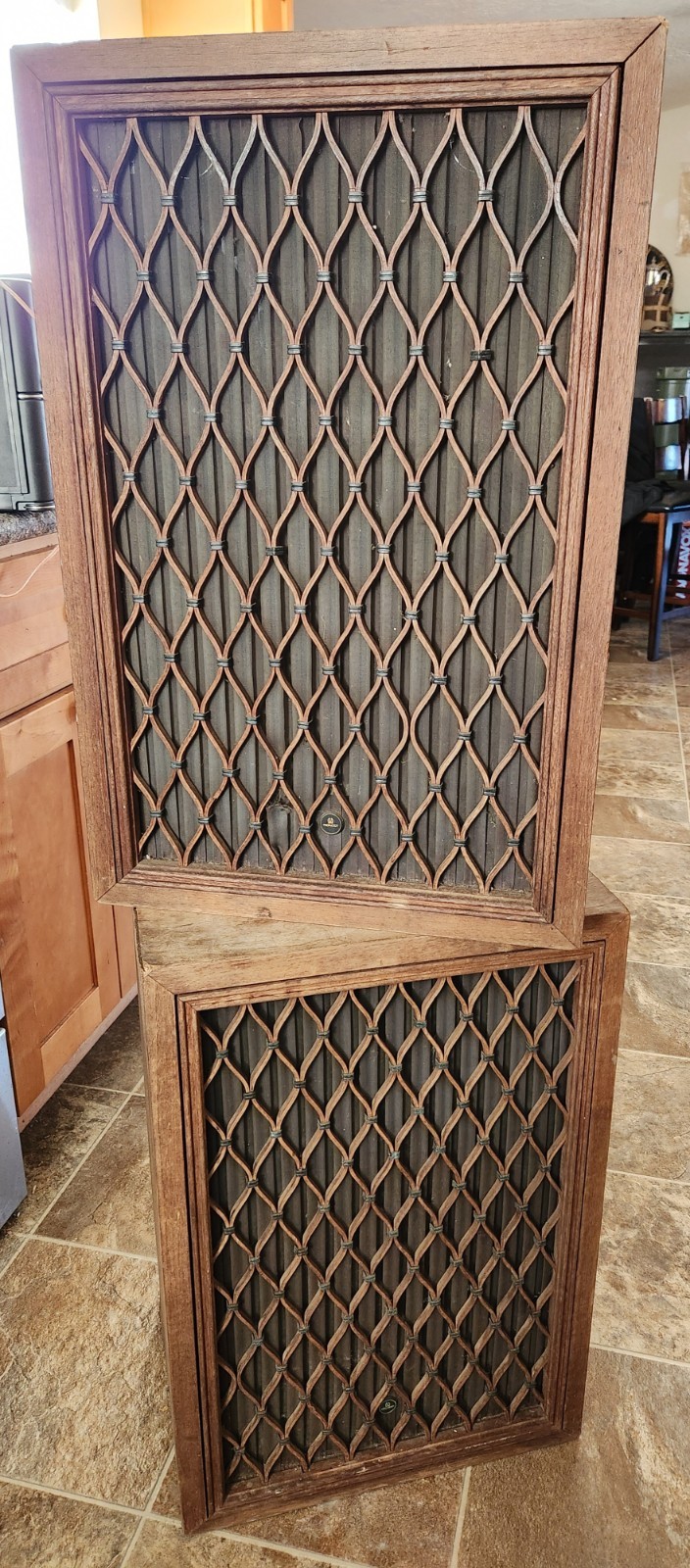
The CS-969 is a three-way, bass-reflex floor-standing speaker system. Its tall, rectangular cabinet is finished in a rich walnut veneer, typical of high-end audio gear from that era. The wood finish is not only aesthetically pleasing but also contributes to the speaker’s acoustic performance by minimizing cabinet resonance. The cabinet is constructed from medium-density fiberboard (MDF) with internal bracing to reduce vibrations and coloration, ensuring a cleaner sound output.
Measuring approximately 95 cm (37.4 inches) in height, 30 cm (11.8 inches) in width, and 34 cm (13.4 inches) in depth, the CS-969 is a substantial speaker designed for spacious listening environments. Its weight is around 25 kg (55 lbs) per cabinet, which helps with stability and reduces unwanted cabinet movement during playback.
The front baffle houses three drivers: a 30 cm (12-inch) woofer for low-frequency reproduction, a 10 cm (4-inch) midrange driver, and a 3.5 cm (1.4-inch) soft-dome tweeter. The large woofer is responsible for deep, resonant bass, while the midrange driver ensures clarity in vocal and instrumental reproduction. The tweeter delivers smooth, extended highs without harshness, a hallmark of well-designed vintage speakers.
The bass-reflex port is located on the front panel, which helps enhance low-frequency output and allows for more flexible placement in a room compared to rear-ported designs. This feature makes the CS-969 suitable for placement near walls without significant bass buildup or cancellation.
Acoustic Performance
The CS-969 is rated at a maximum power handling of 120 watts, making it compatible with a wide range of amplifiers from the late 1970s and early 1980s. With a nominal impedance of 8 ohms, it presents an easy load for most receivers and integrated amplifiers of the time, including popular models from Pioneer, Kenwood, Yamaha, and Sony.
Sensitivity is rated at 91 dB (1W/1m), indicating high efficiency. This means the speakers can produce loud, dynamic sound even with modest amplifier power, a desirable trait in an era when many amplifiers delivered 30–60 watts per channel. The frequency response spans from 35 Hz to 20 kHz, covering the full audible spectrum with authority, particularly in the bass and midrange regions.
One of the standout characteristics of the CS-969 is its warm, natural tonal balance. The speakers are not clinical or overly analytical; instead, they present music with a sense of presence and depth that many modern speakers struggle to replicate. This makes them particularly well-suited for genres like jazz, classical, and vocal recordings, where tonal accuracy and spatial imaging are critical.
The crossover network, located inside the cabinet, is carefully tuned to ensure seamless integration between the drivers. While specific component details are scarce, vintage Pioneer speakers of this class typically used high-quality capacitors and inductors to minimize signal loss and phase distortion.
Historical Context
The late 1970s saw a surge in consumer interest in home audio systems, driven by the rise of stereo broadcasting, high-quality vinyl records, and advancements in speaker technology. Pioneer, already a major player in the audio market, released a wide range of speaker models during this period to cater to different budgets and listening preferences.
The CS-969 was positioned as a premium model within Pioneer’s CS (Concert Sound) series, which was known for delivering concert-hall-like audio experiences in the home. While not as famous as the CS-99A or CS-109, the CS-969 shared many design philosophies with these better-known siblings, including the use of large woofers, high-efficiency designs, and premium cabinet finishes.
Pioneer’s engineering during this era emphasized durability and long-term performance. Many CS-969 units still in use today retain their original drivers and sound remarkably well when properly maintained. However, like all vintage speakers, they may require refoaming or reconing if the original rubber surrounds have degraded over time.
Compatibility and Modern Use
Despite being over 40 years old, the Pioneer CS-969 remains a viable option for audiophiles seeking vintage sound with modern charm. Their 8-ohm impedance and high sensitivity make them compatible with tube amplifiers, vintage solid-state receivers, and even some modern integrated amps.
When paired with a quality turntable and a good phono preamp, the CS-969 delivers a rich, analog warmth that enhances the listening experience of vinyl records. They also perform well with CD players and digital sources when used with a DAC, though their character is best appreciated with music that benefits from a smooth, non-fatiguing presentation.
For optimal performance, the CS-969 should be placed away from walls to allow the front-firing port to function correctly, though they are more forgiving than rear-ported designs. A slight toe-in toward the listening position enhances stereo imaging and focus.
Availability and Collectibility
Original pairs of Pioneer CS-969 speakers are relatively rare today, especially in good condition. They occasionally appear on online marketplaces such as eBay, Reverb, and audio enthusiast forums. Prices vary widely depending on condition, with working pairs typically selling between $200 and $500.
Collectors value the CS-969 not only for their sound but also for their classic 1970s aesthetic. Their large size and wood finish make them a striking addition to a vintage audio setup or retro living room.
Conclusion
The Pioneer CS-969 stands as a testament to the craftsmanship and acoustic engineering of late 1970s Japanese audio manufacturing. With its powerful bass, clear midrange, and smooth highs, it delivers a listening experience that remains engaging decades after its release. While not a mainstream model, it has earned a loyal following among vintage audio enthusiasts who appreciate its blend of performance, durability, and timeless design.
Whether you're restoring a classic stereo system or seeking a pair of warm-sounding floorstanders for analog playback, the CS-969 is a compelling choice. With proper care and maintenance, these speakers can continue to deliver musical enjoyment for years to come, bridging the gap between vintage charm and enduring audio quality.
eBay Listings


As an eBay Partner, we earn from qualifying purchases. This helps support our independent vintage technology research.
Related Models
- Pioneer CS-811 (1979)
- Pioneer KH-3500 (1979)
- Pioneer CS-53 (1978)
- Pioneer CS-545 (1979)
- Pioneer CS-66 (1979)
- Akai AM-2850 (1975)
- Akai AP-206 (1975)
- Nakamichi BX-1 (1985)
- Acoustic Research research-ar-17 (1978)
- Acoustic Research AR-19 (1994)