Pioneer CS-900 (1979)
The Pioneer CS-900 is a pair of floor-standing loudspeakers introduced by Pioneer in the late 1970s, specifically around 1979, during a golden era of high-fidelity audio equipment. These speakers are emblematic of the design philosophy and engineering standards of their time—emphasizing robust construction, warm sonic character, and aesthetic appeal with real wood veneers. Though not as widely documented as some of Pioneer’s other models, the CS-900 has developed a quiet but devoted following among vintage audio enthusiasts and collectors who appreciate their performance, build quality, and classic appearance.
Design and Build Quality
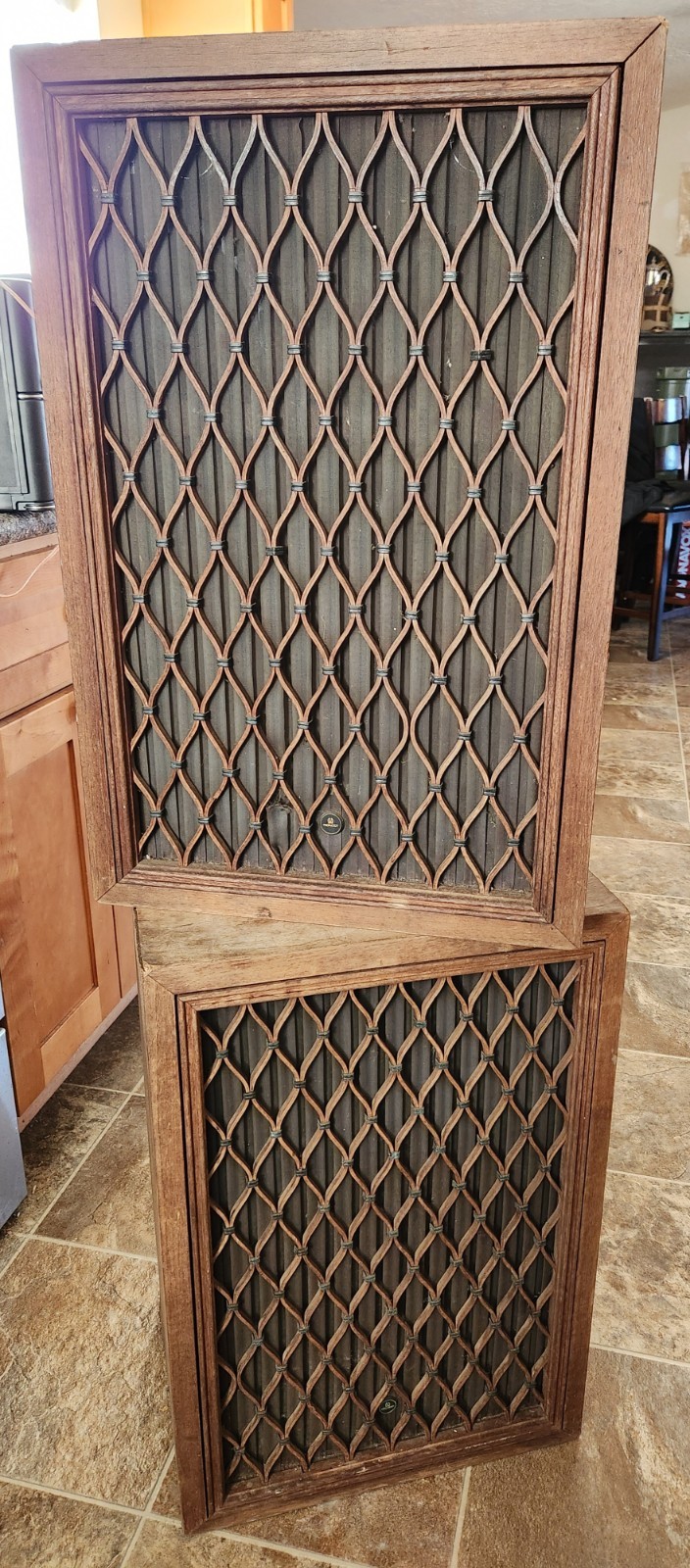
The Pioneer CS-900 features a large, three-way speaker design housed in a generously sized cabinet finished in a rich walnut wood veneer. The cabinet is constructed from medium-density fiberboard (MDF) and is heavily braced internally to reduce resonance and cabinet vibration, which was a hallmark of high-end speaker design in the late 1970s. The front baffle is wide and slightly curved, contributing to both structural rigidity and a distinctive visual profile.
Measuring approximately 100 cm (39 inches) in height, 30 cm (12 inches) in width, and 35 cm (14 inches) in depth, the CS-900 is a substantial speaker that commands presence in any listening room. The weight of each unit is around 25 kg (55 lbs), underscoring the use of dense materials and multiple drivers. The grille is fabric-covered with a foam backing and attaches magnetically—a common feature of the era—allowing for a clean front appearance when removed.
Driver Configuration and Acoustics
The CS-900 employs a three-way driver configuration, which includes:
- One 30 cm (12-inch) woofer for deep bass reproduction. This large cone driver is designed with a treated paper cone and a rubber surround, allowing for extended low-frequency response and high excursion capabilities. The woofer is ported via a rear-facing bass reflex port, enhancing low-end efficiency and output.
- One 7.6 cm (3-inch) midrange driver positioned above the woofer. This driver is responsible for vocal and instrumental clarity in the critical mid-frequency range. It uses a paper cone with damping treatment and is mounted in its own isolated chamber within the cabinet to minimize interference from the woofer.
- One 2.5 cm (1-inch) dome tweeter located at the top of the baffle. The tweeter is designed for smooth high-frequency extension and is protected by a small mesh cover. It delivers crisp but non-fatiguing treble, typical of the era’s emphasis on musicality over clinical precision.
The crossover network is a passive design, likely employing a 12 dB/octave slope for the tweeter and midrange, and a 24 dB/octave slope for the woofer to ensure clean driver integration. Components include air-core inductors and metal-film capacitors—quality parts for the time—indicating Pioneer’s commitment to audio fidelity.
Performance Characteristics
With a nominal impedance of 8 ohms and a sensitivity rating of approximately 91 dB (1W/1m), the CS-900 is relatively easy to drive and pairs well with a wide range of tube and solid-state amplifiers from the 1970s and 1980s. The maximum power handling is rated at 120 watts, allowing the speakers to play loudly without distortion when driven by a capable receiver or amplifier.
Frequency response is listed as 35 Hz to 20 kHz, which was impressive for a consumer-grade speaker system in the late 1970s. The bass extends deep enough to reproduce most musical content without the need for a subwoofer, while the midrange is lush and forward—ideal for vocal-centric genres like jazz, blues, and classic rock. The treble is detailed but not overly bright, avoiding the harshness that sometimes plagued budget speakers of the period.
The soundstage produced by the CS-900 is wide and well-layered, with good imaging and instrument separation. When properly positioned—typically recommended at least a few feet from the rear wall and angled slightly toward the listener—the speakers deliver a spacious and immersive listening experience.
Historical Context and Market Position
The CS-900 was part of Pioneer’s high-end CS (Custom Speaker) series, which included models like the CS-800 and CS-700. These were positioned above the company’s more mass-market offerings and were intended for audiophiles who demanded superior performance and craftsmanship. The late 1970s was a competitive time in the speaker market, with companies like JBL, AR, KLH, and Advent vying for dominance in the US and global markets. Pioneer distinguished itself with aggressive engineering, stylish enclosures, and competitive pricing.
The CS-900 was often sold alongside Pioneer’s high-powered receivers such as the SX-1980 and SA-7800, creating a complete high-fidelity system for discerning listeners. It was also marketed during the rise of quadraphonic sound and home theater precursors, though it was designed primarily for stereo use.
Restoration and Modern Use
Today, the Pioneer CS-900 is considered a vintage audio gem. While not as commonly found as some other models, surviving pairs in good condition are sought after by collectors and retro audio enthusiasts. Common issues with age include degraded foam surrounds on the woofer and midrange drivers, dried-out crossover components, and worn grilles. Fortunately, replacement foam kits and repair guides are available from specialty audio restoration suppliers, making refurbishment feasible.
When restored, the CS-900 performs admirably in modern systems. They pair well with vintage receivers, tube amps, and even modern integrated amplifiers, offering a warm, analog sound that contrasts with the clinical precision of many contemporary speakers. Their high sensitivity makes them ideal for use with low-power tube amplifiers, where they can deliver dynamic, engaging sound.
Conclusion
The Pioneer CS-900 stands as a testament to the craftsmanship and sonic ambition of late-1970s speaker design. With its elegant wood finish, robust construction, and balanced three-way driver array, it delivers a rich, full-bodied sound that continues to resonate with vintage audio lovers. While overshadowed in popularity by some of Pioneer’s other models, the CS-900 offers exceptional value for those who discover it—especially when restored to its original glory. Whether used as part of a period-correct hi-fi setup or integrated into a modern system seeking analog warmth, the CS-900 remains a compelling choice for anyone passionate about the golden age of audio.
eBay Listings


As an eBay Partner, we earn from qualifying purchases. This helps support our independent vintage technology research.
Related Models
- Pioneer CS-811 (1979)
- Pioneer KH-3500 (1979)
- Pioneer CS-53 (1978)
- Pioneer CS-545 (1979)
- Pioneer CS-66 (1979)
- Akai AM-2850 (1975)
- Akai AP-206 (1975)
- Nakamichi BX-1 (1985)
- Acoustic Research research-ar-17 (1978)
- Acoustic Research AR-19 (1994)