Pioneer CS-777 (1979)
The Pioneer CS-777 is a classic pair of floor-standing loudspeakers introduced in the late 1970s, widely regarded as one of Pioneer’s most ambitious and sonically capable speaker designs of its era. Released around 1979, the CS-777 was positioned as a high-end model in Pioneer’s speaker catalog, aimed at audiophiles and serious music enthusiasts seeking powerful, full-range sound reproduction with minimal need for amplification. Known for their bold aesthetic and robust engineering, the CS-777 remains a sought-after vintage speaker among collectors and analog audio lovers.
Design and Build Quality
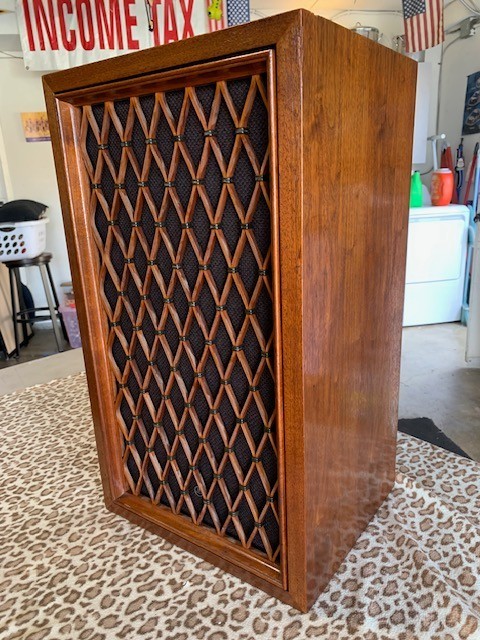
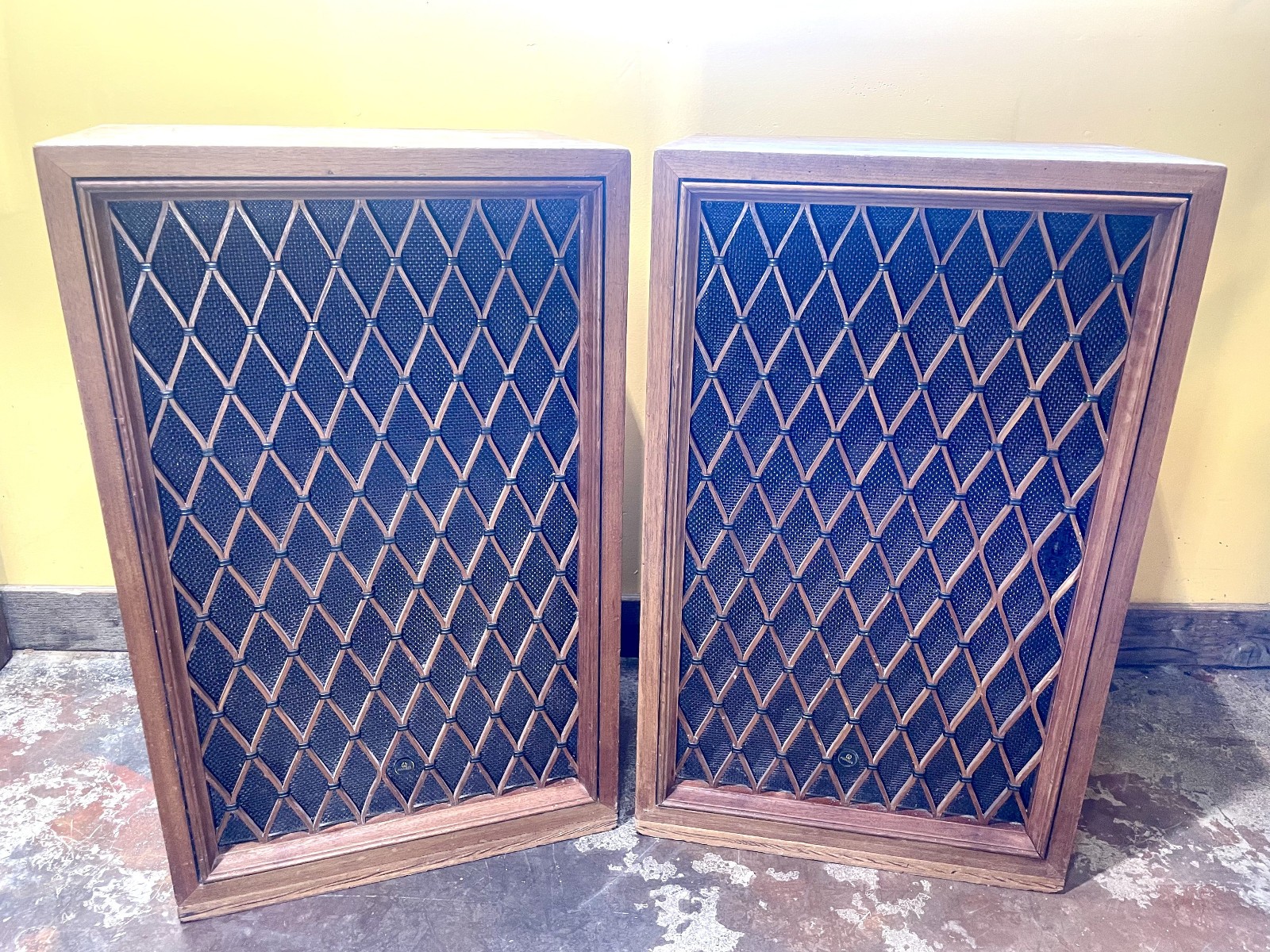
The CS-777 features a large, floor-standing cabinet design with a distinctive angular profile and a striking wood-grain vinyl finish, typical of high-end audio equipment from the late 1970s. The cabinet is constructed from medium-density fiberboard (MDF) with internal bracing to reduce resonance and cabinet coloration. Measuring approximately 100 cm (39.4 inches) in height, 30 cm (11.8 inches) in width, and 35 cm (13.8 inches) in depth, these speakers are substantial in size, designed to deliver deep bass response without the need for a separate subwoofer.
One of the most recognizable features of the CS-777 is its tri-amped driver array, arranged in a vertical configuration. The front baffle houses three distinct driver sections: a large 30 cm (12-inch) woofer for low-frequency reproduction, a 10 cm (4-inch) midrange driver, and a tweeter mounted above. The tweeter is a soft-dome type, designed to deliver smooth high-frequency response without harshness. The midrange and tweeter are protected by a removable fabric grille, while the woofer sits behind a fixed metal mesh guard, contributing to the speaker’s aggressive, industrial look.
The cabinet employs a bass-reflex design with a rear-firing port to enhance low-frequency output and efficiency. This design allows the CS-777 to achieve a frequency response of 35 Hz to 20 kHz, making it capable of reproducing deep bass and crisp highs. The sensitivity is rated at 94 dB (1W/1m), which is exceptionally high by modern standards. This high efficiency means the speakers can produce loud, dynamic sound even when paired with low-powered tube amplifiers or vintage receivers.
Technical Specifications
- Type: 3-way, bass-reflex floor-standing speaker
- Drivers:
- 1 x 30 cm (12") woofer (polypropylene cone)
- 1 x 10 cm (4") midrange (paper composite cone)
- 1 x 3 cm (1.2") soft-dome tweeter
- Frequency Response: 35 Hz – 20 kHz
- Sensitivity: 94 dB (1W/1m)
- Nominal Impedance: 8 ohms (compatible with most amplifiers)
- Maximum Power Handling: 120 watts
- Crossover Frequencies: 500 Hz (woofer to midrange), 5 kHz (midrange to tweeter)
- Cabinet Finish: Walnut wood-grain vinyl (other finishes may exist in limited markets)
- Weight: Approximately 28 kg (61.7 lbs) per speaker
Sound Characteristics
The Pioneer CS-777 is renowned for its dynamic, punchy sound signature, with a strong emphasis on rhythm and presence. The high sensitivity allows these speakers to come alive even at low volume levels, making them ideal for both rock, jazz, and classical music. The large woofer delivers tight, impactful bass that extends surprisingly deep for a speaker of its era, while the midrange is clear and forward, giving vocals and instruments a lifelike quality.
The soft-dome tweeter provides a smooth top end, avoiding the sibilance and fatigue sometimes associated with early metal dome tweeters. However, some users note a slight emphasis in the upper midrange, which can make certain recordings sound a bit bright—especially with modern compressed music. That said, this characteristic can be balanced with proper room placement and amplifier pairing.
Due to their high efficiency, the CS-777 works exceptionally well with low-wattage tube amplifiers, such as those from McIntosh, Marantz, or Sansui. They also pair well with vintage solid-state receivers from Pioneer’s own SX series or Yamaha’s CA and CT lines. Their 8-ohm impedance ensures broad compatibility, and the speakers are not particularly difficult to drive, despite their size.
Market Position and Legacy
At the time of its release, the CS-777 was part of Pioneer’s CS (Concert Sound) series, a line of high-fidelity speakers aimed at delivering concert-hall realism in the home. It was positioned above models like the CS-666 and CS-555, making it one of the flagship offerings in Pioneer’s speaker range. The CS-777 was often sold alongside high-end Pioneer electronics, such as the SX-1980 receiver or the SA-7800 amplifier, forming a complete audiophile system.
While not as widely documented as some Japanese contemporaries like the Yamaha NS-1000 or the Sansui AU-D33, the CS-777 has developed a cult following over the years. Its combination of bold design, high efficiency, and powerful sound makes it a favorite among vintage audio enthusiasts who appreciate both performance and visual impact.
Restoration and Modern Use
Today, original pairs of Pioneer CS-777 speakers are relatively rare but can be found on secondhand markets such as eBay, Audiogon, or specialized vintage audio forums. Prices vary depending on condition, ranging from $400 to $1,000 per pair. Many units have survived in good working order due to the robust construction, but common issues include deteriorated woofer surrounds, oxidized binding posts, and aging crossover components.
Restoration is often recommended for long-term use. Re-foaming the woofer is a common service that restores bass response and prevents further damage. Upgrading the internal wiring and replacing capacitors in the crossover network can also improve clarity and reliability. The original binding posts are functional but basic; some owners upgrade to higher-quality terminals for better connectivity.
In modern setups, the CS-777 can still hold their own. While they lack the pinpoint imaging of modern high-end speakers, their dynamic range, tonal richness, and sheer presence make them compelling for analog-focused systems. They are especially well-suited for vinyl playback, where their ability to render warmth and depth enhances the listening experience.
Conclusion
The Pioneer CS-777 stands as a testament to the golden age of Japanese high-fidelity audio. With its commanding size, high efficiency, and bold sonic character, it delivers a listening experience that is both powerful and emotionally engaging. Though overshadowed in名气 by some of its peers, the CS-777 deserves recognition as a serious audiophile speaker from a pivotal era in audio history.
Whether you're building a vintage stereo system or restoring a classic setup, the CS-777 offers a rare combination of visual drama and sonic authority. For those who appreciate the craftsmanship and sound of 1970s audio engineering, the Pioneer CS-777 remains a compelling and rewarding choice.
eBay Listings


As an eBay Partner, we earn from qualifying purchases. This helps support our independent vintage technology research.
Related Models
- Pioneer CS-811 (1979)
- Pioneer KH-3500 (1979)
- Pioneer CS-53 (1978)
- Pioneer CS-545 (1979)
- Pioneer CS-66 (1979)
- Akai AM-2850 (1975)
- Akai AP-206 (1975)
- Nakamichi BX-1 (1985)
- Acoustic Research research-ar-17 (1978)
- Acoustic Research AR-19 (1994)