Pioneer PL-516 (1978)
The Pioneer PL-516 is a vintage belt-drive turntable manufactured in the late 1970s, specifically around 1978. As part of Pioneer’s mid-tier PL series, the PL-516 was designed for audiophiles and casual listeners seeking a dependable, no-frills record player with solid build quality and accurate playback. While not as widely documented as some of its contemporaries, the PL-516 reflects Pioneer’s commitment during this era to producing high-fidelity audio equipment that balanced performance, durability, and accessibility.
Design and Build
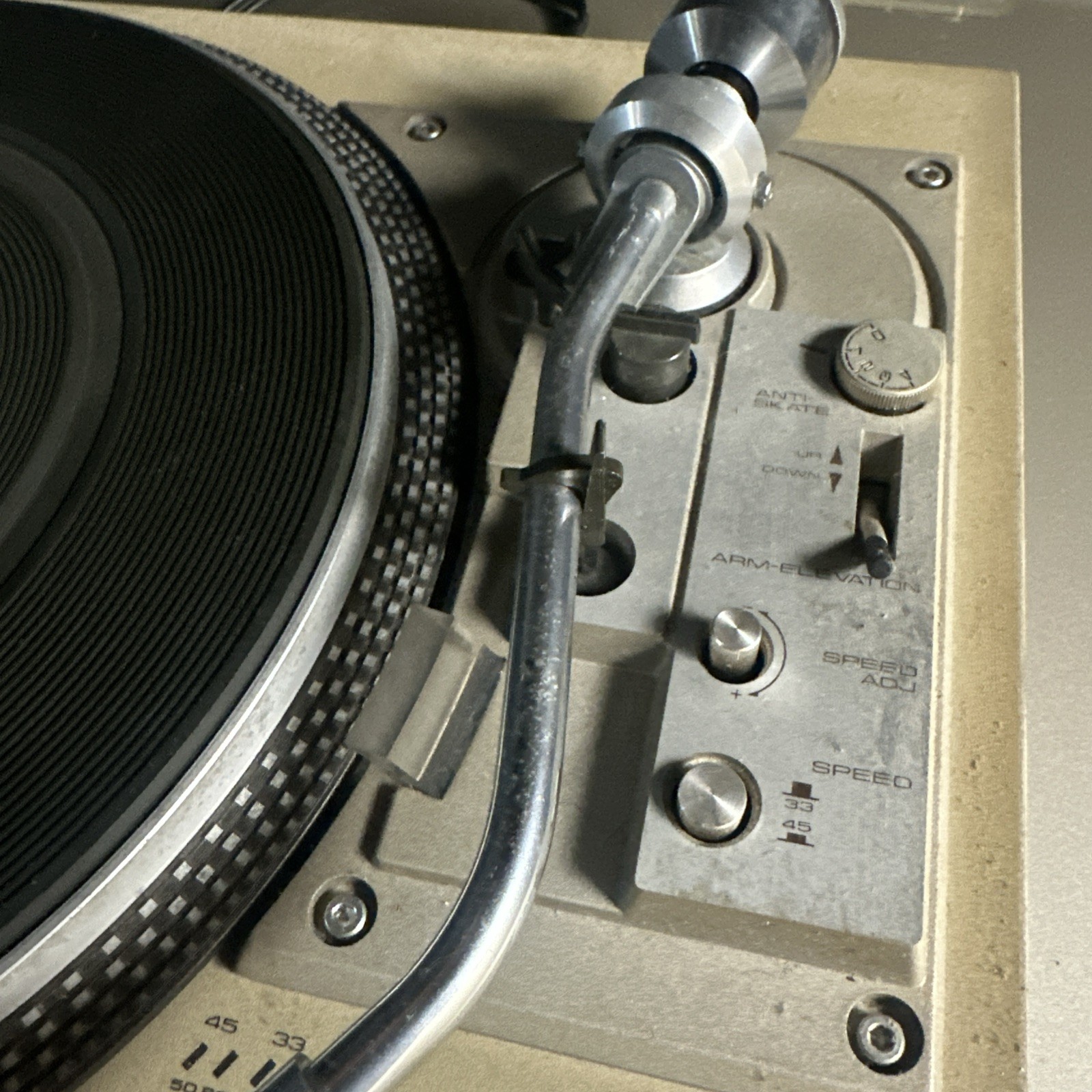
The PL-516 features a minimalist, functional design typical of Japanese audio gear from the late '70s. It has a compact footprint, making it ideal for smaller living spaces or integration into existing stereo systems. The turntable is constructed with a medium-density fiberboard (MDF) plinth, finished in a wood-grain vinyl laminate, giving it a classic aesthetic that blends well with period furniture and audio components. The top surface is protected by a removable hinged dust cover with a soft felt lining to prevent scratches.
The platter is made of die-cast aluminum, which provides excellent mass for stable rotation and reduced vibration. It sits on a precision spindle and is driven by a high-torque synchronous motor via a rubber belt, minimizing motor noise and ensuring consistent speed. The motor itself is mounted away from the platter and tonearm assembly to further reduce the risk of vibration transmission.
Turntable Specifications
- Type: Manual, belt-drive turntable
- Speeds: 33⅓ and 45 RPM (with included 45 RPM adapter)
- Drive System: Belt-drive with AC synchronous motor
- Platter: Die-cast aluminum, 320 mm diameter
- Tonearm: S-shaped, static-balanced, 9-inch aluminum tube
- Effective Length: 221 mm
- Overhang: Factory preset
- Cartridge Mount: Standard SME-type (½-inch screws)
- Tracking Force Adjustment: Adjustable via counterweight
- Anti-Skate: Continuously variable control
- Signal Output: 3.0 mV (with recommended cartridge)
- Wow and Flutter: Less than 0.15% (weighted)
- Signal-to-Noise Ratio: 68 dB
- Dimensions: 440 mm (W) × 365 mm (D) × 140 mm (H)
- Weight: 7.2 kg
- Power Supply: 120V AC, 60 Hz (North American model)
Tonearm and Cartridge
The PL-516 is equipped with a precision 9-inch S-shaped tonearm made of lightweight aluminum. The arm features a gimbal-type bearing system, allowing for smooth vertical and horizontal movement, which is essential for accurate tracking of record grooves. Azimuth is fixed at the factory, but VTF (vertical tracking force) is user-adjustable via a calibrated counterweight. The anti-skate mechanism uses a small spring and dial system, allowing users to match the inward force to the tracking force for balanced channel output.
While the turntable was often sold without a pre-mounted cartridge (especially in certain markets), it was commonly paired with a Pioneer P-72E or P-73E moving magnet (MM) cartridge. These cartridges offered good tracking ability and a warm, balanced sound signature well-suited to the era’s vinyl pressings. The P-72E, for example, had a frequency response of 20 Hz – 20 kHz, an output of 4.0 mV, and a recommended tracking force of 1.5–2.0 grams.
Performance and Sound Quality
As a belt-drive turntable, the PL-516 excels in isolating the platter from motor noise, resulting in a quiet background and low rumble. The heavy platter contributes to excellent speed stability, and the low wow and flutter specifications confirm its ability to maintain pitch accuracy during playback. This makes it particularly suitable for classical and vocal recordings, where timing and tonal consistency are critical.
The tonearm, while not as advanced as those found on high-end models like the PL-530 or PL-550, performs admirably for its class. Its static balance and low-friction bearings allow for good groove tracking, especially when paired with a quality MM cartridge. Users have reported that the PL-516 delivers a warm, slightly rich midrange with smooth highs—typical of Japanese turntables of the period—and a tight, controlled bass response.
Setup and Usability
The PL-516 is a manual turntable, meaning users must lower the tonearm onto the record and lift it at the end of playback. There is no auto-start or auto-return function, which appeals to purists who prefer direct control over playback. The speed selection is handled via a mechanical lever on the front panel, which physically moves the belt between two pulley steps on the motor shaft.
Setup requires basic turntable alignment tools. The overhang is preset at the factory, but users are advised to verify alignment using a protractor. Leveling feet on the underside allow for pitch adjustment, which is crucial for minimizing record wear and ensuring optimal tracking.
Market Position and Legacy
In the late 1970s, Pioneer was competing with brands like Sony, Technics, and Yamaha in the consumer turntable market. The PL-516 was positioned as a reliable, mid-range option—above entry-level models like the PL-100 but below the high-performance PL-530 and PL-550. It was often included in component stereo systems or sold separately to users upgrading from record changers or all-in-one consoles.
While not as collectible today as Technics’ direct-drive models, the PL-516 has developed a modest following among vintage audio enthusiasts. Its appeal lies in its simplicity, durability, and honest sound reproduction. Many units remain in working condition decades later, a testament to Pioneer’s build standards.
Common Issues and Maintenance
Like any vintage turntable, the PL-516 may require maintenance after decades of use. The most common issue is belt degradation. The original rubber belt can dry out, crack, or stretch over time, leading to speed fluctuations or failure to spin. Replacement belts are widely available and easy to install.
The motor, while generally reliable, should be checked for smooth operation. Dust buildup in the tonearm bearings can cause stiffness or tracking errors, so periodic cleaning with appropriate tools is recommended. The stylus should be replaced every 800–1000 hours of playback to prevent record damage.
Conclusion
The Pioneer PL-516 stands as a solid example of late-1970s Japanese turntable engineering. It may lack the automation or direct-drive technology of some competitors, but it delivers consistent performance, thoughtful design, and excellent value for vintage audio seekers. Whether used as a daily driver or as part of a retro stereo setup, the PL-516 offers a window into an era when analog fidelity was paramount. With proper care and a good cartridge upgrade, it can still provide enjoyable vinyl playback in the modern hi-fi environment.
eBay Listings



As an eBay Partner, we earn from qualifying purchases. This helps support our independent vintage technology research.
Related Models
- Pioneer PL-15R (1975)
- Pioneer PL-250 (1979)
- Pioneer PL-40 (1977)
- Pioneer PL-514 (1978)
- Pioneer PL-61 (1973)
- Luxman PD-272 (1983)
- Garrard 2025tc (1968)
- Onkyo CP-1010 (1976)
- Pioneer PL-6A (1977)
- Pioneer PL-71 (1979)