Pioneer PL-40 (1977)
The Pioneer PL-40 is a manual belt-drive turntable introduced in 1977 as part of Pioneer’s mid-tier turntable series during the golden era of analog audio. Though not as widely documented as some of its more premium siblings like the PL-517 or PL-520, the PL-40 represents a thoughtful design approach focused on reliability, accurate playback, and accessible performance for audiophiles and casual listeners alike. It stands as a testament to Japanese engineering of the late 1970s, a period when manufacturers like Pioneer, Technics, Sony, and Denon were refining turntable technology to meet growing consumer demand for high-fidelity sound.
The PL-40 features a classic manual operation layout, meaning users are required to lower the tonearm and start playback manually, without the convenience of auto-start or auto-return mechanisms. This design choice appeals to purists who prefer direct control over their listening experience. The turntable supports both 33-1/3 and 45 RPM playback speeds, essential for compatibility with standard LPs and 7-inch singles. Speed accuracy is maintained through a quartz-locked motor system, a notable feature for its time that ensures consistent rotational speed and minimizes wow and flutter.
At the heart of the PL-40 is a precision-engineered belt-drive system. Belt-drive turntables are favored for their ability to isolate motor vibrations from the platter and tonearm, resulting in lower noise floors and cleaner audio reproduction. The motor itself is a low-noise DC type, coupled with a rubber belt that drives the die-cast aluminum platter. This platter design adds mass, contributing to improved rotational inertia and stability—key factors in maintaining consistent speed and reducing speed variations during playback.
The turntable’s chassis is constructed from rigid plastic with internal damping materials to reduce resonance. While not as heavy or elaborate as the metal or wood-cased designs found in higher-end models, the PL-40’s cabinet provides sufficient rigidity to support stable operation on a solid surface. The plinth includes integrated feet designed to absorb minor vibrations from the environment, though serious audiophiles often pair it with dedicated isolation platforms or stands for optimal performance.
One of the standout features of the PL-40 is its tonearm. It uses a straight, statically balanced tonearm with a universal SME-type headshell mount, allowing for easy cartridge replacement and upgrades. The arm offers adjustable tracking force and anti-skate, enabling users to fine-tune setup for their specific cartridge. These adjustments are crucial for achieving optimal stylus contact with the record groove, minimizing wear, and maximizing sound quality. The effective length of the tonearm is 221 mm (~8.7 inches), which was standard for many mid-range turntables of the era.
Setup of the PL-40 requires some technical attention. As with most vintage turntables, proper alignment of the cartridge using a protractor is essential to minimize tracking error. Additionally, users must ensure the turntable is level using the built-in spirit level and adjustable feet. The platter is removable, simplifying maintenance and belt replacement—a common service task as rubber belts can degrade over decades of storage or use.
Despite its age, the PL-40 remains a capable analog source when properly maintained. Its sound signature is generally described as balanced and detailed, with good midrange clarity and controlled bass response. The quartz speed control ensures pitch stability, making it suitable for critical listening and even light DJ use, although it lacks features like pitch adjustment or start/stop buttons that would make it ideal for mixing.
In terms of rarity, the PL-40 is not considered a rare or collectible item compared to flagship models, but it has developed a quiet following among vintage audio enthusiasts who appreciate its build quality and upgrade potential. It is often found in working condition on secondhand markets, though original parts such as the belt, stylus, and capacitors may need replacement after 40+ years.
Pioneer, as a company, was a major player in the analog audio market throughout the 1970s and 1980s. Known for innovation and reliability, they produced a wide range of receivers, amplifiers, speakers, and turntables. The PL series was central to their phonograph lineup, with models ranging from basic manual turntables to fully automatic, high-mass designs. The PL-40 fits comfortably in the middle of this spectrum—offering more precision than entry-level models but without the advanced features or price tag of the high-end variants.
Today, the Pioneer PL-40 serves as an excellent entry point into vintage turntable ownership. It’s simple enough for beginners to learn setup and maintenance, yet robust enough to deliver satisfying sound quality. With a new belt, a cleaned platter, and a modern cartridge, the PL-40 can hold its own alongside many modern turntables priced significantly higher.
In conclusion, the Pioneer PL-40 is a well-designed, no-frills turntable from a respected manufacturer during the peak of analog audio. While overshadowed by more famous models, it delivers reliable performance, solid engineering, and a platform for customization. For collectors, restorers, or vinyl newcomers seeking a vintage experience with modern potential, the PL-40 remains a worthwhile choice.
eBay Listings
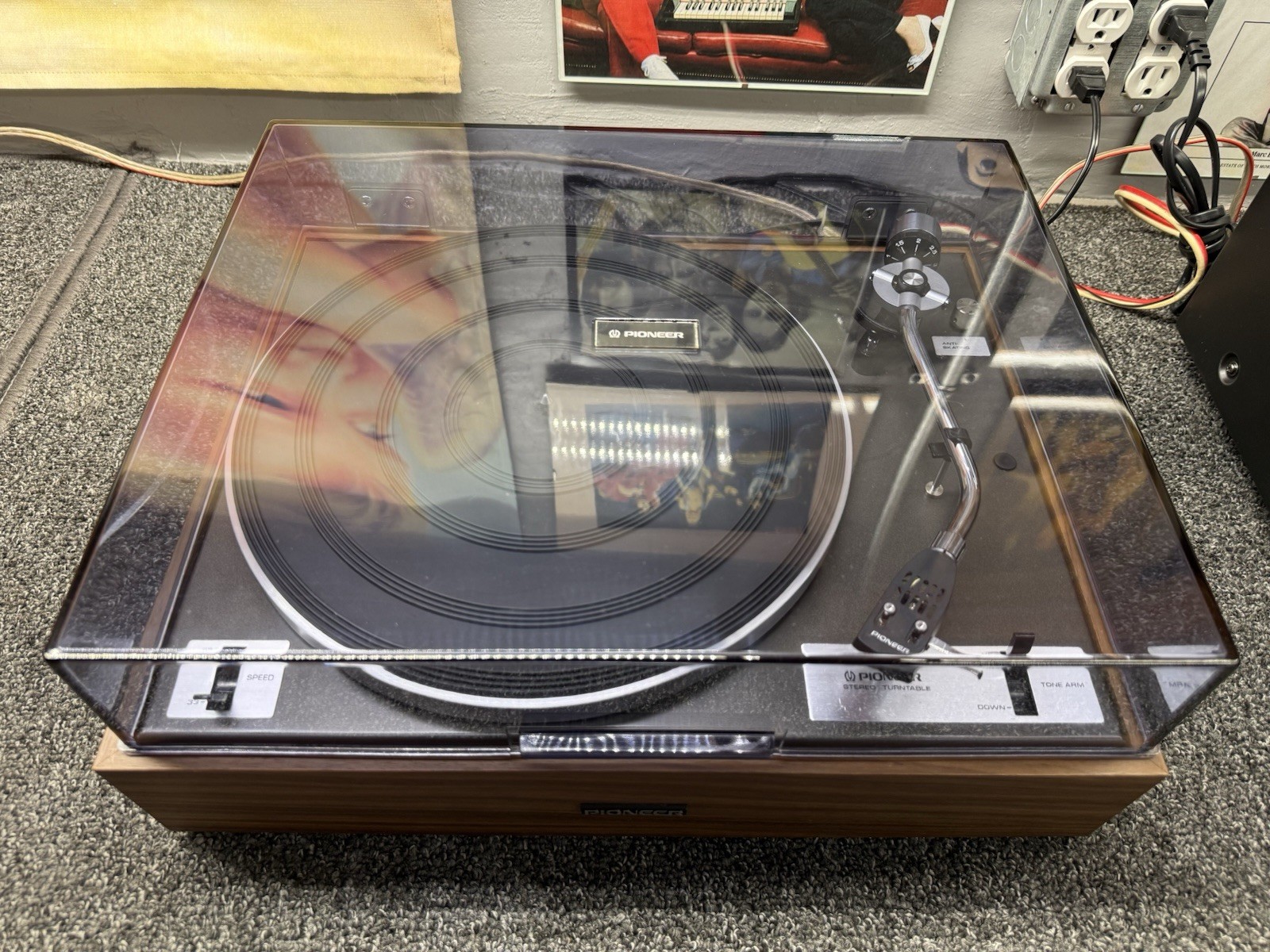

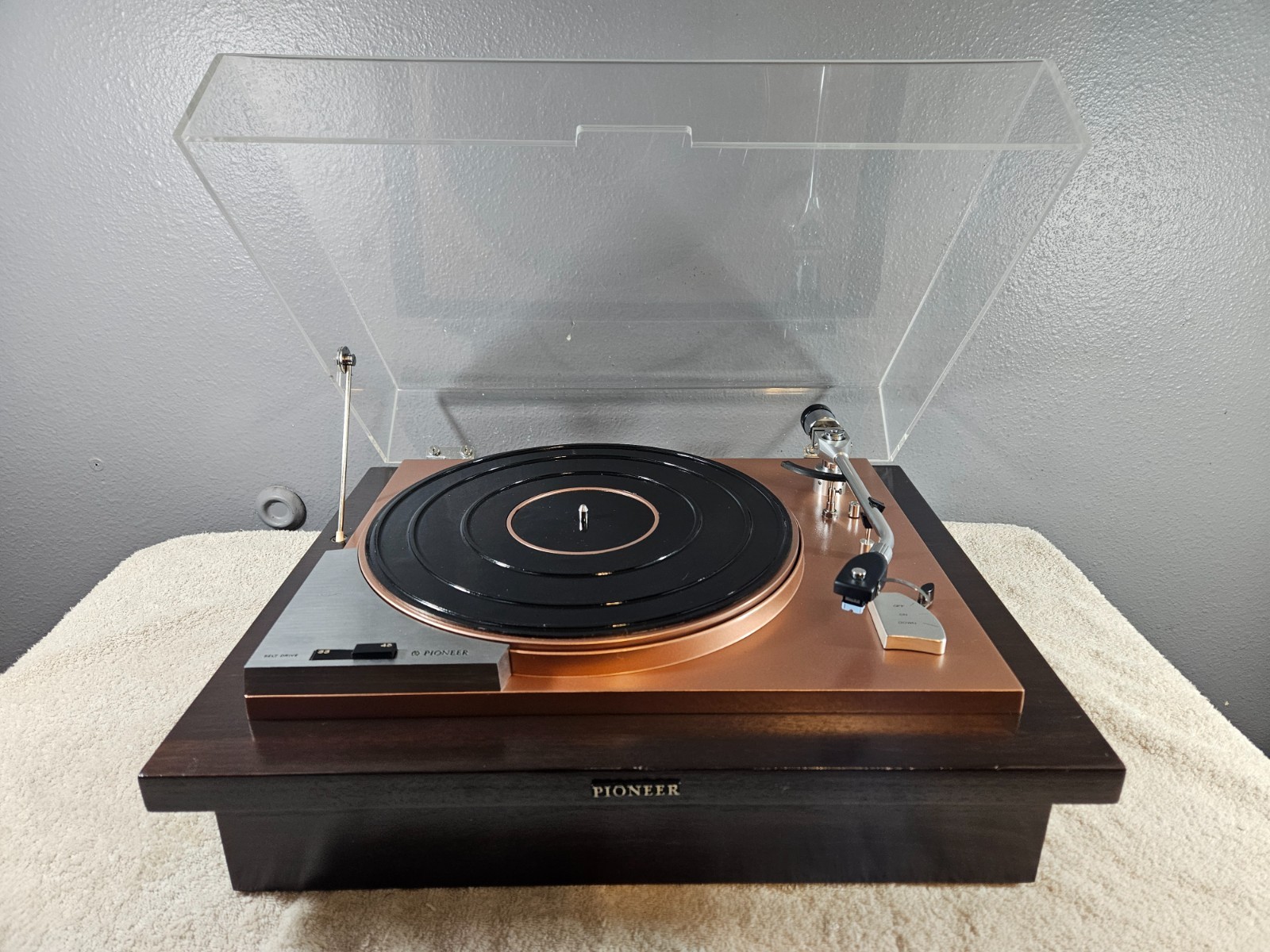
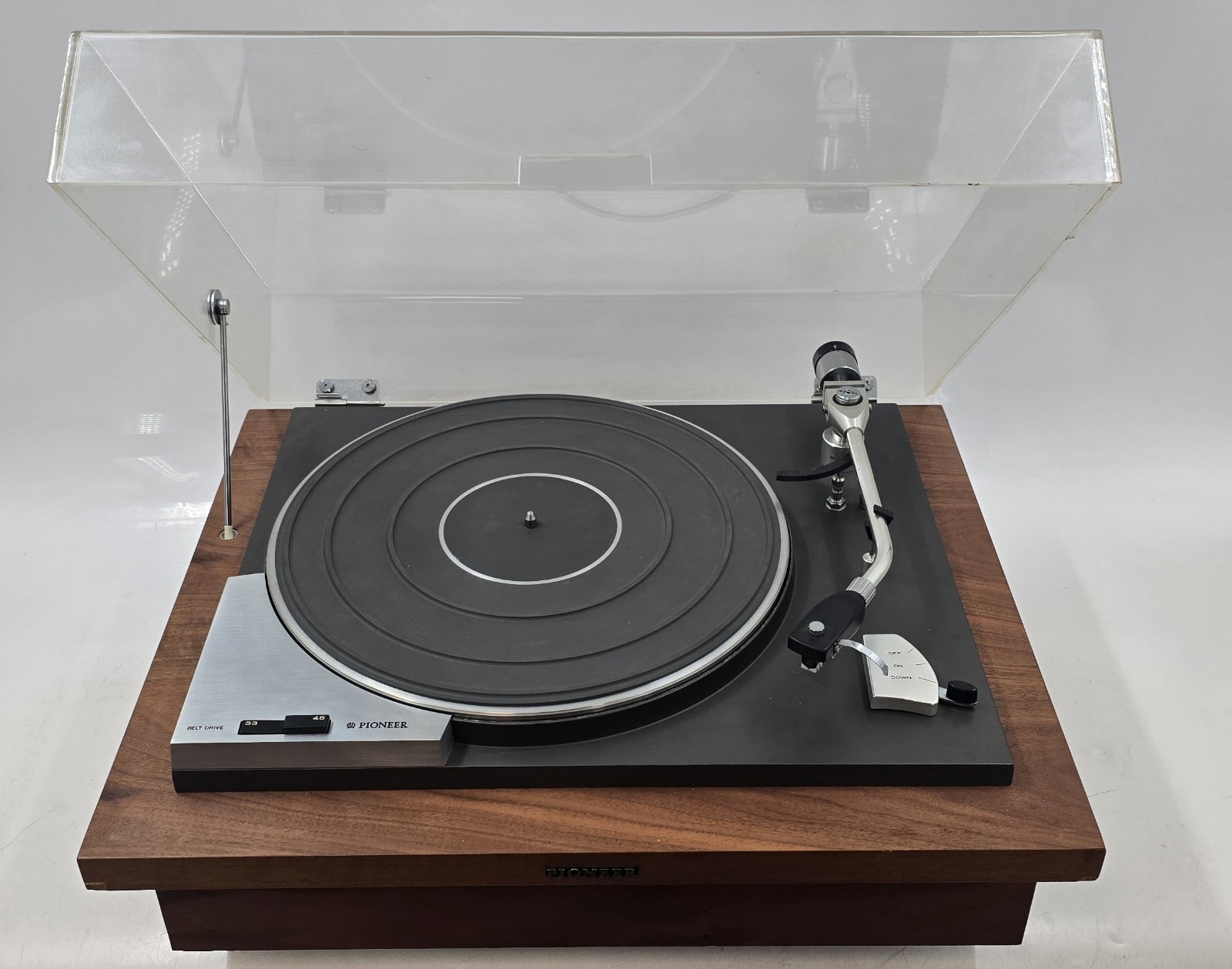
As an eBay Partner, we earn from qualifying purchases. This helps support our independent vintage technology research.
Related Models
- Pioneer PL-15R (1975)
- Pioneer PL-250 (1979)
- Pioneer PL-514 (1978)
- Pioneer PL-516 (1978)
- Pioneer PL-61 (1973)
- Luxman PD-272 (1983)
- Garrard 2025tc (1968)
- Onkyo CP-1010 (1976)
- Pioneer PL-6A (1977)
- Pioneer PL-71 (1979)