Pioneer PL-250 (1979)
The Pioneer PL-250 is a vintage belt-drive turntable introduced in 1979 as part of Pioneer’s mid-tier range of phonograph equipment during the late analog era. While not as widely documented as some of its higher-end siblings like the PL-510 or PL-520, the PL-250 occupies a respected place among collectors and audiophiles seeking a dependable, no-frills turntable with solid engineering and classic Japanese build quality.
Design and Build Quality
The Pioneer PL-250 features a minimalist yet functional design typical of late 1970s audio equipment. Housed in a compact wooden cabinet with a black matte finish, the turntable exudes a timeless aesthetic that blends well with vintage stereo setups. The plinth is made of medium-density fiberboard (MDF) with a laminated surface, offering a balance between rigidity and vibration damping—important factors in reducing unwanted resonance during playback.
The turntable weighs approximately 6.5 kg (14.3 lbs), which contributes to its stability on flat surfaces. Its low center of gravity and rubber-damped feet help isolate the platter and tonearm from external vibrations, enhancing sound clarity. The platter itself is a die-cast aluminum design with a rubber mat, ensuring smooth rotation and consistent speed.
Drive System and Speed Accuracy
The PL-250 uses a direct drive system, which is known for reducing motor noise transmission to the stylus, resulting in a quieter background and improved signal-to-noise ratio. The motor is a high-torque synchronous type, designed to maintain stable rotational speeds across both 33⅓ and 45 RPM settings. Speed accuracy is generally within ±0.3%, which is respectable for a turntable in its class and era.
A two-speed selector switch located on the front panel allows users to toggle between 33⅓ and 45 RPM. There is no 78 RPM setting, indicating the PL-250 was designed primarily for modern LP and single playback rather than vintage shellac records.
Tonearm and Cartridge
The tonearm on the PL-250 is a statically balanced, straight aluminum tube with a universal pivot, allowing for precise tracking. It features manual return—meaning the user must lift and return the tonearm by hand after playback—and lacks an auto-stop or auto-lift mechanism, reinforcing its manual operation profile.
The effective length of the tonearm is 215 mm, classifying it as a medium-length arm. It includes adjustable tracking force via a calibrated counterweight, typically set between 1.5 and 2.3 grams, depending on the cartridge used. Anti-skating is controlled by a simple knurled knob with a spring mechanism, allowing users to fine-tune lateral balance and reduce inner groove distortion.
From factory specifications and user reports, the PL-250 was typically supplied with the Pioneer PC-135 IM (moving magnet) cartridge. This cartridge features an elliptical stylus, offering improved high-frequency response and better groove contact compared to spherical tips. Output voltage is around 4.5 mV, with a frequency response of 20 Hz – 20 kHz, making it compatible with standard phono preamps of the era.
Setup and Usability
As a manual turntable, the PL-250 requires user engagement at every step: placing the record, starting the platter by hand (the motor begins spinning once the platter is nudged), lowering the tonearm, and lifting it at the end of playback. While this may seem outdated to modern listeners, many analog enthusiasts appreciate the tactile experience and control it offers.
Setting up the PL-250 involves several critical steps: leveling the turntable using the adjustable feet, mounting the headshell (if not pre-installed), connecting the tonearm wiring to the cartridge, and calibrating tracking force and anti-skate. A strobe disc is not included, but speed can be verified using an external strobe light or a digital tachometer app for modern calibration.
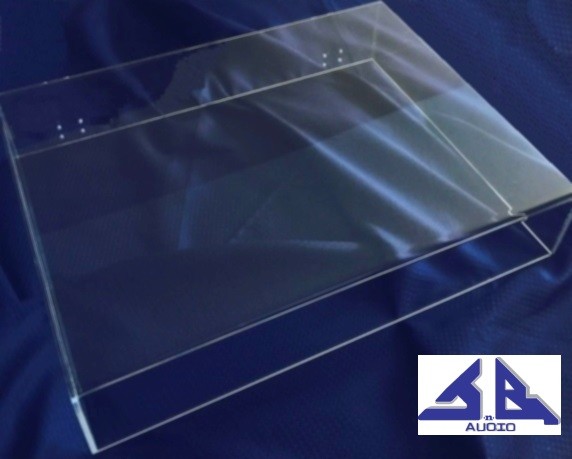
The turntable includes a removable dust cover with a hinged design, protecting the platter and tonearm when not in use. The cover is made of clear acrylic, allowing visibility while minimizing dust accumulation.
Audio Performance
In terms of sound, the Pioneer PL-250 delivers a warm, balanced presentation typical of well-engineered analog gear from the late 1970s. The belt-drive system contributes to a low noise floor, allowing subtle details in recordings to emerge. Bass response is tight and controlled, midrange is clear, and highs are smooth without harshness—largely due to the elliptical stylus and quality of the P-72E cartridge.
When paired with a high-quality phono stage and a well-tuned system, the PL-250 can outperform many modern entry-level turntables. Its analog purity and lack of digital circuitry or electronic automation preserve the integrity of the vinyl signal path.
Connectivity and Compatibility
The PL-250 outputs an analog signal via twin RCA cables located at the rear panel. These connect directly to a receiver or preamplifier with a dedicated phono input. If using a line-level input, an external phono preamp is required to apply RIAA equalization and amplify the low-level cartridge signal.
The turntable does not include a built-in preamp, ground wire terminal, or USB digitization features—features common in modern turntables but absent in this vintage design. This makes it a purist’s choice, best suited for integration into a traditional stereo system.
Market Position and Legacy
Positioned as a mid-range model in Pioneer’s 1979 catalog, the PL-250 competed with turntables from Sony, Technics, and Yamaha in the $200–$300 USD price range (adjusted for inflation, roughly $800–$1,200 today). It was often bundled with Pioneer receivers and speakers as part of complete stereo systems.
While Pioneer is better known for its receivers and amplifiers, the PL series demonstrated the company’s commitment to analog fidelity. The PL-250, though less celebrated than the Technics SL-1200, shares many design philosophies: durability, simplicity, and musicality.
Today, the PL-250 is sought after by collectors and DIY audiophiles who appreciate its modularity. Common upgrades include replacing the stock cartridge with higher-performance models like the Audio-Technica AT95E or Ortofon 2M Red, installing a new belt (available from specialty suppliers), and adding a third-party phono stage for improved signal refinement.
Conclusion
The Pioneer PL-250 stands as a competent, no-nonsense turntable from the golden age of analog audio. While it lacks the automation and precision of high-end contemporaries, it delivers reliable performance, solid construction, and a pleasing sonic character. For those building a vintage stereo system or exploring analog playback on a budget, the PL-250 offers an authentic listening experience rooted in 1970s engineering excellence. With proper maintenance and minor upgrades, it remains a viable and enjoyable part of any hi-fi setup.
eBay Listings



As an eBay Partner, we earn from qualifying purchases. This helps support our independent vintage technology research.
Related Models
- Pioneer PL-15R (1975)
- Pioneer PL-40 (1977)
- Pioneer PL-514 (1978)
- Pioneer PL-516 (1978)
- Pioneer PL-61 (1973)
- Luxman PD-272 (1983)
- Garrard 2025tc (1968)
- Onkyo CP-1010 (1976)
- Pioneer PL-6A (1977)
- Pioneer PL-71 (1979)