Pioneer PL-115D (1971-1976)
The Pioneer PL-115D is a vintage belt-drive turntable introduced in the early 1970s as part of Pioneer's mid-tier lineup of high-fidelity audio equipment. It is not as widely recognized as some of its contemporaries, like the Technics SL-1200 or the Yamaha GT-2000. It is a well-engineered, reliable, and sonically competent turntable, and it follows the design philosophy of Japanese audio manufacturing. Pioneer aimed it at audiophiles and casual listeners alike. It balances performance, durability, and ease of use, and collectors and vinyl enthusiasts still look for it.
Design and Build Quality
The Pioneer PL-115D has a minimalist but functional design, typical of the era. It has a black finish with a brushed aluminum front panel and a sturdy plinth made of medium-density fiberboard (MDF), which helps reduce resonance and vibration. The turntable weighs approximately 8.8 pounds (4 kg), which helps keep it stable during playback. The low-profile design fits most stereo setups, whether on a shelf, a console, or a dedicated audio rack.
The belt drive is one of its standout features. A direct-drive turntable connects the motor straight to the platter. The PL-115D uses a rubber belt between the motor and the platter, which reduces motor noise and gives smoother rotation. That cuts vibration transmission and gives more consistent speed control. The cabinet is a "howling-free" floating design, built to be free of resonance. It really does cut down on acoustic feedback if the speakers are in the same room.
The platter is die-cast aluminum, which gives it plenty of mass and rotational inertia. That contributes to stable playback and reduced wow and flutter. A rubber mat on top holds the vinyl and further dampens vibrations. The turntable plays at both 33⅓ and 45 RPM, selected with a manual switch on the front panel.
Tonearm and Cartridge
The PL-115D has a statically balanced S-shaped tonearm made of aluminum alloy. That is a step up from a straight wand, since the S-shape helps with tracking geometry. The tonearm is operated manually, but it reportedly has a speed-detecting auto-return mechanism. When a record ends, the arm lifts and returns to its rest smoothly. Pioneer even claimed it could do this gracefully with a warped record. It adds automation without adding much complexity.
The tonearm has an adjustable counterweight for setting the vertical tracking force (VTF). The recommended range is often cited as 1.0 to 1.5 grams, depending on the cartridge. Anti-skate is also adjustable, which helps keep tracking even across the record surface and minimizes groove wear. The tonearm's effective mass is well-matched to a range of moving magnet (MM) cartridges, so upgrades are easy. The headshell is a standard, light plug-in aluminum type, so swapping cartridges is simple.
The turntable often shipped with a Pioneer PK-115E cartridge, a moving magnet type with an elliptical stylus. It performs solidly for its time, with good channel separation and a moderate output level. It is not as refined as modern high-end cartridges, but it is perfectly serviceable. Many users upgrade to more modern cartridges, such as the Audio-Technica AT95E or the Ortofon 2M Red, for improved clarity and detail. The PL-115D responds well to such upgrades.
Technical Specifications
| Type | Belt-drive, semi-automatic turntable |
| Speeds | 33⅓, 45 RPM |
| Platter | Die-cast aluminum with rubber mat |
| Tonearm | S-shaped aluminum tonearm, static balance |
| Drive System | Belt-drive with 4-pole synchronous motor |
| Wow and Flutter | 0.07% |
| Signal-to-Noise Ratio | Greater than 65 dB |
| Cartridge Included | Pioneer PK-115E (elliptical MM) |
| Output Voltage | 4.0 mV at 5 cm/sec |
| Dimensions | 450 mm (W) × 145 mm (H) × 355 mm (D) |
| Weight | 4.0 kg (8.8 lbs) |
| Years of Manufacture | 1971 - 1976 |
Performance and Sound Characteristics
The PL-115D has a warm, balanced sound signature, characteristic of many Japanese turntables from the 1970s. The belt drive and the 4-pole synchronous motor give low background noise and smooth speed consistency, which means minimal distortion and excellent pitch stability. The 0.07% wow and flutter spec is genuinely good for a mid-tier belt-driver of this era. The elliptical stylus tracks grooves accurately and retrieves a good amount of detail from records without excessive surface noise.
Bass response is tight and well-controlled. The midrange is clear and natural, which suits vocals and acoustic instruments. High frequencies are smooth without being overly bright, so the PL-115D is forgiving with older or slightly worn records. It may not match the resolution of modern high-end turntables, but it holds up well. Its presentation is pleasing and musical, and many listeners prefer that over clinical accuracy.
Setup and Maintenance
Setting up the PL-115D is straightforward. The auto-return mechanism is one less thing to worry about. As with any turntable, proper VTF and anti-skate adjustment are essential for good performance and record preservation. The belt, like all rubber components, may degrade over time. If the turntable has speed instability or fails to start, replacing the drive belt is often the fix. Replacement belts are readily available from online audio parts suppliers. Regular cleaning of the stylus with a carbon fiber brush and occasional demagnetization of the cartridge can also help maintain sound quality.
Legacy and Collectibility
Pioneer is better known for its receivers, amplifiers, and later digital audio products, but the PL-115D remains a well-regarded model among vintage turntable enthusiasts. It was part of a broader family of Pioneer turntables and sat as a solid mid-range option. Pioneer sold many, many of these units.
Today, the PL-115D is appreciated for its reliability, its auto-return feature, and its warm analog sound. It is not as collectible as some of the Technics or Thorens models, but it is an affordable, no-nonsense entry into vintage vinyl playback. Its automation and build quality mean it can still perform flawlessly after decades of use.
eBay Listings


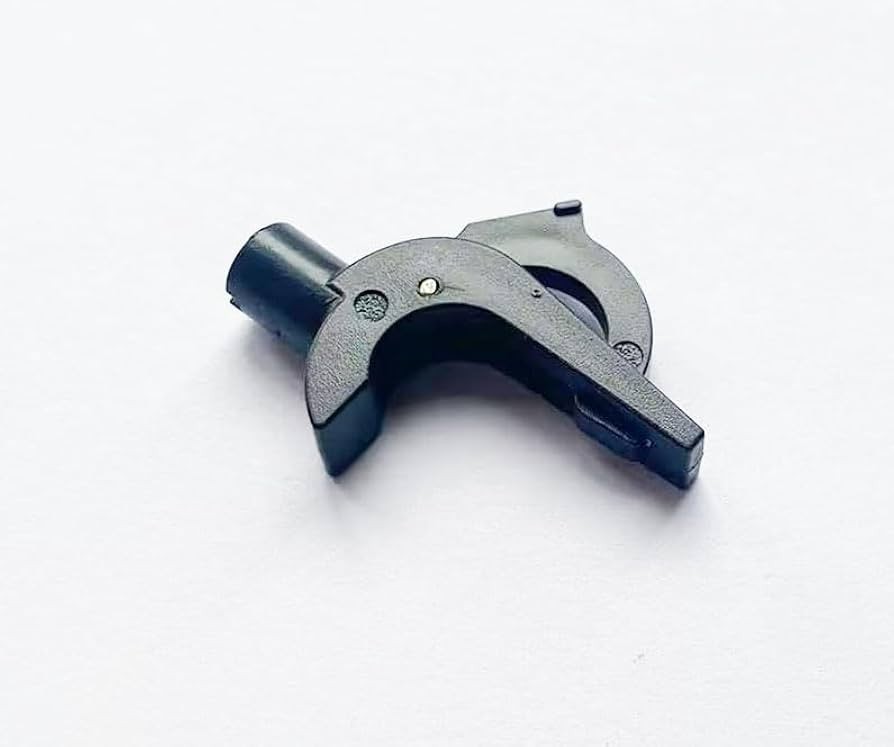
As an eBay Partner, we earn from qualifying purchases. This helps support our independent vintage technology research.
Related Models
- Pioneer PL-115D (1979)
- Pioneer PL-1250 (1978)
- Pioneer PL-15R (1975)
- Pioneer PL-25 (1972)
- Pioneer PL-35 (1978)
- Garrard SP (1975)
- Luxman PD-310 (1981)
- Luxman PD-555 (1983)
- Thorens TD-124 (1957–1967)
- Harman Kardon kardon-turntables (1975)