Nakamichi 670ZX: The Pinnacle of Cassette Deck Engineering
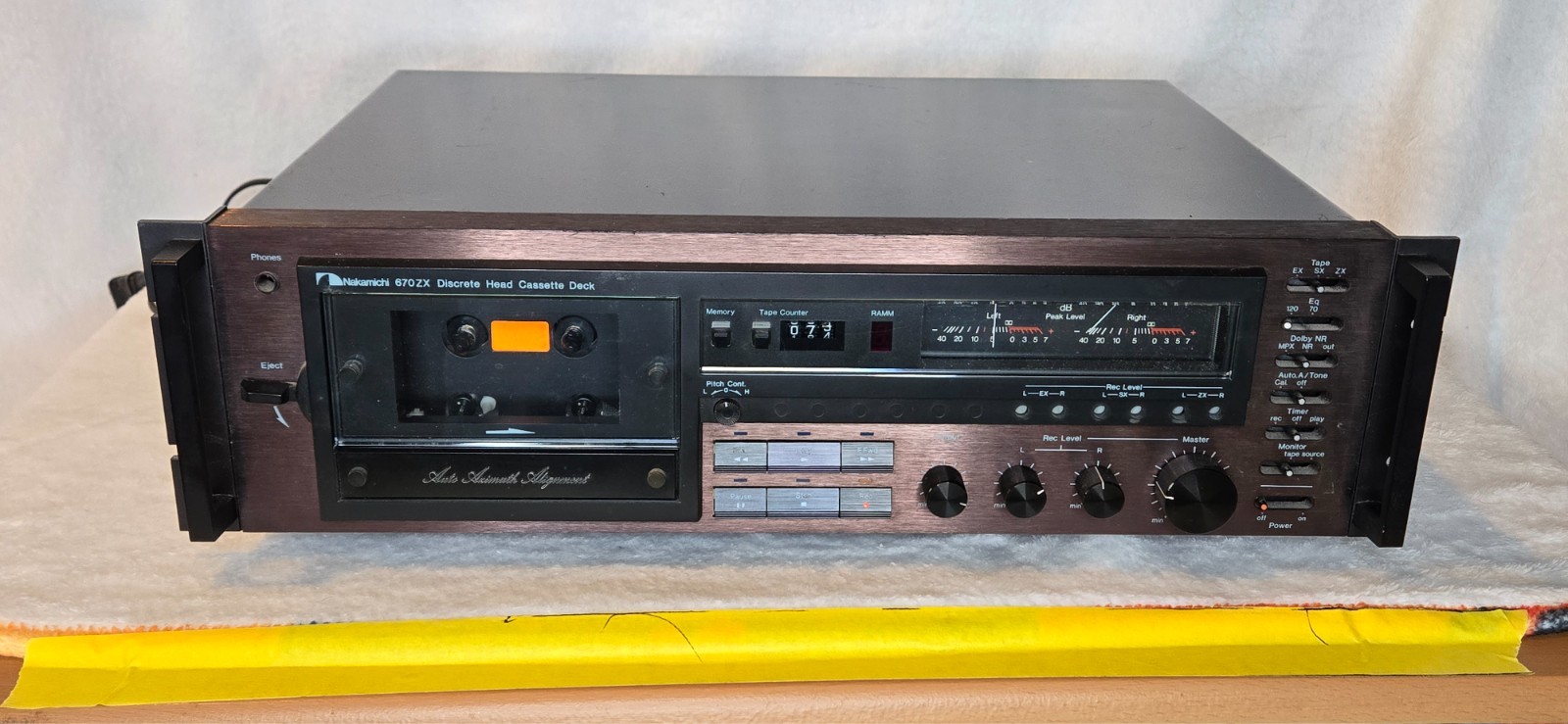
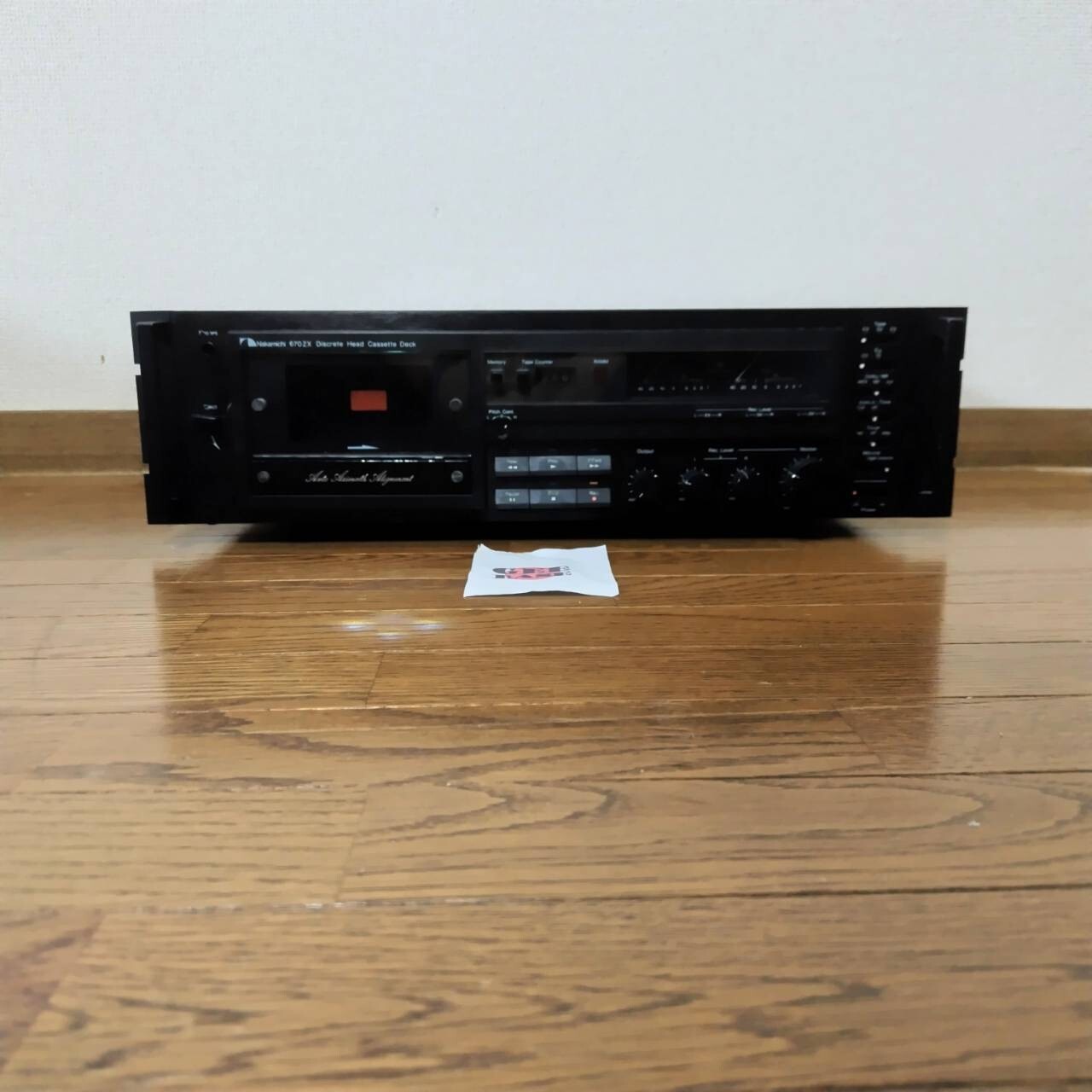
In the golden age of analog audio, few names commanded as much respect among audiophiles and engineers as Nakamichi. By the mid-1980s, the Japanese manufacturer had cemented its reputation as the leader in high-fidelity cassette deck technology. The Nakamichi 670ZX, introduced in 1984, stands as one of the most advanced and technically sophisticated cassette decks of its era. Though not as widely celebrated as the legendary Dragon, the 670ZX represented the bleeding edge of what was possible in consumer tape reproduction—offering a rare fusion of automation, precision engineering, and audiophile-grade sound.
Born during a period when compact cassettes were rapidly evolving from portable music carriers into serious high-fidelity media, the 670ZX was designed for the discerning listener who demanded laboratory-grade accuracy with minimal user intervention. It bridged the gap between professional tape deck performance and home audio convenience, making it a favorite among engineers, broadcasters, and serious collectors.
Technical Specifications
| Specification | Detail |
| Model | Nakamichi 670ZX |
| Year Introduced | 1984 |
| Type | 3-Head, Full-Logic Auto-Reverse Cassette Deck |
| Tape Speed | 1⅞ ips (4.76 cm/s) |
| Heads | Playback: Dual-Motorized Azimuth-Adjustable; Record: Fixed; Erase: Fixed |
| Motor System | Direct Drive (DD) Capstan & Reel Servos |
| Azimuth Control | Automatic (Real-time, during playback) |
| Frequency Response | 20Hz – 20kHz (Type IV metal tape) |
| Wow & Flutter | < 0.055% (WRMS) |
| Signal-to-Noise Ratio | 72 dB (Dolby C), 78 dB (Dolby S) |
| Total Harmonic Distortion | < 1.5% |
| Input/Output | Line In/Out (RCA), Headphone Out (1/4") |
| Noise Reduction | Dolby B, C, and S |
| Tape Compatibility | Type I (Ferric), Type II (Chrome), Type IV (Metal) |
| Auto Calibration | Yes (via internal test tape) |
| Display | Fluorescent VFD with level meters |
| Dimensions | 485 x 146 x 370 mm (WxHxD) |
| Weight | 13.6 kg (30 lbs) |
Sound Characteristics and Performance
The Nakamichi 670ZX was engineered for sonic neutrality and transparency. Its dual, motorized playback heads could dynamically adjust their azimuth alignment in real time, ensuring optimal high-frequency response regardless of tape alignment variations—a common flaw in lesser decks. This innovation allowed the 670ZX to extract every nuance from a tape, especially metal formulations, delivering a soundstage that was wide, detailed, and remarkably three-dimensional.
Listeners often describe the 670ZX’s sound as "clinical" in the best sense—fast, precise, and devoid of coloration. Bass was tight and well-controlled, mids were clear and articulate, and highs sparkled without harshness. When paired with high-quality metal tapes and Dolby S noise reduction, the deck approached the fidelity of early digital recordings, making it a favorite for critical listening and tape mastering.
Its direct-drive capstan and servo-controlled reel motors ensured exceptional speed stability, minimizing wow and flutter to near-inaudible levels. This made the 670ZX not only ideal for music playback but also suitable for voice recording, radio production, and archival duplication where timing accuracy was paramount.
Notable Features and Innovations
The 670ZX was packed with cutting-edge features that set it apart from even its closest competitors:
- Auto Azimuth Correction (AAC): The crown jewel of the 670ZX. Unlike fixed-head decks, it used a secondary playback head to monitor high-frequency response and automatically adjusted the main playback head’s angle for perfect alignment. This ensured consistent performance across tapes and over time.
- Auto Calibration System: The deck could calibrate its own record and playback levels using an internal test tape routine. This eliminated the need for external alignment tools and made professional-grade tape duplication accessible to home users.
- Dolby S Compatibility: At a time when Dolby S was a new and superior noise reduction system, the 670ZX was among the first consumer decks to support it. Dolby S offered up to 24 dB of noise reduction with minimal artifacts—far better than Dolby B or C.
- Full-Logic Transport: The 670ZX featured full logic control for smooth, reliable operation. Auto-reverse was seamless, with no pause between sides, and the tape threading mechanism was both fast and gentle on tapes.
- Fluorescent VFD Display: The large vacuum fluorescent display provided clear feedback on tape type, mode, levels, and Dolby settings, adding to the deck’s premium feel.
- Metal Tape Optimization: The 670ZX was one of the first decks designed from the ground up to exploit the full potential of Type IV metal tapes, with optimized bias and equalization settings for maximum dynamic range and frequency extension.
Common Issues and Maintenance
Despite its advanced engineering, the Nakamichi 670ZX is not immune to age-related issues. As with all high-end cassette decks from the 1980s, mechanical wear and dried lubricants are the most common problems today.
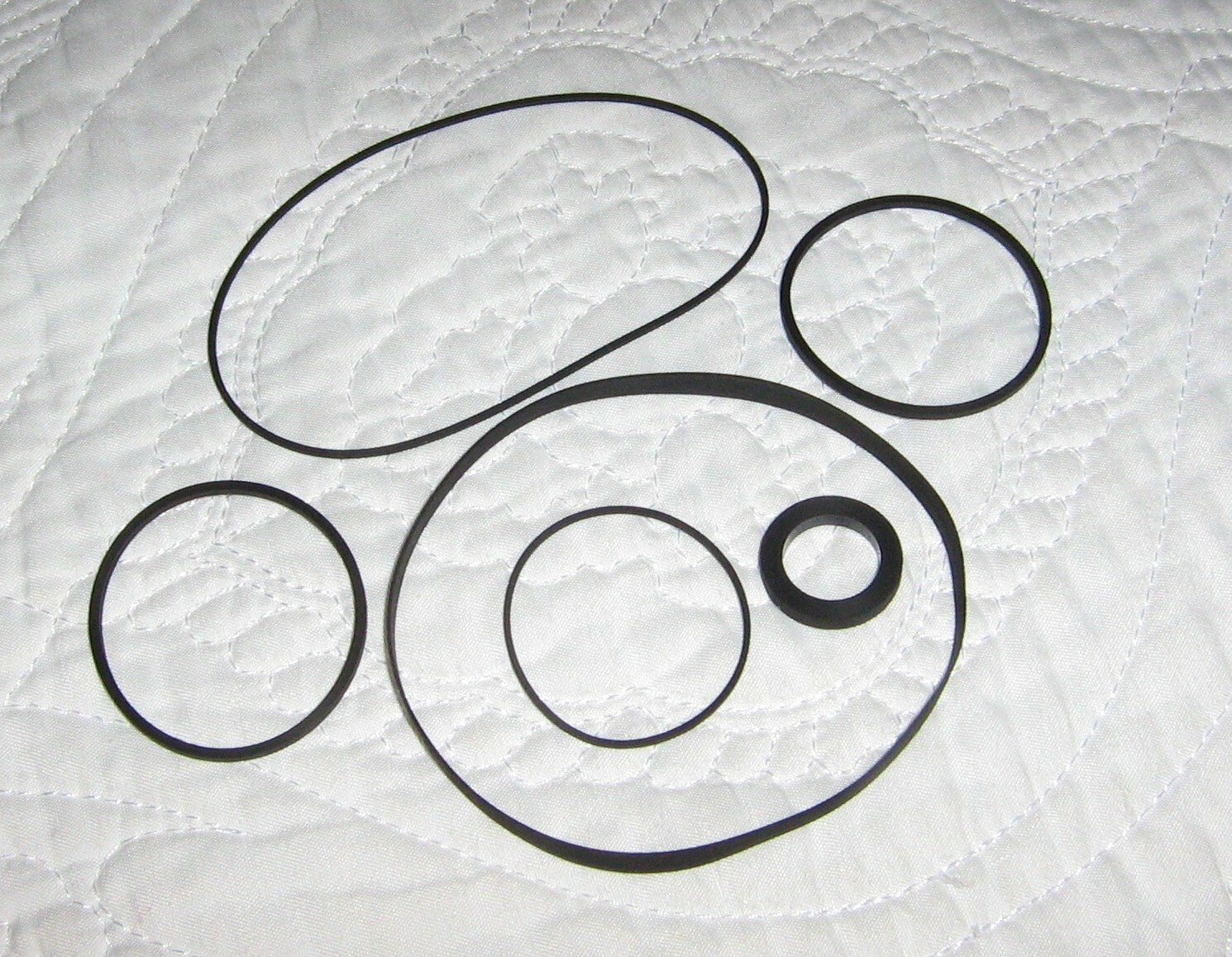
- Azimuth Motor Failure: The motorized azimuth mechanism, while brilliant, can suffer from seized gears or worn belts over time. Regular cleaning and lubrication are essential.
- Capstan and Pinch Roller Degradation: The rubber pinch roller often hardens or cracks with age, leading to speed instability. Replacement with a fresh roller is a must for proper operation.
- Dirty or Worn Heads: Playback and record heads should be cleaned regularly with isopropyl alcohol. Demagnetization is also recommended every few dozen hours of use to maintain clarity.
- Capacitor Aging: Electrolytic capacitors in the power supply and signal path may dry out, causing noise, channel imbalance, or complete failure. A full recapping is advisable for long-term reliability.
- Tape Path Misalignment: Due to the complex head movement system, the tape path may require professional alignment, especially after transport or storage.
For best results, the 670ZX should be serviced by a technician experienced with Nakamichi decks. Original service manuals are available through enthusiast communities, and some parts are still obtainable from specialty audio restoration suppliers.
Current Market Value and Collectibility
The Nakamichi 670ZX occupies a niche but respected place in the vintage audio market. While not as iconic as the Dragon or CR-7A, it is highly regarded among cassette enthusiasts for its technological sophistication and understated elegance.
In working condition, a well-maintained 670ZX typically sells for $600 to $1,000, depending on cosmetics, functionality, and included accessories (such as the original calibration tape). Fully restored units with new belts, cleaned heads, and recapped electronics command the higher end of that range.
Collectibility is growing, driven by the resurgence of interest in analog media and high-quality tape playback. The 670ZX appeals particularly to engineers, archivists, and analog purists who value its automation and precision. Its support for Dolby S also makes it a rare and valuable tool for playing back high-end pre-recorded metal tapes from the late 1980s and early 1990s.
Conclusion and Legacy
The Nakamichi 670ZX may not have the mythic status of the Dragon, but it represents the zenith of intelligent cassette deck design. It combined automation with uncompromising performance, offering a level of convenience and accuracy that was unmatched in its time—and remains impressive today.
More than just a playback machine, the 670ZX was a statement of engineering philosophy: that high fidelity should not require constant user adjustment. With its self-calibrating system, real-time azimuth correction, and support for the best noise reduction available, it brought professional tape standards into the living room.
For vintage audio collectors and analog enthusiasts, the 670ZX is a must-have artifact of cassette history—a testament to a time when magnetic tape was pushed to its absolute limits. In an age rediscovering the warmth and texture of analog, the Nakamichi 670ZX still has something vital to say.
eBay Listings

As an eBay Partner, we earn from qualifying purchases. This helps support our independent vintage technology research.
Service Manuals & Schematics
- Manual — archive.org
- Service Manual — archive.org
- Service Manual — archive.org
Related Models
- Nakamichi 1000ZXL (1985)
- Nakamichi BX-150 (1983)
- Nakamichi CR-4 (1969)
- Nakamichi 1000-II (1974)
- Nakamichi 1000ZXL-LIMITED (1985)
- Sony TC-2050SD (1978)
- Aiwa AD-F990 (1993)
- Kenwood KX-3060 (1982)
- Sony TC-2130A (1974)
- Sony TC-2220 (1972)