Nakamichi 660ZX: The Precision-Built Cassette Deck from Nakamichi’s Golden Era
In the pantheon of high-fidelity cassette decks, few names command as much respect as Nakamichi. During the 1980s, the Japanese manufacturer redefined what was possible in consumer tape technology, pushing the boundaries of speed stability, frequency response, and mechanical precision. Among their legendary lineup, the Nakamichi 660ZX stands as a refined, high-performance machine that bridges the gap between the groundbreaking 600 series and the later, more automated 700ZX and 1000ZXL models.
Introduced in 1984, the 660ZX was not the most radical model in Nakamichi’s catalog—no auto-reversing head or fully digital logic—but it was a no-compromise, manually operated cassette deck built for serious audiophiles and mastering engineers who demanded the utmost in analog tape fidelity. It represented the culmination of Nakamichi’s mechanical and electronic engineering prowess, offering exceptional build quality, superb tape handling, and reference-level sound reproduction.
Technical Specifications
| Specification | Detail |
| Year Introduced | 1984 |
| Type | 3-Head, Full-Track Stereo Cassette Deck |
| Tape Heads | Separate Record, Playback, and Erase Heads |
| Head Composition | Ferrite (Playback & Erase), Permalloy (Record) |
| Motor System | Dual Direct-Drive Capstan Motors |
| Wow & Flutter | < 0.065% (WRMS) |
| Frequency Response | 20Hz – 20kHz (with metal tape) |
| Signal-to-Noise Ratio | 66 dB (Dolby C), 72 dB (with Metal bias) |
| Total Harmonic Distortion | < 1.5% |
| Input Level (Record) | 150 mV (at 0 dB) |
| Output Level (Playback) | 2.5 V (at 0 dB) |
| Input Impedance | 47 kΩ |
| Output Impedance | 12 kΩ |
| Power Consumption | 24 W |
| Dimensions (W×H×D) | 440 × 147 × 370 mm |
| Weight | 14.5 kg (32 lbs) |
| Tape Compatibility | Type I (Ferric), Type II (Chrome), Type IV (Metal) |
| Bias & EQ Selection | Manual (Front Panel Switches) |
| Dolby Noise Reduction | Dolby B and C (switchable) |
| Monitoring System | Dual VU Meters with Peak Hold |
Sound Characteristics and Performance
The 660ZX was engineered for accuracy and transparency, not coloration. Unlike some cassette decks that imparted a warm or "tubey" character, the 660ZX aimed to be an invisible conduit between source and tape. Its three-head configuration—with dedicated playback and record heads—allowed for independent optimization of each function. This meant users could fine-tune azimuth and alignment for perfect playback, regardless of how the tape was recorded.
Equipped with dual direct-drive capstan motors, the 660ZX delivered rock-solid speed stability. This minimized wow and flutter to levels that rivaled or exceeded many open-reel machines of the era. The result was a tight, controlled bass response, excellent stereo imaging, and a remarkably wide soundstage for a cassette format.
When paired with high-quality metal tapes (like TDK MA or Maxell XLI-S), the 660ZX could achieve a frequency response extending to 20 kHz, with low distortion and excellent dynamic range. Its Dolby C circuitry was among the best of its time, offering effective noise reduction without the "pumping" artifacts that plagued lesser implementations.
Many users report that the 660ZX excels at jazz, classical, and acoustic recordings, where clarity, timing, and spatial accuracy are paramount. But it also handles rock and electronic music with authority, thanks to its powerful, well-damped transport and clean electronics.
Notable Features and Innovations
While the 660ZX didn’t introduce the auto-reversing head mechanism of the later 700ZX, it was packed with high-end features that set it apart from even high-tier competitors like Revox, Sony, and TEAC:
- Dual Direct-Drive Capstan Motors: One motor for each direction, eliminating the need for belts or idler wheels. This ensured instant start-up, precise speed control, and minimal wear.
- Three-Head Design: Independent heads for record, playback, and erase allowed for superior alignment and monitoring during recording.
- Manual Bias and EQ Controls: Unlike many decks that automated tape type selection, the 660ZX gave users full manual control over bias and equalization, enabling optimization for specific tapes.
- Precision VU Meters with Peak Hold: Large, easy-to-read meters provided accurate level monitoring, with a peak-hold function to catch transient overloads.
- Heavy-Duty Chassis and Damping: The massive, rigid chassis minimized vibration and resonance, contributing to a clean, focused sound.
- Professional-Grade Connectivity: Full complement of RCA inputs/outputs, plus a 1/8" jack for remote control and external metering options.
The 660ZX was clearly designed with serious users in mind—audiophiles, semi-pro studios, and tape enthusiasts who valued control and fidelity over convenience.
Common Issues and Maintenance
Like all high-precision analog gear from the 1980s, the 660ZX requires regular maintenance to perform at its best. While built to last, aging components can degrade over time:
- Capstan and Pinch Roller Wear: The rubber pinch roller can harden or become glazed. It should be cleaned regularly and replaced if cracked or sticky.
- Head Alignment Drift: Over time, the delicate head alignment can shift. A professional alignment is recommended every few hundred hours of use.
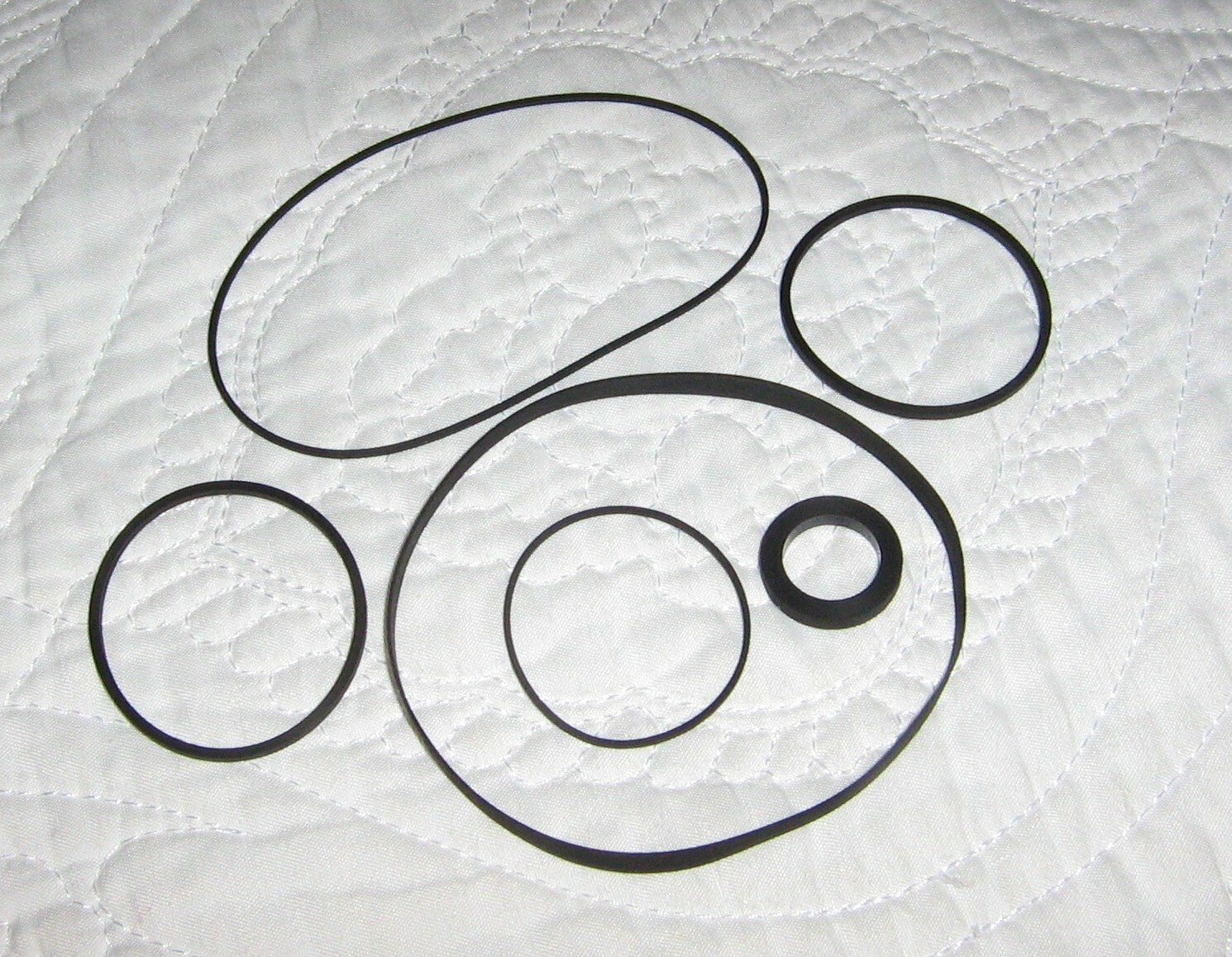
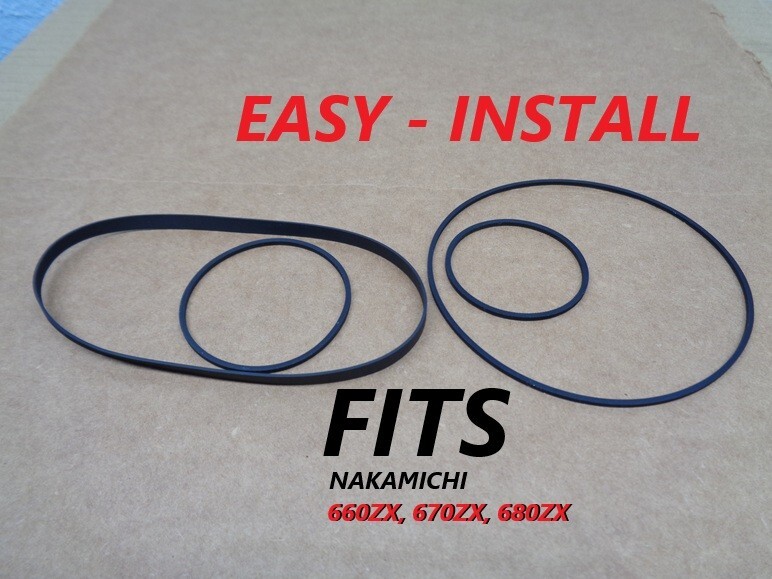
- Deteriorating Belts (in ancillary mechanisms): While the capstan is direct-drive, some internal mechanisms (like tape counter or door operation) may use small belts that can dry out.
- Capacitor Aging: The power supply and signal path use electrolytic capacitors that may dry out after 30+ years. A recap by a qualified technician can restore optimal performance.
- Dirty or Oxidized Controls: The front panel switches and potentiometers can become noisy. Contact cleaner can help, but severe cases may require replacement.
Due to its complexity, the 660ZX is not a beginner-friendly restoration project. It’s best serviced by a technician experienced with high-end Nakamichi decks.
Current Market Value and Collectibility
The Nakamichi 660ZX has seen a steady rise in value among vintage audio collectors, though it remains more affordable than the legendary Dragon or 1000ZXL. In good working condition, prices typically range from $800 to $1,400, depending on provenance, maintenance history, and included accessories.
Units with original packaging, manuals, and remote controls command a premium. Fully recapped and aligned models from reputable refurbishers often sell at the higher end of the spectrum.
While not as flashy as the auto-reversing Dragon, the 660ZX is highly respected among tape purists for its mechanical integrity, sonic neutrality, and user control. It’s a favorite among those who still record to tape or curate high-quality cassette dubs from master sources.
Conclusion and Legacy
The Nakamichi 660ZX may not be the most famous model in the company’s storied history, but it is one of the most refined expressions of analog cassette engineering. It represents a time when manufacturers believed that every detail mattered—from the choice of motor to the feel of the transport buttons.
For those who appreciate precision, control, and uncolored sound, the 660ZX remains a top-tier choice in the world of vintage cassette decks. It’s not just a playback machine; it’s a tool for audio craftsmanship.
In an age of digital perfection, the 660ZX reminds us that analog, when executed at the highest level, can deliver a listening experience that is both technically impressive and emotionally engaging. For the true tape enthusiast, the Nakamichi 660ZX is not just a relic—it’s a reference standard.
eBay Listings


As an eBay Partner, we earn from qualifying purchases. This helps support our independent vintage technology research.
Service Manuals & Schematics
- Service Manual — archive.org
Related Models
- Nakamichi 1000ZXL (1985)
- Nakamichi BX-150 (1983)
- Nakamichi CR-4 (1969)
- Nakamichi 1000-II (1974)
- Nakamichi 1000ZXL-LIMITED (1985)
- Sony TC-2050SD (1978)
- Aiwa AD-F990 (1993)
- Kenwood KX-3060 (1982)
- Sony TC-2130A (1974)
- Sony TC-2220 (1972)