Magnavox Component Systems: Modular Hi-Fi for the 1970s Home
In the early 1970s, as stereo sound transitioned from a niche hobby to a mainstream home entertainment staple, Magnavox—best known for its televisions and early consumer electronics—stepped into the high-fidelity audio market with a bold and forward-thinking approach: modular component systems. These systems weren’t just another mass-market console or all-in-one stereo; they represented Magnavox’s attempt to blend affordability with the flexibility and performance of true separates. While not as revered today as contemporaries from Marantz, Sansui, or Pioneer, Magnavox Component Systems hold a quiet charm and historical significance for vintage audio enthusiasts who appreciate accessible, well-designed modular audio of the era.
A Modular Vision for the Average Listener
At a time when audiophiles were building custom rigs from individual turntables, preamps, power amps, and speakers, Magnavox sought to democratize the experience. Their Component Systems offered consumers the ability to start with a basic setup—often a receiver or tuner-amplifier—and expand over time by adding a separate turntable, tape deck, or speakers—all designed to match aesthetically and functionally. This “build-as-you-go” philosophy was revolutionary for middle-class households who wanted quality sound without the complexity or cost of assembling a full separates system from scratch.
The systems were typically housed in warm woodgrain cabinets with brushed aluminum or matte black faceplates, reflecting the era’s design language. Controls were straightforward, with large knobs and clear labeling, making them user-friendly even for those new to stereo equipment. While not always pushing the technical envelope, Magnavox prioritized cohesion, ease of use, and visual harmony—values that resonated with a generation discovering the joy of recorded music at home.
Technical Specifications
Magnavox Component Systems were not a single model but a family of compatible components released throughout the 1970s. As such, specifications vary depending on the specific configuration and year of manufacture. However, typical setups included the following elements:
| Component | Typical Specifications |
| Receiver/Amplifier | 20–40 watts per channel (RMS), 20Hz–20kHz frequency response, solid-state design, AM/FM tuner with analog dial |
| Turntable | Belt or direct drive, manual operation, dynamic or ceramic cartridge, 33⅓ and 45 RPM |
| Tape Deck | 3-head or single-motor design, Dolby B noise reduction (on later models), auto-reverse capability |
| Speakers | 2-way bookshelf or floor-standing designs, 8Ω impedance, 85–90dB sensitivity |
| Tuner | Separate FM/AM tuner with digital or analog tuning, stereo indicator, variable bandwidth |
| Preamp/Control Unit | Passive or active preamp with source selection, tone controls, and phono input |
Power output ranged from modest 20WPC in entry-level models to a robust 40WPC in higher-end configurations. Most amplifiers used solid-state transistor designs, a shift from the tube-based gear of the 1960s, offering greater reliability and lower maintenance. While not class-leading in measured performance, these components delivered clean, balanced sound suitable for casual listening and small to medium-sized rooms.
Sound Characteristics and Performance
The sonic signature of Magnavox Component Systems leaned toward clarity and neutrality, avoiding the overly warm tube sound of earlier decades or the aggressive brightness of some late-1970s Japanese gear. Midrange reproduction was particularly strong, making vocals and acoustic instruments sound natural and present. Bass response was adequate—tight and controlled, if not especially deep—while treble remained smooth without harshness.
When properly matched, the speakers in these systems (often labeled with names like M80, CS-300, or TDL Series) provided a surprisingly spacious soundstage for their size. Some models even featured acoustic suspension designs influenced by the pioneering work of Edgar Villchur and Henry Kloss, resulting in cleaner bass and reduced distortion.
Tape decks, while not professional-grade, were competent for cassette duplication and playback. Later models with Dolby B offered reduced tape hiss and improved dynamic range, making them ideal for pre-recorded tapes or home recordings.
Overall, the system’s strength lay in its cohesiveness—components were voiced to work together, creating a balanced and pleasing listening experience that prioritized musical enjoyment over technical showmanship.
Notable Features and Innovations
Magnavox didn’t lead the audio revolution, but they incorporated several thoughtful features that enhanced usability:
- Modular Expandability: The core innovation. Users could start with a receiver and add a turntable or tape deck later, all fitting into a unified rack or cabinet system.
- Matching Aesthetics: All components shared a consistent design language—wood veneer, color-matched knobs, and proportional faceplates—making them ideal for living room integration.
- Integrated Protection Circuits: Some higher-end models included overload and thermal protection, a sign of Magnavox’s focus on reliability.
- User-Friendly Interfaces: Large tuning dials, intuitive input selectors, and clear metering made operation simple for non-technical users.
- Optional Accessories: Magnavox offered matching speaker stands, dust covers, and even remote controls for select tuners and amplifiers.
While not as feature-rich as high-end separates, these systems were engineered with practicality and longevity in mind.
Common Issues and Maintenance
Like all vintage electronics, Magnavox Component Systems require some care to remain functional:
- Capacitor Aging: Electrolytic capacitors in power supplies and audio circuits often dry out over time, leading to hum, distortion, or failure. Recapping is a common and recommended restoration step.
- Tape Deck Wear: Rubber pinch rollers and drive belts degrade. Replacing these, along with head cleaning or demagnetization, restores cassette functionality.
- Turntable Performance: Worn belts (on belt-drive models), stylus degradation, and motor issues can affect playback. A new cartridge and belt can dramatically improve performance.
- Dust and Corrosion: Decades of storage can lead to dirty potentiometers (causing scratchy volume controls). Cleaning with contact cleaner often resolves this.
- Speaker Foam Surrounds: Many original speakers used foam surrounds that disintegrate over time. Re-foaming or reconing is often necessary for full restoration.
Despite these age-related issues, parts are generally available, and the modular nature of the systems means faulty components can be replaced or upgraded individually.
Current Market Value and Collectibility
Magnavox Component Systems are not typically high-value collector’s items, but they occupy a nostalgic niche among vintage audio enthusiasts. Complete, well-maintained systems in original condition can fetch $200–$500, depending on rarity and functionality. Standout models—such as those with unique wood finishes, rare speaker designs, or early digital tuning—may command higher prices.
They are particularly popular with:
- Retro interior designers seeking authentic 1970s home audio aesthetics
- Beginner collectors looking for affordable entry points into vintage hi-fi
- DIY restorers who appreciate the modularity and repairability
While not as sonically competitive with high-end contemporaries, their charm lies in their authenticity, design, and historical role in bringing component audio to the masses.
Conclusion and Legacy
The Magnavox Component Systems may not have won audiophile awards, but they succeeded in their mission: to make high-fidelity audio accessible, expandable, and integrated into everyday American homes. At a time when stereo was becoming a cultural phenomenon, Magnavox offered a practical, stylish, and reliable path into the world of quality sound.
Today, these systems serve as a reminder that great audio doesn’t always require exotic specs or sky-high prices. With a little care, a vintage Magnavox setup can still deliver a warm, engaging listening experience—connecting modern listeners to the golden age of home stereo, one modular component at a time.
eBay Listings


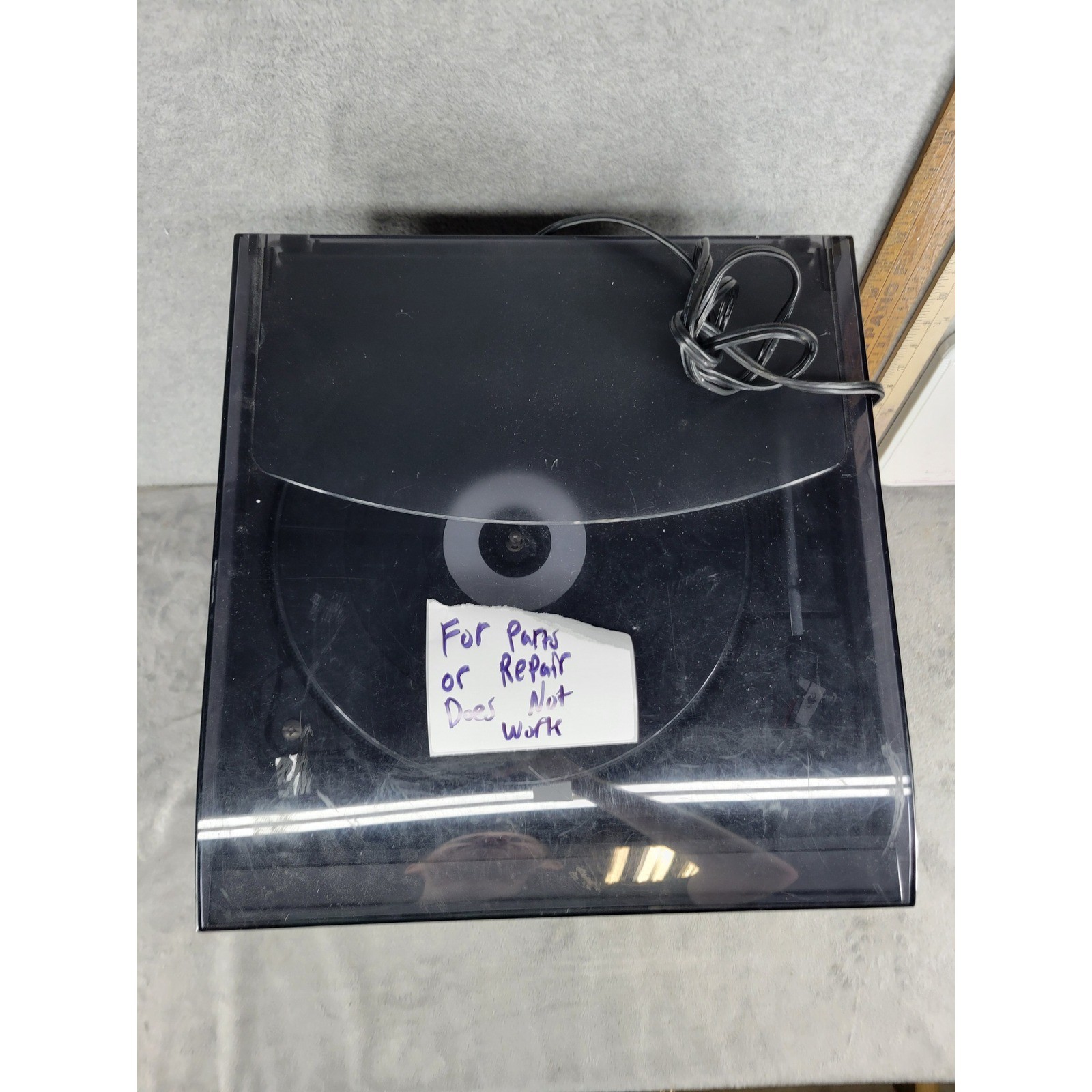
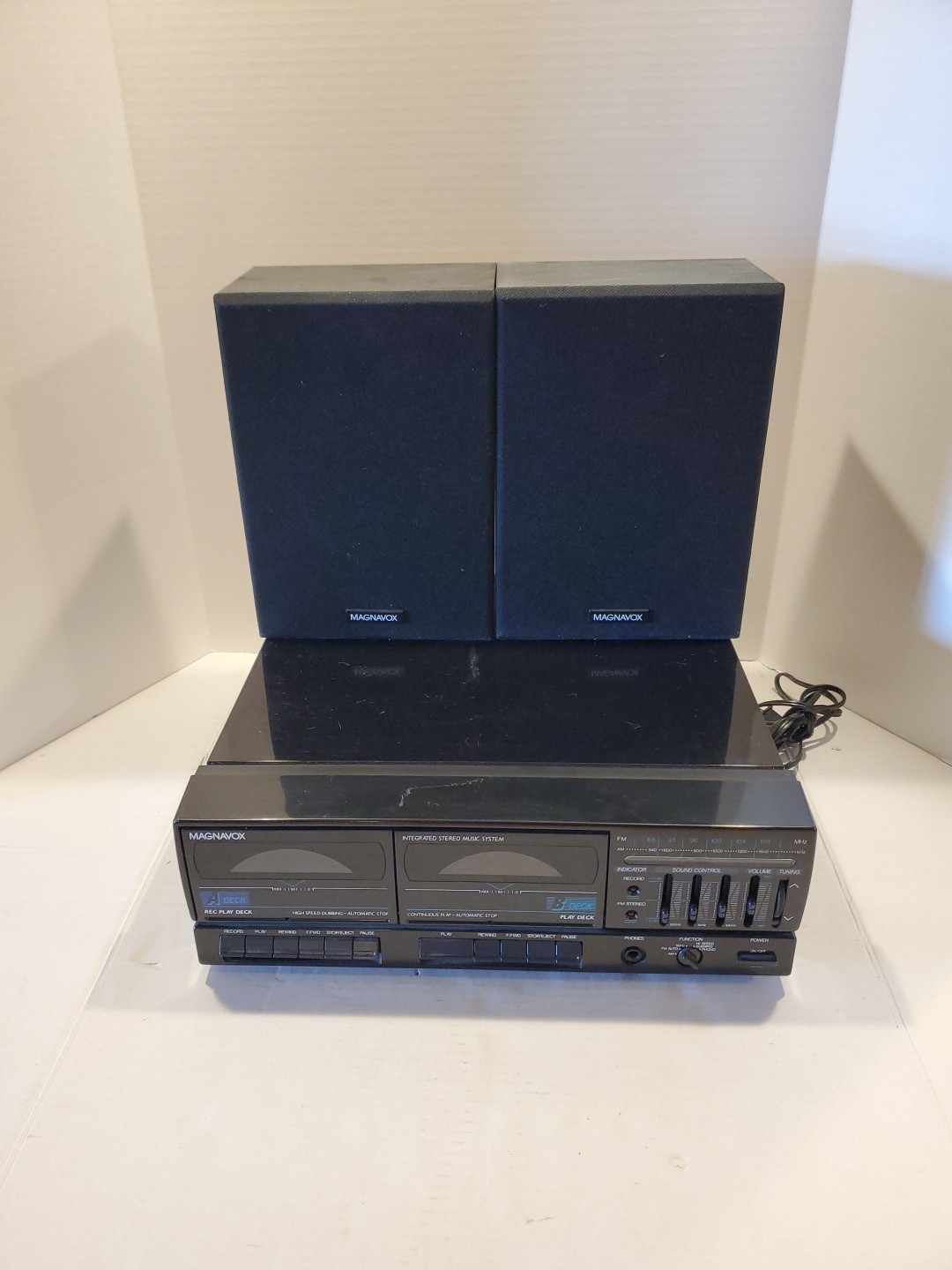
As an eBay Partner, we earn from qualifying purchases. This helps support our independent vintage technology research.
Related Models
- Magnavox ASTRO-SONIC SERIES (1955)
- Magnavox HIGH-END-CONSOLE-SERIES (1968)
- Magnavox MICROMATIC Series (1958)
- Magnavox OTHER-CONSOLE-MODELS (1955)
- Magnavox SPEAKER-SYSTEMS (1970)
- Akai AM-2850 (1975)
- Akai AP-206 (1975)
- Nakamichi BX-1 (1985)
- Acoustic Research research-ar-17 (1978)
- Acoustic Research AR-19 (1994)