Luxman PD-291: The Quiet Masterpiece of Japanese Turntable Engineering
In the early 1980s, Japanese high-fidelity manufacturers were at the peak of their analog design prowess. Amid a golden era defined by precision engineering, meticulous craftsmanship, and a deep reverence for musical fidelity, Luxman stood apart—not through flamboyance, but through understated excellence. The Luxman PD-291, introduced in 1983, is a quintessential example of this philosophy: a belt-drive turntable that embodies the brand’s commitment to sonic purity, mechanical stability, and minimalist elegance.
While Luxman is perhaps best known for its vacuum tube amplifiers and high-end preamplifiers, its foray into turntable design during the late 1970s and early 1980s produced several models that remain highly regarded among analog enthusiasts. The PD-291, though less celebrated than some of its contemporaries from Technics or Rega, is a sleeper hit—a refined, no-nonsense turntable built for those who prioritize musical coherence over flashy features.
Technical Specifications
| Specification | Detail |
| Model | Luxman PD-291 |
| Year Introduced | 1983 |
| Turntable Type | Belt-drive, manual operation |
| Platter | 300 mm diameter, die-cast aluminum |
| Motor | AC synchronous, low-vibration design |
| Speeds | 33⅓, 45 RPM (manually selectable) |
| Speed Accuracy | ±0.3% |
| Wow and Flutter | < 0.03% (weighted) |
| Tonearm | SME Series III (optional) or OEM straight tube arm |
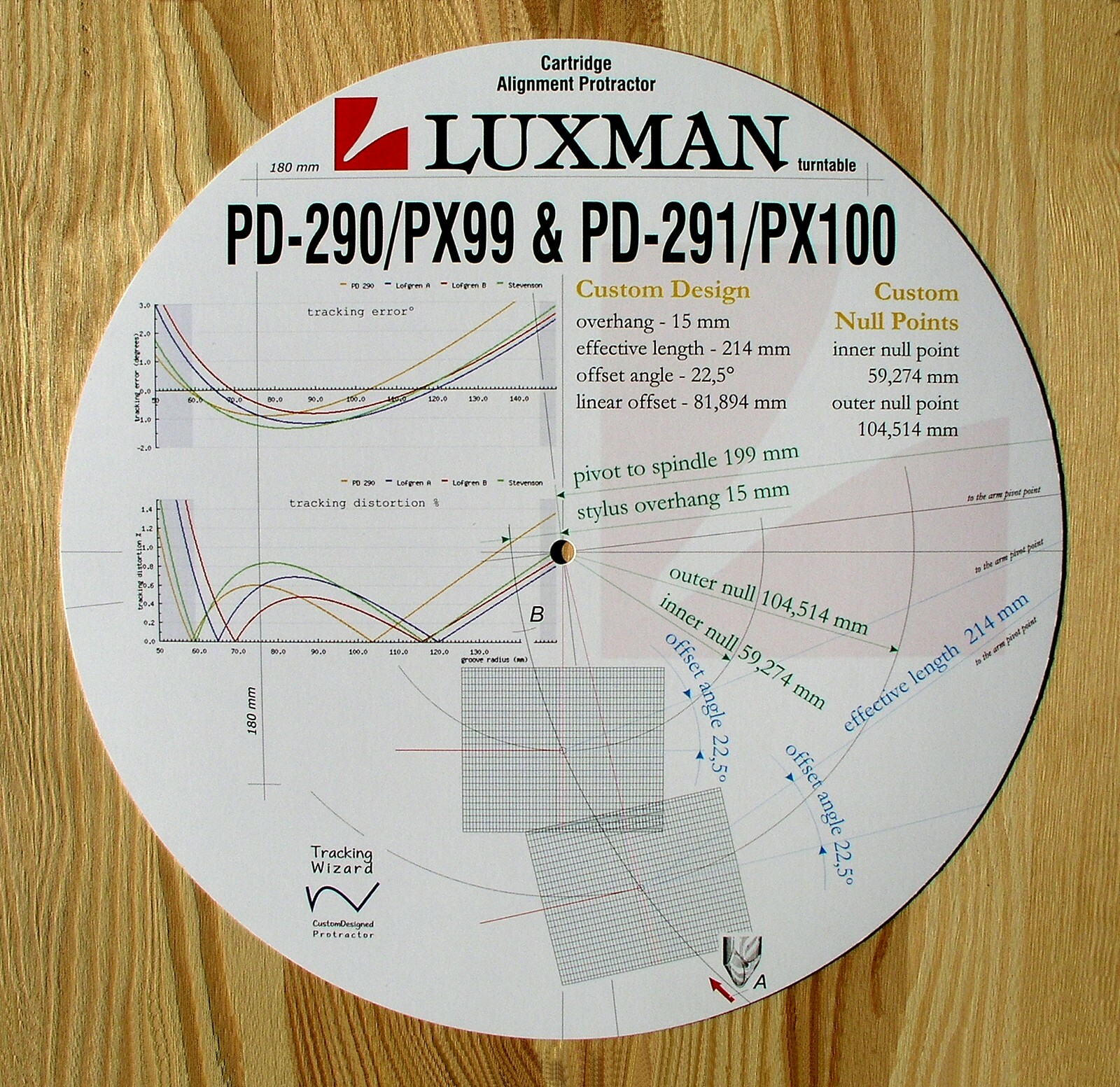
| Effective Arm Length | ~222 mm (depending on configuration) |
| Overhang Adjustment | Adjustable via mounting slots |
| Cartridge Compatibility | Up to 15g total weight (arm dependent) |
| Plinth Construction | Multi-layer MDF with vibration damping |
| Dimensions (W×H×D) | 445 × 140 × 360 mm |
| Weight | 10.5 kg |
| Power Supply | External AC unit (12V) |
Sound Characteristics and Performance
The Luxman PD-291 was engineered with a singular goal: to disappear from the audio chain and let the music speak. Its sonic signature is one of neutrality, clarity, and tonal balance—hallmarks of Luxman’s design ethos. Unlike some turntables of the era that leaned into warmth or euphonic coloration, the PD-291 presents a clean, transparent window into the groove.
Thanks to its heavy, damped plinth and precision-machined aluminum platter, the PD-291 excels at isolating the cartridge from external and internal vibrations. The result is a quiet background, deep soundstage, and excellent retrieval of low-level detail. Bass response is tight and well-controlled, without the overhang or bloat sometimes found in lesser belt-drive designs. Midrange is natural and uncolored, making it particularly well-suited to vocal and acoustic recordings.
The turntable’s low wow and flutter specifications translate into exceptional speed stability, ensuring that pitch remains consistent and instruments retain their proper timbre. Whether playing jazz, classical, or rock, the PD-291 delivers a cohesive, engaging presentation that prioritizes rhythm, timing, and musical flow—qualities that modern audiophiles often describe as “involving” or “organic.”
Notable Features and Innovations
While the PD-291 may appear conservative at first glance, it incorporates several thoughtful engineering choices that reflect Luxman’s attention to detail:
- Dual-Layer Plinth with Damping: The multi-layer MDF construction, combined with internal damping materials, effectively absorbs resonances that could otherwise color the sound. This was a sophisticated approach at the time, especially for a non-flagship model.
- Precision Belt-Drive System: The PD-291 uses a high-tolerance rubber belt and a carefully calibrated motor pulley system to ensure smooth, consistent rotation. The motor itself is decoupled from the plinth to prevent vibration transmission.
- External Power Supply: By using an external 12V AC unit, Luxman minimized electromagnetic interference within the turntable chassis. This design choice reduces the risk of hum and preserves signal integrity—a feature more commonly seen in high-end models.
- Modular Tonearm Mounting: While some versions shipped with a high-quality OEM straight tube arm, others were sold as bases for the acclaimed SME Series III tonearm. This flexibility allowed users to tailor the setup to their preferred cartridge and performance level.
- Manual Speed Selection: The 33⅓ and 45 RPM speeds are changed manually by repositioning the drive belt on the dual-step motor pulley. While less convenient than electronic speed switching, this method ensures mechanical simplicity and long-term reliability.
Common Issues and Maintenance
As with any vintage turntable, the Luxman PD-291 requires periodic maintenance to perform at its best. The most common issues encountered today include:
- Aging Belt: The rubber drive belt can harden or stretch over time, leading to speed fluctuations or startup difficulties. Replacement with a high-quality silicone belt (such as those from The Funk Firm or Mobile Fidelity) is recommended every 10–15 years.
- Drying Damping Material: The internal damping layers in the plinth may degrade over decades, potentially affecting resonance control. While not easily serviceable, this rarely results in audible issues unless the turntable has been exposed to extreme conditions.
- Tonearm Wear: If equipped with the OEM arm, bushings may develop slight play over time. Regular cleaning and inspection are advised. For SME-equipped models, standard tonearm servicing applies.
- Dust and Grime Buildup: Given its age, accumulated dust in the motor housing or on the platter underside can affect performance. Gentle cleaning with isopropyl alcohol and a lint-free cloth is safe and effective.
With proper care, however, the PD-291 remains a durable and reliable turntable. Its simple, robust design means fewer points of failure compared to more complex direct-drive systems.
Current Market Value and Collectibility
The Luxman PD-291 is not a common sight on the vintage audio market, and when it does appear, it often flies under the radar. This relative obscurity works in favor of savvy collectors—prices typically range from $400 to $800, depending on condition, included tonearm, and provenance.
Turntables fitted with the SME Series III arm command a premium, sometimes reaching $1,000 or more in excellent condition. Given the current resurgence in analog listening and the high cost of new high-end turntables, the PD-291 represents excellent value for money.
While not yet considered a “blue-chip” collectible like a Technics SL-1200 or Linn LP12, the PD-291 is gaining recognition among Luxman aficionados and analog purists. Its build quality, sonic performance, and understated design suggest that its reputation may continue to grow in the coming years.
Conclusion and Legacy
The Luxman PD-291 is a testament to the quiet confidence of Japanese high-fidelity engineering in the 1980s. It doesn’t shout for attention, nor does it rely on gimmicks or excessive ornamentation. Instead, it delivers what matters most: a faithful, engaging reproduction of music.
In an era where turntables are often judged by their specs or celebrity endorsements, the PD-291 reminds us that true excellence lies in balance, refinement, and purposeful design. It may not be the loudest voice in the room, but for those who listen closely, it speaks with clarity, grace, and enduring musicality.
For the discerning vinyl enthusiast seeking a vintage turntable that combines reliability, elegance, and honest sound, the Luxman PD-291 remains a compelling—and undervalued—choice. It’s not just a relic of the past, but a living piece of analog heritage that continues to deliver joy, one record at a time.
eBay Listings

As an eBay Partner, we earn from qualifying purchases. This helps support our independent vintage technology research.
Related Models
- Luxman PD-272 (1983)
- Luxman JPX-10000-R (1985)
- Luxman PD-121 (1979)
- Luxman PD-131 (1978)
- Luxman PD-262 (1983)
- Garrard 2025tc (1968)
- Onkyo CP-1010 (1976)
- Pioneer PL-15R (1975)
- Pioneer PL-250 (1979)
- Pioneer PL-40 (1977)